Navigating residential parking restrictions in Cambridge requires a clear understanding of controlled parking zones, resident permit eligibility, application procedures, visitor pass allowances, and council enforcement rules. Local authorities implement these regulations to prioritize resident access, reduce congestion, and manage limited kerbside space effectively.
- What Are the Rules for Resident Parking Permits in Cambridge?
- How Do You Apply for a Cambridge Resident Parking Permit?
- How Do Visitor Parking Permits Work in Cambridge Residential Zones?
- What Are the Penalties for Parking Violations in Cambridge?
- Can I park in a Cambridge resident bay on Bank Holidays without a permit?
- What happens to my parking permit if I change my car mid-year?
- Are motorcycle owners required to purchase a residential parking permit in Cambridge?
- How many visitor permits can a single Cambridge household purchase per year?
- Can business vehicles park in residential parking bays with a resident permit?
The city of Cambridge experiences high demand for kerbside parking due to its historic road network, growing population, and high volume of daily commuters. Cambridgeshire County Council and Cambridge City Council manage residential parking through a system of Controlled Parking Zones (CPZs).
These zones restrict street parking during specific operational hours to ensure that local residents have priority access to space near their homes. Without a valid resident parking permit or visitor pass, vehicles parked within restricted zones during operational hours incur Penalty Charge Notices (PCNs).
Historical urban development in Cambridge created narrow thoroughfares that cannot accommodate unrestricted vehicle storage. As car ownership expanded throughout the late twentieth century, residential neighborhoods adjacent to the city centre experienced severe commuter parking pressure.
Local government authorities introduced structured residential parking schemes in response to rising traffic density and environmental concerns. The implementation of designated parking zones helped protect residential amenity, maintain traffic flow, and encourage the use of public transportation alternatives across the municipality.
Controlled Parking Zones function as the primary structural component of the parking management framework in Cambridge. Each zone is defined by specific geographic boundaries, distinct street signage, and designated operational hours.
Operational schedules vary by location, ranging from standard weekday business hours to seven-day restrictions in high-demand areas. Within these zones, kerbside space is divided into resident-only bays, shared-use bays, pay-and-display areas, and double yellow lines. Double yellow lines denote continuous prohibition of stopping or parking at any time.
The administrative mechanism for securing a resident parking permit involves verification of residency, vehicle ownership, and payment of annual council fees. Applicants must submit official documentation confirming their primary address within an active controlled parking zone.
Acceptable proof includes council tax statements, utility bills, or signed tenancy agreements. Vehicle details must match the registration documents held by the Driver and Vehicle Licensing Agency (DVLA). Council systems process applications online, issuing digital permits linked directly to vehicle registration marks.
Residential developments constructed under recent planning permissions often feature specific parking restrictions. Local planning authorities frequently designate new housing complexes as car-free or parking-restricted developments.
Residents living in these designated properties are contractually ineligible to apply for council-issued street parking permits. This policy aims to limit overall vehicle density, reduce carbon emissions, and promote sustainable urban mobility within expanded residential sectors.
Real-world application of these regulations affects thousands of households across central and suburban Cambridge zones. For instance, residents living in the De Freville zone must display digital authorization to park between standard operational hours, while visitors must use digital visitor allocations.
Similarly, households in the Petersfield area navigate strict enforcement parameters due to proximity to the main railway station. Failure to maintain active permit status in these high-demand zones leads to immediate enforcement action by municipal civil enforcement officers.
Statistical data from transport monitoring authorities indicates that controlled parking schemes significantly reduce non-resident vehicle entries in urban zones. Managed parking policies directly lower localized traffic searching for free spaces, thereby decreasing street-level emissions.
Operational statistics demonstrate that structured permit enforcement maintains higher parking availability for permit holders compared to unmanaged streets. Proper management of kerbside capacity remains a vital element of broader municipal infrastructure planning and traffic mitigation.
The long-term implications of residential parking policies point toward increased digitalization, stricter emission-based fee structures, and expanded zone coverage. Council strategies align parking management with broader environmental objectives, such as achieving net-zero carbon targets.
Vehicle owners must adapt to evolving regulations, higher charges for high-emission vehicles, and shifting zone boundaries. Adhering to established permit protocols prevents administrative penalties and supports orderly urban transport infrastructure.
What Are the Rules for Resident Parking Permits in Cambridge?
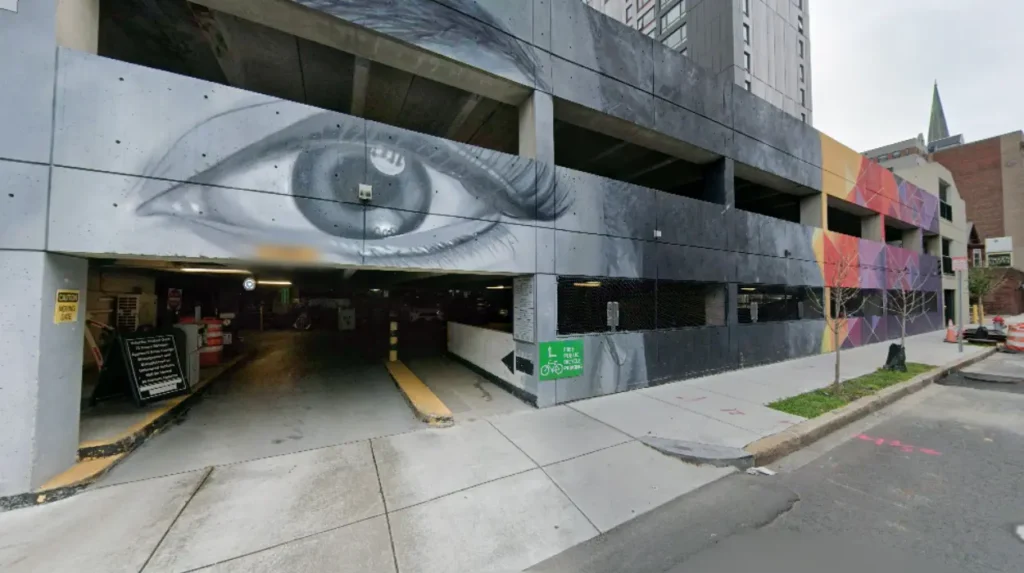
Resident parking permits in Cambridge allow eligible vehicle owners to park within designated Controlled Parking Zones during operational hours. Applicants must provide proof of residency, vehicle registration documents, and pay an annual fee based on vehicle emissions and household permit count.
Eligibility for a Cambridge resident parking permit requires proof of physical residence within an active Controlled Parking Zone. Individuals renting or owning property within designated zone boundaries must demonstrate that the address serves as their primary domestic residence.
Commercial properties, holiday lettings, and unverified address locations do not qualify for residential permit allocations. Applicants must register each vehicle under their primary residence address to maintain valid access to designated kerbside bays.
Vehicle ownership rules require the applicant to be the registered keeper of the vehicle or have continuous authorized use of a company vehicle. Official DVLA documentation, such as the V5C logbook, must reflect the applicant’s name and Cambridge address.
For company-owned automobiles, applicants must supply formal written confirmation from their employer on official letterhead detailing vehicle assignment. Temporary usage arrangements or unregistered personal vehicles do not satisfy council verification criteria.
Fee structures for resident parking permits are calculated using a tiered system based on household permit volume and environmental parameters. Municipal authorities apply progressive pricing schedules where second and third permits issued to a single address incur higher annual fees.
Additionally, pricing models integrate vehicle emission categories, charging higher rates for internal combustion engines with elevated carbon output while offering discounted rates for low-emission or fully electric vehicles.
Permit validity is governed strictly by geographic zone designations. A resident parking permit granted for a specific controlled zone does not grant parking privileges in adjacent or external zones across the city.
Permit holders must park strictly within marked resident bays or shared-use bays designated for their specific zone code. Parking in unauthorized zones or outside marked bays during operational hours constitutes a parking violation subject to penalty enforcement.
Enforcement mechanisms rely on automatic number plate recognition (ANPR) systems and manual inspections by civil enforcement officers. Physical paper permits have been largely replaced by virtual digital permits registered in a central council database.
Enforcement personnel scan vehicle registration plates to verify active permit status in real time. Unregistered vehicles parked in resident bays during restricted hours receive physical Penalty Charge Notices attached to the windscreen.
How Do You Apply for a Cambridge Resident Parking Permit?
Applying for a Cambridge resident parking permit involves accessing the online council portal, creating a user account, uploading required documentation, selecting the correct parking zone, and submitting payment. Online verification completes the virtual permit registration process.
The application process begins by establishing an account on the official Cambridgeshire County Council online parking portal. Applicants enter personal identification details, contact information, and their exact residential address.
The online system automatically verifies whether the property falls within an active Controlled Parking Zone and identifies the corresponding zone identifier. Setting up an account establishes a digital hub for managing active permits, vehicle changes, and renewals.
Documentation submission requires uploading clear digital copies of mandatory verification proofs. Applicants must upload one valid proof of residency dated within the preceding three months, such as a utility bill, bank statement, or council tax demand notice.
Additionally, applicants must provide the V5C registration document or official company vehicle letter verifying keeper details. Submitting incomplete or illegible documents delays processing times and postpones permit activation.
Payment processing occurs directly through the secure online gateway using standard debit or credit cards. The portal calculates the precise fee owed based on the selected address, household permit count, and vehicle carbon emission profile.
Upon successful transaction processing, the system issues a digital receipt and updates the permit record to active status. Payment must be cleared completely before the vehicle can legally occupy restricted kerbside space.
Virtual permit activation occurs immediately upon system approval, eliminating the need to display physical paper permits on the dashboard. Enforcement officers access the real-time database to confirm that the parked vehicle possesses a valid, paid digital permit.
Applicants can manage their account status, update contact details, and schedule automatic renewal notifications directly through the online system interface.
Temporary permits and vehicle changes can be managed dynamically through the digital portal. If a permit holder temporarily drives a courtesy car or changes their primary vehicle, they must update the vehicle registration details in the portal before parking on the street.
Failing to record a temporary vehicle change results in enforcement action, as non-matching registration marks trigger automated non-compliance alerts during routine officer patrols.
How Do Visitor Parking Permits Work in Cambridge Residential Zones?
Visitor parking permits allow residents living in Controlled Parking Zones to host guests by purchasing daily or hourly digital allocations. Residents manage these virtual passes through an online account, assigning visitor vehicle registration numbers before parking occurs.
Visitor parking permit allocation rules permit registered residents within Controlled Parking Zones to purchase visitor passes regardless of whether the resident owns a vehicle.
Municipal regulations limit the total number of visitor hours or daily passes an individual household can purchase annually. This limit prevents commercial misuse and ensures fair distribution of limited street parking capacity among all community residents.
Digital activation requires the host resident to log into their council parking portal and register the guest vehicle details. The resident enters the visitor vehicle registration mark, selects the required date and duration, and confirms activation before the guest leaves the vehicle unattended. Virtual visitor passes take effect immediately upon registration, allowing civil enforcement officers to confirm validity through digital plate scans.
Paper scratchcards continue to serve as an alternative option for residents who cannot access digital online portals. Physical visitor scratchcards must be purchased in advance through council customer service channels.
Residents must scratch off the correct date, month, and arrival time scratch panels clearly before displaying the card on the inside of the visitor vehicle windscreen. Incorrectly scratched or altered cards are rendered invalid upon inspection.
Tradespersons, medical caregivers, and service contractors requiring access to residential properties can utilize visitor passes provided by the resident. For long-term building renovations or extended medical care, councils offer specialized trade or carer permits upon submission of supporting medical or contractual documentation. These specialized allocations prevent residents from exhausting their standard annual visitor permit quotas during extended maintenance projects.
Misuse of visitor parking allocations carries strict legal penalties and administrative revocation of permit privileges. Selling, trading, or transferring visitor passes to commuters or non-resident motorists is prohibited under council parking orders. Enforcement officers monitor frequency patterns and vehicle registrations to detect unauthorized commercial or commuter use of residential visitor passes.
What Are the Penalties for Parking Violations in Cambridge?
Penalties for residential parking violations in Cambridge are issued as Penalty Charge Notices, categorized into higher and lower rate bands depending on severity. Violations include parking without a permit, overstaying time limits, or obstructing restricted yellow lines.
Penalty Charge Notice structures in Cambridge follow statutory guidelines established by national traffic management regulations. Violations are divided into two distinct payment tiers based on the nature of the infraction.
Higher-level penalties apply to severe contraventions, such as parking on double yellow lines or occupying disabled bays without a valid badge. Lower-level penalties apply to lesser infringements, such as overstaying a permitted time slot in a shared-use bay.
Discount payment windows provide a fifty percent reduction in the total penalty fine if the driver pays within fourteen days of notice issuance. Paying promptly settles the legal claim completely and closes the case file.
If the vehicle owner fails to pay or challenge the notice within twenty-eight days, the council issues a Notice to Owner document, demanding full payment of the original penalty amount from the registered vehicle keeper.
The formal appeal procedure allows drivers to challenge a Penalty Charge Notice if they believe the enforcement action was issued incorrectly. Challenges begin with an informal online representation to the council detailing mitigating factors or operational errors.
If the council rejects the informal challenge, the owner can submit a formal representation. Unresolved disputes can be escalated to the independent Traffic Penalty Tribunal for final legal determination.
Enforcement escalation occurs when Penalty Charge Notices remain unpaid after the statutory deadlines expire. The council registers the outstanding debt with the County Court, which adds court registration fees to the total balance. Continued non-payment results in the issuance of a Warrant of Control, authorizing certified enforcement agents to recover the debt through vehicle clamping, seizure, or property repossession procedures.
Towing and clamping operations are utilized in cases of severe obstruction, persistent evasion, or safety hazards. Vehicles parked dangerously, blocking emergency vehicle routes, or accumulating multiple unpaid parking fines are subject to immediate removal to a secure council storage impound. Releasing a towed vehicle requires full payment of accrued parking fines, administrative processing charges, and daily impound storage fees.
Can I park in a Cambridge resident bay on Bank Holidays without a permit?
No, residential parking restrictions in Cambridge generally remain active on Bank Holidays unless specific street signage explicitly states otherwise. Drivers must check the physical operational plates on the street to verify holiday rules before leaving a vehicle.
What happens to my parking permit if I change my car mid-year?
You must immediately update your vehicle registration details using your online council parking account before parking the new car on the street. Digital permits update instantly, ensuring your new vehicle remains protected from penalty enforcement.
Are motorcycle owners required to purchase a residential parking permit in Cambridge?
Yes, motorcycles and scooters parked in restricted resident bays during operational hours require a valid permit or pass in accordance with local zone orders. Some zones offer dedicated motorcycle bays or reduced annual permit rates.
How many visitor permits can a single Cambridge household purchase per year?
Council regulations limit households to a specific annual allowance of visitor pass hours or daily allocations to prevent misuse. The exact quota depends on your specific parking zone rules and is managed via the online portal.
Can business vehicles park in residential parking bays with a resident permit?
Business vehicles can park in resident bays only if the applicant proves they are the primary registered keeper or designated user, and the vehicle meets council length and weight criteria. Heavy goods vehicles are excluded.