Historic Cambridge properties experience damp due to solid masonry construction, high local water tables, low-lying alluvial soils near the River Cam, rising damp, penetrating damp, retrofitted impermeable materials, defective rain goods, and insufficient natural ventilation in period buildings.
- Why Are Period Properties in Cambridge Vulnerable to Moisture Building Up?
- How Does Rising Damp Differ from Penetrating Damp in Older Cambridge Homes?
- What Are the Best Breathable Materials for Restoring Cambridge Period Properties?
- How Does Improper Insulation Cause Damp Problems in Solid Wall Cambridge Homes?
- What Are the Steps to Diagnose and Treat Damp in Cambridge Heritage Buildings?
- Why is damp so common in Cambridge historic homes?
- Can I use cement mortar to repair a Victorian brick wall in Cambridge?
- How do I stop condensation in a period property without causing drafts?
- What is the best plaster for damp historic walls?
- How much space should be between external ground levels and internal floors?
Historic Cambridge housing stock relies on traditional breathable construction techniques using local materials such as gault clay bricks, clunch stone, timber framing, and lime mortars. These natural materials absorb moisture during wet conditions and release it through natural ventilation and porous surfaces.
Modern alterations often disrupt this moisture balance by introducing impermeable barriers such as cement render, plastic paints, and synthetic insulation. These non-breathable materials trap internal vapor and groundwater inside the structural fabric, leading to timber decay, masonry breakdown, and persistent interior damp problems across period homes.
Rising damp occurs when groundwater ascends through porous masonry via capillary action due to absent or degraded damp proof courses. In Cambridge, the proximity of low-lying floodplains and shallow water tables increases the hydrostatic pressure on sub-floor building foundations.
Penetrating damp develops when rainwater passes horizontally through external walls due to cracked masonry, eroded lime pointing, or failing gutters. Leaking cast iron rainwater goods direct concentrated water runoff onto historic brickwork, saturating the envelope and causing severe internal salt contamination.
Condensation forms when warm, moisture-laden indoor air contacts cold internal wall surfaces. Victorian and Edwardian terrace houses with draft-proofing and unvented heating appliances experience elevated relative humidity, encouraging widespread toxic black mold growth on cold external walls.
Solid wall structures lack the cavity airspace found in modern buildings, making them vulnerable to thermal bridging. Cold spots form where structural elements meet exterior masonry, accelerating moisture accumulation and plaster breakdown during cold winter months.
Sub-floor dampness emerges in period properties with suspended timber floors when air bricks become blocked by elevated ground levels or exterior paving. Restricted sub-floor airflow leads to high moisture levels, creating ideal conditions for wet rot and dry rot fungal outbreaks.
Cambridgeshire weather patterns contribute to seasonal moisture variations, with wet winter periods saturating exterior brickwork. Unheated historic structures fail to dry out adequately during brief warm spells, causing cumulative moisture retention in load-bearing masonry walls.
Defective roof coverings, including slipped Welsh slates or cracked plain clay tiles, allow rainwater ingress into roof voids. Moisture travels down structural timbers, damaging ceiling plaster and creating hidden rot pockets within upper-floor ceiling joists.
High occupancy levels combined with modern domestic activities generate excessive moisture inside historic homes. Drying clothes indoors, cooking without extraction fans, and unvented bathing release liters of water vapor daily into historic structures ill-equipped to vent excess humidity.
Why Are Period Properties in Cambridge Vulnerable to Moisture Building Up?
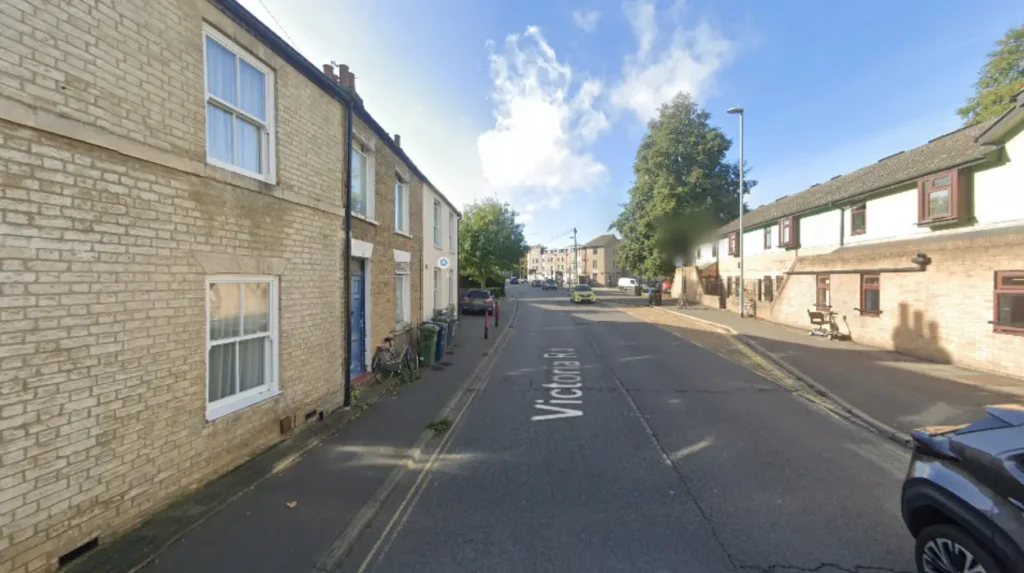
Period properties in Cambridge are vulnerable to moisture because solid brick and clunch masonry absorb ground water, low elevation along the River Cam basin elevates water tables, and non-breathable modern paints trap moisture inside historic building envelopes.
Cambridge features specific geological conditions dominated by Cambridge Greensand, Gault Clay, and alluvial deposits along the River Cam valley. High water tables saturate foundation soils, ensuring continuous groundwater contact with sub-structure masonry in historic residential areas like Mill Road and Barnwell.
Traditional Cambridge housing uses soft gault clay bricks and local clunch stone, a soft porous limestone. These historic materials possess high capillarity, allowing water to migrate through structural walls unless continuous moisture evaporation is maintained through permeable wall finishes.
19th-century builders constructed terraces with shallow foundations and early damp barriers such as slate or asphalt, which degrade over centuries. Fractured damp proof courses allow uninhibited ground moisture movement upward through load-bearing brick walls into living areas.
Urban infilling and paved front gardens in historic neighborhoods reduce permeable ground surfaces around residential structures. Rainwater runoff concentrates around building perimeters, driving moisture into foundation walls and saturating sub-floor voids beneath ground floors.
Historic timber-framed buildings in central Cambridge feature wattle and daub infill panels coated in lime plaster. When owners apply modern acrylic paints, the impermeable film prevents moisture evaporation, causing timber framing members to rot behind sealed wall surfaces.
Unheated cellars and basement rooms common in Georgian and Victorian Cambridge houses lack modern waterproofing membranes. Underground masonry remains in permanent contact with damp soil, allowing continuous moisture vapor migration into ground-floor living spaces.
Victorian chimney stacks often suffer from degraded flaunching and flashing, allowing water infiltration down internal flues. Decommissioned fireplaces sealed without ventilation caps trap damp air inside chimney breasts, causing salt efflorescence on decorative interior plasters.
Altered ground levels around period homes often breach the original damp proof line. Modern concrete driveways, raised flower beds, and garden patios installed above internal floor levels channel surface water straight into porous exterior brickwork.
Original sash windows and timber doors provide natural background ventilation that dries historic interiors. Retrofitting sealed double-glazing without trickled vents eliminates background air exchange, causing relative humidity levels to spike above critical mold-growth thresholds.
Historic roof designs often feature parapet gutters and valley gutters lined with lead. Age-related lead degradation creates pinhole leaks that discharge rainwater into structural wall heads, causing unseen timber decay inside roof cavities.
How Does Rising Damp Differ from Penetrating Damp in Older Cambridge Homes?
Rising damp ascends vertically from ground soil through masonry pores carrying dissolved groundwater salts, whereas penetrating damp travels horizontally through exterior wall defects, roof leaks, or failing rainwater systems independent of ground level.
Rising damp is restricted to ground floors and basements, rarely ascending higher than 1.2 meters above ground level due to gravity and evaporation rates. The ascending water carries dissolved nitrate and chloride salts from the soil directly into structural brickwork.
Penetrating damp can occur at any height on a building envelope, often appearing near failing gutters, cracked render, or damaged roof tiles. It is driven by wind-driven rain and structural defects rather than capillary groundwater draw from underlying foundation soils.
Rising damp leaves distinct tide marks along internal walls, accompanied by salt efflorescence that damages decorative finishes. The hygroscopic salts deposited in internal plaster draw moisture from the indoor air, keeping wall surfaces permanently damp even during dry weather.
Penetrating damp manifests as localized damp patches that expand rapidly during heavy rainfall events and contract during dry spells. Damp stains correspond to external architectural defects, such as cracked window sills, eroded lime mortar, or blocked downspouts.
Rising damp damages skirting boards, floor joists, and ground-floor wall plasters through continuous liquid water transfer. The ongoing moisture supply creates ideal conditions for wood-decaying fungi like Coniophora puteana, commonly known as wet rot, in sub-floor timbers.
Penetrating damp causes localized masonry spalling on exterior walls when trapped water expands during winter freeze-thaw cycles. Soft Cambridge gault bricks lose their protective outer face, accelerating structural degradation and interior wall saturation.
Rising damp requires ground-level remediation, such as lowering external ground levels or installing breathable perimeter drainage systems. Remediation focuses on managing capillary draw and restoring natural evaporation pathways along lower wall zones.
Penetrating damp remediation requires repairing external building fabric defects, such as repointing brickwork with hydraulic lime mortar or replacing damaged rainwater goods. Fixing the structural defect stops water ingress without requiring specialized damp injection treatments.
Rising damp diagnoses require chemical testing or carbide meter analysis to confirm the presence of ground salts versus pure water condensation. Misdiagnosis often leads to unnecessary chemical damp proofing installations that fail to address the underlying moisture source.
Penetrating damp diagnoses rely on visual building inspections during rainfall to track water flow paths down building facades. Thermal imaging cameras help trace moisture pathways from exterior structural defects to interior damp patches behind wall linings.
What Are the Best Breathable Materials for Restoring Cambridge Period Properties?
The best breathable materials for Cambridge period properties are pure air lime mortars, natural hydraulic lime, breathable silicate paints, wood fiber insulation boards, sheep wool insulation, hemp lime plasters, and traditional hair-reinforced lime renders.
Air lime mortar, made from non-hydraulic calcium hydroxide, offers maximum vapor permeability and flexibility for historic masonry repair. It allows moisture to evaporate freely from brick joints, protecting soft historic Cambridge gault clay bricks from accelerated decay.
Natural hydraulic lime (NHL) mortars set through hydration and carbonation, providing varying compressive strengths suitable for exposed masonry. NHL 2 and NHL 3.5 mortars allow moisture movement while resisting weathering on exposed Cambridge chimneys and parapet walls.
Silicate paints bond chemically with mineral substrates, creating a breathable, durable finish on external masonry surfaces. Unlike film-forming acrylic paints, silicate finishes permit water vapor transmission while protecting historic brickwork from driving rain penetration.
Wood fiber insulation boards provide high thermal mass and vapor-permeable insulation for internal wall insulation retrofits. They absorb excess indoor humidity and release it harmlessly as room conditions dry, preventing interstitial condensation behind insulated wall linings.
Sheep wool insulation offers a natural, breathable thermal barrier for loft spaces and suspended timber floors in period homes. Its hygroscopic fibers manage moisture fluctuations without losing thermal performance or encouraging fungal growth within structural floor voids.
Hemp lime plaster combines hemp shiv with lime binders, creating an insulating, breathable internal wall coating. It regulates indoor relative humidity, buffers surface temperatures, and eliminates cold wall surfaces that trigger surface condensation in older properties.
Traditional hair-reinforced lime plasters provide strong, flexible interior wall finishes that accommodate structural movement in historic timber-framed homes. Goat or horse hair reinforcement prevents shrinkage cracking, ensuring long-term plaster integrity and continuous vapor movement.
Soft clay plasters act as natural humidity regulators inside historic residential spaces, absorbing indoor moisture during high-humidity events. Clay finishes dry quickly without cracking, maintaining a healthy indoor environment and protecting underlying historic building fabrics.
Limewash provides a traditional, highly breathable protective coating for internal lime plasters and external brick masonry. Applied in multiple thin coats, limewash allows building walls to dry naturally while offering mild antibacterial properties due to its high pH level.
Expanded cork boards deliver moisture-resistant, breathable insulation for sub-floor applications and solid masonry walls. Cork resists decay in damp environments while maintaining thermal resistance and acoustic insulation across historic residential restoration projects.
How Does Improper Insulation Cause Damp Problems in Solid Wall Cambridge Homes?
Improper insulation causes damp problems by shifting the dew point inside solid walls, trapping internal moisture behind impermeable synthetic materials, blocking natural air movement, and creating severe cold bridge thermal junctions.
Adding non-permeable synthetic insulation like foil-backed foam board to solid brick walls traps indoor water vapor. Moisture migrating outward hits the cold, impermeable barrier, condensing into liquid water inside the wall structure and rotting structural timbers.
Insulating internal wall surfaces moves the wall’s thermal dew point inward toward the living space. Moisture condenses at the interface between the insulation and the cold original masonry, causing hidden mold growth and structural timber decay behind wall linings.
External wall insulation applied to historic facades alters the building’s moisture dynamics and architectural appearance. Impermeable external renders trap moisture inside historic solid brickwork, causing brick faces to spall during winter frost cycles.
Partial insulation installs leave uninsulated structural elements exposed, creating severe thermal bridges at wall-floor junctions, window reveals, and floor heads. Warm room air contacts these concentrated cold spots, causing localized condensation and black mold outbreaks.
Blocking chimney flues during insulation works eliminates essential natural ventilation pathways in historic homes. Trapped moisture accumulates within cold chimney masonry, causing damp patches, salt staining, and plaster damage on interior chimney breasts.
Installing impermeable underlayment under loft insulation stops warm air from escaping while trapping moisture inside cold roof spaces. Water vapor condenses on the underside of cold roof tiles, dripping onto ceiling joists and causing timber decay.
Cavity wall insulation retrofitted into improper narrow or rubble-filled cavities creates moisture bridges between wall leaves. Rainwater penetrating the outer brick skin travels across wet insulation fibers, saturating internal plaster finishes across upper-floor rooms.
Sealing floor voids with non-breathable insulation materials restricts natural sub-floor ventilation through exterior air bricks. High humidity builds up in unvented floor cavities, encouraging wet rot growth and structural collapse of suspended timber floor joists.
Tight draft-proofing around historic windows without trickle ventilators reduces building air exchange below safe health levels. Indoor humidity rises rapidly from daily activities, accelerating condensation on cold single-glazed windows and exterior masonry walls.
Failing to repair existing damp issues before installing internal wall insulation traps moisture inside load-bearing masonry walls. Structural dampness degrades insulation efficiency, accelerates timber rot, and damages new internal finishes within months of installation.
What Are the Steps to Diagnose and Treat Damp in Cambridge Heritage Buildings?
Diagnosing and treating damp requires inspecting rainwater systems, measuring wall moisture profiles, identifying salt contamination, removing impermeable modern finishes, lowering ground levels, restoring sub-floor airflow, and applying breathable lime renders.
Step 1: Inspect exterior rainwater goods, roofs, and site drainage.
Step 2: Map interior moisture levels using non-destructive moisture meters.
Step 3: Analyze plaster samples for hygroscopic ground salts.
Step 4: Remove impermeable cement renders, plastic paints, and vinyl wallpapers.
Step 5: Lower external ground levels below internal floor lines.
Step 6: Clear and clear sub-floor air bricks to restore natural ventilation.
Step 7: Repoint exterior masonry using natural hydraulic lime mortar.
Step 8: Apply breathable internal lime plaster or clay finishes.
Initial damp investigations begin with a visual assessment of external building envelopes during wet weather. Surveyors inspect roof tiles, lead flashings, chimney flaunching, downspouts, and perimeter ground levels to identify obvious external water ingress sources.
Non-destructive electrical moisture meters help map moisture patterns across internal wall surfaces, identifying elevated readings near ground level. Moisture mapping distinguishes localized leaks from widespread capillary dampness or surface condensation patterns across interior rooms.
Quantitative moisture testing using gravimetric analysis or calcium carbide meters measures actual moisture content within masonry samples. This process differentiates free liquid water from bound moisture absorbed by hygroscopic nitrate and chloride ground salts.
Laboratory salt analysis identifies specific chemical salts present in damaged plaster samples. High nitrate concentrations confirm agricultural or groundwater origins associated with rising damp, while low salt levels indicate condensation or clean rainwater leaks.
Removing modern cement renders and impermeable plastic paints allows saturated historic brickwork to dry naturally. Stripping non-breathable wall coverings exposes original masonry, enabling historic walls to release trapped moisture through natural evaporation.
Perimeter ground levels must be lowered to at least 150 millimeters below internal floor levels or damp proof courses. Excavating surrounding soil prevents rainwater splashing against soft wall brickwork and stops lateral moisture transmission into ground-floor rooms.
Sub-floor ventilation requires clearing blocked air bricks and adding extra vents around building perimeters. Restoring continuous airflow beneath suspended timber floors lowers sub-floor humidity, protecting joists and floorboards from wood-destroying fungal rot.
Exterior masonry repointing replaces cracked cement mortar with breathable hydraulic lime mortar matching historic profiles. Lime pointing permits moisture evaporation through joints, protecting soft Cambridge gault clay bricks from frost spalling and internal damp transfer.
Internal wall repairs use hair-reinforced lime plasters or breathable clay finishes applied directly to original masonry surfaces. These traditional materials absorb residual wall moisture and release it harmlessly, preventing surface dampness and paint peeling.
Long-term environmental monitoring uses data loggers to track indoor relative humidity and ambient room temperatures. Maintaining indoor humidity below 60 percent through controlled extraction ventilation prevents surface condensation and mold growth across historic interiors.
Why is damp so common in Cambridge historic homes?
Cambridge features high water tables, low-lying river soils, and porous gault clay or clunch masonry. Older houses lack modern damp membranes, so installing non-breathable cement or plastic paints traps moisture inside walls.
Can I use cement mortar to repair a Victorian brick wall in Cambridge?
No, cement mortar is too hard and impermeable for soft Cambridge bricks. It traps moisture inside the masonry, causing bricks to freeze, spall, and develop internal damp issues over time.
How do I stop condensation in a period property without causing drafts?
Install humidity-controlled mechanical extract fans in kitchens and bathrooms, use trickle vents on windows, and maintain background heating. Avoid blocking chimney flues and keep air circulating behind furniture.
What is the best plaster for damp historic walls?
Breathable lime plaster or natural clay plaster is best. These traditional materials allow moisture to evaporate naturally from the wall without trapping water or causing salt efflorescence under the surface.
How much space should be between external ground levels and internal floors?
External ground levels should remain at least 150 millimeters below the internal floor level or damp proof course. Lowering ground levels prevents lateral damp penetration and water splashing against soft lower brickwork.