
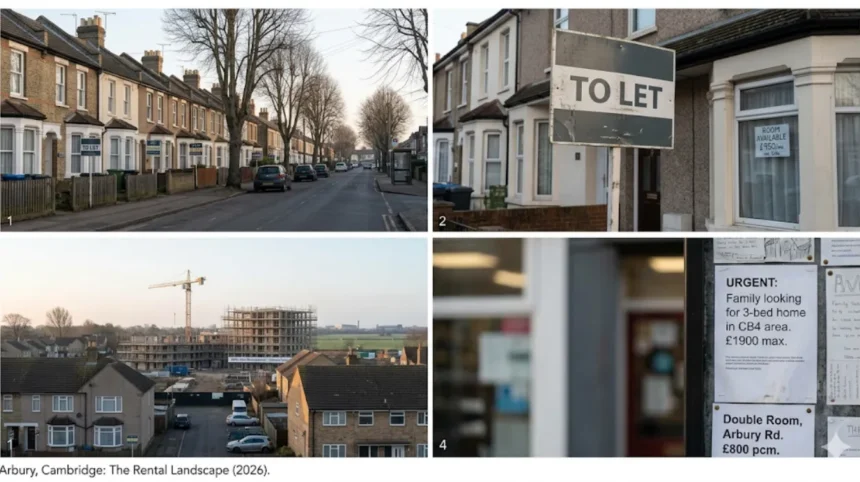
Rising housing costs and rents in Arbury Cambridge reflect broader challenges in one of the UK’s most desirable yet strained property markets. As a northern suburb known for its community spirit and proximity to the city center, Arbury has long offered relatively affordable options compared to central Cambridge areas. However, recent data shows average private rents climbing to £1,797 monthly across Cambridge, with Arbury properties now averaging £260,000 to £520,000 in value, pushing many residents toward financial strain.
Understanding Arbury’s Housing Landscape
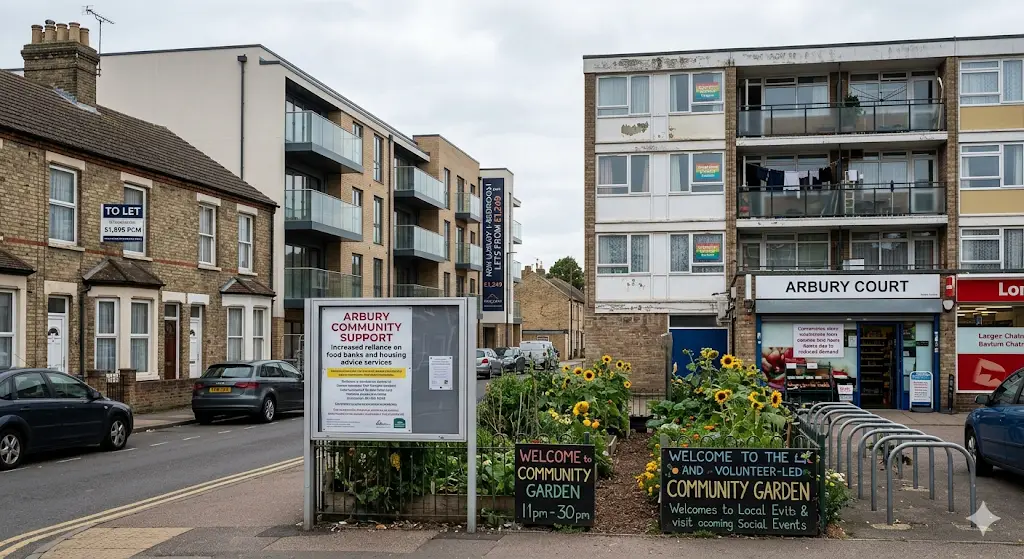
Arbury, a residential neighborhood in north Cambridge, developed significantly post-World War II as part of the city’s expansion to accommodate growing populations. Its interwar and council housing stock provides a mix of terraced homes, semis, and flats that historically attracted families and young professionals seeking value near amenities like Arbury Court shopping center and local schools. This evergreen appeal stems from its cycle-friendly paths to the city center, green spaces such as Arbury Community Garden, and strong community ties, making it a staple for long-term residents.
The area’s housing profile includes a notable portion of social housing, which once buffered it against extreme price volatility. Properties on streets like Arbury Road have seen average sold prices around £429,500 in recent years, with flats at £276,750 and terraced homes reaching £735,000. These figures mark a shift from Arbury’s reputation as Cambridge’s more budget-friendly enclave, where three-bedroom homes near Orchard Park hovered under £450,000 just a few years ago.
Despite this relative affordability, the suburb’s proximity to tech hubs and the University of Cambridge amplifies demand. Commuters value its position along Histon Road, offering quick access to the A14 and science parks. Yet, as Cambridge’s population swells driven by high-skilled jobs in biotech and innovation Arbury’s limited supply struggles to keep pace, setting the stage for escalating costs.
Current Trends in Housing Costs
Housing prices in Arbury Cambridge have accelerated, mirroring city-wide surges fueled by economic growth. Entry-level properties now range from £260,000 to £520,000, with monthly mortgage repayments estimated at £4,100 to £5,500 based on typical rates. This represents a substantial barrier for first-time buyers, especially as average Cambridge house prices exceed national norms due to the region’s “Silicon Fen” status.
Recent sales data underscores this upward trajectory. On Arbury Road alone, overall averages hit £429,500 last year, down slightly from 2018 peaks but still reflecting resilience amid market fluctuations. Detached homes and larger family properties command premiums, while smaller units provide rare entry points. These trends persist despite occasional softening, as broader Cambridge prices climb with demand from high-earners in tech and academia.
Yield calculations highlight investor interest, with gross yields around 3.8% to 5.1% in Arbury, attracting buy-to-let landlords. This influx sustains price growth, even as some properties linger on the market longer than in pricier wards, partly due to perceptions of the area as less polished than southern Cambridge locales.
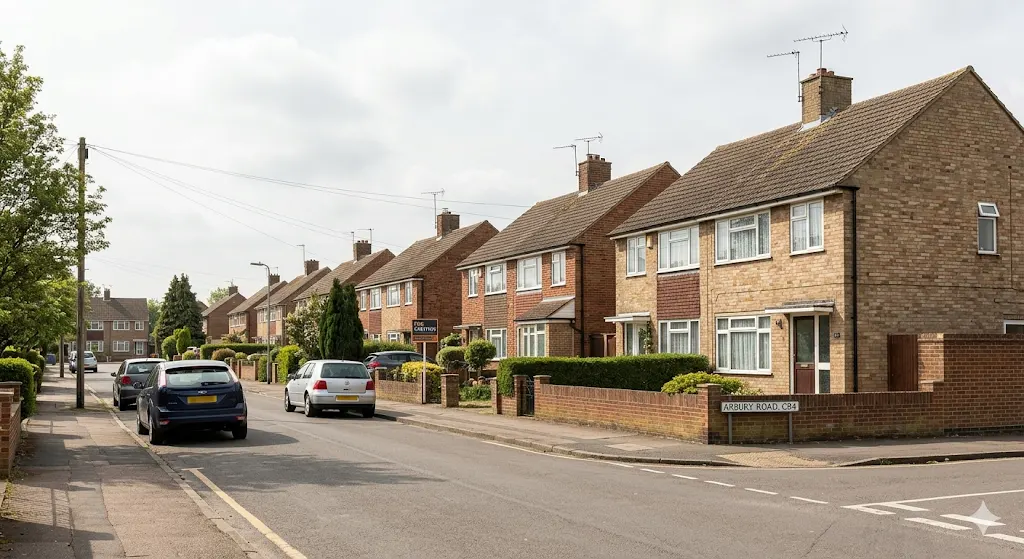
Surging Rental Prices and Their Drivers
Rents in Cambridge reached £1,797 per month by January 2026, up 2.2% from the previous year, with Arbury feeling the ripple effects. One-bedroom flats average £1,249 city-wide, escalating to £2,659 for four-plus bedrooms, while Arbury’s terraced and semi-detached homes align closer to £1,825 and £1,997 respectively. These hikes outpace wage growth, squeezing tenants who rely on the area’s convenience.
Several factors propel this rise. High-income tech professionals, often renting initially before buying, intensify competition. Landlords capitalize on strong yields, converting moderate rentals into premium lets. In Arbury, developments like the Cambridge Investment Partnership’s 70 new homes on Histon Road blending council units at 40-80% of market rates with market-sale properties signal efforts to expand stock but also underscore shortages.
External pressures compound the issue. Inflation, post-pandemic recovery, and limited new builds exacerbate supply constraints. Cambridge’s rental market, while easing slightly in some segments, remains tight, with flats rising 2.5% annually. Arbury’s social housing legacy offers some relief, but conversions and investor purchases erode availability for low-income renters.
Factors Fueling the Crisis in Arbury
Cambridge’s tech and science boom directly impacts Arbury, where spillover demand from science parks drives prices. High salaries in these sectors often exceeding £70,000 enable bidding wars, while junior staff and service workers face exclusion. This creates a bifurcated market: luxury lets for executives versus strained affordability for locals.
Local perceptions play a role too. Arbury carries a lingering “underdog” stigma from past issues like underperforming schools and minor anti-social behavior, yet residents praise its community vibe and improving safety. This keeps some properties undervalued relative to flashier areas, but rising costs erode that edge, with new builds near Orchard Park now pushing £450,000.
Planning and infrastructure lag behind. While initiatives like the Affordable Housing Overlay in nearby areas add units, Arbury’s density limits large-scale development. The Milton Recycling Centre’s occasional odors and traffic on key roads deter some, but convenience to the city cycle overrides these for many.
Government policies influence dynamics as well. Council tax bands, stamp duty thresholds, and Help to Buy remnants favor investors over owner-occupiers. Nationally, the UK’s housing shortage needing 300,000 new homes yearly manifests acutely in high-demand zones like Cambridge, funneling pressure into suburbs like Arbury.
Impacts on Arbury Residents
For families in Arbury, escalating costs mean trade-offs. A typical three-bedroom terraced home’s rent nearing £1,895 strains household budgets, forcing some to downsize or commute from cheaper towns like St Neots. Young professionals, drawn by jobs at Marshall Aerospace or local firms, find one-bedroom lets at £1,249 eating 40% of incomes, well above the 30% affordability benchmark.
Social fabric shifts as gentrification edges in. Long-term council tenants benefit from social rent caps around 40-45% of market rates but rising market neighbors displace private renters. Community groups report increased reliance on food banks and housing advice services, with children facing unstable schooling from frequent moves.
Economically, the suburb’s vitality suffers. Local shops at Arbury Court see reduced footfall from cash-strapped residents, while property upkeep declines under rental stress. Yet, Arbury’s resilience shines: volunteer-led gardens and events foster belonging, helping mitigate isolation in a high-cost environment.
Government and Local Initiatives
Cambridge City Council tackles shortages through partnerships like the Cambridge Investment Partnership, planning 423 new homes city-wide, including 70 in Arbury with 28 council units. These include social rents at 40-45% of market and intermediate options at 60-80%, responding to community feedback via extensive consultations.
Broader efforts include the Affordable Housing Overlay, expanded in 2023 elsewhere but influencing local planning. It permits denser, taller affordable builds, adding hundreds of units and pressuring landlords to moderate rents. Nationally, the Office for National Statistics tracks affordability ratios, highlighting Cambridge’s private rental burdens.
In Arbury, regeneration focuses on Histon Road sites, transforming industrial plots into mixed-tenure housing. These projects prioritize quality design, green spaces, and cycle links, aiming to balance growth with livability. However, delivery timelines often years mean immediate relief remains elusive.
Future Outlook for Housing Stability
Looking ahead, Arbury Cambridge’s housing costs and rents will likely continue rising without aggressive intervention. Projections suggest 5-7% annual increases if supply doesn’t match demand, driven by ongoing tech expansion and net migration. Yet, softening sales in some segments hint at potential stabilization if interest rates hold or remote work persists.
Optimism lies in pipeline projects: over 420 new homes signal commitment to affordability. Enhanced local schools, like improvements at North Cambridge Academy, could boost appeal without spiking prices. Sustainable development emphasizing energy-efficient homes aligns with Cambridge’s eco-innovator ethos, potentially attracting grants.
Residents and policymakers must collaborate. Community land trusts, rent controls, and incentives for live-work units could preserve Arbury’s character. As an evergreen hub in a dynamic city, strategic planning will determine if it remains accessible or joins Cambridge’s elite postcode club.
Strategies for Residents Navigating Costs
First-time buyers in Arbury should target sub-£300,000 flats or shared ownership schemes, leveraging lifetime ISAs for deposits. Renters benefit from comparing platforms like Rightmove for yields under 35% of income, prioritizing properties with long tenancies to avoid hikes.
Long-term, upskilling in Cambridge’s tech sector offers salary buffers. Community initiatives, such as Arbury’s resident associations, advocate for fair policies. Energy retrofits cut bills, enhancing affordability in older stock.
For investors, Arbury offers steady yields amid volatility, but ethical letting transparent fees, maintenance builds loyalty. Overall, informed choices and advocacy will help Arbury residents weather the storm.