
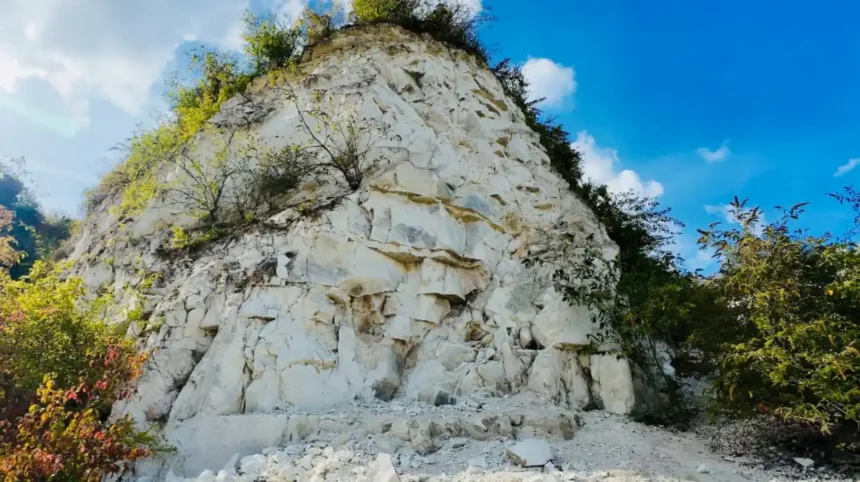
Cherry Hinton Chalk Pits is a 12.8-hectare biological Site of Special Scientific Interest located on the south-eastern outskirts of Cambridge. The unique habitat contains former industrial chalk quarries now managed as a protected local nature reserve for rare flora.
- What is the historical background of Cherry Hinton Chalk Pits?
- What ecological features define Cherry Hinton Chalk Pits?
- What wildlife species inhabit Cherry Hinton Chalk Pits?
- How should visitors explore Cherry Hinton Chalk Pits safely?
- FAQs About Cherry Hinton Chalk Pits
- Can you park a car directly at Cherry Hinton Chalk Pits?
- Are dogs allowed inside the Cherry Hinton Chalk Pits reserve?
- When is the best time of year to spot glow-worms at the pits?
- Why is the moon carrot plant so significant to this specific site?
- Is there wheelchair access available at the Cherry Hinton Chalk Pits?
The protected area consists of three designated sections (East Pit, West Pit, and Lime Kiln Close). The Wildlife Trust for Bedfordshire, Cambridgeshire and Northamptonshire manages East Pit and Lime Kiln Close, while Cambridge City Council oversees West Pit. These individual zones combine to provide distinct ecological environments ranging from open calcareous grasslands to sheltered woodlands. The entire site is widely considered one of the most extraordinary hidden gems in Cambridge for eco-tourists and local residents.
Natural England designated this location as a Site of Special Scientific Interest in 1986 based on its unique biological composition. The geological structure belongs to the Cretaceous period chalk deposits laid down approximately 90 million years ago. Historic industrial quarrying excavated deep into these ancient layers, leaving steep cliffs that face south and maximize sunlight exposure. This specific layout creates an isolated microclimate that supports specialized plant species requiring thin, well-drained, alkaline soils.
What is the historical background of Cherry Hinton Chalk Pits?
The historical background of Cherry Hinton Chalk Pits spans from prehistoric human occupation to industrial quarrying that ceased in the 1980s. The pits supplied essential materials for local agricultural fertilizers and the construction of numerous Cambridge university colleges.
Archaeologists discovered significant prehistoric structures on this site, including an Iron Age hill fort known as the War Ditches. Archaeological excavations conducted in 2009 unearthed ancient human remains, extensive ditch systems, and historic pottery fragments from multiple eras (Early Iron Age, Late Iron Age, and Romano-British). These physical findings confirm that human populations occupied the south-eastern edge of Cambridge for defensive and agricultural purposes over two millennia ago. Recovered animal bones from domesticated livestock (cattle, horses, pigs, and sheep) indicate a well-established pastoral economy.
Commercial extraction of hard chalk, locally called clunch, began during the medieval period to fulfill regional architectural demands. Historical documents reveal that King’s College acquired a dedicated pit at Cherry Hinton before 1452 to construct portions of its chapel. Workers also extracted material to produce quicklime for agricultural soil treatment and mortar for widespread civic expansion. Quarrying ceased entirely at Lime Kiln Close approximately 200 years ago, while industrial operations at East Pit continued until 1981.
What ecological features define Cherry Hinton Chalk Pits?
Cherry Hinton Chalk Pits are defined by distinctive ecological features including sheer chalk cliffs, lowland calcareous grasslands, and developing ash woodlands. These specialized habitats support rare botanical species that are highly vulnerable to localized extinction within the United Kingdom.
The reserve features two distinct plant environments (lowland calcareous grassland and ash-dominated woodland) that developed after human industrial interference stopped. Lime Kiln Close features a mature woodland canopy where large ash trees grow above native field maples and ancestral cherry trees. In contrast, East Pit contains open, sunlit expanses dominated by nutrient-poor, high-calcium soils that prevent aggressive weeds from dominating the terrain. A deliberate landscape reprofiling project executed in 2009 broke up the solid chalk floors to accelerate natural colonization.
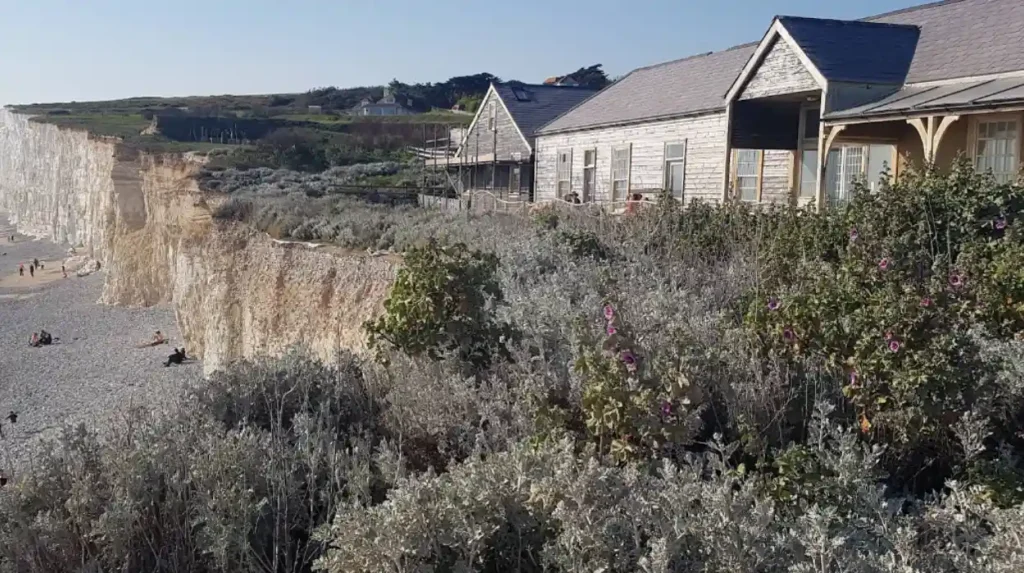
The site serves as a vital refuge for four rare plants (moon carrot, great pignut, grape hyacinth, and perennial flax). The moon carrot plant thrives extensively inside the thin soils of East Pit and West Pit, representing one of only three known populations in the country. The other two confirmed locations are Beachy Head in East Sussex and Knocking Hoe in Bedfordshire. These specialized plants require strict habitat management to prevent taller scrub plants from blocking vital sunlight.
What wildlife species inhabit Cherry Hinton Chalk Pits?
Cherry Hinton Chalk Pits provide a secure habitat for diverse animal groups including protected birds, specialized invertebrates, and small mammals. The structural variety of the old quarry walls ensures nesting sites and hunting grounds remain abundant throughout the seasons.
Ornithologists have documented more than 60 species of birds nesting or feeding within the boundaries of the nature reserve. The steep, vertical chalk cliffs provide ideal nesting ledges for predatory raptors such as kestrels and sparrowhawks. Dense sections of hawthorn and elder scrub provide shelter for migratory songbirds (whitethroats, blackcaps, and willow warblers). These birds depend on the abundant insect populations and autumn berry yields generated by the uncultivated vegetation inside East Pit.
The calcareous grassland supports specialized insect communities, including two notable species (the small blue butterfly and the chalk carpet moth). Visitors can observe adult glow-worms emitting fluorescent green light along the grass margins during summer nights in June and July. This specific beetle relies on the abundant populations of small snails that thrive on calcium-rich soils. Conservationists remove invasive scrub plants to ensure the open grassland required by these invertebrates remains intact over time.
How should visitors explore Cherry Hinton Chalk Pits safely?
Visitors can explore Cherry Hinton Chalk Pits safely by utilizing the designated circular walking trails and avoiding the dangerous vertical cliff faces. The reserve is open daily during daylight hours and provides free pedestrian access from local public roads.
The primary pedestrian entrance sits on Lime Kiln Road, which positions visitors between East Pit and West Pit sections. Public buses run frequently from Cambridge city centre directly to stops situated within 150 meters of the nature reserve boundaries. The site integrates perfectly into multiple regional travel itineraries, making it a prominent stop along the best cycling routes in Cambridgeshire. Unrestricted on-street parking options are accessible along Queen Edith’s Way for individuals arriving via private motor vehicles.
The managing trusts enforce two major safety rules (staying on designated paths and avoiding the base of cliffs) due to rockfall hazards. Visitors must keep domestic dogs on short leads to prevent the disturbance of ground-nesting birds and fragile wildflower colonies. Climbing the sheer chalk faces is strictly prohibited to protect both public safety and the rare lichens growing on the rock. Exploring this reserve is widely recognized as one of the finest free things to do in Cambridge for nature enthusiasts.
FAQs About Cherry Hinton Chalk Pits
Can you park a car directly at Cherry Hinton Chalk Pits?
The nature reserve does not possess a dedicated public car park at any of its main entrance gates. Visitors using private vehicles must utilize unrestricted on-street parking spaces located along Queen Edith’s Way or nearby residential side streets. The managing trusts highly recommend utilizing local public transit options or walking trails to minimize vehicular congestion around the protected site.
Are dogs allowed inside the Cherry Hinton Chalk Pits reserve?
Dogs are permitted within the boundaries of the nature reserve provided they remain on a short lead at all times. This restriction is necessary to protect vulnerable ground-nesting birds and prevent damage to highly sensitive populations of rare plants. Owners are legally required to clean up all waste to prevent artificial nutrient enrichment of the specialized low-nitrogen chalk soils.
When is the best time of year to spot glow-worms at the pits?
The optimal period to observe active glow-worms occurs during the summer months of June and July on clear nights. Female glow-worms display a distinct fluorescent green bioluminescence in the evening hours to attract flying mates across the open grassland. Visitors should remain strictly on the primary footpaths and avoid utilizing strong artificial torches to ensure they do not disrupt this delicate mating behavior.
Why is the moon carrot plant so significant to this specific site?
The moon carrot is an exceptionally rare botanical species listed on the British Red List of Threatened Species due to its extreme range restriction. Cherry Hinton Chalk Pits represents one of only three locations in the entire United Kingdom where this plant can survive naturally. The unique combination of exposed Cretaceous chalk bedrock and managed calcareous grassland provides the precise environmental conditions it requires.
Is there wheelchair access available at the Cherry Hinton Chalk Pits?
The East Pit section features a level, resurfaced footpath that provides wheelchair access to several scenic viewing points inside the quarry. However, other portions of the reserve feature steep slopes, loose chalk gravel, and a flight of seven deep steps near the Queen Edith’s Way entrance. Visitors with limited mobility should utilize the primary Lime Kiln Road entrance to access the flat sections safely.