
Hidden gems in Cambridge consist of lesser known cultural, architectural, and historical sites that exist outside major tourist circuits. These spaces include independent museums, preserved domestic structures, and isolated natural reserves that document the localized history of the municipality.
- What is the historical significance of the David Parr House?
- How did the Arts and Crafts movement influence Gwydir Street?
- What conservation processes preserve the interior decorations?
- How do independent cultural spaces like Kettle’s Yard impact Cambridge heritage?
- How does Mill Road foster independent commercial gems?
- What architectural and literary secrets are located inside the university colleges?
- What engineering principles govern the Mathematical Bridge?
- How do environmental sanctuaries provide alternative recreational routes in Cambridge?
- What ecological assets exist within the Paradise Nature Reserve?
- How do Grantchester Meadows maintain cultural and environmental sustainability?
- FAQs About Hidden Gems in Cambridge
Tourism data from municipal reports indicates that 8.1 million visitors travel to Cambridgeshire annually to view primary landmarks. The reliance on centralized attractions creates significant congestion around the historical core during peak operational hours. Hidden gems represent decentralized assets that redistribute foot traffic across diverse neighborhoods. These locations preserve distinct physical records of working class histories, local artistic developments, and municipal evolution. By examining these assets, researchers trace the intersection of academic institutions and the surrounding town populations over consecutive centuries. This macro context establishes a comprehensive understanding of regional identity beyond institutional narratives.
The composition of alternative urban spaces includes physical structures, whimsical art installations, and isolated natural environments. Specific structural categories encompass three distinct variations, such as terraced artisan dwellings, non academic art galleries, and historic commercial properties. Whimsical art installations include the localized series known as Dinky Doors, which feature miniature portals hidden across public thoroughfares. These objects cultivate public engagement by transforming ordinary infrastructure into points of historical or creative interest. Exploring these locations requires utilization of specialized walking routes that diverge from traditional commercial retail zones. Consequently, visitors gain uncompromised access to authentic cultural narratives that standard tourist brochures routinely omit.
What is the historical significance of the David Parr House?
The David Parr House is a preserved Victorian terraced property located at 186 Gwydir Street that contains extensive hand painted interior decorations. Constructed between 1886 and 1926, the building showcases the domestic application of Arts and Crafts design principles.
How did the Arts and Crafts movement influence Gwydir Street?
David Parr was a working class decorative artist employed by the Cambridge firm of F R Leach and Sons. This specific company operated as a major contractor for prominent Gothic Revival and Arts and Crafts designers. Parr contributed to decorative projects for notable historic figures, such as George Frederick Bodley, William Morris, and Charles Eamer Kempe. In 1886, Parr purchased the terraced cottage on Gwydir Street to execute detailed interior designs. Over a period spanning 40 years, he decorated his residential quarters with complex patterns learned during his professional employment. The interior surfaces display intricate hand painted walls, stained glass elements, and decorative friezes.
The aesthetic philosophy of the Arts and Crafts movement emphasized manual craftsmanship over industrialized mass production methods. Gwydir Street represents a typical working class residential zone established during the late nineteenth century industrial expansion. Parr transformed this ordinary domestic shell into an extensive exhibition of high quality decorative artwork. This deliberate modification challenged the traditional boundary separating elite institutional art from working class domestic environments. Today, the street provides a clear contrast between standard external Victorian masonry and highly specialized internal ornamentation. This structural juxtaposition demonstrates how international design movements filtered into local neighborhood developments.
What conservation processes preserve the interior decorations?
Following the death of David Parr in 1927, his family members preserved the interior environment without implementing modern alterations. His granddaughter Elsie Palmer maintained the structural integrity and decorative paintwork for 87 consecutive years. In 2014, an independent charity purchased the property to execute a comprehensive conservation program. The structure received a Grade II listed status in 2020, verifying its national architectural significance. Academic researchers analyze the house to gather technical data regarding domestic materials used during the late nineteenth century. The property serves as a definitive historical model of working class artistic expression in the United Kingdom.
The conservation process requires precise climate control measures to prevent the degradation of organic paint pigments. Conservators utilize three technical methods, such as microscopic paint analysis, stabilization of historical plaster layers, and specialized humidity regulation. These interventions protect the delicate distemper and oil based patterns executed across the drawing room surfaces. Public access is limited to small guided groups to control ambient moisture levels within the small rooms. This operational model balances heritage preservation requirements with public educational access objectives. The successful maintenance of the site ensures that future generations can examine authentic Victorian decorative techniques.
How do independent cultural spaces like Kettle’s Yard impact Cambridge heritage?
Independent cultural spaces preserve non academic art movements and provide public access to unique mid twentieth century collections. Kettle’s Yard functions as an integrated residential house and modern art gallery that establishes an intimate alternative to mainstream university museums.
What artistic collections define the Kettle’s Yard residential museum?
Kettle’s Yard was originally established by Jim Ede, who served as a curator at the Tate Gallery during the early twentieth century. In 1956, Ede converted four adjacent dilapidated cottages into a unified residential space to display his extensive collection. The collection features prominent works by twentieth century artists, such as Ben Nicholson, Winifred Nicholson, Alfred Wallis, and Henri Gaudier Brzeska. Ede maintained an open house policy for university students, providing guided access to art objects in a domestic setting. In 1966, he transferred ownership of the house and its artistic contents to the university. The site remains a primary example of how personal collections transition into enduring public assets.
The interior arrangement of the house avoids traditional museum conventions, such as descriptive labels, display cases, and artificial spotlighting. Ede positioned artworks alongside natural objects, including sea rounded pebbles, antique furniture items, and specific ceramic vessels. This deliberate positioning forces visitors to interact with art objects as permanent components of a living space. The architectural layout combines traditional domestic brickwork with a modern exhibition gallery extension designed by Leslie Martin in 1970. This spatial integration supports both permanent historic displays and rotating contemporary art installations throughout the calendar year. Consequently, the museum provides an immersive environment that stimulates alternative interpretations of spatial aesthetics.
How does Mill Road foster independent commercial gems?
Mill Road operates as a primary commercial artery that contains a high concentration of independent retail enterprises. This square mile area stands apart from the corporate retail chains located within the Grand Arcade shopping center. The neighborhood features three distinct retail categories, such as international grocery stores, vintage clothing boutiques, and independent artisan bakeries. These commercial establishments support the localized economy by retaining financial assets within the resident community. The historic development of Mill Road connects directly to the expansion of the Great Eastern Railway network during the 1840s. This infrastructural connection transformed the agricultural outer rim into a vibrant working class neighborhood.
Tho-Alfakar Al-Aubodah
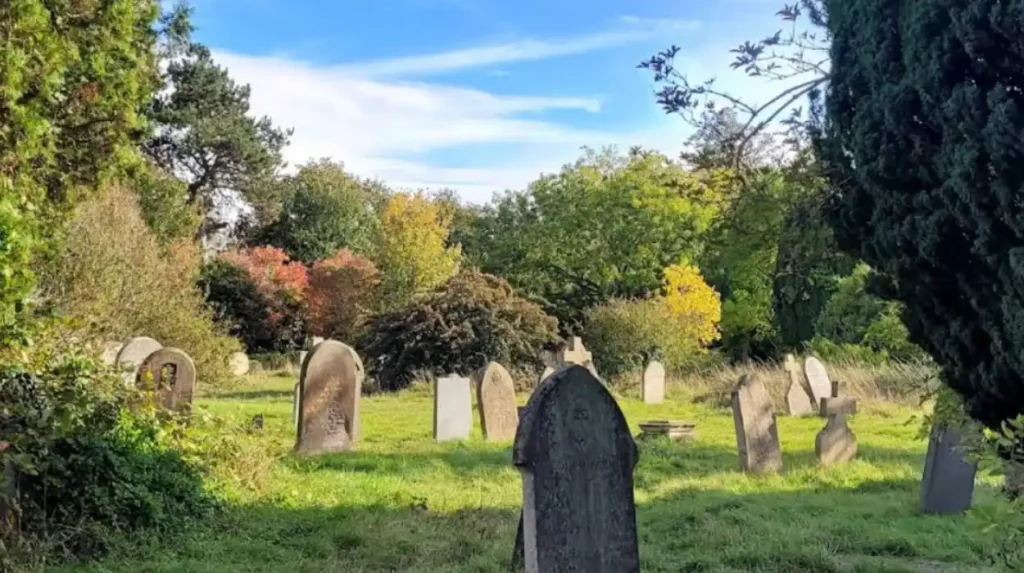
The preservation of independent commerce on Mill Road provides a critical buffer against urban homogenization trends. Local community associations organize regular cultural festivals and market events to highlight neighborhood diversity and heritage assets. This commercial resilience demonstrates how local micro economies can thrive independently from centralized institutional financial models. The area also hosts unique community structures, including the expansive Mill Road Cemetery, which serves as a historical green space. This public cemetery contains graves of notable nineteenth century citizens, offering a quiet reflective zone off the main road. The intersection of active commerce and historic preservation defines the unique identity of this urban neighborhood.
What architectural and literary secrets are located inside the university colleges?
University colleges contain restricted historic repositories such as the Wren Library at Trinity College which holds original medieval manuscripts. These locations feature structural anomalies including Newton’s Apple Tree and the Mathematical Bridge which demonstrate advanced engineering history.
Why does the Wren Library remain an elite historic repository?
The Wren Library, designed by architect Christopher Wren in 1676, stands as a premier example of seventeenth century architecture. The repository preserves thousands of rare items, including Isaac Newton’s personal copy of the Philosophiae Naturalis Principia Mathematica. Visitors can view historical artifacts, such as the eighth century Epistolae of Venerable Bede and original Winnie the Pooh manuscripts. Access is restricted to specific public hours to ensure the preservation of these delicate organic materials. This library illustrates the intersection of classical structural design and global literary preservation.
The structural engineering of the library incorporates a raised floor design to protect valuable books from ground moisture. Large elongated windows maximize the penetration of natural north south light across the reading desks. The interior space features marble busts sculpted by Louis Francois Roubiliac, depicting notable historical figures of Trinity College. These artistic features reinforce the elite intellectual history associated with the advancement of European scientific thought. Scholars from global institutions utilize the library to examine unique historical records under strict archival conditions. This continuous academic function confirms the position of the library as a critical node in global intellectual history.
What engineering principles govern the Mathematical Bridge?
Beyond literary archives, the colleges feature physical structures that represent important breakthroughs in scientific and engineering fields. The Mathematical Bridge at Queens’ College presents a complex radial stepping design constructed entirely from straight timber timbers. Local legends falsely claim that Isaac Newton designed the bridge without using any metal fasteners or bolts. Nearby landmarks connect directly to the broader municipal landscape, reinforcing the extensive history of the region. This regional development aligns with the documented history of the area, which includes an 800-year heritage that shapes modern urban expansion. The expansion of academic media is further evidenced by institutional assets, such as the Cambridge University Press City facility, which highlights the global distribution of educational texts.
The bridge was actually designed by William Etheridge and constructed by James Essex in 1749. The structural mechanism utilizes tangent and radial truss arrangements to create an arched form using short timber beams. This engineering technique distributes compression forces efficiently across the support timbers without requiring curved structural members. The bridge underwent complete reconstructions in 1866 and 1905, utilizing identical structural dimensions but replacing decaying wood elements. This engineering asset provides a practical demonstration of eighteenth century structural mathematics applied to civic infrastructure needs. The bridge remains a primary point of interest for engineering students analyzing traditional timber joinery methods.
How do environmental sanctuaries provide alternative recreational routes in Cambridge?
Environmental sanctuaries offer alternative routes through protected wetlands, chalk pits, and ancient meadows that bypass congested municipal areas. Locations such as the Paradise Nature Reserve and Grantchester Meadows preserve localized biodiversity and sustain historical footpaths along the River Cam.
What ecological assets exist within the Paradise Nature Reserve?
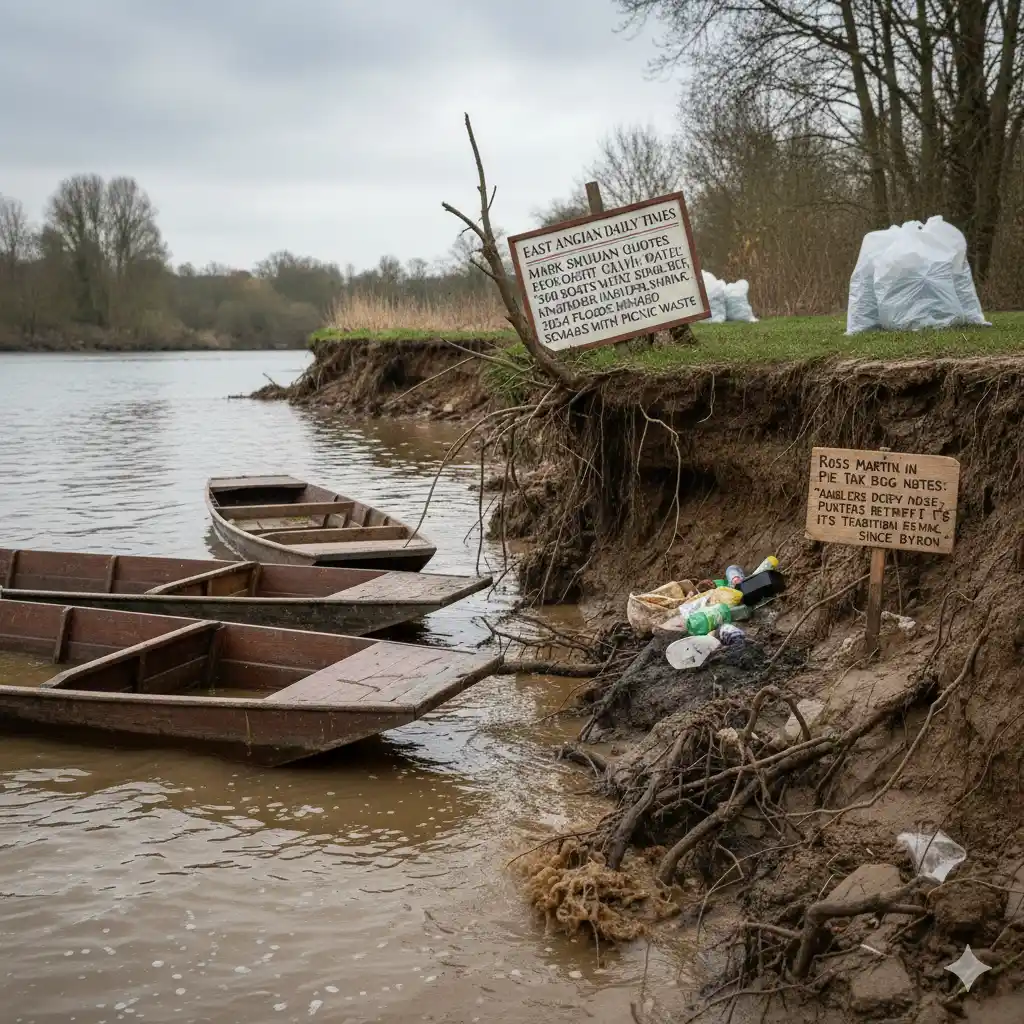
The local landscape contains multiple environmental sanctuaries that provide ecological benefits and alternative transit paths for residents. Paradise Nature Reserve consists of a unique woodland marsh located along the western banks of the River Cam. This reserve features specific botanical specimens, such as mature willow trees, marsh marigolds, and rare wild orchids. Wildlife monitoring records indicate the consistent presence of various fauna, including kingfishers, noctule bats, and dynamic insect populations. Visitors access this area via wooden boardwalks designed to minimize human impact on the fragile topsoil layers. This geographic asset serves as a living laboratory for environmental scientists monitoring urban biodiversity patterns.
The management of the nature reserve involves continuous habitat restoration efforts overseen by the local municipal council. These conservation teams execute three primary land tasks, such as removing invasive plant species, maintaining boardwalk infrastructure, and monitoring water quality levels. The proximity of the marsh to the urban core creates an essential wildlife corridor supporting seasonal migrations. Urban planning data highlights the importance of maintaining these isolated green spaces to counteract urban heat island effects. By preserving the wetland ecosystem, the city ensures the survival of specialized organisms within a developing metropolis. The reserve demonstrates that sensitive environmental assets can coexist with dense municipal populations when properly managed.
How do Grantchester Meadows maintain cultural and environmental sustainability?
Further south, the historical path known as Grantchester Meadows spans across expansive alluvial floodplains adjacent to the river. This trail connects the urban center to the village of Grantchester, covering a distance of approximately two miles. The route contains three notable historical rest points, such as the Orchard Tea Garden, St Andrew’s Church, and the historic Byron’s Pool. Municipal authorities regulate these spaces to prevent environmental degradation resulting from seasonal tourist surges. This environmental management approach corresponds with municipal adjustments, such as temporary Cambridge roads closures designed to facilitate safer pedestrian access during major public events. These green pathways ensure the long term sustainability of the local ecosystem while supporting low impact public recreation.
The preservation of the floodplains prevents regional downstream flooding by absorbing excess river water during high rainfall events. Agricultural practices across the meadows adhere to traditional low intensity grazing methods to maintain native grassland species. This environmental approach prevents the soil compaction and nutrient runoff associated with industrialized farming operations. The cultural legacy of the meadows includes connections to prominent twentieth century intellectual groups, such as the Bloomsbury Group. Today, the space remains a protected public asset under regional conservation frameworks that prohibit commercial property development. This legal protection guarantees that the open landscape will continue to function as a public ecological resource.
FAQs About Hidden Gems in Cambridge
How can visitors access the hidden gems located inside private Cambridge colleges?
Public access to restricted collegiate sites requires checking the specific visiting hours established by individual college administrations. Certain locations charge a nominal entry fee for non university members, while others offer free admission during off peak morning periods. Pre booking online is mandatory for specialized repositories such as the Wren Library to manage archival capacities.
Is pre-booking required to tour the David Parr House?
Yes, advance online ticket booking is mandatory for all visitors because the historical property only permits entry through timed guided tours. The internal rooms are highly constrained in size, limiting group capacities to a maximum of six individuals per session. This entry restriction protects the sensitive distemper paintwork from humidity spikes caused by heavy foot traffic.
What is the best way to explore the Dinky Doors art installations across the city?
The most efficient method to locate these miniature street art objects is by following the official interactive map provided by the local artists. These installations are positioned on everyday urban objects, including public walls, post boxes, and window ledges near major thoroughfares. A walking tour dedicated to tracking these micro sculptures requires approximately two hours to complete.
Are the nature reserves and meadows in Cambridge free to enter for the public?
All major environmental sanctuaries, including the Paradise Nature Reserve and Grantchester Meadows, are fully open to the public without any admission charges. Visitors must remain on designated wooden boardwalks or marked footpaths to prevent topsoil erosion and protect the surrounding marshland habitats. These green spaces are open during daylight hours throughout the entire calendar year.