
The city of Cambridge provides extensive opportunities for zero-cost cultural enrichment, historical exploration, and outdoor recreation. Visitors and residents can access world-class university museums, historical architecture, and expansive public commons without financial expenditure. Understanding the structural layout of the city and the specific access policies of its institutions allows individuals to maximize their weekend itineraries efficiently. This comprehensive guide outlines the verifiable factual locations, schedules, and entry requirements for budget-friendly activities.
- Which University Museums Offer Free Admission in Cambridge?
- How Can Visitors Access Historic University Architecture for Free?
- What Are the Best Free Walking Routes and Parks in Cambridge?
- Where Can People Watch Punting and River Activities for Free?
- What Free Public Art and Cultural Exhibitions Are Available?
- FAQs About Free Things to Do in Cambridge
- How do I check if Cambridge college grounds are closed to the public?
- Are the free museums in Cambridge suitable for young children?
- Where can I park for free when visiting Cambridge at the weekend?
- Can you walk through the Cambridge colleges at night for free?
- Is there any free live music or entertainment in Cambridge on weekends?
Which University Museums Offer Free Admission in Cambridge?
The University of Cambridge operates a network of major research and collections museums that maintain completely free public admission policies throughout the year. The Fitzwilliam Museum, located on Trumpington Street, serves as the principal art and antiquities museum of the university, housing over half a million artworks and historical artifacts. Visitors can explore collections spanning ancient Egyptian antiquities, Renaissance masterpieces, and modern artistic movements without purchasing an entry ticket. Advance booking is recommended on weekends to secure entry slots during peak operational hours from Tuesday through Sunday.
The Museum of Archaeology and Anthropology on Downing Street displays extensive global ethnographic collections and archaeological findings that trace human history across two million years. The Sedgwick Museum of Earth Sciences, also located within the Downing Site, presents millions of geological specimens including fossilized dinosaur remains and historical collections compiled by Charles Darwin. The Whipple Museum of the History of Science features historical scientific instruments, globes, and microscopes from the seventeenth to the twentieth centuries. The Museum of Classical Archaeology completes this academic cluster by displaying four hundred and fifty lifelike plaster casts of ancient Greek and Roman sculptures.
The Kettle’s Yard gallery, situated on Castle Street, combines a distinctive twentieth-century modernist art collection within a residential house setting alongside a contemporary exhibition space. The museum was originally the home of Jim Ede and Helen Ede, who curated an extensive collection of works by artists such as Ben Nicholson and Barbara Hepworth. Public access to the main house and the modern gallery wing remains completely free of charge. These institutions collectively provide a deep academic resource and a major indoor weekend activity for visitors tracking historical and scientific developments.
How Can Visitors Access Historic University Architecture for Free?
The University of Cambridge consists of thirty-one autonomous colleges, many of which permit free public access to their historic grounds, courtyards, and chapels during designated weekend hours. While prominent institutions like King’s College charge admission fees for their main chapels, several historically significant colleges offer zero-cost entry to their external spaces. Downing College, founded in 1800, features a distinctive neoclassical architectural layout designed by William Wilkins that visitors can explore freely. Selwyn College and Robinson College, located on Grange Road, maintain open access to their landscaped gardens and modern brick chapels.
Pembroke College, established in 1347 on Trumpington Street, allows visitors to view its historic Old Court and the first completed architectural work of Sir Christopher Wren, the Pembroke College Chapel. Emmanuel College, located on St Andrew’s Street, provides public weekend access to its expansive green grounds, duck ponds, and a chapel also designed by Christopher Wren in 1677. Fitzwilliam College and Churchill College, situated in the northern sector of the city, present examples of brutalist and modernist mid-century British architecture. Visitors must respect the quiet study periods of the students and check college porter notices at the main gates before entering the premises.
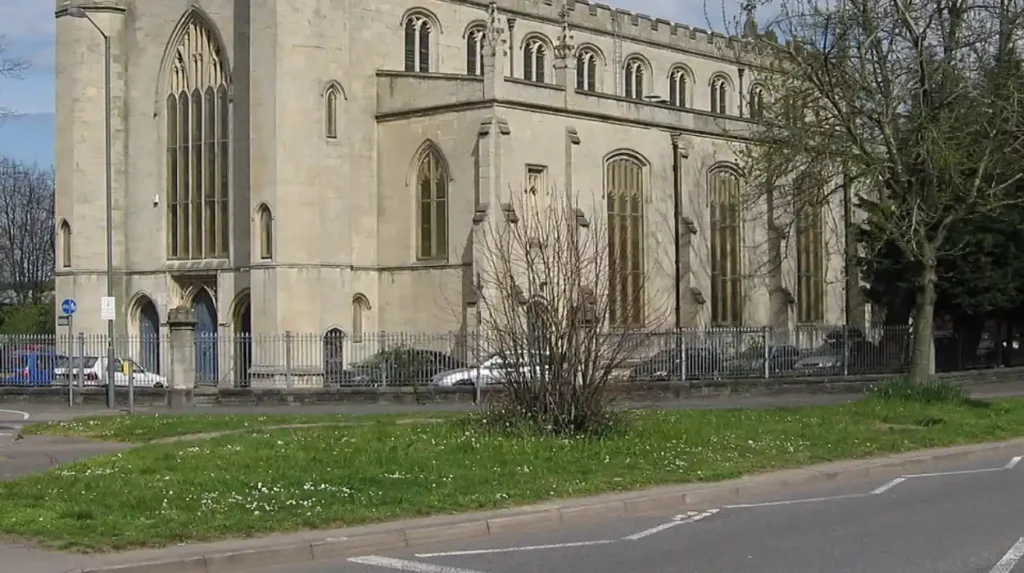
The external facades of the most famous colleges can be viewed clearly from public highways and pedestrian pathways without entering university property. The iconic front court of King’s College and the imposing gatehouse of St John’s College are fully visible from the King’s Parade and Trinity Street thoroughfares. The Great Gate of Trinity College, constructed in 1535, features the statue of founder King Henry VIII holding a chair leg instead of a traditional scepter. Walking these public streets provides a comprehensive architectural overview of medieval, renaissance, and modern design movements within the city.
What Are the Best Free Walking Routes and Parks in Cambridge?
Cambridge features vast networks of public commons, parklands, and riverside paths that provide exceptional walking routes without requiring any commercial tickets or permits. The Backs represents the celebrated scenic area where the grounds of several prominent colleges meet the banks of the River Cam. A public pedestrian path runs parallel to the river from Queen’s Road, providing clear views of the Kings College Chapel, the Trinity College library, and the distinctive wooden Mathematical Bridge. This walking route delivers the classic visual experience of the university infrastructure without the associated cost of punting tours.
The Cambridge University Botanic Garden charges an entry fee, but the city council maintains several public parks of historical significance completely free of charge. Parker’s Piece, a twenty-five-acre flat common in the center of the city, is recognized globally as the birthplace of modern football rules formulated there in 1848. Midsummer Common sits further north along the River Cam and serves as a historic grazing site for local cattle while hosting community events. Jesus Green runs adjacent to Midsummer Common, offering shaded avenues of plane trees, public barbecues, and free access to outdoor tennis courts.
The River Cam towpath extends northeast from the city center toward the village of Chesterton and the Cambridge North infrastructure hub, providing long-distance walking options. This pathway allows walkers to observe local rowing clubs conducting training sessions on the water during early morning weekend hours. The route passes by historic locks and traditional pubs, showcasing the industrial and recreational heritage of the regional fenland waterways. Walking these paths highlights the geographic integration of the natural river ecosystem with the dense urban core of the historic market town.
Where Can People Watch Punting and River Activities for Free?
Punting represents the traditional method of boating on the shallow waters of the River Cam utilizing a long aluminum or wooden pole to propel a flat-bottomed craft. While renting a private punt or booking a chauffeured commercial tour involves financial costs, watching the river traffic is entirely free from public vantage points. The Silver Street Bridge offers an optimal viewing location to watch novice punters navigate the river currents near the Queens College Mathematical Bridge. This structural bottleneck frequently creates engaging river congestion that spectators can observe from the pedestrian pavements above.
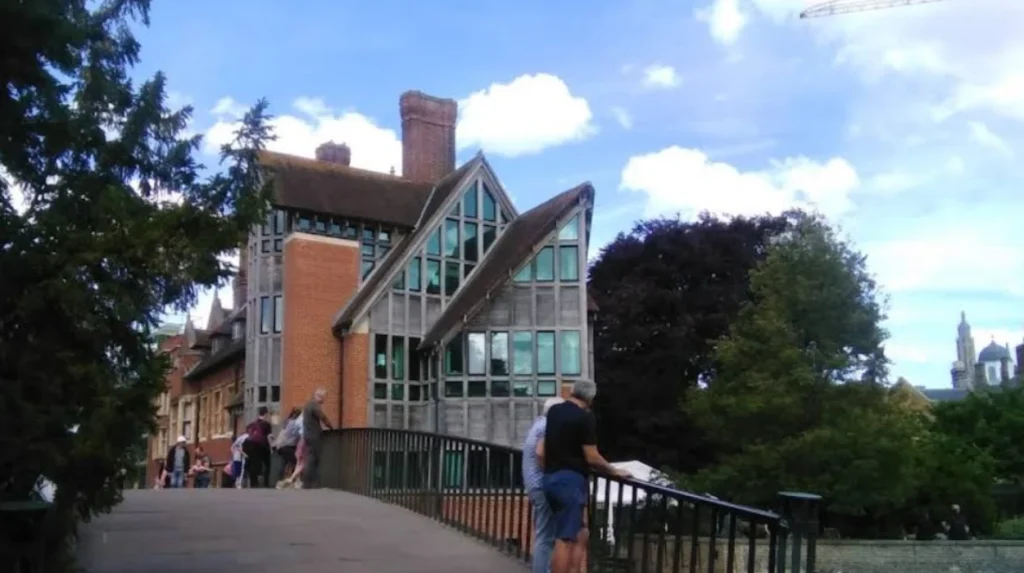
The Garret Hostel Bridge, a stylized concrete arch bridge designed by Timothy Eden in 1960, provides another exceptional public viewing platform located between Trinity College and Trinity Hall. This pedestrian and bicycle bridge overlooks the busiest stretch of the river, where commercial tours and private boaters converge throughout the weekend. Spectators can capture photographic views of the classical bridge structures, including the historic stone arches of the Clare College Bridge built in 1640. Sitting along the grassy public banks at the Mill Pond common allows individuals to relax while watching boats launch and turn.
Further downstream, the Sheep’s Green and Coe Fen nature reserves offer a more tranquil riverside environment south of the city center. These protected floodplains feature historic footbridges, cattle grazing fields, and natural chalk stream channels that feed into the main river axis. Visitors can walk the elevated boardwalks to observe local wildlife, including kingfishers, grey herons, and water voles. Watching the river infrastructure function from these natural banks highlights how water management shaped the early economic development of the county.
What Free Public Art and Cultural Exhibitions Are Available?
The visual arts ecosystem in Cambridge extends beyond traditional university institutions to encompass public art installations and community-led galleries that require no entry fees. The Changing Spaces initiative utilizes vacant retail properties within the urban center to host temporary contemporary art exhibitions and pop-up creative workshops. The Ruskin Gallery, operated by Anglia Ruskin University on East Road, features regular public exhibitions showcasing digital media, fine art, and illustration works by international practitioners. These rotating galleries ensure that weekend visitors can access diverse artistic perspectives without financial barriers.
Public sculpture installations are integrated across the architectural fabric of the city and can be experienced during a casual self-guided walking tour. The Corpus Clock, unveiled in 2008 by physicist Stephen Hawking at the corner of Bene’t Street and Trumpington Street, represents a major public art attraction. This large, gold-plated mechanical clock features a terrifying insect sculpture known as the Chronophage, or time-eater, which physically devours each passing minute. The intricate mechanism operates entirely in public view, attracting large crowds of spectators who observe its unique chronological irregularities.
The University of Cambridge West Cambridge Site houses several modern architectural landmarks and outdoor sculptures created by acclaimed artists like Henry Moore and Barbara Hepworth. Pedestrian access to these open-air plazas is unrestricted, allowing art enthusiasts to examine large-scale abstract works in an uncrowded academic environment. The combination of historical university architecture, modern urban installations, and rotating community galleries provides a rich tapestry of visual culture. Exploring these varied sites allows individuals to analyze the evolution of British sculptural and structural design across multiple decades.
Related Article: Discover hidden architectural wonders and secluded courtyard spaces by reading our full guide to the most extraordinary hidden gems in Cambridge.
Read More: Planning a budget trip to the city? Explore our comprehensive breakdown of what to do in Cambridge for budget travelers to maximize your travel itinerary.
FAQs About Free Things to Do in Cambridge
How do I check if Cambridge college grounds are closed to the public?
College authorities regularly post real-time access updates on their official university websites and at the main porter lodges. Grounds often close during university examination periods between May and June, as well as during private graduation ceremonies and formal college events. Checking the University of Cambridge public access directory before traveling ensures visitors avoid unexpected gate closures on weekends.
Are the free museums in Cambridge suitable for young children?
The Sedgwick Museum of Earth Sciences and the Museum of Archaeology and Anthropology offer highly interactive displays, including dinosaur fossils and ethnographic masks. Most city museums provide free educational trail sheets and activity packs designed specifically to engage primary school children during weekend visits. Baby changing facilities and accessible ramps are standard across these main university buildings.
Where can I park for free when visiting Cambridge at the weekend?
Free parking within the central historic core of Cambridge is extremely limited due to strict residential zoning laws and traffic reduction initiatives. Some public roads outside the primary electronic enforcement zone, such as near Chesterton or the southern suburbs, offer unrestricted weekend parking. Utilizing the strategic park-and-ride bus infrastructure remains the most efficient budget method to access the city center.
Can you walk through the Cambridge colleges at night for free?
The majority of Cambridge colleges close their main historical gates to the general public between 17:00 and 19:00 hours for safety and student privacy. After these hours, access is strictly restricted to university cardholders, residents, and guests attending official evening events. Public roads and paths like The Backs remain open continuously for nighttime viewing of the illuminated external facades.
Is there any free live music or entertainment in Cambridge on weekends?
Local market squares, public commons, and community pubs frequently host free live acoustic performances, street theater, and weekend busking festivals. The annual Blues and Beer festival events and the Summer Reads programs often feature zero-cost outdoor performances on Jesus Green and Parker’s Piece. Checking local council community notice boards reveals specific timing schedules for these public cultural events.