
Traveling to historical cities often incurs high costs due to admission fees and guided tours. The city of Cambridge in Cambridgeshire, England, contains a wealth of architectural, academic, and natural attractions that require zero financial expenditure. Visitors can access world class university museums, expansive common lands, and historic riverside trails completely free of charge. Understanding how to navigate these free resources allows budget conscious travelers, families, and students to experience the full cultural depth of this historic subregion without financial strain. This comprehensive guide outlines the top free attractions, structural layouts, and historical backgrounds of the public assets available across Cambridge.
- Which Free Museums in Cambridge Offer the Best Historical and Cultural Exhibits?
- What Are the Best Free Parks and Open Commons to Visit in Cambridge?
- How Can Travelers Explore the River Cam and Countryside via Hidden Walking Trails?
- Which University of Cambridge Colleges Offer Free Public Admission?
- FAQs About Best Free Things to Do in Cambridge for Budget
- Can you walk along The Backs in Cambridge for free?
- Which Cambridge museums do not charge an admission fee?
- Is it possible to visit Cambridge University colleges without paying?
- How long is the free walking trail from Cambridge to Grantchester Meadows?
- Where can you see cows grazing for free in Cambridge?
Which Free Museums in Cambridge Offer the Best Historical and Cultural Exhibits?
Free museums in Cambridge provide public access to millions of global artifacts, scientific specimens, and artistic masterpieces funded by the University of Cambridge and national grants. These institutions eliminate admission fees to promote public education, academic research, and cultural preservation across the region.
The Fitzwilliam Museum, founded in the year 1816, serves as the principal art and archaeology museum of the University of Cambridge. Located on Trumpington Street, this institution houses an expansive collection of antiquities from ancient Egypt, Greece, and Rome. Visitors can view masterworks by artists such as Rembrandt van Rijn, Claude Monet, and Pablo Picasso without purchasing a ticket. The structural layout consists of grand neoclassical galleries that display European pottery, historic armor, and rare illuminated manuscripts.
Almas Dedanwala
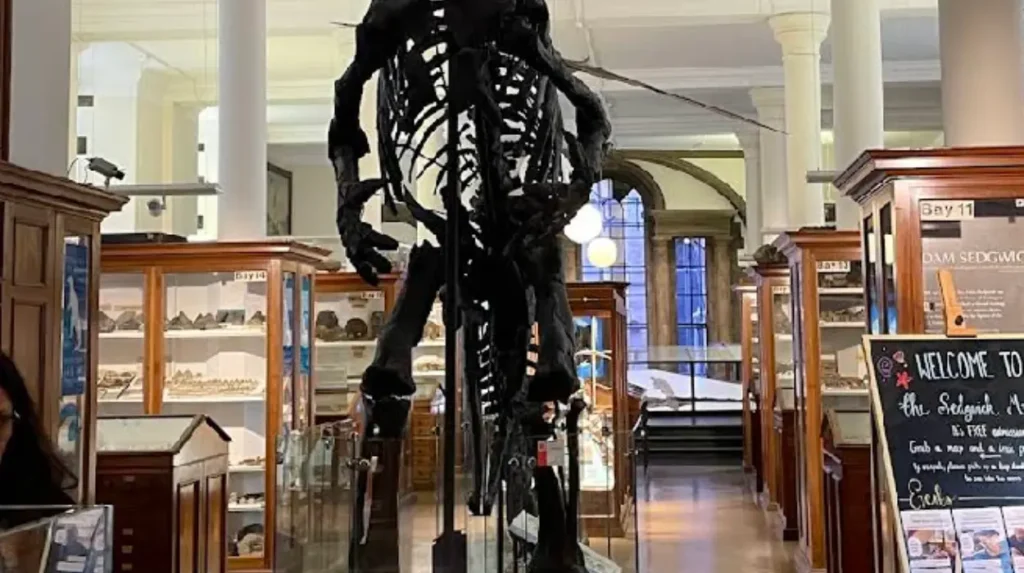
The Sedgwick Museum of Earth Sciences, established in the year 1904 on Downing Street, stands as the oldest of the university museums. It holds at least 2 million geological specimens, including fossils collected by the naturalist Charles Darwin during his voyage on the HMS Beagle. The interior features historic oak display cases filled with dinosaur skeletons, marine reptiles, and mineral collections. This venue serves as a major educational center for structural geology and prehistoric paleontology.
The University Museum of Zoology, situated on Downing Street, offers a comprehensive look at biological diversity and evolutionary history. Reopened in the year 2018 after a multi million pound redevelopment, the museum displays a 21 meter long fin whale skeleton suspended at its entrance. Its internal galleries showcase specimens ranging from extinct birds like the dodo to marsupials collected during early scientific expeditions.
The Whipple Museum of the History of Science, founded in the year 1944, preserves an extensive collection of scientific instruments dating from the middle ages to the present day. Located within the Old Little Laboratory on Free School Lane, the exhibits include antique microscopes, astrolabes, and early computing devices. This repository illustrates the evolution of empirical research and mechanical innovation over the centuries.
What Are the Best Free Parks and Open Commons to Visit in Cambridge?
Free parks and green commons in Cambridge form the ecological backbone of the urban landscape, offering open public spaces for recreation, conservation, and community events. These parcels of land have remained free from private development for centuries due to historic common grazing rights and municipal protections.
Jesus Green, situated north of the historic city center, serves as a premier parkland bordered by the River Cam. The park features a linear avenue of mature horse chestnut trees planted in the late nineteenth century. It contains open grass lawns, a free outdoor table tennis area, and pathways utilized by pedestrians and cyclists. During the summer season, the space functions as a venue for community brass band concerts and local picnics.
Midsummer Common, located adjacent to Jesus Green, possesses a rich history dating back to the twelfth century as a site for historic fairs and livestock grazing. Red Hereford cattle still graze on this common land during the spring and summer months under ancient agricultural rights. The common hosts major annual community events, including the Cambridge Bonfire Night fireworks display and various free cultural festivals. The open landscape provides an unobstructed view of traditional boathouses belonging to the university colleges across the river.
Parker’s Piece, a 25 acre flat common land in the center of Cambridge, holds a significant position in modern sporting history. In the year 1848, students from the university formulated the Cambridge Rules on this field, which established the foundational rules of modern association football. The park is intersected by diagonal walking paths, with a historic cast iron lamp post known as Reality Checkpoint standing at the central junction. It remains a popular location for amateur cricket, football matches, and casual outdoor relaxation.
The Backs, a scenic area where the grounds of several prominent university colleges meet the River Cam, provides iconic views of historic architecture framed by manicured lawns and wildflower meadows. While entering the individual college buildings often requires a paid ticket, walking along the public pathways of The Backs costs nothing. Visitors can view the gothic architecture of King’s College Chapel and the historic design of the Mathematical Bridge from public vantage points along Queen’s Road.
How Can Travelers Explore the River Cam and Countryside via Hidden Walking Trails?
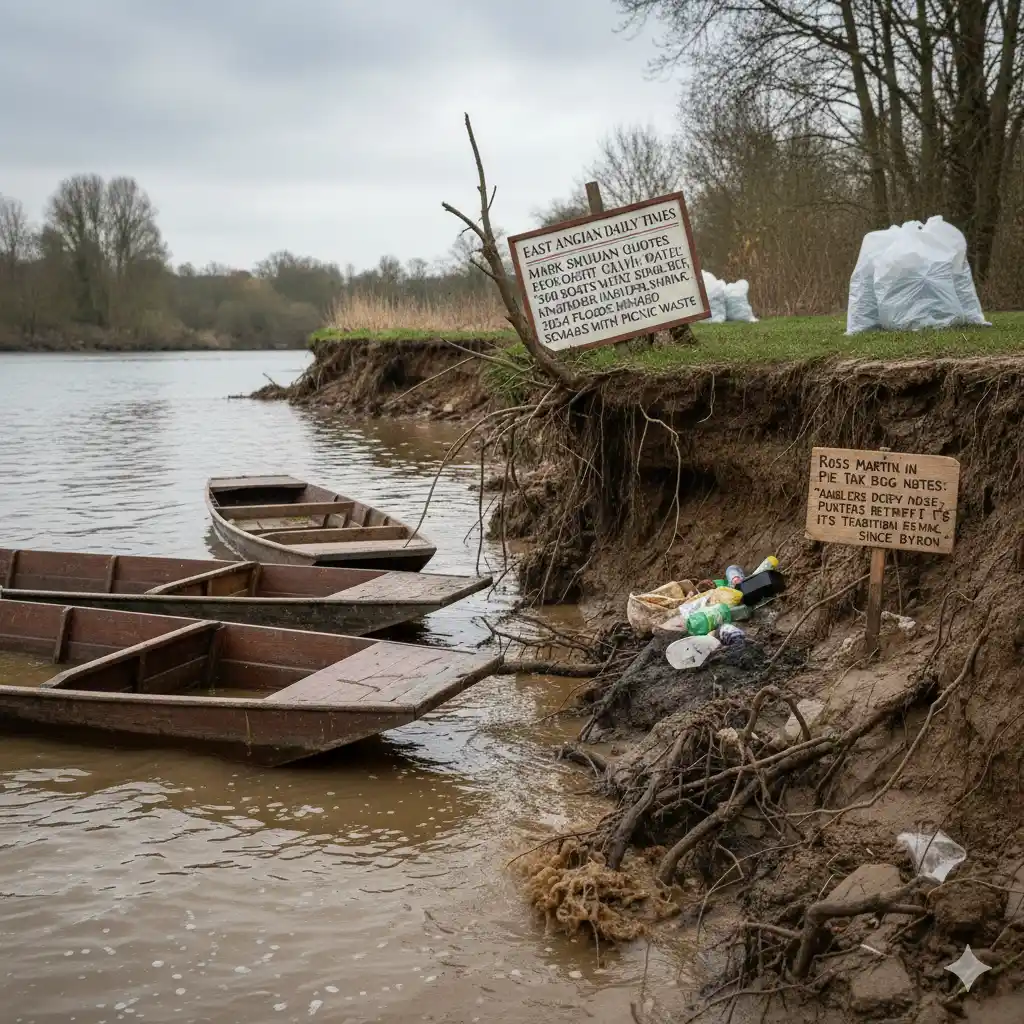
Hidden walking trails along the River Cam and into the surrounding Cambridgeshire countryside allow travelers to experience the natural geography of the region without spending money. These public rights of way follow historical towpaths, agricultural lanes, and meadows that connect urban spaces to rural villages.
The Grantchester Meadows trail offers a historic walking route extending from the southwest boundary of Cambridge to the village of Grantchester. This footpath spans approximately 2.5 miles along the winding path of the River Cam. The trail passes through open floodplains, ancient willow trees, and grazing pastures frequented by local livestock. This route became famous during the early twentieth century as a walking destination for intellectual figures such as the poet Rupert Brooke and the economist John Maynard Keynes.
The Fen Rivers Way is a long distance walking trail that initiates in Cambridge and follows the River Cam northward toward the Great Ouse river system. The initial sections of this trail lead walkers out of the city through the historic village of Chesterton and past the automated locks at Baits Bite Lock. The trail provides an opportunity to observe local wildlife, including grey herons, kingfishers, and various waterfowl species. The path remains flat, level, and accessible for walkers of all fitness levels throughout the calendar year.
The Cambridge to Ely river walk utilizes a well marked section of the towpath that stretches approximately 16 miles along the watercourse. While completing the entire distance requires a full day of trekking, hikers can explore shorter sections between Cambridge and the nearby villages of Waterbeach or Horningsea. The trail runs parallel to active railway lines and agricultural fields, demonstrating the integration of transport infrastructure and rural land management.
The Stourbridge Common trail covers an area of historic marshland situated in the northeastern sector of the city. Designated as a Local Nature Reserve, this common land features walking paths that run alongside deep drainage ditches and river banks. The area supports unique wetland vegetation and serves as a nesting ground for migratory bird populations. Information boards placed along the pathways explain the ecological management practices used to preserve this urban nature reserve.
Which University of Cambridge Colleges Offer Free Public Admission?
Certain University of Cambridge colleges maintain a policy of free public admission, allowing visitors to examine historic medieval court layouts, chapels, and dining halls without paying an entry fee. While high profile colleges charge entry fees to manage high tourist volume, these alternative colleges provide an authentic look at academic architecture completely free of charge.
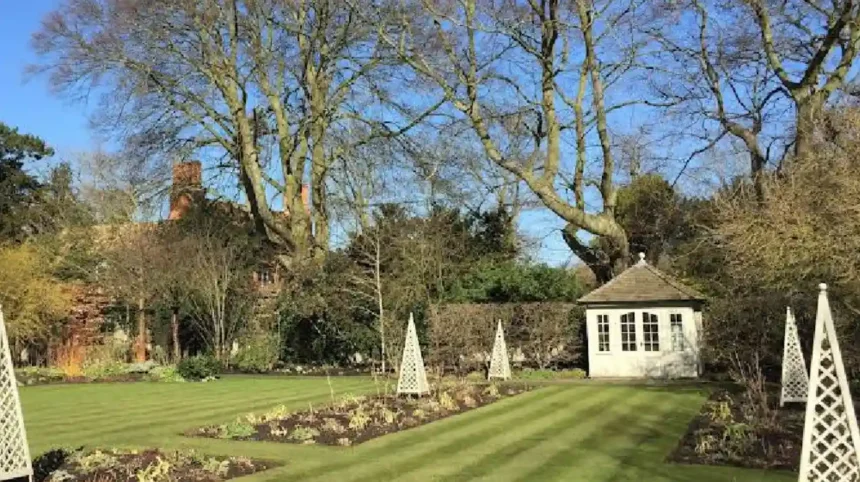
Pembroke College, founded in the year 1347 by Marie de St Pol, the Countess of Pembroke, welcomes visitors to its grounds on Trumpington Street without any admission charges. The college contains the first completed church building designed by the famous architect Sir Christopher Wren, erected in the year 1665. Visitors can walk through the Old Court to view medieval brickwork and the manicured central grass lawns. The historic gardens at the rear of the property feature mature trees and a traditional bowling green.
Downing College, established in the year 1800 through the legacy of Sir George Downing, features a unique neoclassical architectural layout that differs from the medieval courts of older colleges. The buildings are arranged around a vast, open sunken lawn designed by the architect William Wilkins. The campus is open to the public daily, allowing visitors to appreciate the Greek Revival style columns and ketton stone facades. The campus also houses the Heong Gallery, a modern public exhibition space that offers free entry to rotating contemporary art exhibitions.
Selwyn College, located on Grange Road near the university arts faculties, allows free access to its Victorian Tudor Gothic brick buildings completed in the year 1882. The Main Court features an impressive dining hall, ornate wood carvings, and a grand chapel with detailed stained glass windows. The grounds include extensive gardens that display rare plant species and quiet walking paths open to the public.
Churchill College, situated on Storey’s Way, offers a stark architectural contrast with its modernist brutalist design constructed in the year 1960 as a national memorial to Sir Winston Churchill. The sprawling 42 acre campus serves as an open air museum containing large scale sculptures by renowned artists such as Henry Moore and Barbara Hepworth. The college grounds are completely free to enter, providing a distinct perspective on post war British architecture and academic campus planning.
FAQs About Best Free Things to Do in Cambridge for Budget
Can you walk along The Backs in Cambridge for free?
Yes, walking along the public pathways of Queen’s Road provides completely free views of The Backs. Public footpaths run parallel to the River Cam, allowing visitors to view King’s College Chapel and the Mathematical Bridge without paying college entry fees.
Which Cambridge museums do not charge an admission fee?
The Fitzwilliam Museum, the Sedgwick Museum of Earth Sciences, the University Museum of Zoology, and the Whipple Museum of the History of Science offer free admission. These institutions are funded by the university and national grants to ensure public access.
Is it possible to visit Cambridge University colleges without paying?
Yes, multiple historic colleges including Pembroke College, Downing College, Selwyn College, and Churchill College offer free public admission. Visitors can explore their historic courts, chapels, and open grounds during standard daytime hours without tickets.
How long is the free walking trail from Cambridge to Grantchester Meadows?
The walking trail across Grantchester Meadows is approximately 2.5 miles long from the southwest edge of the city to Grantchester village. The flat footpath follows the River Cam and takes about 45 to 60 minutes to complete at a standard walking pace.
Where can you see cows grazing for free in Cambridge?
Cows graze freely on Midsummer Common and Stourbridge Common during the spring and summer months under ancient common grazing rights. These open public spaces are fully accessible to the public at any time without any entry charges.