

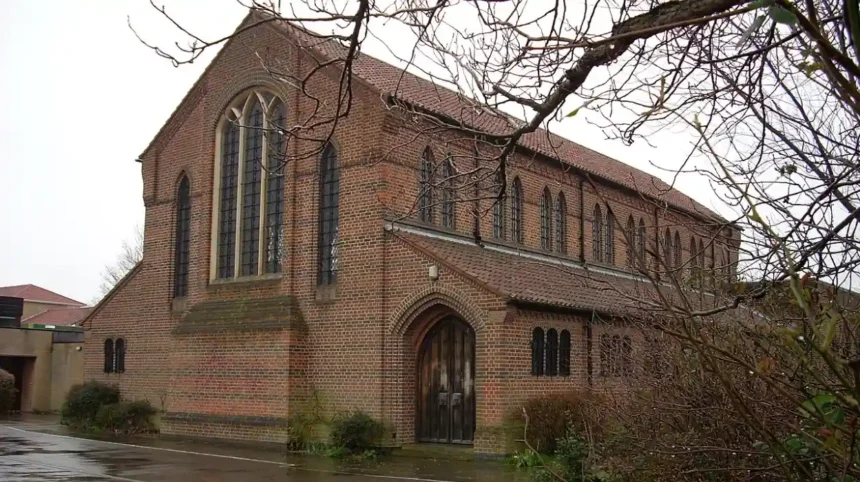
Affordable housing in Arbury comprises social rented properties managed by Cambridge City Council and housing associations. These units serve low-income residents who meet specific eligibility criteria. Recent regeneration efforts aim to increase the density and quality of these housing stocks. Arbury is a residential district located in the northern part of Cambridge, England. The area was primarily developed in the 1950s and 1960s to address post-war housing shortages. Today, it remains one of the few areas in Cambridge with a high concentration of social housing.
- How does the history of Arbury influence its modern housing market?
- What are the primary goals of the Aylesborough Close regeneration project?
- Is regeneration causing gentrification and displacement in the Arbury area?
- What mechanisms ensure that new housing in Arbury remains truly affordable?
- How do environmental standards impact the cost of living for Arbury residents?
- What role does community engagement play in the Arbury redevelopment process?
- What are the future projections for affordable housing availability in Arbury?
- Who is eligible for affordable housing in Arbury?
- How much does social rent cost in Arbury compared to market rates?
- Does the Right to Buy apply to new regeneration projects in Arbury?
- What is the impact of the Aylesborough Close redevelopment on current tenants?
- How does the Cambridge City Council fund these affordable housing projects?
The local government defines affordable housing as social rent, affordable rent, and intermediate housing. Social rent is typically set at about 50 per cent of local market rates. This makes it essential for the 2,500 households currently on the city’s housing register. Regeneration projects like Aylesborough Close are replacing ageing structures with modern, energy-efficient units. These new builds adhere to the Cambridge Sustainable Housing Design Guide. The goal is to reduce fuel poverty while maintaining the total number of available social units. However, the demand for these properties continues to outpace the rate of new construction.
How does the history of Arbury influence its modern housing market?
The history of Arbury as a planned council estate established a foundation for high-density social housing. Originally built on former farmland, the estate provided homes for workers in the mid-20th century. This history dictates the current focus on redevelopment. The Arbury estate was designed as a self-contained community with schools, shops, and community centres. It was a response to the overcrowding in central Cambridge during the 1950s. The architecture predominantly featured brick terraces and low-rise flats common in the modernist era. Over the decades, the Right to Buy scheme introduced private ownership into the estate.
This changed the tenure balance from 100 per cent social housing to a mixed-tenure environment. By the 1980s, private landlords began purchasing former council homes to enter the buy-to-let market. This transition reduced the total stock of council-managed properties available to local families. Modern regeneration seeks to reverse this trend by building on council-owned land. These projects often face the challenge of balancing historic density with modern living standards. Current planners must integrate new high-spec builds within the existing fabric of the older neighbourhood.
What are the primary goals of the Aylesborough Close regeneration project?
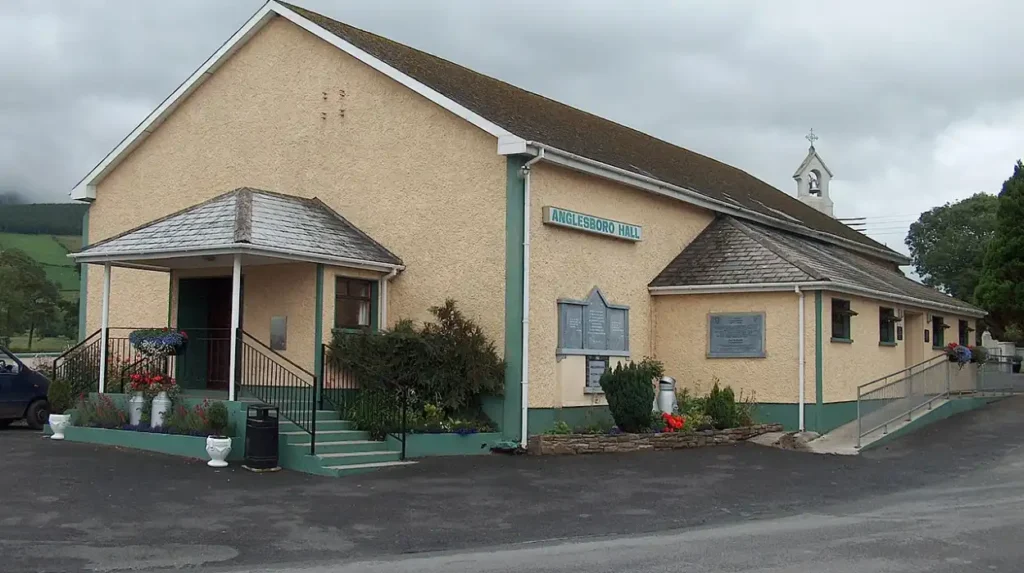
The Aylesborough Close project aims to replace 36 ageing studio flats with 70 high-quality, sustainable council homes. This development focuses on increasing the volume of social housing while achieving net-zero carbon status for all new residential units. Aylesborough Close serves as a flagship for modern regeneration in the Arbury and Kings Hedges area. The project is managed by the Cambridge Investment Partnership, a collaboration between the council and Hill Group. The primary objective is to maximize the use of council land to house more residents.
By doubling the number of units, the council addresses the local housing shortage directly. The new units include a mix of one, two, and three-bedroom flats to accommodate various family sizes. Sustainable features such as air-source heat pumps and high-performance insulation are standard components. These features help residents save on utility bills, which is a core part of the affordability mandate. The project also improves the public realm by adding landscaped green spaces and better pedestrian links. Such improvements are intended to enhance the overall well-being of the surrounding Arbury community.
Is regeneration causing gentrification and displacement in the Arbury area?
Regeneration in Arbury raises concerns regarding gentrification as property values increase following neighborhood improvements. While the council prioritizes re-housing existing tenants in new builds, the rising cost of nearby private rentals may pressure lower-income residents to leave. Gentrification occurs when the character of a poor urban area is changed by wealthier people moving in. In Arbury, the introduction of high-specification sustainable homes can attract higher-income earners to the private units within mixed-tenure sites. This shift often leads to an increase in local service costs and private land values. Data suggests that private rents in Cambridge have risen by 15 percent over the last three years.
This makes the surrounding private market inaccessible for those not in social housing. The council mitigates displacement by offering a local connection policy for new social housing allocations. This policy ensures that people with existing ties to Arbury receive priority for new units. Despite these protections, the loss of older, cheaper private stock remains a risk for some. Community advocates argue that true regeneration must include price caps on local commercial spaces too. This ensures that long-term residents can still afford to shop and live in their neighborhood.
What mechanisms ensure that new housing in Arbury remains truly affordable?
The primary mechanism for ensuring affordability is the legal designation of social rent through Section 106 agreements. These agreements require developers to provide a percentage of affordable units that stay affordable in perpetuity regardless of market fluctuations. Section 106 of the Town and Country Planning Act 1990 is the main tool used by local authorities. It allows the Cambridge City Council to mandate that 40 percent of new developments exceed 15 units. In Arbury, many projects are 100 percent council-led, ensuring all units are affordable. These homes are managed by the local authority or registered providers like Itchen Trust. Rents are calculated based on a formula that considers local earnings and property values.
This keeps costs significantly lower than the local market median of 1,400 pounds per month. The council also uses a points-based allocation system to identify the most vulnerable applicants. This system prioritizes those facing homelessness, overcrowding, or medical needs within the Arbury ward. Regular audits of the housing register ensure that the homes reach the intended demographic. Furthermore, the Right to Buy is restricted on certain newer developments to preserve the social stock.
How do environmental standards impact the cost of living for Arbury residents?
High environmental standards in new Arbury developments reduce long-term living costs by lowering energy consumption for heating and electricity. These Passivhaus-certified designs ensure that residents are protected from fluctuations in global energy prices. Fuel poverty is a significant concern for residents in older, poorly insulated social housing units. The regeneration of sites like Campkin Road and Aylesborough Close introduces the Passivhaus standard. This standard focuses on airtightness and high-quality windows to retain heat naturally within the home. Research indicates that residents in such homes can save up to 70 percent on heating. These savings effectively increase the disposable income of families living in affordable housing. Solar panels are also integrated into the roof designs of many new Arbury blocks. This renewable energy contributes to the communal power supply, reducing service charges for the tenants. While the initial construction costs for green buildings are 10 to 15 percent higher, the council absorbs this. The long-term benefit is a more stable and affordable tenure for the Arbury community. It creates a healthier living environment with reduced damp and better air filtration systems.
What role does community engagement play in the Arbury redevelopment process?
Community engagement involves public consultations, workshops, and exhibitions where Arbury residents provide feedback on proposed designs. This process ensures that new developments meet the specific needs and preferences of the existing local population. Before any construction begins, the Cambridge Investment Partnership holds multiple stages of public consultation. Residents are invited to view architectural models and site plans at local community centers. Feedback from these sessions has led to changes in building heights and the preservation of mature trees.
For example, local input in Arbury emphasized the need for more three-bedroom family homes. Planners adjusted the housing mix in response to these specific demographic requirements of the area. Engagement also includes identifying the need for improved community facilities like play areas. By involving locals, the council aims to reduce the feeling of alienation often associated with urban change. Successful engagement fosters a sense of ownership among residents toward the new developments. It also provides a platform for addressing fears regarding the duration of construction noise. Continuous communication during the build phase helps maintain trust between the council and the Arbury community.
What are the future projections for affordable housing availability in Arbury?
Future projections indicate a steady increase in council-owned housing units as more small-scale infill sites are identified for development. However, the high demand driven by Cambridge’s economic growth suggests that waiting lists will remain long. The Cambridge Local Plan 2018 set ambitious targets for new social housing that continue into 2026. Arbury is a focal point for these targets due to the availability of underutilized council land. Planners are looking at garage sites and older commercial units for potential residential conversion. These infill developments can provide smaller clusters of 5 to 10 affordable homes. The city’s Growing Cambridge strategy also links housing delivery to the expansion of the nearby science parks. As more jobs are created in the tech sector, the pressure on the Arbury housing market increases. This necessitates a continuous cycle of regeneration to prevent the housing stock from becoming obsolete. Experts predict that Arbury will remain a key provider of social rent units for the foreseeable future. The challenge will be maintaining the balance between high-density living and open green spaces. Future developments will likely feature more vertical construction to save land for biodiversity net gain.
Who is eligible for affordable housing in Arbury?
Eligibility is determined by the Cambridge City Council’s housing register criteria. Applicants must typically demonstrate a local connection to Cambridge, such as living or working in the city for a specific period. Priority is given to those in urgent housing need.
How much does social rent cost in Arbury compared to market rates?
Social rent in Arbury is generally set at approximately 50% to 60% of the local market rent. While a private two-bedroom flat in Arbury might cost £1,400 per month, a social rent equivalent is often priced between £500 and £700. This ensures that residents on low incomes can afford housing without financial distress.
Does the Right to Buy apply to new regeneration projects in Arbury?
The Right to Buy allows many council tenants to purchase their homes at a discount, but restrictions exist. Some newly built council homes in regeneration areas may have specific exemptions or different terms to preserve social housing stock. It is essential for tenants to check the specific tenure agreements of their individual property.
What is the impact of the Aylesborough Close redevelopment on current tenants?
Current tenants at Aylesborough Close are typically offered the “right to return” to the new development once completed. During construction, the council provides temporary alternative accommodation and covers moving costs.
How does the Cambridge City Council fund these affordable housing projects?
Funding for Arbury’s regeneration comes from a mix of sources, including the Right to Buy receipts and government grants. The Cambridge Investment Partnership also leverages council-owned land to secure development capital. This model allows the council to build high-quality homes without relying solely on traditional commercial loans.