

Residents of Milton, a village just north of Cambridge, grapple with significant commuting hurdles that impact daily life and economic productivity. These challenges stem from rapid population growth, inadequate infrastructure, and heavy reliance on congested roads like the A14 and A10.
- Overview of Milton and Its Strategic Location
- Severe Traffic Congestion on Key Routes
- Challenges with Public Transport Reliability
- Cycling and Walking Infrastructure Gaps
- Parking Pressures and Park and Ride Struggles
- Health, Environmental, and Economic Toll
- Recent Initiatives and Their Mixed Results
- Future Outlook for Sustainable Commuting
Overview of Milton and Its Strategic Location
Milton sits approximately three miles north of Cambridge city center, along the Ely Road beside the River Cam, making it a commuter hotspot for those working in the city’s thriving science and tech sectors. The village has evolved from a small settlement of 31 peasants in 1086 to a parish population of around 4,400 by the 2021 census, with substantial housing expansions in the late 1980s and 2010s doubling its size. This growth positions Milton as a residential gateway to Cambridge, but it also funnels thousands of daily commuters into strained transport networks connecting to key employment hubs like the Cambridge Science Park, which lies within the parish boundaries despite being separated by the A14 dual carriageway.
The area’s infrastructure reflects its historical roots, with the Cambridge-Ely railway line bypassing the village since 1845 without a local station, forcing reliance on distant Cambridge North station, about 1.6 miles away. Modern developments, such as the A10 bypass built between 1976 and 1978, aimed to ease access but have instead contributed to persistent bottlenecks as Cambridge’s population is projected to grow by 28% over the next 15 years. For Milton residents, this means navigating a patchwork of roads, buses, and cycle paths that struggle under peak-hour demands from over 95,000 daily commuters into and within Cambridge.
Severe Traffic Congestion on Key Routes
Peak-time gridlock defines the commuting experience for many in Milton, particularly along Milton Road, a vital 2.7km arterial route linking the village to the city center, A14, and A10. Residents report hours lost in jams, exacerbated by the road’s role in supporting Greater Cambridge’s economy, where growing vehicle numbers threaten further delays. The A14, a major east-west corridor passing near Milton, frequently sees queues at interchanges like Girton and Spittals, reducing lanes during rush hours and creating accident hotspots near Cambridge Services.

This congestion is not abstract; daily multi-storey car park usage in Cambridge reflects spillover effects, with September 2024 figures showing a 5% rise year-over-year but still lagging pre-COVID levels, indicating persistent modal shift struggles. Milton’s proximity to these routes amplifies the issue, as lorries bound for Felixstowe Port and local traffic merge unpredictably, turning short trips into ordeals. Historical underinvestment compounds this, with projects like the Cambridge-Ely busway getting mired in traffic despite high costs, failing to meet ridership targets.
Challenges with Public Transport Reliability
Public transport options exist but fall short of reliability needs for Milton commuters. The Milton Park and Ride, accessible via a 12-minute Stagecoach East bus (PR5) from Cambridge’s Jesus College every 15 minutes, serves as a primary entry point, yet patronage remains 6% below pre-COVID levels. Buses along Milton Road often crawl through congestion, with services like those on the Histon and Milton corridors predicted to handle 51 buses per hour but undermined by delays.
Construction disruptions, such as the ongoing Milton Road Improvement Scheme a £31.9 million project have suspended stops and extended timelines, pushing junction works into early 2024 and frustrating users. The Cambridgeshire Guided Busway, meant to alleviate pressure, still gets caught in motor traffic on routes like Milton Road, taking up to an hour for journeys that should be quicker. Residents face unpredictable schedules, with frequency cited as a barrier despite high user numbers in the past; surveys show a third want more buses per hour to switch from cars.
Environmental factors add insult, as the infamous “Milton Pong” from nearby sewage works and recycling centers wafts into buses, deterring riders despite a £21 million upgrade. Cross-city connectivity remains a “strategic gap,” with no robust solutions from bodies like the Greater Cambridge Partnership, leaving Milton commuters in limbo.
Cycling and Walking Infrastructure Gaps
While Cambridge promotes active travel, Milton residents encounter safety and practicality issues on bikes and foot. The Jane Coston cycle bridge over the A14 provides access to the Science Park, but broader networks lack separation, exposing cyclists to fast traffic on narrow paths. New Cyclops junctions on Milton Road, like the one launched in 2024, prioritize bikes by allowing them to proceed first, earning praise from users who once avoided the area due to “terrifying” conditions.
However, adherence varies, and unprotected intersections persist, heightening risks of dooring or collisions—issues that claimed lives in nearby areas. Walking to Cambridge North station takes 1.6 miles, often along busy roads without dedicated pavements, while park paths in Milton Country Park offer local respite but not commuting utility. The Milton Road scheme promises better links, yet ongoing residents’ parking installations and pothole repairs disrupt access, with closures like Arbury Road adding to pedestrian woes.
Population pressures mean these paths overflow during peaks, and without comprehensive protected lanes, many opt for cars, perpetuating the cycle of congestion.
Parking Pressures and Park and Ride Struggles
Limited parking plagues Milton commuters, both at home and destinations. The village’s housing estates lack sufficient spaces, pushing drivers to Park and Rides, but Milton’s site on Butt Lane faces anti-social issues: speeding, burnouts, and loud music prompted 65 complaints over two years, leading to a 2025 Public Space Protection Order backed by 94% of consultees. Usage hovers below targets, with overall Park and Ride patronage down amid broader declines.
In Cambridge, multi-storey parks like Grafton East lag 30% behind pre-COVID, signaling distrust in alternatives. Residents’ parking schemes on Milton Road, progressing since 2025, aim to curb commuter overflow but spark disputes over boundaries and temporary bans during installations. This scarcity forces creative but illegal solutions, worsening enforcement strains.
Health, Environmental, and Economic Toll
Commuting woes exact a heavy price on Milton residents’ well-being. Air pollution from idling traffic on Milton Road harms public health, while schemes target reductions through bus prioritization. Stress from delays erodes quality of life, with one-hour bus trips common despite proximity. Economically, congestion hampers Greater Cambridge’s growth, vital for Science Park workers commuting from Milton.
The sewage odor, though improved post-2015 upgrades, lingers as a quality-of-life drag, with ongoing monitoring by parish councils. These factors deter families and businesses, stalling the village’s potential despite amenities like pubs and parks.
Recent Initiatives and Their Mixed Results
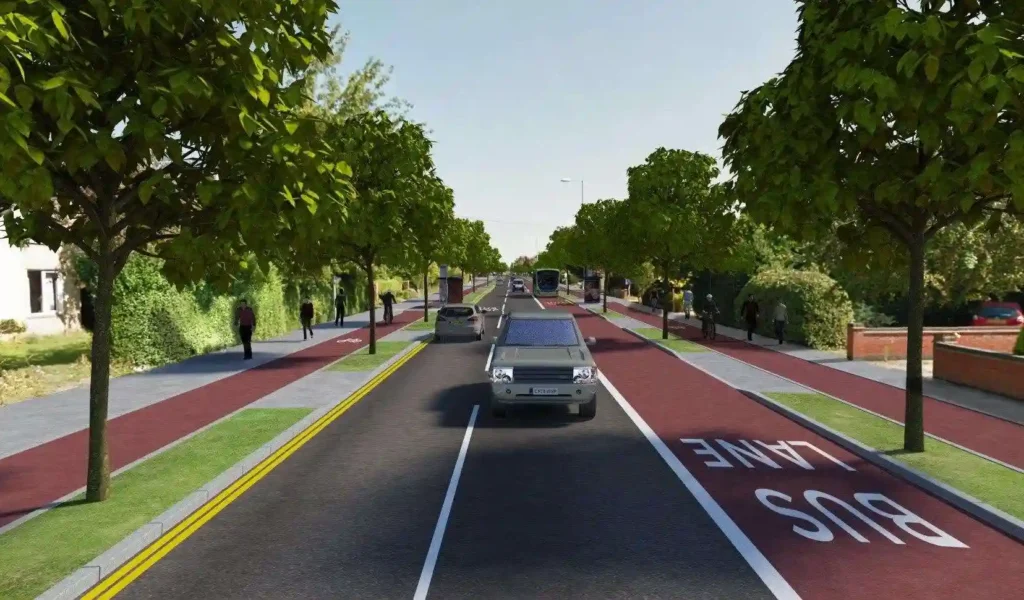
Efforts like the £20 million Milton Road upgrade, completed after value engineering saved over a million, enhanced landscaping and bus lanes while maintaining two traffic lanes during works. Cyclops junctions and busway tweaks show promise, with cyclists noting improvements. Yet delays from utility diversions to weather extend disruptions, and broader plans like Cambridge Connect light rail remain stalled.
Park and Ride fines address misuse, but systemic issues like cross-city bus modeling gaps persist. The Greater Cambridge Partnership’s focus on soft measures parking reallocations lacks evidence of impact.
Future Outlook for Sustainable Commuting
Looking ahead, Milton’s commuters need integrated solutions: expanded reliable buses, fully segregated cycles, and rail extensions. With 2031 projections of 112,100 daily commuters, unchecked growth risks paralysis. Advocacy for schemes like the rowing lake site’s repurposing or Chesterton Fen integration could boost active travel.
Stakeholders must prioritize modeling and funding, learning from busway overruns to deliver resilient networks. Until then, Milton exemplifies Cambridge’s commuting crisis proximity without connectivity.