Independent coffee shops and historic markets define the cultural and culinary landscape of Cambridge by providing locally sourced food, specialty roasted coffee beans, and artisan goods. These establishments foster community engagement, preserve historic spaces, and support micro-enterprises across Cambridgeshire.
- What makes Cambridge’s independent coffee scene unique?
- Where are the best independent coffee shops located in Cambridge?
- How do historic markets contribute to Cambridge’s local culture?
- What role does specialty coffee play in Cambridge’s economy?
- How can residents find sustainable and ethically sourced food in Cambridge?
- What are the main hours for independent coffee shops in Cambridge?
- Which Cambridge market is best for street food lunches?
- Do independent cafes in Cambridge offer vegan and gluten-free options?
- Where can I find coffee roasters that roast their own beans locally?
- Are dogs allowed inside Cambridge independent coffee shops?
Cambridge hosts a dense network of non-chain cafes, micro-roasteries, and outdoor trading stalls operating alongside university architecture. The city features long-standing institutions founded in the twentieth century as well as modern specialty venues. These businesses serve as primary social nodes for residents, students, researchers, and international visitors seeking quality coffee.
The central trade environment relies on independent traders operating across historical streets including Market Hill, Regent Street, and Mill Road. These locations maintain distinctly local economies that bypass multinational corporations in favor of direct-trade sourcing and regional dairy farming. Examining these venues provides insight into how traditional trading practices adapt to modern urban growth.
Understanding the layout of these independent venues helps consumers navigate the local food and beverage ecosystem. The sector demonstrates resilience through sustainable supply chains, specialized customer service, and community-focused event programming. This guide details the spatial distribution, historical evolution, operational structures, and economic significance of independent food hubs across Cambridge.
What makes Cambridge’s independent coffee scene unique?
The independent coffee scene in Cambridge stands out due to its integration of historical university heritage, direct-trade specialty roasteries, strict quality standards, and high concentration of locally owned establishments operating within historic architectural spaces.
The growth of independent coffee culture in Cambridge stems from high local demand for specialty coffee and ethical sourcing models.
The municipality contains multiple micro-roasters that roast coffee beans within the region, maintaining fresh inventory for local venues. Establishments prioritize single-origin coffee beans sourced directly from farming cooperatives in Latin America, East Africa, and Asia.
Urban planning restrictions within central Cambridge preserve historic storefronts, preventing extensive corporate street-front expansion in designated heritage zones. Independent coffee shops occupy Grade II listed structures, former Victorian bakeries, and re-purposed industrial buildings.
This spatial context creates distinct interior environments where modern espresso equipment sits alongside original wooden framing and masonry.
The consumer base consists largely of university staff, postgraduate researchers, tech industry professionals, and local residents who prioritize product provenance. These demographic groups demand transparent information regarding espresso extraction parameters, milk processing methods, and farmer compensation metrics.
Consequently, baristas in Cambridge undergo rigorous technical training to master espresso extraction and manual pour-over techniques.
Where are the best independent coffee shops located in Cambridge?
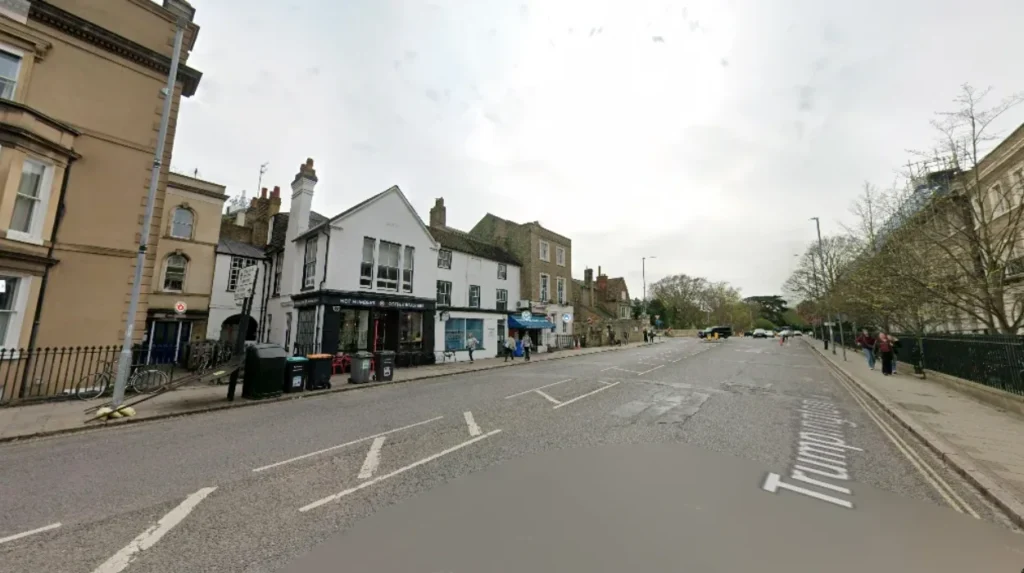
The best independent coffee shops in Cambridge cluster along historic academic thoroughfares like Trumpington Street and Round Church Street, as well as distinct suburban corridors including Mill Road and Chesterton.
Fitzbillies operates as one of the oldest culinary institutions in the city, operating on Trumpington Street since its establishment in 1920. The venue combines traditional bakery service with specialty coffee offerings, processing thousands of handcrafted Chelsea buns each week.
The interior retains traditional wooden cabinetry while utilizing modern commercial espresso machines to handle high daily customer volume.
Hot Numbers Coffee launched its original site on Gwydir Street before expanding to Trumpington Street and establishing a dedicated roastery in Shepreth. The business named itself after a historic local record store and incorporates live acoustic music alongside its specialty coffee service.
The Gwydir Street location occupies a converted industrial space featuring concrete counter surfaces, exposed brickwork, and open roasting infrastructure.
Bould Brothers Coffee operates primary locations on Round Church Street and Regent Street, emphasizing technical espresso brewing methods. Founded by Max Bould and Alex Bould in December 2016, the enterprise focuses on precise water filtration, grind size uniformity, and milk heating parameters.
The physical shops feature compact floor plans designed for high-efficiency customer processing without sacrificing beverage quality standards.
How do historic markets contribute to Cambridge’s local culture?
Historic markets contribute to local culture by providing central venues for independent food vendors, artisans, and regional producers while preserving centuries of public trading traditions at Market Hill.
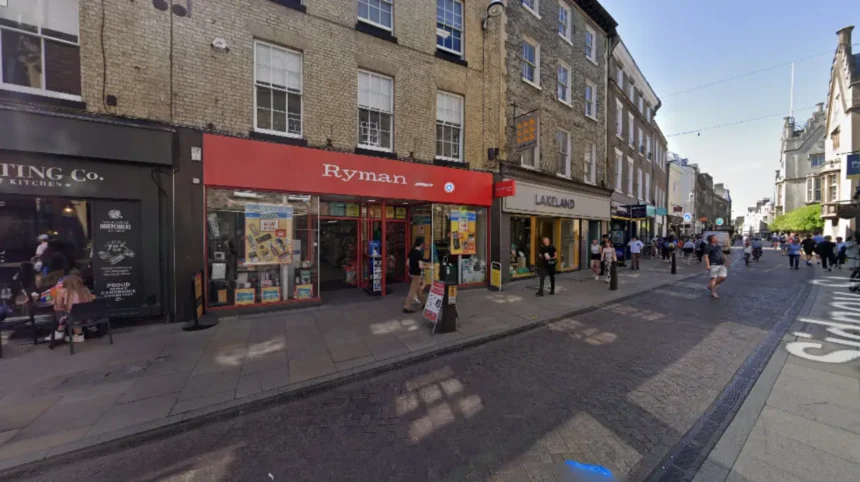
Market Hill has operated as the central open-air trading venue in Cambridge since the Anglo-Saxon period. The market square functions six days a week for general retail and food trade, transitioning into an arts and crafts market on Sundays. The physical space contains dozens of covered stalls arranged in permanent street rows opposite the Church of St Mary the Great.
Street food stalls operating on Market Hill supply freshly prepared meals representing global culinary traditions, including Sicilian street food, Colombian single-origin coffee, and artisan sourdough baking. Small-scale food entrepreneurs utilize these market stalls as low-overhead business incubators before establishing permanent brick-and-mortar locations within Cambridgeshire.
The market system reinforces regional agricultural supply chains by linking local farms directly with city consumers. Produce vendors source fruits and vegetables from agricultural holdings in the nearby Fens, reducing transport distances and carbon emissions associated with commercial food distribution. This direct economic exchange supports rural agricultural stability across the East of England.
What role does specialty coffee play in Cambridge’s economy?
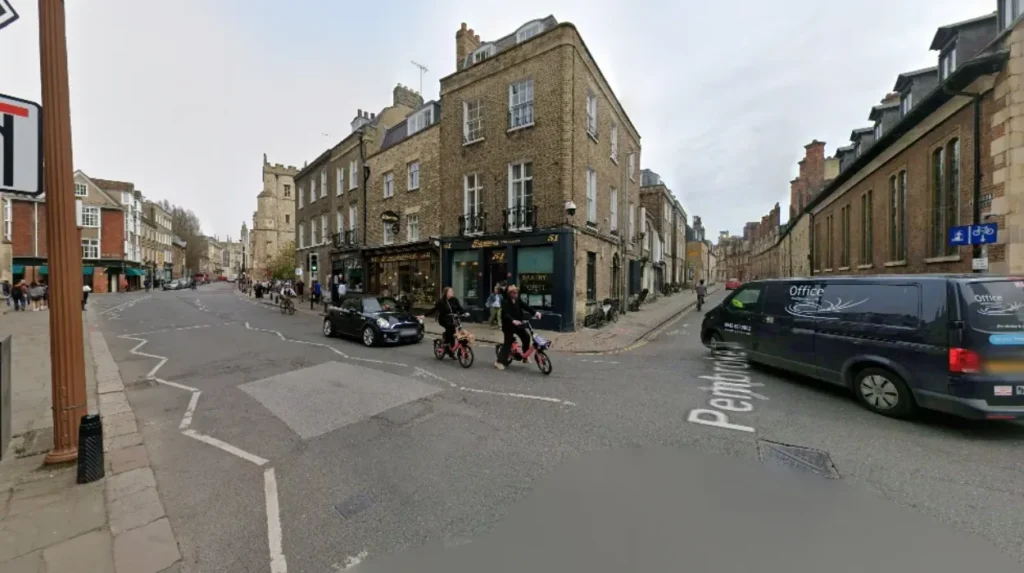
Specialty coffee boosts the local economy by creating skilled employment, encouraging local supply chain spending, driving commercial property use, and promoting sustainable international trade practices.
Specialty coffee shops generate skilled employment opportunities within the hospitality sector. Professional baristas, head roasters, bakery personnel, and operations managers receive training in technical extraction chemistry, machinery maintenance, sensory evaluation, and customer service management. These positions offer structured career development paths within the broader specialty beverage sector.
Independent coffee businesses maintain higher local re-investment rates compared to national retail chains. Profit margins generated by independent cafes remain within the Cambridgeshire economy through local banking, regional equipment servicing, domestic dairy procurement, and local marketing contracts. These business-to-business transactions create a strong economic multiplier effect across the municipality.
Commercial property utilization by independent cafes prevents retail vacancy in secondary shopping corridors and historical side streets. By converting small or irregularly shaped architectural footprints into viable retail premises, independent operators maintain street-level economic vitality. This architectural adaptability ensures commercial property revenues remain stable across central business districts.
How can residents find sustainable and ethically sourced food in Cambridge?
Residents can locate sustainable food by visiting independent butcheries, zero-waste grocery stores, seasonal market stalls, and cafes using regional dairy farms and direct-trade roasters.
Sustainable food procurement in Cambridge relies on clear product traceability and reduced supply chain steps. Residents access regional produce through the daily outdoor stalls on Market Hill, which offer unwrapped seasonal vegetables, locally produced cheeses, and regional orchard fruits. Purchasing unpackaged goods directly reduces single-use plastic waste generated by standard grocery retail formats.
Specialty coffee roasters in the city publish annual sourcing reports detailing farm purchase prices, importer logistics, and environmental impact metrics. Establishments like Hot Numbers Coffee and Stir Cafe partner with regional dairy producers located in Cambridgeshire and neighboring counties to source fresh whole milk in reusable stainless steel churns or recyclable containers.
Organic bakeries and independent groceries operating on Mill Road supply shelf-stable goods, whole grains, pulses, and oils in bulk packaging formats. Customers bring reusable containers to refill dry foodstuffs by weight, eliminating commercial packaging overheads. These retail structures align consumer habits with zero-waste principles.
What are the main hours for independent coffee shops in Cambridge?
Most independent coffee shops in Cambridge open between 7:30 AM and 8:30 AM on weekdays, and close between 5:00 PM and 6:00 PM. Weekend hours typically begin slightly later, around 8:30 AM or 9:00 AM. Specific roasteries with evening kitchen setups may remain open later for dinner service.
Which Cambridge market is best for street food lunches?
Market Hill in central Cambridge is the premier location for street food lunches, operating six days a week. Stalls serve diverse international foods including falafel, Sicilian pizza, hog roasts, and dumplings. Most food vendors begin trading around 11:30 AM and sell out by early afternoon.
Do independent cafes in Cambridge offer vegan and gluten-free options?
Yes, nearly all independent cafes in Cambridge provide extensive vegan milk alternatives and gluten-free dietary options. Establishments like Stir Cafe and Indigo Cafe maintain dedicated allergen-free prep zones and offer plant-based pastries, sourdough sandwiches, and vegan cakes daily.
Where can I find coffee roasters that roast their own beans locally?
Hot Numbers Coffee roasts its own beans locally at its facility in Shepreth, supplying its city cafes on Gwydir Street and Trumpington Street. Additionally, several micro-roasters trade directly at the Sunday crafts market on Market Hill, selling freshly roasted whole beans.
Are dogs allowed inside Cambridge independent coffee shops?
Many independent cafes across Cambridge maintain dog-friendly policies in their seating areas, including Stir Cafe, Urban Larder, and The Locker Cafe. Outlets generally provide water bowls and outdoor courtyard seating, though restrictions may apply in small heritage buildings.