
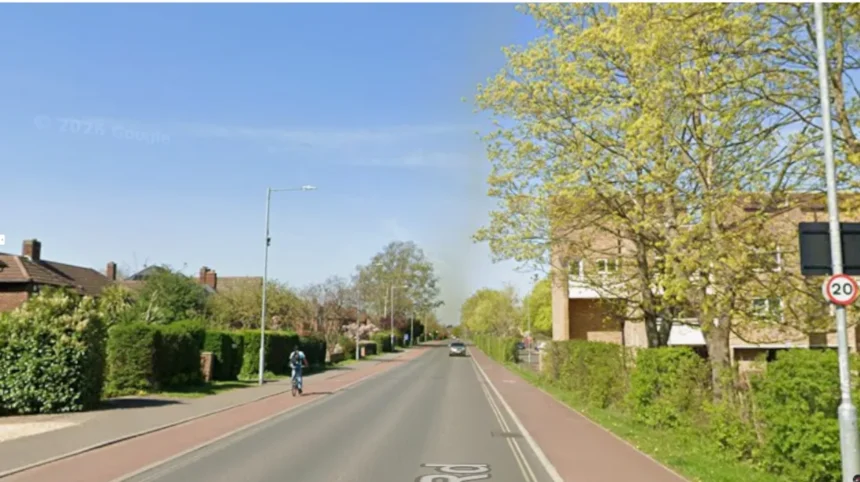
Walking and cycling in Arbury are generally safe due to speed restrictions and dedicated paths, but key safety gaps persist at busy junctions and shared spaces. Infrastructure improvements have reduced motorized traffic speeds, but vehicle density continues to present localized risks for vulnerable users.
- How does the current infrastructure support walking and cycling in Arbury?
- What do collision statistics and risk data reveal about Arbury safety?
- What role do speed limits and traffic volumes play in local travel security?
- How do shared paths compare to segregated routes in Arbury?
- What urban planning initiatives are improving future active travel in Arbury?
- Community feedback mechanisms allow local residents to highlight specific hazards, such as inadequate street lighting, obscured sightlines from overgrown vegetation, or missing dropped kerbs.
Arbury is a residential ward located in the northern sector of Cambridge, England. The area contains a dense network of residential streets, primary schools, commercial centers, and connection corridors leading toward the city center and the Science Park. Active travel serves as a primary mode of transportation for local residents commuting to work, educational institutions, and retail facilities. Municipal planning strategies across Cambridgeshire prioritize non-motorized transport to lower carbon emissions and relieve urban traffic congestion.
Evaluating safety conditions requires examining physical infrastructure, traffic volumes, speed regulations, and collision records. The United Kingdom Department for Transport establishes design standards that govern footways, cycle tracks, and mixed-traffic roads. Local councils apply these standards through civil engineering projects, speed enforcement, and dedicated pathway maintenance. Understanding whether Arbury provides safe environments for pedestrians and cyclists involves analyzing these structural factors alongside historical accident data and spatial designs.
How does the current infrastructure support walking and cycling in Arbury?
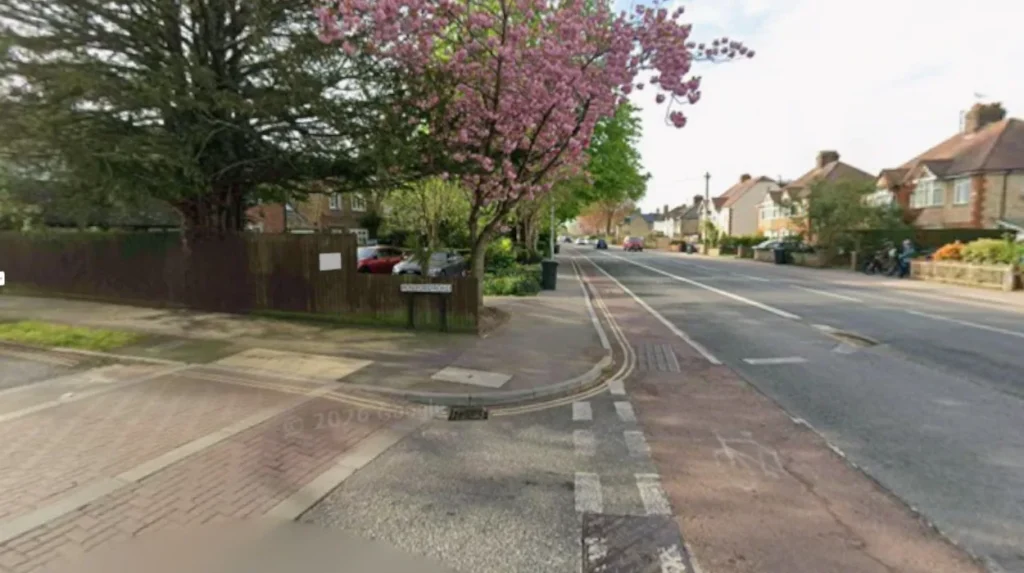
Arbury infrastructure provides dedicated footways, advisory cycle lanes, traffic-calming features, and off-road pathways that separate pedestrians and cyclists from high-speed vehicular traffic. However, physical protection remains inconsistent across major connecting roads, forcing users to navigate shared space or mixed-traffic environments.
The physical network in Arbury features a combination of traditional pavements, raised tables, speed cushions, and painted cycle lanes along major routes like Arbury Road, King’s Hedges Road, and Histon Road. Residential streets frequently utilize 20 mile per hour speed zones designed to lower collision severity and encourage non-motorized trips. Zebra crossings and signalized pedestrian crossings appear near school zones and commercial hubs to facilitate safer roadway traversals.
Despite these provisions, infrastructure design varies significantly between primary arterial roads and inner neighborhood paths. Advisory cycle lanes marked only with painted lines do not prevent motor vehicles from entering the cycling space, creating potential friction points. High-volume junctions often lack physically separated turning bays for cyclists or continuous priority pavements for pedestrians, which leaves users exposed to turning traffic movements.
What do collision statistics and risk data reveal about Arbury safety?
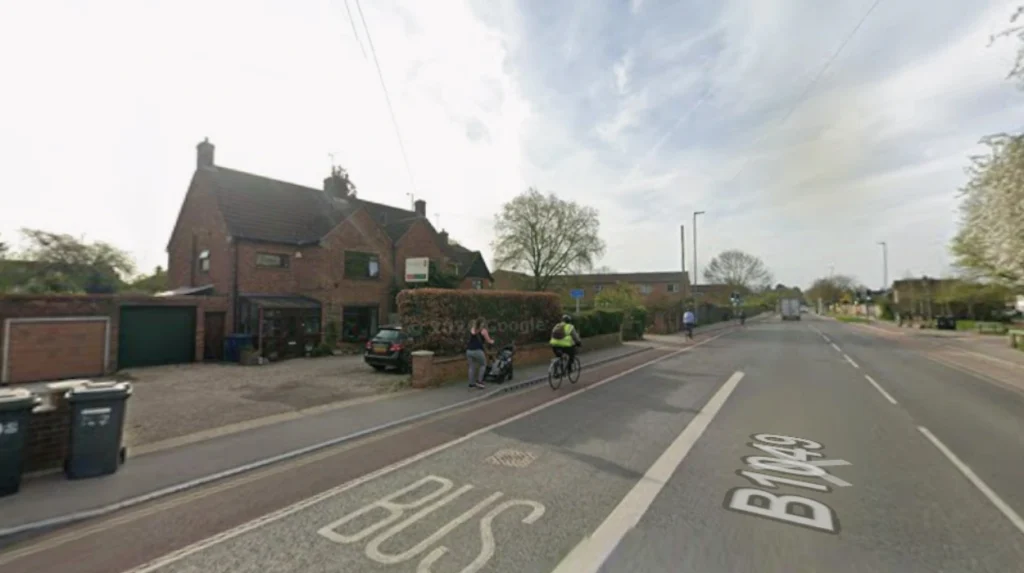
Collision records show low rates of fatal crashes but highlight persistent minor injuries and near-miss events occurring primarily at road junctions and shared path intersections. Data demonstrates that vehicle speed reductions significantly lower severe crash risks, yet traffic volume remains a key risk factor.
National and regional transport datasets record traffic incidents to evaluate urban road safety. Statistically, lowering vehicle speeds from 30 miles per hour to 20 miles per hour reduces the probability of pedestrian fatal injury by roughly 40 percent. In Arbury, lower speed limits have successfully prevented clusters of fatal incidents, making the neighborhood safer than rural or high-speed urban corridors.
Most recorded incidents involving cyclists and pedestrians occur at priority junctions, roundabout entries, and locations where cycle tracks transition into footways. Non-fatal collisions and near-miss incidents are frequently underreported in official police registers but remain a primary factor influencing public safety perception. Three vulnerable demographic groups face higher risk profiles in these areas: children traveling to school, elderly pedestrians, and night-time commuters.
What role do speed limits and traffic volumes play in local travel security?
Speed limits and traffic volumes directly dictate collision probability and injury severity, with lower speeds drastically improving safety outcomes for pedestrians and cyclists in Arbury. Heavy vehicle volumes on boundary roads create physical barriers and increase potential conflict points.
Vehicular speed determines stopping distances and impact forces during collisions. A motor vehicle traveling at 20 miles per hour requires approximately 12 meters to stop completely, whereas a vehicle traveling at 30 miles per hour requires 23 meters. Arbury benefits from extensive 20 mile per hour zonal enforcement, which provides drivers with greater reaction time to avoid vulnerable road users.
Traffic volume introduces risk through exposure frequency. Boundary arterial roads surrounding Arbury handle thousands of vehicle movements daily, including private automobiles, public transit buses, and heavy commercial delivery trucks. High traffic density increases the frequency of forced yields at side roads, where drivers turning across footways or cycle lanes fail to give way, raising collision probabilities.
How do shared paths compare to segregated routes in Arbury?
Segregated cycle routes provide superior safety compared to shared pedestrian-cyclist paths, which frequently generate space conflicts, near-misses, and reduced comfort for slower users. Physical separation reduces collision odds significantly across all urban road environments.
Shared-use paths group pedestrians, wheelchair users, and cyclists into a single unseparated corridor. Research shows that near-miss incidents between pedestrians and cyclists occur approximately 50 times more frequently than full collisions, with the majority taking place on unseparated shared paths or footways. Differential speeds between fast-moving bicycles or e-scooters and walking pedestrians create operational conflicts.
Fully segregated infrastructure physically separates each mode of transport using kerbs, green verges, or grade differences. Segregated routes reduce overall injury odds by 40 to 65 percent compared to unprotected painted lanes on standard roads. Where spatial constraints prevent physical segregation, clear horizontal pavement markings and wider path dimensions help mitigate conflict risks.
What urban planning initiatives are improving future active travel in Arbury?
Local infrastructure initiatives like the Greater Cambridge Local Cycling and Walking Infrastructure Plan focus on developing connected, segregated networks to enhance active travel safety. Planned developments aim to eliminate network gaps, improve junction design, and expand low-traffic neighborhood features.
Urban transport authorities use evidence-based planning models to upgrade existing travel corridors. Future engineering standards prioritize continuous pedestrian footways across side roads, low-level signal heads for cyclists, and tightened corner radii that force drivers to reduce turning speeds. Strategic projects, such as regional Greenway routes, aim to link Arbury directly to central Cambridge and surrounding employment centers via fully protected travel channels.
Community feedback mechanisms allow local residents to highlight specific hazards, such as inadequate street lighting, obscured sightlines from overgrown vegetation, or missing dropped kerbs.
Incorporating public data into local council capital works programs ensures that structural investments directly address identified safety defects. Sustainable travel expansion remains dependent on delivering consistent, high-quality infrastructure that protects users of all ages and mobility levels.
Is cycling in Arbury safe for beginners?
Cycling in Arbury is relatively safe for beginners on low-traffic residential streets with 20 mph speed limits. However, less experienced riders should exercise caution or seek fully segregated paths when navigating busy main junctions during peak traffic hours.
What are the main hazards for pedestrians in Arbury?
The primary safety hazards for pedestrians in Arbury include vehicles turning across side roads, uneven pavement surfaces, and unsegregated shared paths. Inadequate lighting or poor sightlines at specific intersections also increase localized risk.
Are speed limits effectively enforced in Arbury residential areas?
Speed limits in Arbury are primarily enforced using physical traffic-calming measures such as speed tables and road narrowings. While these features successfully lower average vehicle speeds, occasional speeding still occurs on long, straight stretches.
How do shared paths impact pedestrian safety in Arbury?
Shared paths accommodate both walkers and cyclists in the same space, which can lead to near-misses due to speed differences. While severe accidents are uncommon, segregated pathways provide a significantly higher level of safety and comfort.
What plans exist to improve cycle lanes in Arbury?
Local transport authorities are actively upgrading cycle networks through regional infrastructure plans. Future improvements focus on replacing painted advisory lanes with physically segregated cycle tracks and upgrading major junctions.