
Key Points
- Former Ward 7 councillor Scott Hamilton won the Cambridge mayoral race with 17,444 votes, taking 56.8 per cent of the total ballot.
- Incumbent mayor Jan Liggett finished third with 3,473 votes (11.3 per cent), behind runner-up Ryan Bolender, who received 7,280 votes.
- Voters cast 30,904 total ballots across 24 polling stations and digital channels, with 9,538 cast online.
- Hamilton prioritized establishing a healthy culture within city council and developing strategies for affordable housing.
- The new mayor and city council members will take office on 17 November 2026.
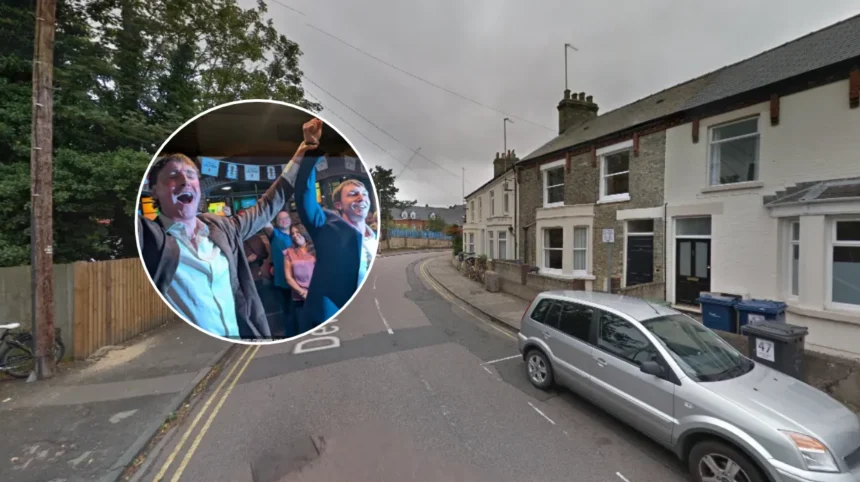
Cambridge (Cambridge Tribune) October 28, 2026 – Scott Hamilton has won the Cambridge mayoral race in a decisive election outcome, securing nearly 57 per cent of the total vote.
The municipal election saw a major shift in local leadership as voters elected Hamilton to replace incumbent Mayor Jan Liggett, who finished third overall. Official figures released by the city confirmed 30,904 total votes cast across the municipality.
What were the official voting results in the Cambridge mayoral race?
According to municipal tally records, Scott Hamilton finished in first place with 17,444 votes. First-time candidate Ryan Bolender secured the second position with 7,280 votes. Incumbent mayor Jan Liggett secured 3,473 votes, representing 11.3 per cent of the electorate.
As reported by Matt Betts and Keegan Kozolanka of CambridgeToday, Hamilton stated that “voters have chosen ‘hope and possibility’” following the announcement of the election results.
The election turnout involved multiple channels of participation across eight city wards. Voters had access to seven days of advance in-person voting, 24 polling stations on election day, and online options, which generated 9,538 digital ballots.
How did candidates respond to the election outcome?
The candidates expressed contrasting views regarding the election night results and their future outlooks for municipal governance.
As reported by Krista Simpson of CTV News, Hamilton stated that “We can have the greatest strategy in the world, but if you don’t have a healthy culture around the council horseshoe or staff – culture eats strategy for breakfast, as the expression goes”.
Regarding the transition of leadership, Liggett accepted the outcome of the democratic process.
As reported by Matt Betts and Keegan Kozolanka of CambridgeToday, Liggett stated that “I’m comfortable with it, it’s the will of the people,” while reflecting on her period in office and looking forward to spending more time with her family.
How will the new municipal council be structured?
The incoming municipal council will feature a combination of re-elected representatives and new faces across the city’s wards. Two newly elected councillors will join the council table for the upcoming four-year term. The new council and mayor will formally take office on 17 November 2026.
The city administration noted that election night voting data was published in a single comprehensive release after all polling locations completed their counts, ensuring total accuracy before publishing the unofficial results.
Background of the Particular Development
Scott Hamilton entered the mayoral campaign following his service on the Cambridge City Council as the representative for Ward 7. He was first elected to the position during an October 2020 by-election and subsequently re-elected in 2022 with approximately 67 per cent of the vote.
Outside of municipal politics, Hamilton has worked as a senior director at United Way Waterloo Region and holds a doctorate in politics from the London School of Economics.
During their shared term on council, Hamilton and outgoing mayor Jan Liggett frequently held differing policy perspectives on municipal priorities.
Key points of policy disagreement included strategies for tackling homelessness and encampments, as well as proposals regarding the utilisation of city-owned property for affordable housing development.
Hamilton’s platform placed strong emphasis on sustainable urban growth, density within urban cores, and enhanced public transit infrastructure, including support for Stage 2 LRT expansion.
Prediction: How This Development Can Affect the Local Community
The election of Scott Hamilton as mayor marks a policy realignment for the residents and business community of Cambridge. With a council structure focused on collaborative governance and urban density, residents can expect a shift toward progressive social policies and alternative housing development approaches.
For local taxpayers and community advocacy groups, the new administration’s focus on exploring municipal land for affordable housing and taking a compassionate approach to shelter and encampments may lead to revised municipal bylaws and updated funding allocations.
Additionally, property developers and local businesses will likely see an emphasis on core-area intensification over urban sprawl, alongside continued municipal support for regional transit integration.