The railway network in the city of Cambridge serves as a major passenger transit hub in East Anglia. It connects urban residential sectors, business districts, educational institutions, and research campuses directly to London, regional hubs, and nationwide travel lines.
- How Has the History of Cambridge Rail Transport Developed?
- What Facilities and Services Are Available at Cambridge Station?
- How Does Cambridge North Station Serve Passengers and Business?
- What Role Does Cambridge South Station Play in Regional Transit?
- Which Train Operating Companies Service the Cambridge Network?
- How Do Passengers Access Ticketing Fares and Travel Cards?
- What Are the Direct Rail Connections to London and Regional Hubs?
- How Does Active Travel and Public Transport Integrate with Stations?
- What Future Infrastructure Developments Are Planned for the Rail Network?
- How long does the fastest train take from Cambridge to London?
- Is there step-free access across all Cambridge train stations?
- What is the difference between Cambridge and Cambridge North stations?
- How do I commute from Cambridge train station to Addenbrooke Hospital?
- Can I park my bicycle safely at Cambridge railway stations?
The passenger railway network in the city of Cambridge is structured around strategic station nodes that handle high-volume suburban, regional, and cross-country rail traffic. The central terminal, historically known as Cambridge railway station, handles millions of passenger movements annually. The network expands capacity through regional hubs like Cambridge North railway station and Cambridge South railway station.
Railway infrastructure in the region supports both commuting workforce populations and national rail interchanges. Primary transit operators managing services through these hubs include Greater Anglia, Great Northern, Thameslink, and CrossCountry. Rail tracks physically link the region toward London King Cross, London Liverpool Street, Stansted Airport, Ely, Norwich, Ipswich, and Birmingham New Street.
Integrated bus networks, cycle paths, and local highways support passenger transit access across every active terminal. Station design focuses on step-free access, electronic ticketing, secure bicycle parking, and continuous rail connectivity. The overall network strengthens economic production by connecting the Cambridge Biomedical Campus, Science Park, and historical city center with regional labor markets.
How Has the History of Cambridge Rail Transport Developed?
Rail transport in Cambridge began in 1845 with the opening of the Eastern Counties Railway line. Infrastructure expanded across two centuries to support population growth, regional trade, academic expansion, and contemporary high-tech business developments across the region.
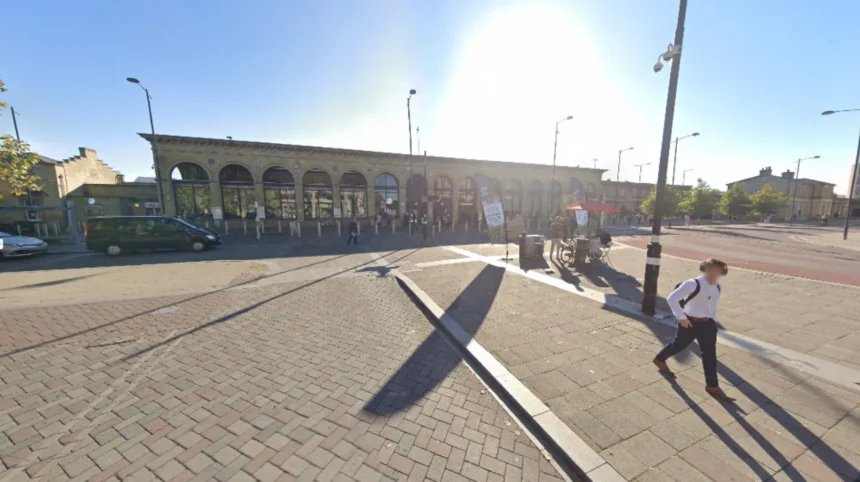
The original Cambridge railway station opened on July 29, 1845, built by the Eastern Counties Railway company. Architect Sancton Wood designed the main station building featuring a distinct Italianate style with a fifteen-arch colonnade facade. The original layout included a single long platform designed to accommodate two train departures simultaneously without reversing operations.
During the late nineteenth and early twentieth centuries, several competing railway companies gained track access to the central terminal. The Great Northern Railway, the London and North Western Railway, and the Midland Railway operated distinct routes into the city. Route consolidation occurred under the Railways Act 1921, merging operations into the London and North Eastern Railway network.
Modern modernization commenced in the post-war era, culminating in full track electrification during the late 1980s. High-speed electric passenger units replaced steam and diesel operations, drastically reducing transit times to central London. Suburban development in the early twenty-first century prompted construction of Cambridge North railway station in May 2017 and Cambridge South railway station in June 2026.
What Facilities and Services Are Available at Cambridge Station?
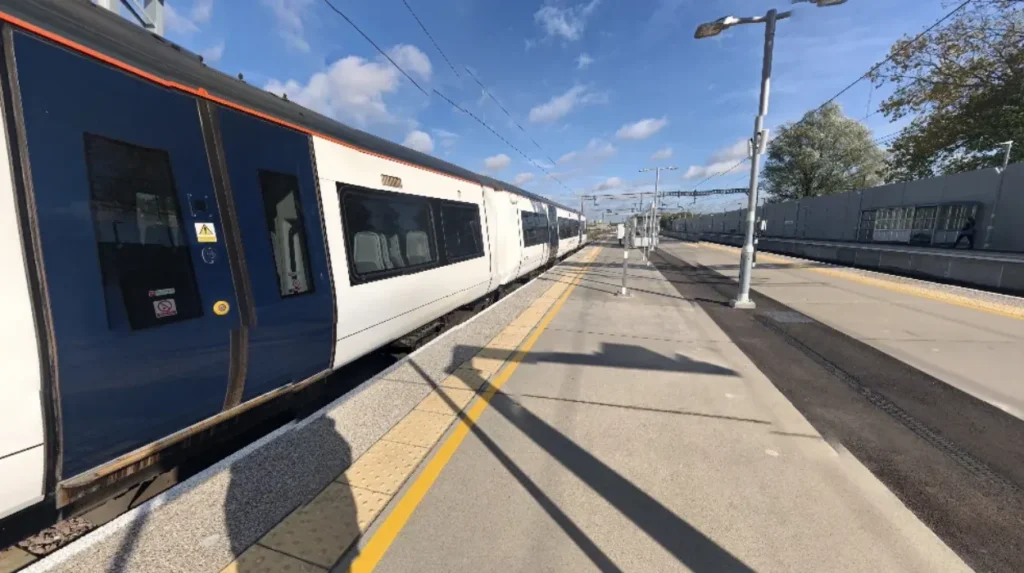
The primary Cambridge railway station provides complete passenger facilities, including covered platforms, step-free access, ticket halls, customer services, retail outlets, extensive bicycle parking spaces, and direct transport interchanges to local bus networks.
The central station terminal operates eight active platforms handling north-bound, south-bound, and terminating services. Platform 1 remains one of the longest continuous railway platforms in the United Kingdom, measuring 514 yards in length. Facilities include fully staffed ticket offices, automated self-service ticket machines, customer assistance points, and digital real-time travel information displays.
Step-free accessibility features throughout the terminal precinct, equipped with lifts, tactile paving, and accessible toilet facilities. Passenger waiting rooms offer heated indoor seating, public Wi-Fi networks, charging points, and public telephone stations. Commercial retail venues inside the main concourse include coffee shops, convenience stores, bakeries, and newsagents.
Intermodal transportation options connect directly outside the historic station entrance. Cycle Point provides multi-storey sheltered storage space for over 2,800 bicycles alongside repair facilities. Dedicated bus bays accommodate local transit buses, long-distance coaches, and the Cambridgeshire Guided Busway system. Taxis operate from a dedicated multi-lane ranks situated adjacent to passenger drop-off zones.
How Does Cambridge North Station Serve Passengers and Business?
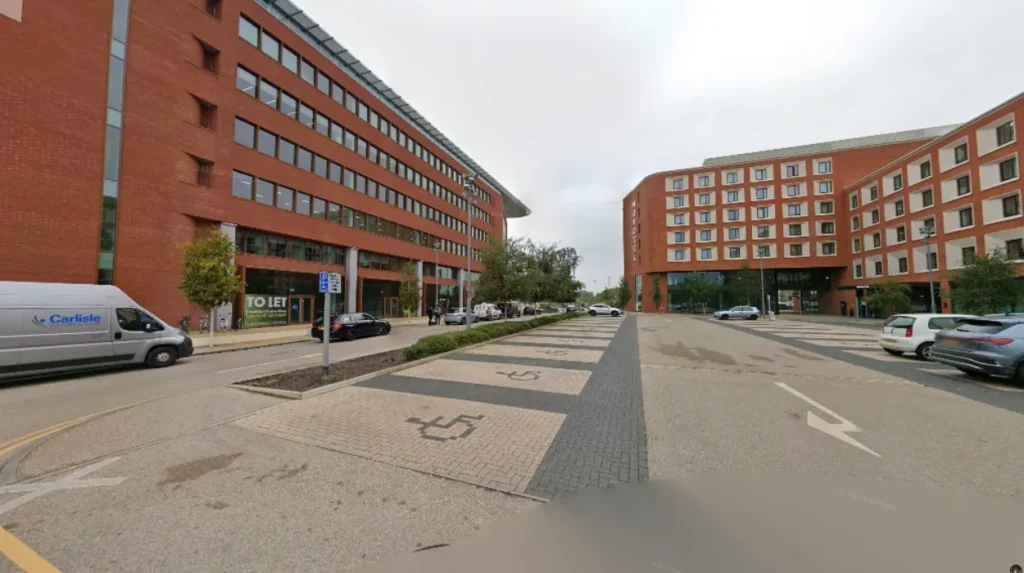
Cambridge North station serves the northern sector of the city by offering direct rail access to the Cambridge Science Park, St John’s Innovation Centre, and suburban residential zones while reducing congestion at the main station.
Cambridge North railway station opened on May 21, 2017, as a strategic secondary transport node. Architect firm Weston Williamson designed the facility using perforated aluminum panels that incorporate mathematical patterns inspired by John Horton Conway Game of Life. The station operates three active platforms capable of accommodating full twelve-carriage passenger trains.
The facility features solar panel arrays, rainwater harvesting infrastructure, and dynamic energy efficiency controls. Passenger services include an enclosed customer waiting room, self-service ticket terminals, digital departure screens, and step-free footbridge access to all platforms via high-capacity elevators. Retail concessions operate within the main entrance building.
Transportation integration is a primary structural feature of the Cambridge North site. Direct connections join the northern terminus of the Cambridgeshire Guided Busway, allowing rapid transit into surrounding villages. The site includes covered cycle spaces for 1,000 bicycles, electric vehicle charging stations, short-stay drop-off bays, and a dedicated multi-storey vehicle parking lot.
What Role Does Cambridge South Station Play in Regional Transit?
Cambridge South station delivers high-capacity rail connectivity directly to the Cambridge Biomedical Campus, serving medical staff, researchers, patients, and visitors arriving from local, regional, and national transport corridors.
Opening on June 28, 2026, Cambridge South railway station was constructed specifically to serve the major life-sciences employment cluster in southern Cambridge. The station sits adjacent to Addenbrooke Hospital, Royal Papworth Hospital, and corporate research headquarters. Its construction reduces road traffic volume along the heavily congested southern arterial highways.
The station operates four active platforms designed to accommodate both stopping and fast express rail services. Facilities feature step-free routes, spacious concourses, passenger assistance desks, tactile navigation systems, and automated ticketing machines. High-capacity passenger lifts connect street levels to platform islands over the four-track trunk line.
Integration with regional active travel infrastructure enables direct walking and cycling routes into the biomedical park. The station layout incorporates high-density secure bike storage, dedicated drop-off bays, and accessible bus stops linking local routes. Dedicated shuttle buses move passengers quickly between platform exits and healthcare facilities.
Which Train Operating Companies Service the Cambridge Network?
Four major train operating companies run continuous services across the Cambridge rail network: Greater Anglia, Great Northern, Thameslink, and CrossCountry, linking the city to regional hubs and national destinations.
Greater Anglia operates key regional and intercity routes connecting the city to London Liverpool Street, Stansted Airport, Ely, Norwich, and Ipswich. The operator utilizes modern electric multiple units such as Class 720 and Class 755 trains. Their service frequency provides rapid commuter connectivity across the East of England rail network.
Great Northern delivers direct suburban and regional routes south to London King Cross. Services operate across main stopping patterns and express commuter lines via Royston and Hitchin. These services run on electrified lines using Class 387 electric train units designed for high-density commuter transportation.
Thameslink provides cross-London rail services that link northern transit points through central London down to southern coastal destinations. Trains run directly from Cambridge through the Snow Hill tunnel, stopping at Farringdon, London St Pancras International, London Bridge, Gatwick Airport, and Brighton. CrossCountry operates long-distance regional services west toward Peterborough, Leicester, and Birmingham New Street.
How Do Passengers Access Ticketing Fares and Travel Cards?
Passengers purchase rail tickets for Cambridge services through online digital channels, automated ticket machines, staffed ticket counters, and contactless smartcard or mobile barcode systems.
Rail ticketing in Cambridge uses National Rail standard fare structures, including Anytime, Off-Peak, Super Off-Peak, and Advance booking tariffs. Passengers purchase physical paper tickets or digital e-tickets stored on mobile devices. Standard adult fares apply alongside discounted Railcard options, such as 16-25, 26-30, Senior, and Disabled Persons Railcards.
Smartcard payment solutions are supported across local operators. Greater Anglia Smartcards and Thameslink Key Smartcards allow commuters to load weekly, monthly, or annual season passes electronically. Automated ticket gates at station entry points read smartcards, mobile barcode displays, and traditional magnetic stripe paper tickets.
Group travel discounts apply to small parties traveling together during off-peak windows. PlusBus add-on tickets can be integrated into rail bookings, providing unlimited local bus travel within the urban transport zone on the date of travel. Passengers must hold a valid ticket prior to boarding train services to avoid penalty fares.
What Are the Direct Rail Connections to London and Regional Hubs?
Direct train routes connect Cambridge stations to central London terminals, international airport hubs, regional industrial centers, and national East-West transit links across the United Kingdom rail network.
Non-stop express services connect central Cambridge to London King Cross with fastest journeys completing in approximately 48 minutes. Parallel routes run into London Liverpool Street via Bishop Stortford, offering direct connections to the financial district of London. Thameslink trains provide continuous passage through central London to London Bridge and Gatwick Airport without changing trains.
Regional lines extend north toward Ely, providing branching rail routes to Norwich, King Lynn, and Peterborough. Eastbound services run across Suffolk through Newmarket to Ipswich. Westbound services operate across the Midlands toward Stansted Airport, Leicester, and Birmingham New Street.
Future strategic initiatives like the East West Rail project aim to restore direct rail corridors between Cambridge, Bedford, Milton Keynes, and Oxford. Once operational, East West Rail will eliminate the requirement to route via central London when traveling between eastern and western academic centers.
How Does Active Travel and Public Transport Integrate with Stations?
Cambridge stations feature integrated transit networks combining guided busways, city bus routes, dedicated cycle lanes, multi-storey bike parking, and pedestrian walkways to deliver efficient door-to-door transit.
The Cambridgeshire Guided Busway connects directly to both central Cambridge station and Cambridge North station. Busway vehicles run on dedicated concrete kerb-guided tracks, completely separated from mixed traffic. This infrastructure provides reliable transit times to Huntingdon, St Ives, Trumpington, and major business parks.
Local bus operators, including Stagecoach East and Whippet Coaches, maintain regular schedules linking station forecourts to residential suburbs, university departments, and medical facilities. Bus stops sit adjacent to ticket concourses, equipped with live electronic departure schedule displays.
Active travel infrastructure connects stations to the wider city network. High-capacity cycle highways, such as the Chisholm Trail, provide segregated pedestrian and cycling routes connecting Cambridge station, Cambridge North station, and surrounding commercial developments. Comprehensive bike parking infrastructure ensures safe storage for thousands of daily cycling commuters.
What Future Infrastructure Developments Are Planned for the Rail Network?
Future rail enhancements around Cambridge focus on track capacity expansion, digital signaling installation, platform length extensions, and constructing East West Rail links across regional innovation corridors.
Network Rail leads ongoing infrastructure investments through the Cambridge Resignalling Relock and Re-control Project. This initiative replaces legacy mechanical signaling with digital European Train Control System technology. Upgraded signaling boosts track capacity, improves operational safety, and enhances schedule punctuality across the network corridor.
Capacity improvements include constructing modern four-tracking sections along busy mainlines to separate fast express trains from regional stopping services. Platform extension projects ensure that every station platform accommodates full twelve-carriage passenger trains during peak operating hours.
Long-term master plans integrate rail hubs into broader urban redevelopment zones. Area regeneration projects surrounding Cambridge station and Cambridge North continue to create commercial office spaces, residential apartments, retail plazas, and public plazas. These developments maintain transit-oriented urban growth models across the entire Cambridge region.
How long does the fastest train take from Cambridge to London?
The fastest non-stop express train service from central Cambridge station to London King Cross takes approximately 48 minutes. Great Northern operates these fast services during peak and off-peak hours. Alternative services to London Liverpool Street take around 64 minutes depending on stopping schedules.
Is there step-free access across all Cambridge train stations?
Yes, all active stations in Cambridge provide complete step-free access across all platforms. Facilities include passenger lifts, step-free footbridges, wide ticket gates, and accessible ramps. Station staff offer free assistance services for travelers requiring mobility support.
What is the difference between Cambridge and Cambridge North stations?
Cambridge station is the main central terminal built in 1845, located near the historic city center. Cambridge North opened in 2017 to serve the Cambridge Science Park, business developments, and northern residential zones. Both stations offer direct train connections to London King Cross and London Liverpool Street.
How do I commute from Cambridge train station to Addenbrooke Hospital?
Commuters can travel via Cambridge South station, which sits directly next to the biomedical campus and hospital. Alternatively, passengers can take direct local buses or the guided busway from central Cambridge station forecourt. Walking or cycling via dedicated paths takes roughly 10 to 15 minutes.
Can I park my bicycle safely at Cambridge railway stations?
Yes, Cambridge station features the Cycle Point facility, offering sheltered multi-storey parking for over 2,800 bicycles. Cambridge North and Cambridge South stations also feature extensive covered bike stands with 24-hour CCTV monitoring. All bike storage facilities are free to use for passenger journeys.