
Grantchester is a historical village located 2 miles southwest of Cambridge city centre along the upper reaches of the River Cam. Travel between Cambridge city centre and Grantchester involves four primary transport modes: walking along designated footpath networks, punting along the upper River Cam waterway, cycling along national cycle routes, or riding local bus networks. Each mode offers distinct travel durations, physical requirements, route characteristics, and operational considerations across different seasons of the year.
- What is the Distance and Route Geography Between Cambridge and Grantchester?
- How Do You Walk from Cambridge to Grantchester via Grantchester Meadows?
- How Do You Punt from Cambridge to Grantchester along the River Cam?
- How Do You Cycle from Cambridge to Grantchester using Local Bike Paths?
- How Do You Take the Bus from Cambridge to Grantchester via Public Transit?
- What Historical Context Shapes the Routes Between Cambridge and Grantchester?
- What Seasonal Factors Impact Each Transport Method to Grantchester?
- How Do You Plan the Ultimate Round-Trip Excursion to Grantchester?
- Frequently Asked Questions
- How long does it take to walk from Cambridge to Grantchester?
- Can you punt all the way from Cambridge to Grantchester yourself?
- Is the walk from Cambridge to Grantchester suitable for strollers and wheelchairs?
- Are there public buses running between central Cambridge and Grantchester village?
- What is there to do once you arrive in Grantchester village?
What is the Distance and Route Geography Between Cambridge and Grantchester?
The distance from central Cambridge to Grantchester spans 2.0 to 2.5 miles depending on the route choice, taking 45 minutes on foot, 15 minutes by bicycle, 15 minutes by bus, or 90 minutes by self-driven wooden punt.
The geographic corridor connecting central Cambridge to Grantchester relies on the natural alignment of the River Cam valley and surrounding floodplains known as Grantchester Meadows. Travelers depart central points like Coe Fen or Mill Pond to head south along designated rights of way across agricultural lowlands. The footpath infrastructure features flat terrain consisting of compacted gravel paths, grass riverbanks, and paved pedestrian lanes without significant elevation changes across the entire span.
Navigation along the river corridor follows the upper river segment above Silver Street Lock, which operates under distinct navigation rules from the central college Backs. The surrounding rural landscape remains protected under local green belt regulations to preserve historic habitats, ancient floodplains, and traditional grazing lands. Travelers encounter natural boundaries including timber bridges, cattle grids, and shallow river stretches that define the physical transit experience between urban Cambridge and rural South Cambridgeshire.
How Do You Walk from Cambridge to Grantchester via Grantchester Meadows?
Walking from Cambridge to Grantchester takes approximately 45 to 60 minutes along a 2.5-mile unpaved riverside trail that starts at Mill Pond, follows Coe Fen, and crosses open pastures along the famous Grantchester Meadows pathway.
The walking route begins at the Mill Pond area near Little St Mary’s Lane in central Cambridge, proceeding south along the eastern bank of the River Cam through Paradise Nature Reserve. Walkers follow marked public footpaths across boardwalks and gravel paths before entering the open expanse of Grantchester Meadows. The pathway consists of natural turf and dirt trails that follow the winding riverbank past historic grazing pastures filled with native livestock during summer.
Pedestrians arrive directly at the eastern edge of Grantchester village near Mill Way, providing immediate foot access to historic sites like the Orchard Tea Garden and Church of St Andrew and St Mary. The walking terrain remains entirely level, making it suitable for standard foot traffic, though wet weather creates muddy conditions requiring sturdy footwear. The pedestrian route operates as a free public right of way open 24 hours daily without entry fees or seasonal closures.
How Do You Punt from Cambridge to Grantchester along the River Cam?
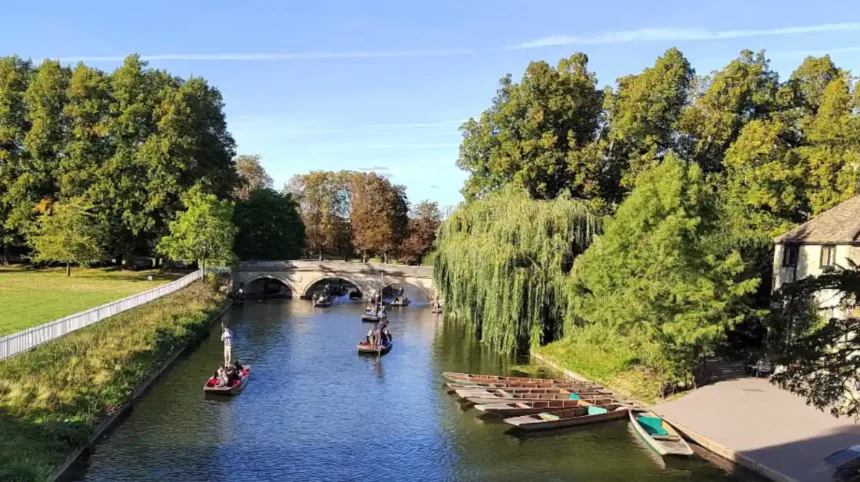
Punting from Cambridge to Grantchester involves navigating a 3-mile stretch of the upper River Cam by self-hire wooden boat, requiring 1.5 to 2 hours of manual propelling past the Mill Pond rollers into quiet rural waters.
Punting to Grantchester requires launching a flat-bottomed wooden punt from the upper river slipways located near Scudamore’s Mill Lane punt station. Boaters must manually transfer their vessel over the Mill Pond rollers or launch directly from the upper river above the Silver Street lock point to enter the non-tidal upper river. Navigation proceeds upstream against a gentle current through shallow waters averaging 2 to 4 feet in depth with gravel riverbeds ideal for pole propulsion.
The water route passes through secluded river corridors framed by overhanging willow trees, far removed from the crowded punt tours along the main college Backs. Navigators pass the Byron’s Pool local nature reserve before reaching the landing stage located at the green bank near the Orchard Tea Garden. Return trips downstream take approximately 60 minutes, bringing total round-trip punting times to 3 hours of physical exertion suitable for experienced or active boaters.
How Do You Cycle from Cambridge to Grantchester using Local Bike Paths?
Cycling from Cambridge to Grantchester takes 15 minutes along National Cycle Network Route 11, following paved paths from Lammas Land through Newnham along Grantchester Road directly into the village center.
Cyclists depart central Cambridge by traveling through Lammas Land park via the paved cycleway parallel to Barton Road and Skater’s Meadow. The primary route follows standard road infrastructure along Grantchester Road, transitioning into safe, designated cycle corridors that bypass heavy vehicular traffic. The total distance measures exactly 2 miles from Cambridge Market Square, offering flat elevation profiles suitable for all bicycle types including commuter bikes, e-bikes, and hybrid rentals.
Alternative off-road routes traverse the perimeter of Grantchester Meadows using shared-use gravel tracks, though cyclists must yield to pedestrians and navigate occasional cattle grids. The village provides bicycle parking stands near major landmarks, including local public houses and historical venues. Cycling represents the most time-efficient individual transport method for commuters and visitors traveling between the city center and South Cambridgeshire villages year-round.
How Do You Take the Bus from Cambridge to Grantchester via Public Transit?
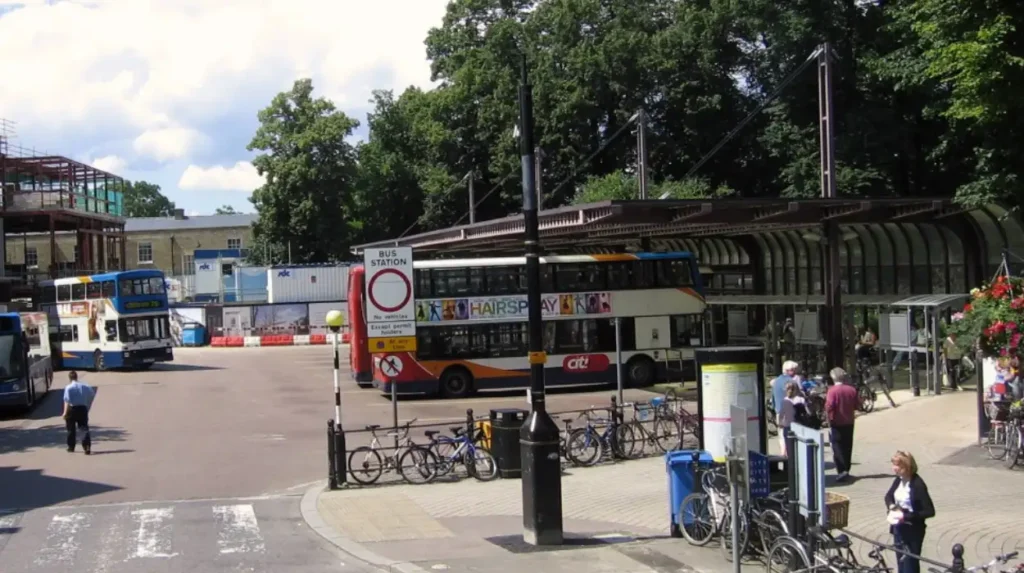
Taking the bus from Cambridge to Grantchester takes 15 to 20 minutes aboard local Stagecoach route 18 or 119 service, departing regularly from Drummer Street Bus Station to Grantchester village stops.
Public bus services connecting Cambridge to Grantchester depart from central boarding bays at Drummer Street Bus Station in the city center. Bus Route 18 operates regular service through the southwestern suburbs, traveling along Trumpington Road and Cambridge Road directly into the heart of Grantchester village. Passenger transit time averages 15 minutes under standard traffic conditions, dropping riders within short walking distance of local historical attractions.
Buses run at set daily intervals from Monday through Saturday, with reduced schedules operating on Sundays and public holidays. Single fares and day-rider passes can be purchased directly from the driver using contactless payment systems or local transport ticketing applications. Bus transit provides an accessible all-weather travel option for visitors seeking to avoid physical activity or navigate during adverse winter weather conditions.
What Historical Context Shapes the Routes Between Cambridge and Grantchester?
The routes between Cambridge and Grantchester originated as medieval trade paths and river navigation corridors used by scholars, farmers, and famous literary figures including Rupert Brooke, Virginia Woolf, and Lord Byron.
Historical movement between the University of Cambridge and Grantchester dates back to the Anglo-Saxon era when ancient tracks connected river crossings along the Cam. During the early 20th century, the footpath across Grantchester Meadows became world-famous due to the Neo-Pagan group of intellectuals led by poet Rupert Brooke. Brooke famously celebrated the village walk and afternoon tea traditions in his 1912 poem written while living at the Old Vicarage.
The upper River Cam served as a commercial transport lane for agricultural barges carrying grain, timber, and livestock between rural estates and city markets. Punting shifted from a commercial freight method to a leisure activity during the late Victorian era as university students adopted wooden punts for recreation. Today, the preserved pathways and riverbanks maintain their historical boundaries under heritage conservation protections managed by local land trusts and councils.
What Seasonal Factors Impact Each Transport Method to Grantchester?
Seasonal changes alter route conditions significantly, with summer offering dry paths and full punt hires, while winter brings localized riverbank flooding, muddy footpaths, and reduced public bus schedules.
Summer conditions from May to September provide optimal weather for walking, cycling, and river punting along the upper River Cam. High tourist volume increases punt rental demand at Mill Pond, while dry soil creates clear walking surfaces across Grantchester Meadows. Daylight hours extend until 9:00 PM, allowing long afternoon excursions and evening returns along unlit rural footpaths.
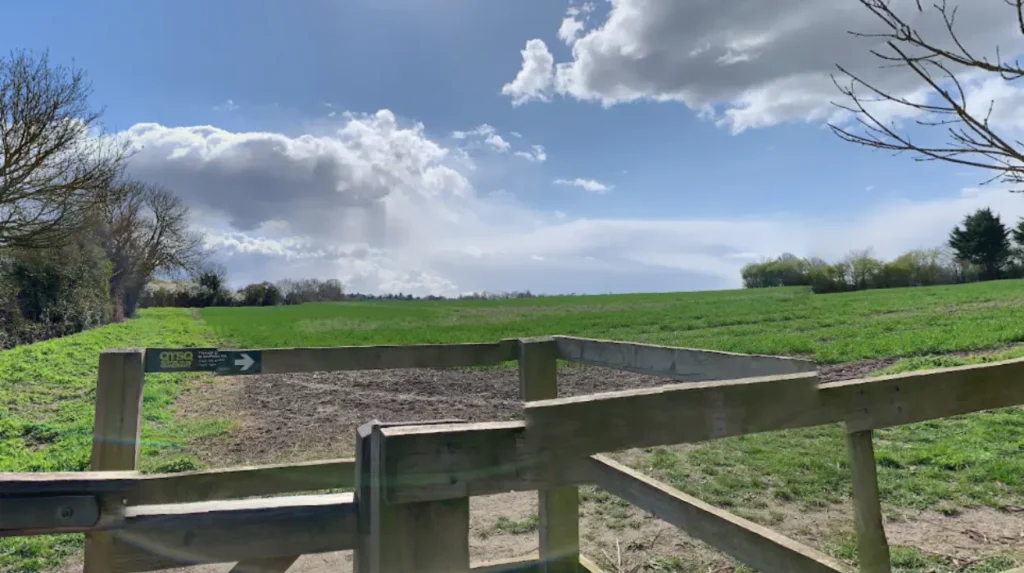
Winter conditions from November to March bring increased rainfall that causes the River Cam to overflow its banks onto low-lying meadow tracks. Waterlogged fields turn footpaths muddy, requiring waterproof boots, while strong river currents can make upstream punting difficult or unsafe. Bus transit and paved road cycling remain the safest, most reliable travel methods during cold, wet, or icy weather periods.
How Do You Plan the Ultimate Round-Trip Excursion to Grantchester?
The ultimate round-trip plan combines a 45-minute walk south through Grantchester Meadows, afternoon tea in the village, and a 15-minute cycle or bus return trip back to Cambridge city centre.
A structured day trip itinerary begins in mid-morning at central Cambridge, departing Mill Pond on foot to enjoy the scenic flora and fauna across Grantchester Meadows. Walkers arrive in Grantchester by noon, leaving ample time to tour the Church of St Andrew and St Mary or explore local dining venues. Visitors often schedule traditional afternoon tea under the apple trees at the historic Orchard Tea Garden, operating continuously since 1897.
For the return journey, travelers can pre-arrange rental bicycle returns or board the afternoon bus service back to Drummer Street. Advanced planning requires checking local weather forecasts, river level reports, and bus timetables to avoid transit delays. Combining two different travel modes maximizes exposure to both natural river landscapes and efficient suburban transport links.
Frequently Asked Questions
How long does it take to walk from Cambridge to Grantchester?
Walking from central Cambridge to Grantchester takes between 45 and 60 minutes. The flat 2.5-mile route starts at Mill Pond and crosses scenic meadows along the River Cam.
Can you punt all the way from Cambridge to Grantchester yourself?
Yes, you can punt to Grantchester by hiring a self-drive boat from the upper river above Mill Pond. The upstream journey takes about 1.5 to 2 hours of manual punting.
Is the walk from Cambridge to Grantchester suitable for strollers and wheelchairs?
The main path across Grantchester Meadows consists of natural dirt and grass, which can become bumpy or muddy. The paved cycle path along Grantchester Road provides a smoother alternative for wheelchairs and strollers.
Are there public buses running between central Cambridge and Grantchester village?
Yes, local buses like the Stagecoach Route 18 run between Cambridge Drummer Street Station and Grantchester. The bus ride takes approximately 15 minutes each way.
What is there to do once you arrive in Grantchester village?
Visitors can enjoy traditional afternoon tea at the Orchard Tea Garden, visit historic pubs, walk through Byron’s Pool, and tour the medieval Church of St Andrew and St Mary.