Cambridge all year round attracts over 8.1 million annual visitors to its historic university city in Cambridgeshire, England. Tourists arrive during four distinct seasonal cycles to explore thirty-one autonomous colleges, the River Cam, medieval architecture, and renowned scientific museums.
- When does the peak summer tourist rush occur in Cambridge?
- How do spring and autumn shoulder seasons impact Cambridge visitor crowds?
- Why is winter the quietest period for exploring Cambridge attractions?
- Which Cambridge landmarks experience the heaviest seasonal bottlenecks?
- What strategies allow travelers to avoid queues at Cambridge colleges and punting docks?
- How does public transportation and park and ride ease Cambridge traffic congestion?
- What major annual events alter seasonal travel patterns in Cambridge?
Cambridge operates as a major academic and cultural hub located fifty-five miles north of central London. The city covers forty-one square kilometers along the banks of the River Cam in eastern England.
VisitBritain and Cambridge City Council records confirm that tourism generates over eight hundred fifty million British pounds annually for the local economy. International travelers and domestic day-trippers form the two primary visitor demographics throughout the twelve calendar months.
Academic terms, weather patterns, and public holidays dictate the exact density of foot traffic across the historic core.
The University of Cambridge shapes the physical and operational rhythm of the entire municipality. Founded in 1209, the institution consists of thirty-one constituent colleges that own vast portions of the city center. Sixteen of these colleges remain open to the general public for architectural tours during designated visiting hours.
King’s College Chapel, Trinity College, and St John’s College draw the highest daily pedestrian volumes. Visitors must account for university term dates, known as Michaelmas, Lent, and Easter terms, when planning itineraries.
When does the peak summer tourist rush occur in Cambridge?
The peak summer tourist rush occurs between June and August when daily visitor numbers exceed thirty-five thousand people. Warm temperatures averaging twenty-two degrees Celsius, school holidays, and international tour groups create maximum congestion across central streets and River Cam punting stations.
July and August represent the highest occupancy months for Cambridge hotels, guesthouses, and short-term rentals. Accommodation occupancy rates regularly surpass ninety-two percent during the third quarter of the calendar year.
King’s Parade, Trinity Street, and Market Hill experience severe pedestrian bottlenecks between eleven in the morning and four in the afternoon. Guided walking tours and open-top sightseeing buses operate at maximum frequency throughout the summer season.
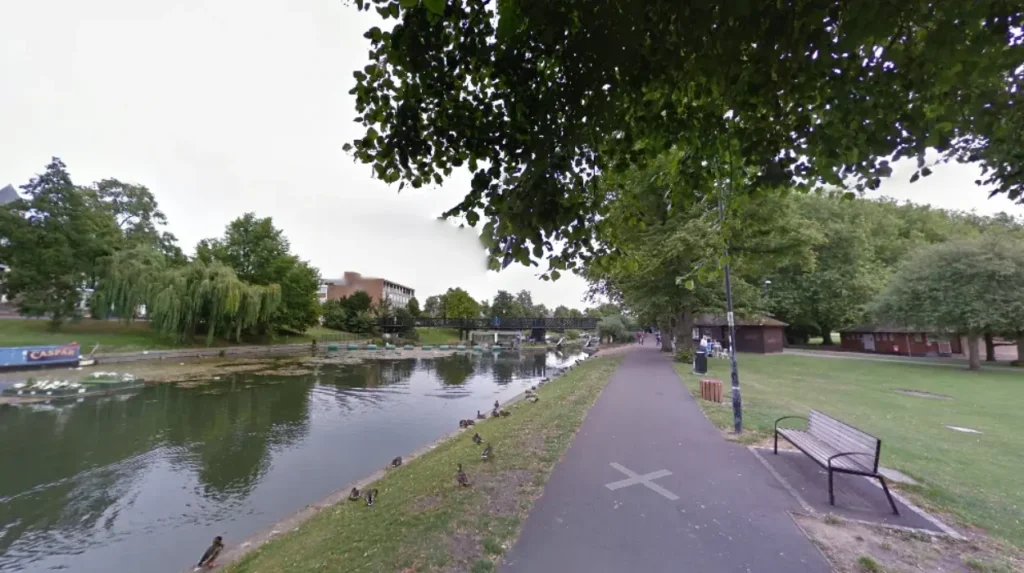
The River Cam becomes the focal point of summer congestion along the section known as the College Backs. Over four hundred traditional flat-bottomed punts operate daily between Magdalene Bridge and Silver Street.
Commercial operators at Quayside and Mill Lane dispatch chauffeured tours every five minutes during peak afternoon hours. Independent renters frequently cause river traffic jams near King’s College Bridge and the Bridge of Sighs. Booking timed entry tickets at least fourteen days in advance prevents extended queue times at major landmarks.
How do spring and autumn shoulder seasons impact Cambridge visitor crowds?
Spring and autumn shoulder seasons reduce Cambridge visitor crowds by thirty-five percent compared to peak summer months. April, May, September, and October deliver mild temperatures around fifteen degrees Celsius, full college access, and shorter queues at major landmarks and museums.
Spring arrives in Cambridge during late March and continues through the end of May. The Backs feature extensive displays of daffodils and cherry blossoms along the riverbanks behind King’s and Clare Colleges.
However, late April through mid-June coincides with the University of Cambridge examination period. Colleges including Trinity, St John’s, and Corpus Christi close their courtyards to tourists to protect student quiet hours. Travelers visiting in May must verify individual college opening schedules before arriving at the porter’s lodge.
Autumn spans September through November and offers the most balanced conditions for cultural exploration. The summer language school students depart by late August, freeing up sidewalks and cafes across the city center.
October marks the start of the Michaelmas academic term, bringing twelve thousand undergraduate and twelve thousand postgraduate students back into residence.
Matriculation ceremonies, formal hall dinners, and academic processions return to the historic streets. Foliage along Trinity Avenue and the Cambridge University Botanic Garden turns deep gold and crimson during mid-October.
Why is winter the quietest period for exploring Cambridge attractions?
Winter is the quietest period in Cambridge because daily visitor arrivals drop by sixty percent between November and February. Cold temperatures averaging seven degrees Celsius, shorter daylight hours, and fewer international flights create uncrowded streets, lower hotel rates, and immediate museum access.
January and February record the lowest hotel room rates of the entire year, with prices falling up to forty percent below July averages. Major indoor institutions remain fully operational throughout the winter months without summer crowd restrictions.
The Fitzwilliam Museum on Trumpington Street houses over five hundred thousand artworks and antiquities with zero entry queues in winter. The Sedgwick Museum of Earth Sciences and the Museum of Archaeology and Anthropology provide warm indoor educational itineraries.
December introduces temporary seasonal spikes centered around specific festive traditions and Christmas markets. The Festival of Nine Lessons and Carols at King’s College Chapel on December twenty-fourth draws thousands of applicants for limited seating.
Visitors queue outside the chapel gates starting at seven in the morning to secure unreserved nave seats. Parker’s Piece hosts the annual North Pole winter festival featuring an open-air ice rink and alpine market stalls. Outside of these specific December events, winter travelers enjoy unobstructed photography across every historic courtyard.
Which Cambridge landmarks experience the heaviest seasonal bottlenecks?
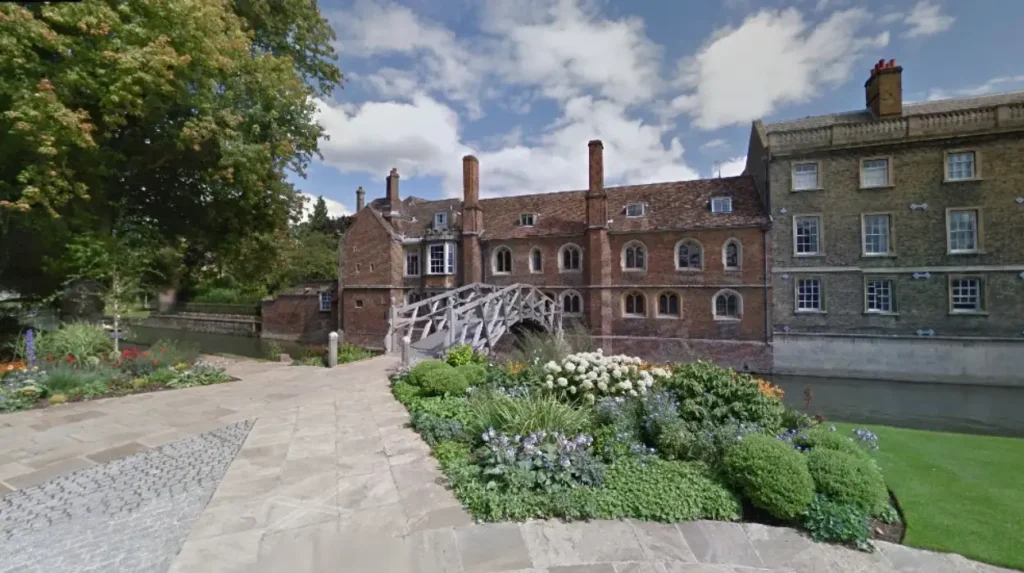
King’s College Chapel, the Bridge of Sighs, the Mathematical Bridge, and the Round Church experience the heaviest seasonal bottlenecks. These four architectural sites sit along a single one-mile pedestrian corridor, concentrating eighty percent of all sightseeing foot traffic into narrow medieval lanes.
King’s College Chapel receives over three hundred fifty thousand paying visitors each year. Built between 1446 and 1515, the perpendicular Gothic structure features the largest fan-vaulted ceiling in the world.
Timed ticketing systems restrict entry to specific fifteen-minute windows to prevent interior overcrowding. The adjacent Great Court of Trinity College ranks second in daily visitor volume due to its association with Sir Isaac Newton.
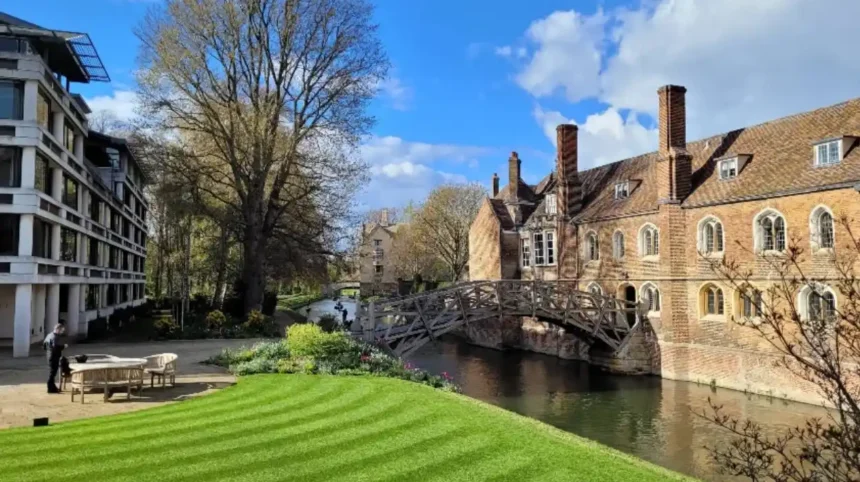
The Bridge of Sighs at St John’s College and the Mathematical Bridge at Queens’ College attract dense crowds both on land and on the water. The Bridge of Sighs, completed in 1831, connects the Third Court and New Court across the River Cam.
The Mathematical Bridge, designed by William Etheridge in 1749, showcases tangent and radial timber truss engineering. Tourists frequently block the narrow walkways on Silver Street and St John’s Street while photographing these structures.
What strategies allow travelers to avoid queues at Cambridge colleges and punting docks?
Travelers avoid queues by booking online tickets before nine in the morning, punting before ten-thirty, and entering colleges during weekday afternoons. Purchasing digital passes for King’s College and Queens’ College eliminates physical ticket office waits during peak tourism periods.
Early morning scheduling provides the single most effective method for bypassing pedestrian congestion. Punting stations at Mill Lane and Jesus Green open at nine in the morning with fully available fleets and calm water conditions.
Commercial punting tours booked before ten-thirty cost up to twenty-five percent less than afternoon walk-up fares. Walking along King’s Parade between seven-thirty and nine in the morning allows visitors to view college facades without tour groups.
Choosing alternative colleges reduces wait times while delivering identical historical and architectural depth. Pembroke College, founded in 1347, features the first chapel designed by Sir Christopher Wren and charges zero admission fees.
Peterhouse, established in 1284 as the oldest Cambridge college, welcomes visitors into its medieval hall and deer park without timed entry restrictions. Jesus College and Downing College offer expansive green grounds located ten minutes north and south of the congested central spine.
How does public transportation and park and ride ease Cambridge traffic congestion?
Cambridge Park and Ride operates five perimeter bus terminals that remove over four thousand cars daily from the historic city center. Dedicated bus lanes connect Madingley Road, Trumpington, Babraham Road, Newmarket Road, and Milton directly to the central bus station.
Private vehicles face strict traffic restrictions throughout central Cambridge under the Cambridgeshire County Council transport plan. Rising bollards block general motor traffic from entering Trinity Street, King’s Parade, and Silver Street between ten in the morning and four in the afternoon. Central multi-story car parks at Grand Arcade and Grafton Centre charge high hourly rates and reach full capacity by eleven on weekends.
The Park and Ride network provides free parking for up to eighteen hours at all five perimeter sites. Electric double-decker buses depart every ten minutes from Monday through Saturday and every fifteen minutes on Sundays.
A standard return bus ticket costs four British pounds per adult, and up to three children travel free with a paying adult. National Rail services from London King’s Cross and London Liverpool Street arrive at Cambridge Station in fifty minutes, connecting directly to the city center via the Stagecoach Citi 1 and Citi 3 bus routes.
What major annual events alter seasonal travel patterns in Cambridge?
Five major annual events alter seasonal travel patterns in Cambridge, including the Cambridge Folk Festival, May Bumps rowing races, Cambridge Festival, Strawberry Fair, and University Graduation. Each event increases local accommodation demand by twenty-five percent and closes specific roads or river sections.
The Cambridge Festival takes place every March and features over three hundred free science, technology, and humanities events across university departments. May Bumps occurs during the second week of June, drawing thousands of spectators to the riverbanks at Fen Ditton to watch collegiate rowing crews compete. Strawberry Fair occupies Midsummer Common on the first Saturday of June, attracting thirty thousand attendees to free music and arts stages.
The Cambridge Folk Festival brings fourteen thousand music fans to Cherry Hinton Hall during the final weekend of July. General Admission and Senate House graduations occur in late June and early July, temporarily closing King’s Parade to non-academic foot traffic. Travelers visiting during these scheduled dates must secure accommodation three to six months in advance.
What is the best month to visit Cambridge to avoid crowds?
October and April are the best months to visit Cambridge for low crowds and pleasant weather. Summer language school groups are absent during these months, and temperatures average fifteen degrees Celsius. Visitors experience shorter lines at King’s College Chapel and lower prices on River Cam punting tours.
Are Cambridge colleges open to tourists during exam season?
Most major Cambridge colleges close to tourists from late April until mid-June for annual university examinations. Trinity College, St John’s College, and Clare College restrict public entry to maintain quiet study environments for students. King’s College Chapel remains open during this period, though courtyard access is limited.
Is punting on the River Cam worth doing in winter?
Punting on the River Cam operates all year round and offers peaceful, uncrowded river views during winter. Commercial operators provide heavy blankets, hot water bottles, and umbrellas on chauffeured tours between November and February. Ticket prices drop significantly in winter, and boats avoid the heavy river traffic common in July.
How many days do you need to see Cambridge properly?
Two full days provide enough time to tour the major colleges, punt on the River Cam, and visit two museums. Day one covers King’s College, Trinity College, the Backs, and a chauffeured punt tour. Day two allows time for the Fitzwilliam Museum, the Round Church, and the Cambridge University Botanic Garden.
Do you need to book Cambridge college tickets in advance?
You must book tickets in advance for King’s College Chapel and Queens’ College during spring and summer. Both institutions use timed online entry systems that frequently sell out by midday on weekends. Smaller colleges like Pembroke, Peterhouse, and Emmanuel do not require advance bookings and admit visitors at the gate.