
Living in Cambridge without a car is highly practical due to the extensive cycling network, walkable historic layout, comprehensive bus systems, and accessible regional train connections that serve daily commuting, shopping, and leisure needs across the entire city efficiently.
- How do public transport systems function in Cambridge?
- What are the best methods for cycling and walking in Cambridge?
- How can residents handle grocery shopping without a personal car?
- How do families manage childcare, school runs, and healthcare without a car?
- Is it expensive to rely on public transport and e-bikes in Cambridge?
- What is the best neighborhood in Cambridge to live in without a car?
- How do residents move furniture or large items without owning a vehicle?
- How does weather affect cycling and walking throughout the year in Cambridge?
- Are regional day trips outside Cambridge easy to manage without a car?
Cambridge is recognized across the United Kingdom as a leading urban location for car-free residential life.
The geographic structure of the city features a compact urban core, flat topography, and historical medieval street patterns that naturally restrict heavy motor vehicle traffic.
According to data from Cambridgeshire County Council, over forty percent of residents cycle at least once a week for daily travel across the city.
The local municipal layout integrates high-density residential developments directly with commercial districts, reducing spatial distances between housing, employment hubs, and educational institutions.
The economic feasibility of maintaining a car-free lifestyle in Cambridge provides clear financial benefits for single occupants and families.
The average annual cost of maintaining a private motor vehicle in the United Kingdom exceeds three thousand pounds sterling when accounting for insurance premiums, fuel expenditures, parking permits, and regular maintenance requirements.
Residents operating without a vehicle reallocate these financial resources toward housing costs or personal savings.
Furthermore, municipal zoning policies in central Cambridge enforce strict parking controls, including low-emission zones and residential parking permit limits, making private car ownership logistically restrictive compared to alternative transit methods.
Transit infrastructure planning in Cambridgeshire continues to prioritize non-motorized and public travel modes.
The Greater Cambridge Partnership manages ongoing transport investments designed to expand dedicated bus lanes, greenways, and active travel routes across outlying suburban districts like Chesterton, Cherry Hinton, and Trumpington.
The integration of physical transit infrastructure with digital tracking applications allows residents to coordinate multimodal journeys without relying on private automobiles.
Consequently, daily operational life in Cambridge functions reliably through a combination of walking, cycling, public buses, shared micromobility schemes, and national railway links.
How do public transport systems function in Cambridge?
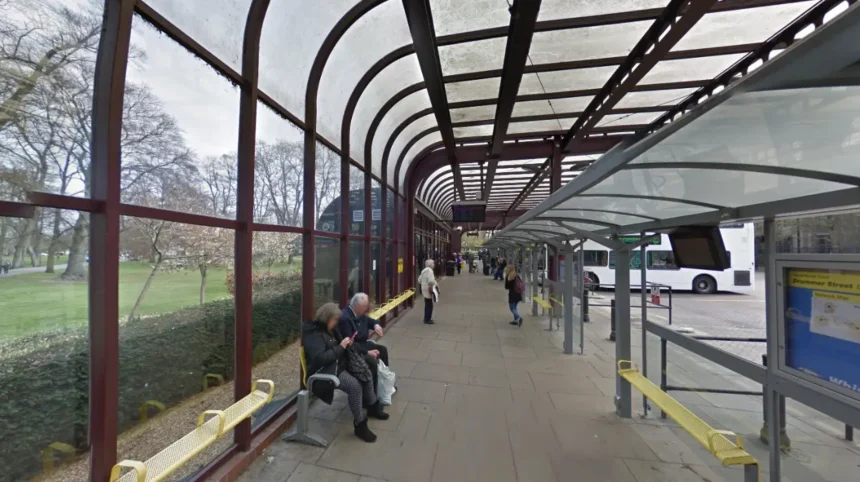
Public transport in Cambridge operates through an integrated network of local stagecoach buses, guided busway services, regional passenger trains, and electric bike sharing schemes that connect central districts, residential suburbs, and major employment campuses.
Stagecoach East acts as the primary operator for inner-city and suburban bus services across Cambridge.
The central bus station located at Drummer Street serves as the main interchange hub for routes extending to Addenbrooke’s Hospital, the Science Park, and outer residential developments.
Bus schedules operate at frequent intervals during peak hours, with digital real-time departure displays installed at major passenger shelters.
Fares can be paid using contactless payment cards or mobile ticketing platforms, simplifying transit access for everyday riders.
The Cambridgeshire Guided Busway represents a dedicated transit corridor connecting Huntingdon and St Ives directly to central Cambridge, North Cambridge railway station, and the Cambridge Biomedical Campus.
Running on segregated concrete tracks, guided buses bypass suburban road traffic during peak congestion hours, providing high-frequency transit between suburban regions and key work sites.
The busway tracks are paralleled by a fully paved maintenance track utilized exclusively by pedestrians and cyclists for long-distance active travel.
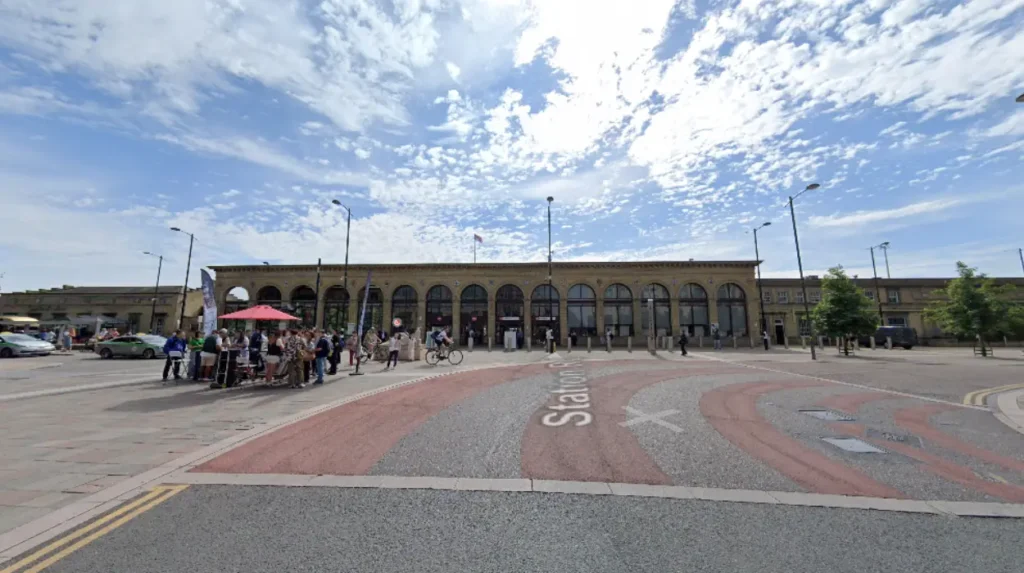
Railway infrastructure in the city is anchored by two main passenger stations: Cambridge Station on Station Road and Cambridge North Station near Chesterton.
Greater Anglia, Great Northern, and Thameslink operate direct, high-frequency rail links connecting Cambridge to London King’s Cross, London Liverpool Street, Stansted Airport, Ely, and Norwich.
These rail lines facilitate easy long-distance travel without requiring private car ownership.
Additionally, shared micromobility operations, including Voi rental e-scooters and e-bikes, provide dockless travel options across marked parking zones throughout the city.
What are the best methods for cycling and walking in Cambridge?
Cycling and walking in Cambridge are best executed by utilizing off-road greenways, segregated cycle tracks like the Chisholm Trail, low-speed traffic zones, and clear pedestrian pathways that connect major residential, educational, and commercial areas.
The city of Cambridge possesses designated cycle lanes and traffic-free pathways, giving it the highest rate of cycling in the United Kingdom.
Infrastructure developments such as the Chisholm Trail provide a continuous, high-capacity, off-road cycling route linking Cambridge Central Station to Cambridge North Station and the Cambridge Science Park.
Key cycle routes utilize segregated lanes along major thoroughfares including Hills Road, Huntingdon Road, and Newmarket Road, separating active cyclists from motor vehicle traffic for improved safety and travel speed.
Pedestrian movement in Cambridge is supported by an extensive network of fully paved footpaths, pedestrianized town centre streets, and public parks.
Historical thoroughfares such as Trinity Street, Market Hill, and Sidney Street operate with restricted vehicle access during daytime hours, prioritizing foot traffic for shoppers and tourists.
The public green spaces, including Parker’s Piece, Jesus Green, Midsummer Common, and the Backs, provide scenic, direct, and well-lit pedestrian corridors across central geographical areas.
Safety, bike security, and maintenance represent essential factors for long-term cycling and walking in the city.
Cycle parking facilities are widely distributed, including the multi-storey CyclePoint facility at Cambridge Railway Station which provides secure, covered storage for up to nearly three thousand bicycles.
Regular bike maintenance is supported by numerous independent bike shops situated across areas like Mill Road and Chesterton Road.
Utilizing high-security D-locks, front and rear LED lighting systems, and reflective apparel during winter months ensures safe, reliable cycling across all urban zones throughout the calendar year.
How can residents handle grocery shopping without a personal car?
Residents handle grocery shopping without a car by combining walkable local high-street markets, home delivery services from major supermarket chains, specialized cargo bikes, and strategically located neighborhood convenience stores.
Supermarket distribution within Cambridge caters directly to non-motorized shoppers through central retail branches and widespread home delivery coverage.
Major retail chains such as Sainsbury’s, Tesco, Waitrose, and Marks & Spencer maintain multiple central locations within short walking distance of residential quarters, including locations on Sidney Street, Grafton Centre, and the Beehive Centre.
For larger bulk food purchases, online grocery delivery services allow residents to schedule precise delivery time windows directly to their front door via web or mobile application platforms.
Local food markets and independent grocers provide high-density shopping options along vibrant commercial corridors like Mill Road, Chesterton Road, and Histon Road.
Mill Road features a wide range of international food markets, organic bakeries, and fresh produce vendors that allow residents to purchase daily essentials in smaller quantities during foot travel.
The historic Cambridge Market Square operates seven days a week in the city centre, supplying fresh vegetables, fruits, bread, cheeses, and hot meals directly from regional producers.
Transportation of heavy items and bulk groceries is routinely accomplished using functional cycling accessories and lightweight rolling shopping bags.
Pannier bags mounted on rear bike racks, front-mounted baskets, and waterproof backpacks are widely used by residents to carry moderate grocery loads safely while maintaining steering balance.
For larger family shopping requirements, electric cargo bikes available via local rental or ownership models offer high volume capacities, allowing users to transport heavy goods across the city effortlessly.
How do families manage childcare, school runs, and healthcare without a car?
Families manage daily routines without a car by enrolling in neighborhood primary schools within walking distance, utilizing electric cargo bikes for child transport, relying on localized GP surgeries, and accessing Addenbrooke’s Hospital via dedicated bus routes.
Educational infrastructure within Cambridge is planned around residential catchments, enabling most pupils to access primary and secondary schools within short walking or cycling distances.
Local primary schools across areas like Romsey, Newnham, and Castle are connected to nearby housing through designated safer routes to school schemes featuring low-speed traffic zones, signalized crossings, and traffic-free pathways.
For younger children, double-seated child trailers, child bike seats, and long-tail electric cargo bikes allow parents to transport multiple children safely to nurseries and primary facilities in all weather conditions.
Primary healthcare access is managed through neighborhood General Practitioner surgeries distributed across every major residential district in the city.
Surgeries such as Newnham Walk Surgery, Trumpington Street Medical Practice, and Arbury Road Surgery are situated within pedestrian catchments or adjacent to local bus stops.
Routine health visits, pharmacy prescriptions, and child immunizations are routinely reached on foot or by bicycle without requiring private vehicle journeys.
Emergency and specialized medical care is centralized at the Cambridge Biomedical Campus, home to Addenbrooke’s Hospital and the Rosie Hospital.
The campus serves as a primary transit terminus for multiple Stagecoach bus routes, including the Citi 1, Citi 2, and Guided Busway services, providing direct connections from all surrounding suburbs every few minutes.
Non-emergency medical transport, patient drop-off zones, and accessible public transit options ensure that individuals and families can reach clinical facilities efficiently day or night without owning a private vehicle.
Is it expensive to rely on public transport and e-bikes in Cambridge?
Public transport costs in Cambridge are generally lower than maintaining a private motor vehicle. Single bus tickets, weekly pass options, and discounted railcards keep monthly travel expenditures reasonable, while e-bike or e-scooter usage operates on transparent pay-as-you-go or subscription models.
What is the best neighborhood in Cambridge to live in without a car?
Central areas like Petersfield, Romsey along Mill Road, Chesterton, and the City Centre offer high walkability scores, immediate access to supermarkets, and direct bus or cycle routes to major employment parks and railway stations.
How do residents move furniture or large items without owning a vehicle?
Residents utilize local man-and-van hire services, rent short-term vans via car club schemes like Zipcar, or arrange direct home delivery options offered by furniture retailers when purchasing large household items.
How does weather affect cycling and walking throughout the year in Cambridge?
Cambridge receives lower annual rainfall than the United Kingdom national average due to its eastern geographical location. Equipping bikes with full-length mudguards and wearing layered waterproof clothing makes active commuting comfortable through winter months.
Are regional day trips outside Cambridge easy to manage without a car?
Direct rail routes connecting Cambridge Station to Ely, London, Norwich, and King’s Lynn make regional excursions simple, while local bus lines offer regular connections to historic villages across East Anglia.