

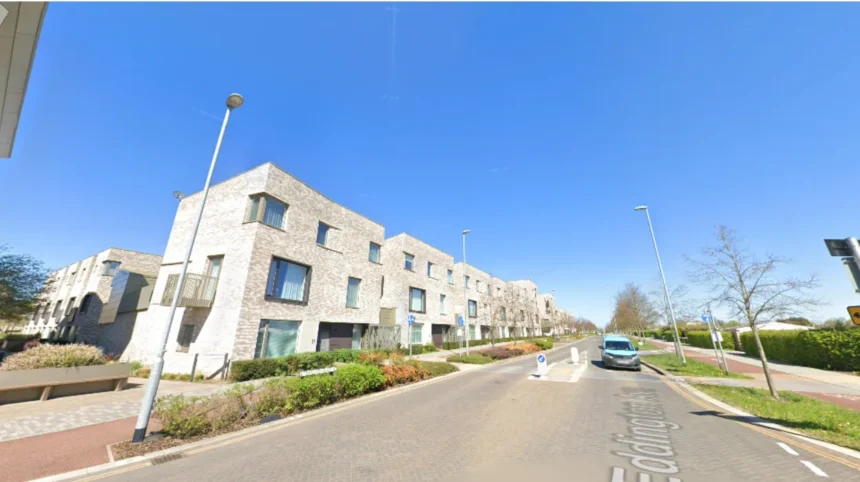
The average private rent in Cambridge reaches £1,800 per calendar month for typical residential dwellings. Single bedroom apartments in central zones demand higher rates, while multi-bedroom shared properties lower individual accommodation expenses across regional borders.
- What Are the Transport Fares and Commuting Expenses in Cambridge?
- How Much Do Monthly Household Utilities Cost in Cambridge?
- What Is the Average Cost of Groceries and Daily Food in Cambridge?
- How Much Is Council Tax set across Cambridge Neighborhoods?
- What Are the Expenses for Healthcare, Childcare, and Education in Cambridge?
- What is the average total monthly budget needed to live in Cambridge?
- Is Cambridge more expensive to live in than London?
- How can residents save money on transport in Cambridge?
- Are full-time university students exempt from Cambridge Council Tax?
- What are the cheapest areas to rent property near Cambridge?
Cambridge represents one of the most expensive housing markets in the United Kingdom outside London. High demand from university staff, technology professionals, and research scientists maintains pressure on local property stock. Renters pay premium rates near Cambridge Railway Station and Science Park, whereas outer districts offer modest financial relief.
Landlords require security deposits equivalent to five weeks of rent under United Kingdom tenancy legislation. Tenants also encounter upfront costs including advanced monthly rent payments and credit verification processing. Property purchase prices reflect similar demand pressures, with median house prices exceeding national averages by significant margins.
Suburban areas provide cheaper housing options for commuters willing to travel into the municipal core. Neighborhoods such as Chesterton, Arbury, and Cherry Hinton deliver residential choices at reduced rates compared to Central Square or Historic Core developments.
What Are the Transport Fares and Commuting Expenses in Cambridge?
Single bus fares in Cambridge cost £3 under national regional transport fare caps. Commuters using daily or weekly bus passes pay between £6.80 and £28 across municipal service zones operated by regional bus providers.
Public transportation in Cambridge relies on bus routes, regional rail connections, and extensive cycling networks. Stagecoach East operates primary bus routes connecting city center stops with surrounding villages and research hubs. Passengers purchasing a 7-day DayRider pass access unlimited suburban bus travel for fixed recurring fees.
Train travel to London King’s Cross or London Liverpool Street adds substantial costs for regular long-distance commuters. Annual rail season tickets require several thousand pounds, making localized employment options financially preferable for many residents. Rail journeys between Cambridge and Cambridge North stations serve local workers traversing tech corridors.
Cycling serves as the primary mode of transit for a large percentage of local residents. The city contains dedicated bike lanes, reducing transport expenses to basic bicycle purchase and routine maintenance fees.
How Much Do Monthly Household Utilities Cost in Cambridge?
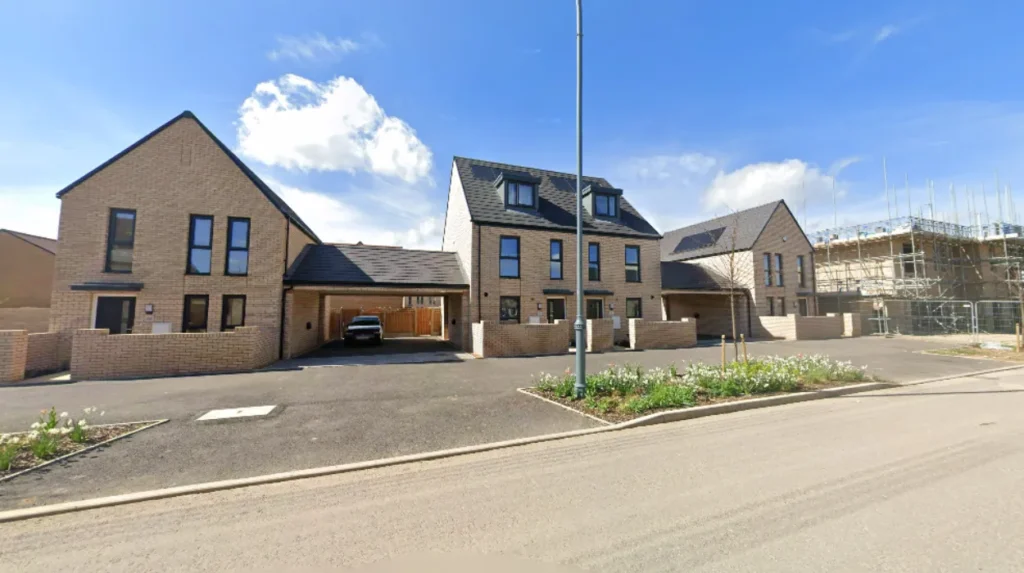
Standard monthly utility bills for a typical two-bedroom property in Cambridge average £180 to £250. Household utility expenses cover mains electricity, natural gas supplies, water service, sewerage processing, and high-speed broadband connections.
Energy charges vary by seasonal consumption patterns and property efficiency ratings under national price caps. Older Victorian terraced houses incur higher heating costs during winter months due to single glazing and structural draft loss. Modern eco-friendly developments lower electricity and gas demands through standardized insulation measures.
Water supply and wastewater processing services are managed by Cambridge Water and Anglian Water regional authorities. Residential meters determine precise monthly bills based on total volumetric liquid consumption across households.
Broadband internet connections cost between £25 and £45 per month depending on provider speeds. Mobile phone tariffs add £10 to £25 per user, completing necessary household utility budgets.
What Is the Average Cost of Groceries and Daily Food in Cambridge?
An individual resident spends approximately £170 to £250 per month on regular grocery purchases in Cambridge. Essential food items mirror national British supermarket prices across major retail chains.
Retail food outlets in Cambridge include high-end grocers, standard national supermarkets, and budget retail chains. Outlets such as Aldi and Lidl provide budget grocery options on city outskirts. Central locations host stores like Sainsbury’s, Tesco, and Marks & Spencer, which charge standard retail rates.
Weekly food expenditures depend heavily on personal cooking habits and dining preferences. Buying staple goods in bulk reduces total monthly food bills for families and shared households. Fresh produce from historic outdoor markets offers seasonal alternatives to packaged supermarket goods.
Dining out increases monthly daily food expenditures significantly across all demographics. Pub meals cost between £12 and £20 per plate, while standard restaurant dinners average higher fees.
How Much Is Council Tax set across Cambridge Neighborhoods?
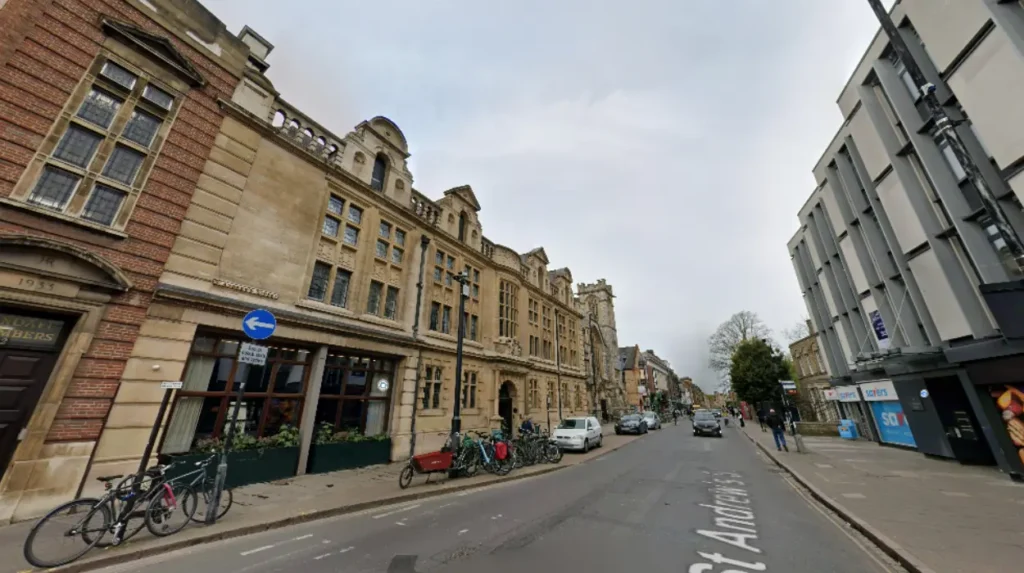
Council Tax charges in Cambridge range from £1,500 to over £4,000 per year depending on property valuation bands. Local councils assign homes to bands from A through H based on historic property valuations.
Cambridge City Council and South Cambridgeshire District Council collect local taxes to fund municipal services. Revenues pay for waste collection, road maintenance, public parks, street lighting, and regional emergency services. Band D properties incur average annual council tax charges around £2,200.
Full-time students receive complete exemption from local council tax liabilities upon filing official academic certificates. Single adult occupants qualify for a 25 percent discount on annual council tax statements.
Properties located in surrounding villages fall under adjacent local district council jurisdictions. Rates vary slightly across administrative boundaries while maintaining similar overall baseline charges.
What Are the Expenses for Healthcare, Childcare, and Education in Cambridge?
Full-time full-day childcare in Cambridge costs between £1,200 and £1,600 per month per child. Education expenses vary based on choices between state schools and fee-paying independent institutions.
National Health Service medical care remains free at the point of delivery for eligible UK residents. Prescription charges in England cost a fixed fee per item unless standard exemption criteria apply. Private medical insurance adds optional monthly expenses for residents seeking private hospital treatment.
Preschool and nursery settings charge high rates due to strong local demand from working parents. Government programs provide funded childcare hours for eligible three and four-year-old children, lowering net household costs.
State primary and secondary schools offer tuition-free education across city catchment zones. Independent schools require substantial term fees, increasing overall household expenditures for enrolled families.
What is the average total monthly budget needed to live in Cambridge?
A single individual needs between £1,300 and £1,900 per month to cover basic rent, food, transport, and utilities. Families require higher monthly budgets exceeding £3,500 depending on housing size and childcare needs.
Is Cambridge more expensive to live in than London?
Cambridge is generally less expensive than London, but it remains one of the costliest cities in the United Kingdom. Rent and dining prices are lower than central London, while local transport and grocery costs remain comparable.
How can residents save money on transport in Cambridge?
Residents save money by using bicycles for daily travel across the city’s flat terrain and cycle networks. Buying weekly or monthly Stagecoach bus tickets also reduces transit costs compared to purchasing individual daily tickets.
Are full-time university students exempt from Cambridge Council Tax?
Full-time university students are completely exempt from paying council tax in Cambridge. Households composed entirely of full-time students must submit university enrollment letters to the local council to clear annual tax liabilities.
What are the cheapest areas to rent property near Cambridge?
Cheaper areas to rent include outer suburbs like Arbury, Chesterton, and Cherry Hinton. Nearby commuter villages such as Waterbeach, Ely, and Cambourne offer lower private rental rates connected by regional rail and bus links.