

Cycling from Cambridge to Fen Ditton along the River Cam is one of the city’s most scenic and accessible leisure rides. The route combines riverside paths, green open spaces, historic landmarks, and traffic-free sections, making it suitable for families, commuters, and recreational cyclists. It also forms part of the wider National Cycle Network, connecting Cambridge with Bottisham, Anglesey Abbey, Ely, and other destinations across Cambridgeshire.
- Why is the Cambridge to Fen Ditton cycling route so popular?
- Where does the cycling route start and finish?
- What attractions can cyclists enjoy along the River Cam?
- Is the Cambridge to Fen Ditton cycle route suitable for beginners and families?
- What is the best route to follow from Cambridge to Fen Ditton?
- When is the best time to cycle from Cambridge to Fen Ditton?
- What facilities are available along the Cambridge to Fen Ditton cycling route?
- How does the route connect with other cycling destinations in Cambridgeshire?
- What should cyclists know before riding from Cambridge to Fen Ditton?
- Frequently Asked Questions
The journey covers approximately 2.5 to 3 miles (4 to 5 kilometres) from central Cambridge to Fen Ditton. Most cyclists complete it within 20 to 30 minutes at a relaxed pace. The terrain is almost entirely flat, reflecting the low-lying Fen landscape for which Cambridgeshire is well known. The combination of paved paths and riverside trails makes this one of the region’s most popular cycling routes.
Why is the Cambridge to Fen Ditton cycling route so popular?
The Cambridge to Fen Ditton cycle route follows the River Cam through parks, commons, and meadows while avoiding most busy roads. Its flat terrain, attractive scenery, and direct access to National Cycle Network Route 51 make it one of Cambridge’s most accessible and enjoyable cycling experiences.
Cambridge consistently ranks among the UK’s leading cycling cities because of its extensive network of dedicated cycleways and relatively compact urban layout. The route towards Fen Ditton showcases many of these advantages within a short distance. Cyclists leave the busy city centre and quickly reach peaceful green spaces where motor traffic is minimal.
One of the defining characteristics of this route is its connection with the River Cam. The river has shaped Cambridge’s development for centuries and remains central to the city’s identity. Along the journey, cyclists often pass rowing crews training on the water, traditional punts carrying visitors, and riverside wildlife including swans, ducks, moorhens, and herons.
The route also serves practical transport purposes. It links residential neighbourhoods with educational institutions, public parks, and villages east of Cambridge. Beyond Fen Ditton, cyclists can continue towards Bottisham, Anglesey Abbey, Wicken Fen, Ely, or Newmarket using National Cycle Network Routes 11 and 51.
Unlike many urban cycle routes, this journey offers uninterrupted natural scenery without requiring advanced cycling skills. The flat elevation means riders of different ages and fitness levels can complete the route comfortably.
Where does the cycling route start and finish?
The most common starting point is central Cambridge near the River Cam, with the route finishing in Fen Ditton beside Ditton Meadows. The journey follows National Cycle Network signs through riverside parks before reaching one of Cambridgeshire’s oldest villages.
Many cyclists begin near Bridge Street, St John’s College, or Quayside because these locations provide immediate access to riverside cycle paths. The National Cycle Network is clearly signposted throughout the city, making navigation straightforward even for first-time visitors.
From the city centre, the route passes through several well-known green spaces. Jesus Green provides wide shared-use paths alongside the river, while Midsummer Common offers open grassland that has hosted markets and fairs for centuries. These locations create a gradual transition from the historic city into quieter natural surroundings.
Continuing east, cyclists reach Stourbridge Common before entering Ditton Meadows. These protected riverside meadows provide expansive views across the River Cam and represent one of the most picturesque sections of the journey. Fen Ditton itself lies immediately beyond the meadows and retains much of its historic village character despite its proximity to Cambridge.
The complete ride is generally between 20 and 30 minutes without extended stops, although many visitors spend additional time enjoying the riverside environment or exploring local walking paths.
What attractions can cyclists enjoy along the River Cam?
The route includes historic colleges, riverside parks, rowing facilities, Ditton Meadows, and traditional village scenery. These landmarks combine Cambridge’s academic heritage with protected natural landscapes, creating one of eastern England’s most attractive short-distance cycling experiences.
One of the earliest highlights is the section beside the River Cam where traditional punts navigate the water throughout much of the year. The river remains internationally recognised for rowing, with university crews regularly training along this stretch.
Jesus Green and Midsummer Common provide extensive open spaces immediately adjacent to the river. These parks accommodate cyclists while also supporting recreational activities including walking, running, and organised sporting events. Mature trees, open lawns, and riverside seating create numerous stopping points.
Further along the route stands the Cambridge Museum of Technology, housed within a restored Victorian pumping station. The museum illustrates Cambridge’s industrial and engineering heritage while marking an important point along National Cycle Network Route 11.
Approaching Fen Ditton, cyclists enter Ditton Meadows, an area recognised for its ecological importance and uninterrupted views across the surrounding Fen landscape. The transition from urban Cambridge to open countryside occurs within only a few miles, making this route distinctive compared with many other city cycle rides.
Is the Cambridge to Fen Ditton cycle route suitable for beginners and families?
The Cambridge to Fen Ditton cycling route is ideal for beginners, families, and casual riders because it follows mostly traffic-free paths with flat terrain. Wide shared-use routes, clear National Cycle Network signs, and short distances make the journey comfortable for cyclists of all ages.
Cambridgeshire is one of the flattest counties in England, making cycling easier than in many other parts of the UK. The route to Fen Ditton has very few gradients, allowing riders to maintain a steady pace without demanding climbs. This makes it especially suitable for children, older adults, and people returning to cycling after a long break.
Most of the journey follows shared pedestrian and cycle paths through parks and riverside green spaces. Cyclists avoid busy city traffic for much of the ride, although extra care is required when crossing roads near Fen Ditton, particularly around High Ditch Road. Clear crossing points and dedicated cycle facilities improve safety throughout the route.
Families often stop at Jesus Green, Midsummer Common, or Ditton Meadows for picnics or short breaks. These large open areas provide plenty of space for children while offering attractive views of the River Cam. During warmer months, the riverside atmosphere creates one of the most enjoyable leisure rides in Cambridge.
Cyclists should remain considerate of pedestrians because several sections are shared-use paths. Riding at moderate speeds and giving audible warning before overtaking helps ensure everyone enjoys the route safely.
What is the best route to follow from Cambridge to Fen Ditton?
The easiest route begins at Bridge Street or Midsummer Common, follows National Cycle Network Route 11 beside the River Cam, continues through Jesus Green, Stourbridge Common, and Ditton Meadows, before reaching Fen Ditton village and connecting with Route 51.
Starting from central Cambridge, cyclists first reach Jesus Green using riverside cycle paths. This section provides excellent views of college boathouses and rowing crews training along the River Cam. The route remains well signposted throughout, reducing the need for navigation devices.
After leaving Jesus Green, the cycleway continues across Midsummer Common before passing the Cambridge Museum of Technology. This Victorian pumping station represents an important part of the city’s industrial heritage and serves as a notable landmark along the journey.
The route then crosses Stourbridge Common before entering Ditton Meadows, where the landscape becomes noticeably quieter and more rural. Open grasslands stretch alongside the River Cam, creating uninterrupted views across the Cambridgeshire Fens.
Cyclists arriving in Fen Ditton can continue towards Bottisham, Anglesey Abbey, Wicken Fen, or Ely using National Cycle Network Routes 11 and 51. These longer-distance connections make Fen Ditton an excellent starting point for extended day rides across eastern Cambridgeshire.
When is the best time to cycle from Cambridge to Fen Ditton?
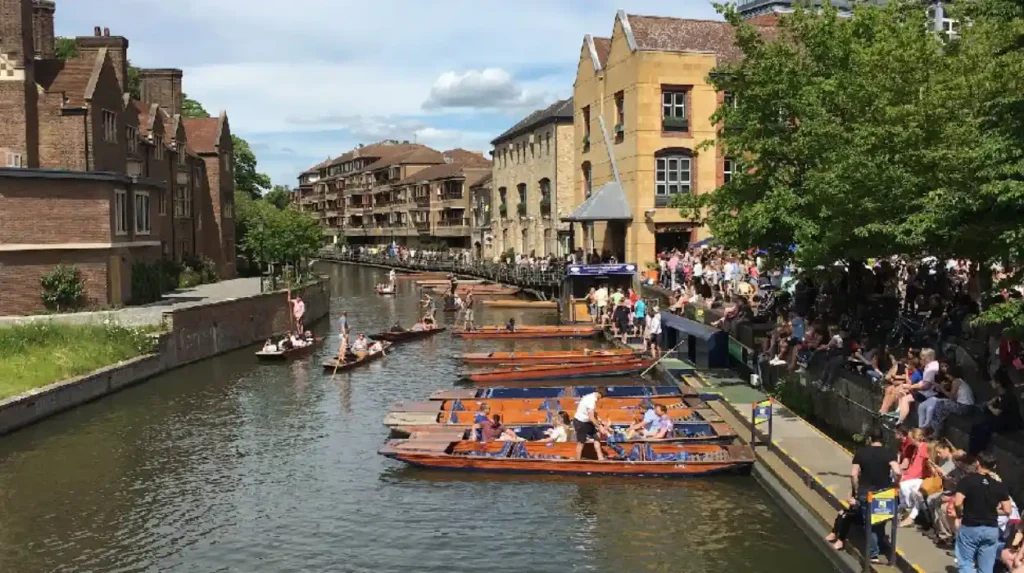
Spring, summer, and early autumn provide the best conditions for cycling between Cambridge and Fen Ditton. Longer daylight hours, mild temperatures, blooming riverside landscapes, and generally dry paths create comfortable riding conditions throughout most of the cycling season.
April through September typically offers the most pleasant weather for leisure cycling. During spring, wildflowers begin appearing across Ditton Meadows, while summer brings longer evenings and vibrant activity along the River Cam. Autumn introduces colourful trees and quieter paths without significantly affecting accessibility.
Morning rides usually provide the calmest experience because riverside paths become busier during afternoons and weekends. Early starts also allow cyclists to enjoy better wildlife viewing opportunities, with swans, ducks, kingfishers, and herons frequently seen along quieter stretches of the river.
Winter cycling remains possible because the route is predominantly paved. However, heavy rain, frost, or occasional flooding can affect low-lying riverside sections. Riders should always check local weather conditions before setting out and use appropriate lights during shorter winter days.
Cambridge supports year-round cycling through its extensive network of maintained cycle routes. Local authorities continue investing in improved crossings, wider shared-use paths, and better links between Fen Ditton and surrounding communities, making the route increasingly accessible for everyday travel.
What facilities are available along the Cambridge to Fen Ditton cycling route?
The Cambridge to Fen Ditton route offers public toilets, cafés, picnic areas, cycle parking, open parks, and rest stops. These facilities make the journey convenient for families, commuters, and visitors while supporting longer rides towards Bottisham, Anglesey Abbey, and Ely.
Public conveniences are available near Jesus Green, close to the lock beside the River Cam. This location serves as a practical stopping point before continuing towards Fen Ditton or longer National Cycle Network routes. The surrounding area also includes seating, green spaces, and riverside viewpoints where cyclists can take a short break.
Several cafés and pubs are located within central Cambridge before the route reaches quieter countryside. Fen Ditton itself is known for its riverside hospitality, making it a popular destination for refreshments after completing the ride. Visitors extending their journey towards Anglesey Abbey also find additional cafés and visitor facilities along National Cycle Network Route 51.
Cycle parking is available throughout Cambridge, particularly near parks, museums, shopping streets, and transport hubs. The city has one of the UK’s highest rates of bicycle use, and extensive parking infrastructure supports both residents and visitors.
Drinking water, shaded green areas, and open meadows make the route comfortable during warmer months. Riders should still carry sufficient water because facilities become less frequent after leaving the city centre.
How does the route connect with other cycling destinations in Cambridgeshire?
The Cambridge to Fen Ditton route forms part of National Cycle Network Routes 11 and 51, providing direct access to Bottisham, Anglesey Abbey, Wicken Fen, Ely, Waterbeach, and Newmarket through well-signposted cycling corridors.
At Stourbridge Common, National Cycle Network Route 11 continues north towards Waterbeach, while Route 51 heads east through Fen Ditton towards Bottisham and Anglesey Abbey. This junction allows cyclists to choose between shorter leisure rides and longer countryside adventures.
Anglesey Abbey, managed by the National Trust, lies around seven miles from central Cambridge and represents one of the county’s most popular cycling destinations. The route remains predominantly flat and follows quiet roads, shared-use paths, and dedicated cycleways for much of the journey.
Cyclists seeking longer adventures frequently continue towards Wicken Fen National Nature Reserve, one of Britain’s oldest nature reserves, before reaching the cathedral city of Ely. These destinations showcase the distinctive Fenland landscape and offer opportunities to explore wildlife, historic villages, and heritage attractions.
Recent investment by the Greater Cambridge Partnership has strengthened cycling links around Fen Ditton through improved crossings, wider shared-use paths, and better connections with surrounding residential areas. These upgrades support safer everyday cycling while encouraging sustainable transport across eastern Cambridge.
What should cyclists know before riding from Cambridge to Fen Ditton?
The Cambridge to Fen Ditton cycle route is straightforward, but cyclists should prepare for shared paths, changing weather, and busy riverside areas. Wearing a helmet, carrying lights, following National Cycle Network signs, and respecting pedestrians help ensure a safe and enjoyable journey.
Before setting off, riders should inspect their bicycle to ensure the tyres are correctly inflated, the brakes function properly, and the chain is clean and lubricated. Carrying a basic repair kit, spare inner tube, and portable pump allows minor mechanical problems to be resolved quickly during the ride. These simple checks improve both safety and reliability.
The River Cam attracts walkers, runners, rowers, and visitors throughout the year. Several sections of the route are shared between pedestrians and cyclists, so riders should reduce speed when approaching busy areas and use a bell or verbal warning before overtaking. Cambridgeshire County Council advises cyclists to give priority to pedestrians on shared-use paths and remain alert at junctions.
Although the route is largely traffic-free, cyclists should exercise extra caution when crossing High Ditch Road near Fen Ditton, where National Cycle Network guidance highlights the need for additional care. Recent infrastructure improvements, including wider shared paths and upgraded toucan crossings, have made this section safer and easier to navigate.
Weather conditions can also influence the ride. After periods of heavy rainfall, some low-lying riverside sections become wet or muddy because they lie close to the floodplain. Checking the forecast, wearing suitable clothing, and fitting front and rear lights during poor visibility help ensure a comfortable journey throughout the year. Cyclists leaving their bikes in Cambridge should also use secure cycle parking and high-quality locks to reduce the risk of theft.
The cycling route from Cambridge to Fen Ditton along the River Cam is one of the finest short-distance rides in Cambridgeshire. Its flat landscape, riverside scenery, historic landmarks, and excellent cycling infrastructure make it suitable for beginners, families, commuters, and experienced cyclists alike.
Starting in the heart of Cambridge, the route passes through Jesus Green, Midsummer Common, Stourbridge Common, and Ditton Meadows before reaching the historic village of Fen Ditton. Along the way, cyclists experience the River Cam, university rowing culture, protected green spaces, and peaceful Fenland scenery within a journey of less than 30 minutes.
The route also serves as an important gateway to longer cycling adventures. National Cycle Network Routes 11 and 51 provide convenient onward connections to Bottisham, Anglesey Abbey, Wicken Fen, Waterbeach, Ely, and other destinations across eastern England. Continued investment in cycling infrastructure is making these links safer and more accessible for residents and visitors alike.
Whether you are planning a relaxing weekend ride, introducing children to cycling, or exploring Cambridgeshire without a car, the Cambridge to Fen Ditton route offers an excellent combination of accessibility, heritage, wildlife, and scenic beauty. It remains one of the county’s most rewarding riverside cycling experiences.
Frequently Asked Questions
Is the Cambridge to Fen Ditton cycle route completely traffic free?
No. Most of the journey follows traffic-free riverside paths, parks, and shared-use cycleways, but cyclists cross a few roads near Fen Ditton, particularly High Ditch Road. National Cycle Network guidance recommends taking extra care at these crossings before continuing towards Bottisham or Anglesey Abbey.
Can I continue cycling beyond Fen Ditton?
Yes. Fen Ditton is a gateway to longer cycling adventures across Cambridgeshire. National Cycle Network Route 51 continues towards Bottisham and Anglesey Abbey, while Route 11 provides links towards Waterbeach, Wicken Fen, and Ely, allowing riders to extend their journey significantly.
Is the route suitable throughout the year?
Yes. The route is open year-round, although heavy rainfall can leave some riverside sections wet because they pass through low-lying floodplain areas. Spring and summer generally provide the best riding conditions with longer daylight hours and drier paths.
Can I ride the route on a hybrid or road bike?
Yes. Around 99% of the Cambridge to Bottisham route is surfaced with asphalt, making it suitable for road bikes, hybrid bikes, commuter bicycles, electric bikes, and family cycles. Only a very small section consists of loose unsealed surface.
How long does the ride take?
Cycling from central Cambridge to Fen Ditton usually takes between 20 and 30 minutes at a relaxed pace. Riders continuing to Bottisham cover approximately 7.3 miles (11.7 kilometres), which National Cycle Network guidance estimates at around 37 minutes of cycling time.