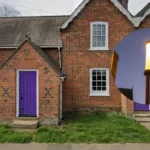


Girton is a historic village located 2 miles northwest of Cambridge city center. It covers an area of approximately 6.8 square kilometers and sits within the non-metropolitan district of South Cambridgeshire. The village provides access to urban amenities while maintaining a rural residential atmosphere. Geographically, Girton connects directly to the A14 and M11 road networks. This spatial position allows residents and visitors to navigate between rural footpaths and academic centers. The village contains key historic sites, residential developments, and educational facilities.
- What Are the Best Walking Routes Around Girton?
- Where Can Visitors Find the Top Cafes and Local Dining in Girton?
- How Does Girton College Shape the History and Identity of the Area?
- What Weekend Escapes and Nearby Attractions Are Accessible from Girton?
- How Can Visitors Plan the Ultimate Weekend Itinerary in Girton?
- Frequently Asked Questions
The history of Girton traces back to the Anglo-Saxon period, as evidenced by archaeological excavations near Cambridge Road. Historians identified settlement activity dating from the 5th and 6th centuries, including burial sites containing ancient grave goods. The Domesday Book of 1086 recorded the settlement under the name Grantebrige, noting its agricultural land and population. Over the centuries, Girton transformed from an isolated farming hamlet into a connected suburban village. The expansion of infrastructure in the 19th and 20th centuries integrated the village into the economic sphere of Greater Cambridge.
The structural layout of Girton centers around High Street, Huntingdon Road, and Cambridge Road. The village features traditional red-brick housing, modern residential estates, and historic church structures. Public infrastructure includes St Andrew Church, local community halls, recreation grounds, and green spaces. The proximity to the Eddington development expanded local transportation links, bike paths, and commercial facilities. Environmental protections surrounding Girton preserve local biodiversity along green belt corridors. These physical features form a distinct suburban identity separate from central Cambridge.
Urban planning developments in Girton reflect the growing economic demands of Cambridgeshire. The construction of north-west Cambridge expansion zones increased pedestrian routes and public transport access. Guided busway lines and dedicated cycle routes connect Girton directly to the Cambridge Science Park and central train station. Modern infrastructure investments preserve green spaces while upgrading utility services. Economic data shows steady residential growth driven by university staff, technology professionals, and long-term locals. This structural expansion maintains a balance between historical preservation and modern living standards.
Future regional plans prioritize sustainable transport corridors and environmental conservation around Girton. Local authorities monitor land usage to prevent overdevelopment along green belt boundaries. Community organizations actively manage public footpaths, parks, and tree planting initiatives. Economic investments continue to enhance local retail opportunities and community facilities. The village serves as a practical model for balancing suburban growth with historic land preservation.
What Are the Best Walking Routes Around Girton?
Girton offers extensive walking routes that link historic village paths, agricultural fields, and natural waterways. The network includes the Washpit Brook path, Girton Wood trails, and routes leading to the nearby village of Oakington. These footpaths cover over 15 kilometers of marked trails suitable for all fitness levels. Walkers encounter diverse landscapes ranging from ancient woodlands to managed parklands. The routes provide accessible outdoor space for exercise, wildlife observation, and recreational walking.
The Washpit Brook walking trail extends along the eastern boundary of the village. This 3-kilometer path follows the natural course of the stream, passing through wetland habitats and open grasslands. Environmental assessments record species such as kingfishers, water voles, and native alder trees along the brook. The trail features level terrain, wooden footbridges, and gravel paths accessible throughout the year. It connects directly to the wider Cambridge Green Corridor network, allowing extended journeys into neighboring parish lands.
Girton Wood represents a major reforestation project established by the Woodland Trust in 1999. The wood covers 13 hectares of land planted with native broadleaf species, including English oak, ash, and field maple. A 2-kilometer circular walking path navigates through the young canopy, offering clear views of surrounding Cambridgeshire farmland. The wood contains dedicated conservation zones designed to protect ground-nesting birds and small mammals. Educational signage along the trail highlights local forestry management practices and habitat recovery statistics.
The historic field paths connecting Girton to Oakington provide longer routes for distance walkers. This 6-kilometer trail follows ancient agricultural boundaries and disused railway lines once part of the Cambridge to St Ives railway. The path consists of unpaved earth, grass tracks, and sectioned gravel roadways. Walkers navigate past hedgerows, open cereal fields, and historic drainage channels engineered in the 17th century. The route offers unobstructed views of the Cambridgeshire countryside and links to the Busway multi-user path.
Maintaining these walking trails involves continuous effort from local parish councils and environmental charities. Volunteer groups regularly clear vegetation, repair stiles, and maintain directional signage along public rights of way. Conservation guidelines ensure that human access does not disrupt local wildlife breeding seasons. Walking maps are accessible through local parish outlets and digital navigation applications. These maintained footpaths reinforce Girton as a vital hub for outdoor recreation in South Cambridgeshire.
Where Can Visitors Find the Top Cafes and Local Dining in Girton?
Girton features independent cafes, traditional pubs, and dining venues serving fresh food and drinks. Local establishments focus on sourcing ingredients from Cambridgeshire farms and regional producers. Visitors find options ranging from casual coffee spots to historic pub dining rooms. Key venues include village cafes, local public houses, and nearby dining facilities in the Eddington district. These food establishments act as essential social hubs for residents, university members, and day visitors.
Independent cafes in Girton emphasize handcrafted coffee, fresh pastries, and light lunch menus. Local cafes source coffee beans from independent East Anglian roasters and milk from regional dairy farms. Menus regularly feature artisan bread, seasonal soups, vegetarian meals, and homemade cakes. Seating areas provide indoor dining and outdoor garden spaces used during warmer months. These establishments maintain steady foot traffic by catering to remote workers, families, and walking groups throughout the week.
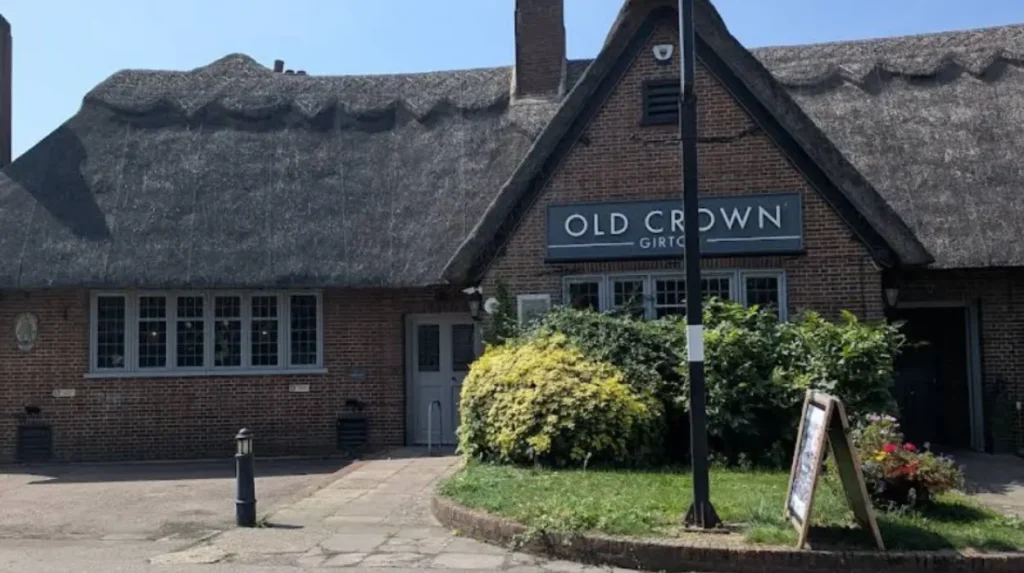
Traditional pub dining in Girton centers on long-standing venues such as The Old Crown on High Street. This pub serves classic British meals prepared with locally sourced meats, vegetables, and regional ales. The kitchen menu includes fish and chips, Sunday roasts, steaks, and seasonal vegetarian options. The physical building retains historic architectural elements, including exposed wooden beams and open fireplaces. The pub operates full-service lunch and dinner hours, serving as a primary gathering site for community events.
The expansion of the adjacent Eddington neighborhood expanded dining choices for Girton visitors. Located less than 1 kilometer from central Girton, Eddington features modern cafes, bakeries, and international dining venues. Options include sustainable eateries specializing in plant-based meals, wood-fired pizzas, and specialty coffees. These establishments operate inside energy-efficient buildings designed according to strict environmental sustainability standards. The proximity of Eddington allows Girton residents and visitors access to diverse culinary experiences.
Local food sourcing in Girton supports the regional agricultural economy of East Anglia. Food venues prioritize seasonal produce, reducing food transportation distances and carbon emissions. Food hygiene ratings across Girton food venues consistently meet high standards enforced by South Cambridgeshire District Council. The variety of dining choices ensures options for quick coffee breaks, formal meals, and social gatherings. The local food culture reflects the broader culinary traditions of Cambridgeshire.
How Does Girton College Shape the History and Identity of the Area?
Girton College shapes the cultural and historical identity of Girton through its pioneering history and architectural presence. Established in 1869 by Emily Davies and Barbara Bodichon, it was the first residential higher education college for women in Britain. The college moved to its current Girton site in 1873 to provide a dedicated academic environment outside central Cambridge. The main buildings feature Victorian red-brick architecture designed by Alfred Waterhouse. Today, Girton College operates as a co-educational constituent college of the University of Cambridge.
The architectural layout of Girton College spans over 33 acres of land set within gardens and woodland. The main building features a prominent tower, decorative brickwork, and extensive residential wings built between 1873 and 1902. The grounds include an orchard, formal gardens, a pond, and sports fields. The college housing facilities accommodate over 500 undergraduate and postgraduate students each academic year. The secluded rural design allowed early female students room for study and physical exercise.
Girton College houses the Lawrence Room, a museum containing rare archaeological collections. The museum features artifacts from ancient Egypt, Greece, Rome, and Anglo-Saxon Britain. Notable exhibits include the Hermione Mummy, a rare Roman portrait mummy from Hawara, Egypt. The collection also holds Anglo-Saxon metalwork and pottery excavated directly from the college grounds during construction work in the 19th century. The Lawrence Room provides free public access for visitors and researchers interested in ancient history.
The social legacy of Girton College established a historic precedent for educational equality in the United Kingdom. Female students at Girton sat university examinations starting in 1881, though the University of Cambridge did not grant women full academic degrees until 1948. Former students include pioneering scientists, politicians, economists, and authors who advanced women’s rights globally. In 1976, the college amended its statutes to admit male students, becoming fully co-educational in 1979.
The presence of Girton College brings economic, cultural, and educational vitality to the surrounding village. Public lectures, music concerts, and theatrical performances held at the college are open to village residents. The college grounds offer space for local wildlife conservation, featuring mature trees and wildflower meadows. The historic identity of the college remains permanently linked to the character of Girton.
What Weekend Escapes and Nearby Attractions Are Accessible from Girton?
Girton serves as a base for exploring weekend escapes and cultural attractions across Cambridgeshire. Within a 15-minute radius, visitors access historic monuments, nature reserves, and museum facilities. Major nearby destinations include the Cambridge American Cemetery, the RSPB Fen Drayton Lakes, and central Cambridge landmarks. Excellent road, cycle, and public transport connections allow straightforward access to regional travel destinations. These attractions make Girton an ideal starting point for day trips and weekend excursions.
The Cambridge American Cemetery and Memorial is located on Madingley Road, less than 3 kilometers south of Girton. Established in 1943, this 30.5-acre site serves as the final resting place for 3,810 American military personnel who died during World War II. The site features a central chapel, a memorial tower, a visitor center, and the Wall of the Missing containing 5,127 names. The manicured grounds offer scenic views across the Cambridgeshire countryside. The cemetery provides historical education through interactive exhibits and guided tours.
Nature enthusiasts reach the RSPB Fen Drayton Lakes reserve via the nearby Cambridgeshire Guided Busway. Located 12 kilometers northwest of Girton, this nature reserve consists of flooded gravel pits alongside the River Great Ouse. The sanctuary covers over 390 hectares of wetland, open water, and scrub habitats. Thousands of migratory waterfowl, including ducks, geese, and swans, overwinter at the site annually. The reserve features marked walking trails, bird hides, and educational picnic zones accessible to the public.
Central Cambridge sits just 2 miles southeast of Girton, accessible by a 10-minute bus ride or a 15-minute bicycle trip. Visitors explore world-renowned institutions such as the Fitzwilliam Museum, the Cambridge University Botanic Garden, and King’s College Chapel. Punt tours along the River Cam offer architectural views of the university colleges. Central shopping districts, historic open-air markets, and theaters complement the quiet village environment of Girton.
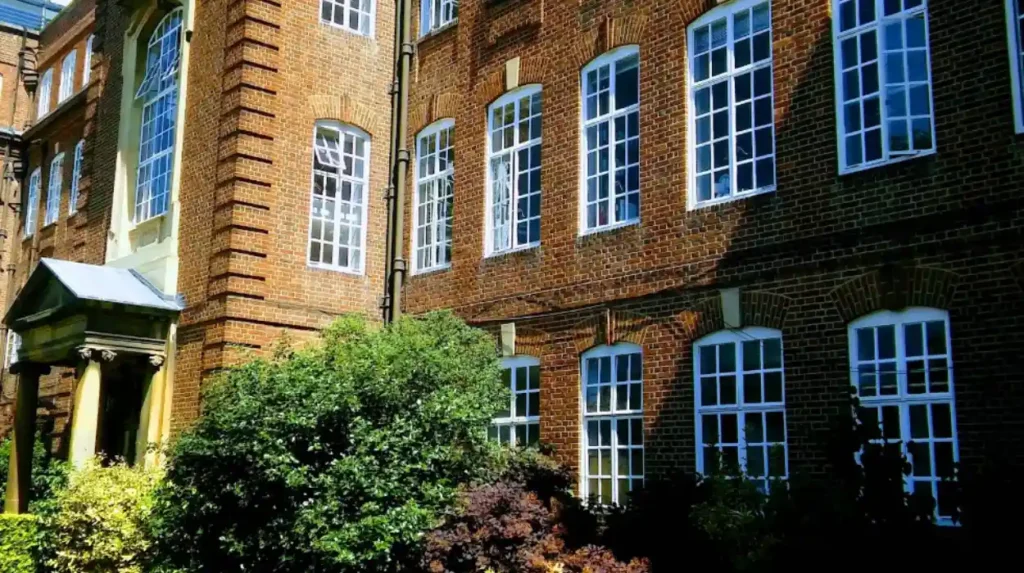
Weekend escapes further afield include the cathedral city of Ely, situated 25 kilometers north of Girton. Ely features the historic Ely Cathedral, built in the 11th century, and the Oliver Cromwell House museum. Direct train services from Cambridge station reach Ely in under 20 minutes. Additional regional destinations include the historic market town of St Ives and Wicken Fen National Nature Reserve. The central location of Girton makes regional travel simple for residents and tourists alike.
How Can Visitors Plan the Ultimate Weekend Itinerary in Girton?
Planning a weekend itinerary in Girton requires balancing historical exploration, walking activities, and dining. A typical two-day schedule covers village footpaths, college history, local food venues, and nearby regional landmarks. Visitors arrive using public transit or private vehicles with parking options available at local accommodations. The itinerary provides a relaxed, structured overview of the village and surrounding green spaces. This guide organizes activities to maximize time and highlight the top locations in the parish.
Day one begins with a morning walk along the Washpit Brook path and through Girton Wood. Visitors observe local wildlife and enjoy open countryside views along the 5-kilometer combined trail. Following the walk, visitors head to central Girton for lunch at a local cafe or pub on High Street. The afternoon focuses on visiting Girton College to explore its Victorian architecture and the Lawrence Room museum. Day one concludes with a traditional dinner at The Old Crown, sampling regional produce and local cask ales.
Day two highlights nearby cultural destinations and regional landscapes. The morning starts with a trip to the Cambridge American Cemetery on Madingley Road to explore the historic memorial and visitor center. Visitors then travel into central Cambridge via dedicated cycle paths or public bus routes. The afternoon is spent visiting historic university sites, taking a punt tour along the River Cam, or visiting local museums. The weekend ends with an evening meal in the sustainable Eddington district before returning.
Visitors traveling to Girton should select accommodations based on proximity to key transport routes. Local options include bed and breakfast establishments in Girton, boutique hotels in Eddington, and central Cambridge hotels. Travel by bicycle is strongly recommended, as Girton connects directly to the Cambridge cycle network via off-road paths. Public buses run frequently between Girton, central Cambridge, and regional transit hubs. Bringing weather-appropriate clothing and walking boots ensures comfort on unpaved village footpaths.
Seasonal variations influence the timing and focus of a Girton weekend visit. Spring and summer bring blooming wildflowers, extended daylight for walking, and open college gardens. Autumn offers foliage views across Girton Wood and lower visitor numbers at regional historic sites. Winter visits focus on cozy pub interiors, museum exhibitions, and brisk walks along maintained village paths. Year-round accessibility ensures Girton remains a viable destination in every season.
Frequently Asked Questions
What is Girton in Cambridge famous for?
Girton is famous for housing Girton College, established in 1869 as the first residential higher education college for women in Great Britain. It is also known for its historic Anglo-Saxon heritage, picturesque walking trails, and close proximity to central Cambridge.
How far is Girton from central Cambridge?
Girton is located approximately 2 miles northwest of central Cambridge. Visitors reach the city center in about 10 minutes by car or bus, or via a 15-minute bicycle ride along dedicated cycle paths.
Is the Lawrence Room at Girton College open to the public?
Yes, the Lawrence Room at Girton College is open to the public free of charge on designated days. It displays ancient artifacts, Anglo-Saxon relics, and the famous Hermione Roman portrait mummy.
What are the best outdoor activities to do in Girton?
The top outdoor activities include walking along the Washpit Brook trail, exploring Girton Wood, and cycling to nearby green spaces like the RSPB Fen Drayton Lakes. The area offers great opportunities for bird watching and nature walks.
Can visitors eat and drink in Girton?
Yes, Girton features traditional public houses like The Old Crown, cozy independent cafes, and modern dining spots in the neighboring Eddington district. These venues offer locally sourced meals, artisan coffee, and regional ales.