
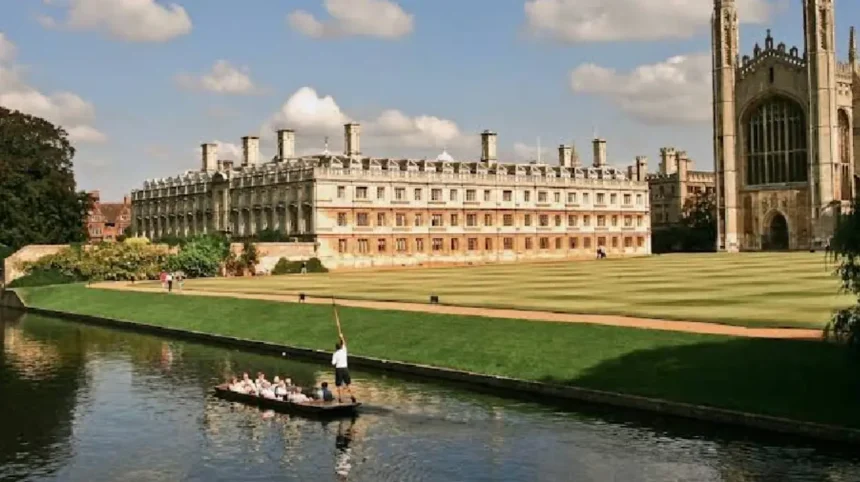
Cambridge punting is a historic river navigation method utilizing a flat-bottomed boat propelled by a long metal pole pushing against the riverbed. This activity originated as a utility transport mechanism before transforming into a prominent university leisure tradition.
- How Does a Traditional Punt Boat Operate on the River Cam?
- What Are the Principal Routes and Landmarks Seen on a River Cam Tour?
- How Do Shared and Private Cambridge Punting Tour Services Compare?
- What Are the Local Regulations and Environmental Impacts Affecting the River Cam?
- FAQs About Cambridge Punting
- What are the age restrictions for operating a self-drive punt in Cambridge?
- What happens to the punting tours during periods of heavy rain or winter weather?
- Can passengers bring dogs on board a Cambridge punting tour?
- Is the historic punting route accessible for passengers utilizing standard wheelchairs?
- How long does a standard chauffeured punting tour take to complete the full loop?
The historical timeline of the punt boat begins in the nineteenth century when agricultural laborers utilized flat-bottomed craft to transport heavy cargo across shallow marshlands. The transition of this vessel from commercial cargo transport to recreational leisure occurred in the year 1902. Maurice Scudamore introduced the first dedicated pleasure punts to the River Cam at this specific date. Within one decade multiple local boatyards established commercial fleets to satisfy the immediate demand from students at the University of Cambridge. This leisure activity rapidly became an foundational social tradition for the academic community and visiting tourists.
The evolution of the craft involved specific structural modifications to optimize the vessel for passenger comfort on the shallow waters. Early commercial operators built wooden punts from local English oak and sweet chestnut timber materials. The structural design emphasizes a completely flat hull with no keel to ensure a shallow draft of less than six inches. This structural adaptation prevents the vessel from grounding on the shallow gravel shoals of the River Cam. The traditional dimensions require a standard length of 24 feet and a width of 3 feet. These exact measurements allow multiple vessels to pass each other safely within the narrow river channels.
The geographical layout of the River Cam directly influenced the rapid expansion of this transport method through the university grounds. The river intersects the private lawns of the oldest academic institutions including King’s College, Trinity College, and St John’s College. This specific section of land is known globally as the College Backs. Punting provided the exclusive physical method to view these restricted architectural spaces from a close proximity. The university administration regulated student use of these vessels through specific structural rules enacted in the early twentieth century. These historical regulations established the structural foundation for the modern commercial touring framework operating today.
How Does a Traditional Punt Boat Operate on the River Cam?
A traditional punt boat operates via manual propulsion using a hollow pole measuring approximately five meters in length to push against the riverbed. The operator stands firmly on the elevated rear platform to maintain balance and execute directional steering maneuvers.
The physical mechanism of punting relies entirely on linear momentum and friction between the pole tip and the riverbed substrate. The operator drops the weighted pole vertically into the water column until it contacts the solid riverbed beneath the vessel. A forceful downward and backward push transfers kinetic energy to the hull which drives the boat forward in a straight line. Steering is achieved by utilizing the pole as a rudder in the water trailing behind the boat after the initial push. The operator executes minor directional adjustments by swinging the pole left or right before retrieving it for the subsequent stroke.
The geological composition of the River Cam consists primarily of solid gravel beds and deep silt layers. Navigating these two distinct underwater terrains requires specific techniques to prevent the pole from becoming permanently stuck in the riverbed. When the pole encounters deep silt deposits the operator must twist the pole shaft ninety degrees before extraction to break the suction seal. If the pole becomes wedged in a deep underwater limestone fissure the operator must release the pole immediately to avoid falling into the water. The forward momentum of the boat can then be stopped using backup paddles carried on board.
The navigation rules on the River Cam conform to specific historic maritime laws managed by the Conservators of the River Cam. All vessels must navigate on the right-hand side of the river channel to prevent head-on collisions during peak operational hours. Chauffeured tour craft possess the absolute right of way over smaller self-drive vessels managed by inexperienced members of the public. Operators must maintain a minimum safety distance of three meters between boats to protect passengers from accidental collisions. These precise operational protocols guarantee safety across the crowded water pathways during high traffic summer weekends.
What Are the Principal Routes and Landmarks Seen on a River Cam Tour?
The principal punting route spans a specific three-quarter mile stretch of the River Cam flowing directly through the historic university core. This specialized water highway reveals a series of elite college heritages and architectural masterworks inaccessible from public city streets.
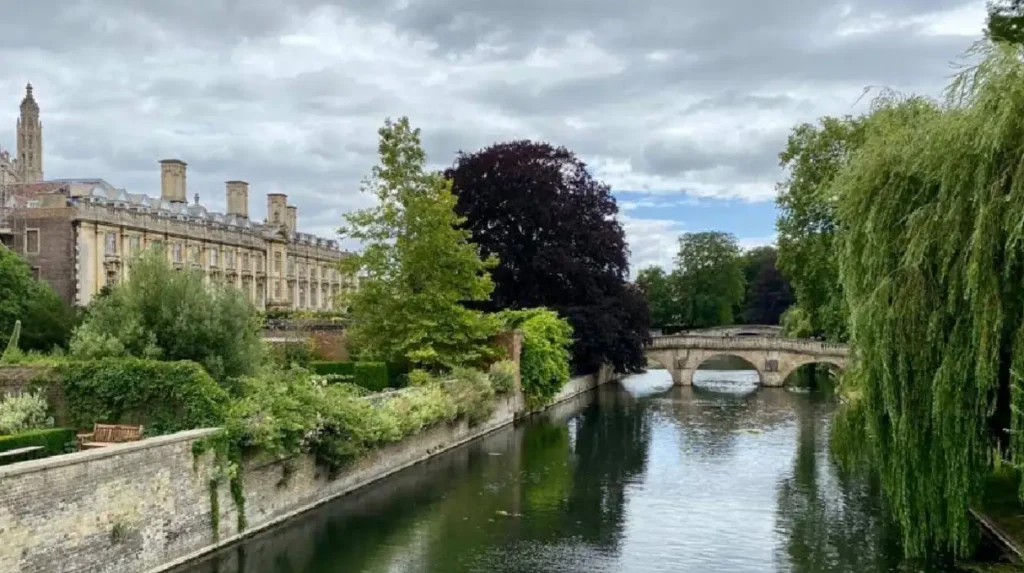
The standard tour begins at either the Mill Lane launch site or the Quayside mooring station located at the northern edge of the river. The vessel glides past a sequence of seven elite academic institutions including Magdalene College, St John’s College, Trinity College, and King’s College. Passengers obtain an uninterrupted view of the private manicured gardens and Gothic stone facades that define the university landscape. Travelers seeking further structural exploration can discover more options by reviewing what are the best free things to do in cambridge for budget travelers to maximize their itinerary.
The architectural journey features a series of nine historic bridges constructed across three distinct centuries of British engineering history. The Mathematical Bridge at Queens’ College represents a significant highlight due to its complex timber radial arch design built in 1749. The Bridge of Sighs at St John’s College represents another masterwork showcasing highly intricate neo-Gothic stone window tracery completed in 1831. These structures create a visual chronicle of changing architectural movements spanning from the early Renaissance period to the late Victorian era.
The river path displays hidden historical elements that remain invisible to pedestrians walking along the standard exterior city roads. The stone foundations of the colleges show physical scars from historical river traffic and ancient structural remodeling phases. Visitors can uncover additional historical narratives about these unique riparian zones by examining what are the most extraordinary hidden gems in cambridge for deep regional context. The final section of the standard route turns around at the historic Silver Street Bridge to complete the comprehensive loop.
How Do Shared and Private Cambridge Punting Tour Services Compare?
Commercial operators provide two main categories of river excursions consisting of shared public tours and private chauffeured bookings. These two service models feature completely different pricing matrices, passenger densities, and internal seating configurations.
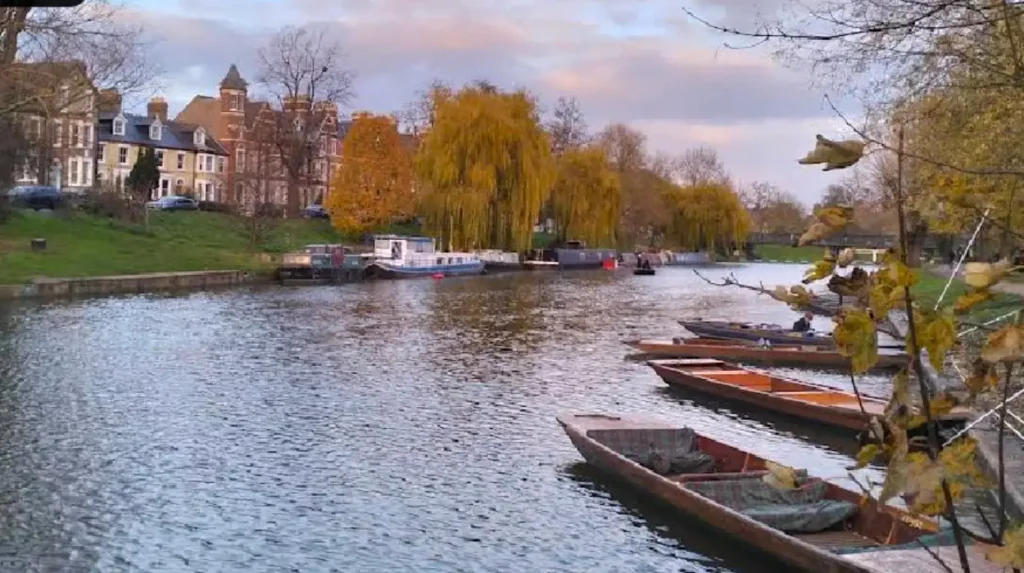
Shared public tours operate on a fixed departure schedule designed for individual travelers and small family units. A single standard shared vessel accommodates up to twelve passengers distributed across six parallel wooden bench rows. This model provides an economical option for budget-conscious tourists because the total operating cost is divided among separate booking parties. The chauffeur delivers a standardized historical commentary covering the major university landmarks during the forty-five minute journey. This service format requires passengers to share the immediate vessel space with unknown travelers from various global locations.
Private chauffeured bookings grant exclusive use of the entire vessel to a single independent group of clients. These bespoke packages accommodate diverse group sizes ranging from intimate couples to large corporate delegations of sixty individuals. The chauffeur customizes the historical narrative to match the specific intellectual interests or language requirements of the booking party. Clients can bring custom refreshments on board including specialized picnic baskets and alcoholic beverages to enhance the luxury experience. This premium service demands a higher financial investment but ensures complete privacy and flexible departure times.
Self-drive rentals represent an alternative option where members of the public propel the vessel without a professional chauffeur. Boat yards provide the necessary safety equipment including buoyancy aids and aluminum poles before departure. This self-guided option tests the physical stamina and balancing skills of the operator on the crowded river. It reduces the direct financial cost of the excursion but shifts all operational liability to the customer. Travelers can combine this active river sport with land-based excursions by utilizing englands first cycle street opens in cambridge to plan their urban transit.
What Are the Local Regulations and Environmental Impacts Affecting the River Cam?
The management of the River Cam involves strict legal regulations enforced by municipal authorities to preserve the delicate riparian ecosystem. Commercial punting enterprises must operate within specific ecological constraints to mitigate the physical degradation of the water environment.
The Conservators of the River Cam enforce the statutory rules established under the River Cam Conservancy Act of 1922. This governing body limits the total number of commercial punting licenses issued annually to exactly 300 active vessels. This statutory cap prevents extreme traffic congestion and reduces structural erosion along the historic stone riverbanks. Every commercial craft must undergo an annual structural safety inspection to verify hull integrity and passenger weight capacities. Operators who violate these strict municipal mandates face immediate financial penalties and the permanent revocation of their navigation permits.
The environmental impact of constant river tourism affects the local biodiversity including fish populations, underwater flora, and nesting waterbirds. The constant scraping of punting poles removes the protective gravel substrate required for the spawning cycles of native brown trout. Turbulent water movement caused by dense boat traffic increases riverbed silt suspension which reduces light penetration for aquatic plants. Commercial companies now utilize specialized polymer pole tips to minimize the physical destruction of the delicate riverbed ecosystem. These conservation measures protect the natural habitat for sensitive bird species including mute swans and common kingfishers.
Future operational adaptations focus on long-term sustainability and the integration of eco-friendly materials into vessel construction frameworks. Local boatyards are replacing traditional tropical hardwood materials with sustainably sourced British oak and recycled composite materials. The local council is developing digital tracking systems to monitor real-time vessel density across the vulnerable College Backs channels. These technological systems will ensure that river tourism remains balanced with environmental preservation goals over the coming decades. This focus on sustainable infrastructure aligns with broader regional developments aimed at balancing growth with environmental safety across the county.
FAQs About Cambridge Punting
What are the age restrictions for operating a self-drive punt in Cambridge?
The minimum age requirement to rent and operate a self-drive punt boat is exactly eighteen years old. Children are permitted on board as passengers but must be supervised by a responsible adult at all times.
What happens to the punting tours during periods of heavy rain or winter weather?
Tours operate continuously through light rain and winter conditions using specialized umbrellas and heavy blankets provided by the operator. Services are suspended only when the Conservators of the River Cam issue official flood warnings or when the river surface freezes completely.
Can passengers bring dogs on board a Cambridge punting tour?
Most commercial operators permit well-behaved dogs on private chauffeured tours at no additional financial charge. Shared public tours generally restrict animals to ensure the comfort and safety of other independent passengers within the close seating rows.
Is the historic punting route accessible for passengers utilizing standard wheelchairs?
The traditional boat boarding stages require passengers to step down into the moving vessel which poses accessibility challenges. Staff members receive specialized manual handling training to assist mobility-impaired guests into the boat safely at designated flat docks.
How long does a standard chauffeured punting tour take to complete the full loop?
A standard professional chauffeured tour requires exactly forty-five minutes to navigate the full loop along the College Backs. This timeline includes the slow transit through the seven colleges and allows sufficient time for detailed historical commentary.