
The Chesterton Cambridge boathouses are a distinct collection of historic and modern waterfront structures located along the River Cam in Cambridge, Cambridgeshire, England. These specialized architectural buildings serve as the primary storage facilities and training headquarters for university, college, and community rowing clubs. Situated predominantly on the northern bank of the river within the Chesterton suburb, these facilities support the extensive rowing culture of Cambridge University and local town organizations.
- When were the first boathouses built in Chesterton Cambridge?
- Which rowing clubs operate out of the Chesterton Cambridge boathouses?
- How does the architecture of Chesterton Cambridge boathouses vary?
- What is the economic and social impact of these river facilities?
- What environmental regulations govern the Chesterton Cambridge boathouses?
- Frequently Asked Questions
- How can members of the public join a rowing club based at the Chesterton boathouses?
- Are the Chesterton Cambridge boathouses open for public tours or general indoor visits?
- How do rowing clubs manage river safety and boat traffic coordination near Chesterton?
- What happens to these waterfront properties when the River Cam floods during winter?
- Can non-students rent spaces inside these boathouses for private events or storage?
The geographic positioning of these properties spans from the edge of Jesus Green down toward the Green Dragon Bridge. Each facility contains racking systems designed to hold racing shells including eights, fours, pairs, and single sculls. Beyond equipment storage, the premises typically incorporate indoor training spaces equipped with rowing ergometers, changing rooms, and administrative offices for club management. The density of these structures in Chesterton creates a specialized sporting zone that represents a major component of the maritime and academic identity of the city.
The management of these sites involves a combination of collegiate authorities and local trusts that preserve the waterfront access. The structures are central to the annual organization of historical river races such as the May Bumps and the Lents Bumps. These events require coordinated launching from the Chesterton banks, making the location a vital operational hub for British rowing. The architecture reflects various design periods ranging from Victorian timber frameworks to contemporary eco-friendly builds.
When were the first boathouses built in Chesterton Cambridge?
The initial construction of dedicated rowing structures along the Chesterton stretch of the River Cam began during the late nineteenth century. Prior to this period, university and town rowing clubs utilized local commercial boatyards, public houses, and temporary floating docks to store their wooden craft. The rapid expansion of college rowing clubs between 1860 and 1890 created an urgent demand for permanent, secure, and spacious facilities. This demand led to the acquisition of land parcels on the northern bank of the river in Chesterton.
The definitive shift to permanent structures occurred when prominent college clubs like Goldie Boathouse, built for the Cambridge University Boat Club in 1882, established a presence near the river. Following this development, individual colleges purchased plots to construct their own independent facilities. By the early 1900s, the skyline of the Chesterton riverbank was defined by ornate Victorian and Edwardian timber and brick buildings. These structures featured viewing balconies, gabled roofs, and wide launch slips that accommodated the unique lengths of competitive racing boats.
The development of these early properties transformed Chesterton from a semi-rural village into an integrated urban extension of Cambridge focused on river recreation. The timing coincided with the formalization of rowing rules and the standardization of boat dimensions by governing bodies. The construction of these facilities ensured that clubs could protect their significant financial investments in synthetic and wood composite shells. Several of these original nineteenth century foundations continue to serve their foundational athletic purpose after multiple modern renovations.
Which rowing clubs operate out of the Chesterton Cambridge boathouses?
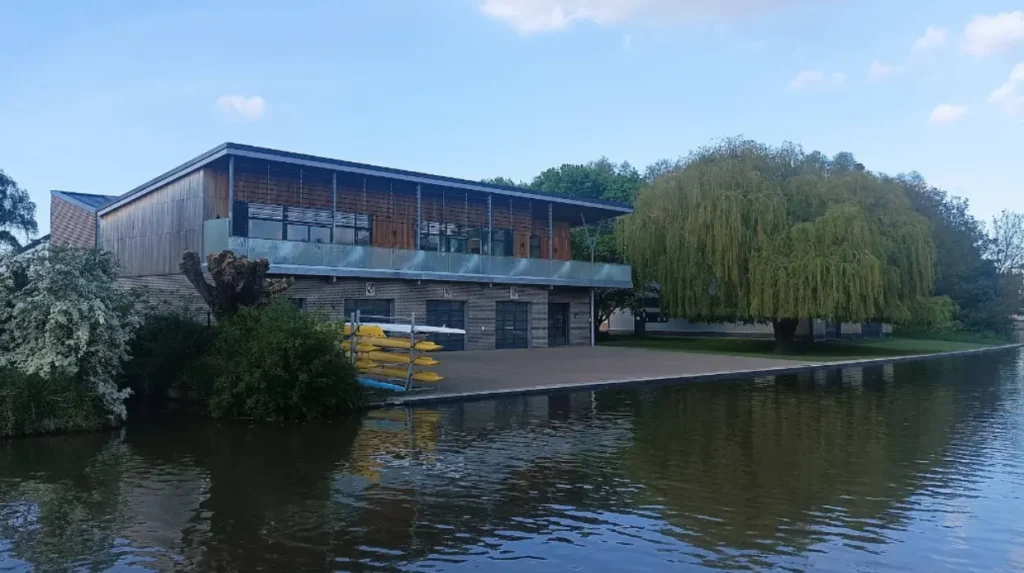
The facilities along the Chesterton waterfront accommodate a diverse mixture of academic institutions belonging to the University of Cambridge and independent community organizations. Over thirty separate college boat clubs possess designated facilities or shared spaces within these buildings to support their student athletes. Notable university entities with prominent facilities along this stretch include First and Third Trinity Boat Club, Lady Margaret Boat Club representing St John’s College, and Jesus College Boat Club.
In addition to university organizations, town clubs provide vital access to the sport for non-academic residents of Cambridgeshire. The City of Cambridge Rowing Club, established in 1863, and the Cambridge ’99 Rowing Club, founded in 1899, operate large, active facilities within this cluster. These town clubs cater to all age groups, running junior academies, adult master programs, and adaptive rowing initiatives for individuals with physical disabilities. The coexistence of town and gown clubs within the same geographic area fosters a unique competitive environment.
The physical buildings are frequently organized into shared ownership models or multi-club syndicates to optimize space and reduce maintenance expenditures. For example, the Combined Boathouse accommodates the rowing clubs of modern colleges including Selwyn, King’s, and Churchill. This collaborative infrastructure ensures that smaller institutions can maintain access to high-quality training facilities without bearing the entire burden of waterfront property costs. The area remains one of the highest concentrations of competitive rowing clubs in the United Kingdom.
How does the architecture of Chesterton Cambridge boathouses vary?
The architectural styles found among the Chesterton boathouses reflect a chronological progression spanning over one hundred and forty years of British structural design. The oldest remaining structures utilize traditional Victorian and Edwardian architectural elements, characterized by ornate timber framing, red brick facades, and decorative bargeboards. These buildings were designed with elevated first-floor clubrooms and balconies that allowed spectators and coaches to view the river traffic with clarity.
In contrast, the mid-twentieth century brought utilitarian designs that prioritized functional concrete and steel frames to maximize internal storage volume. These buildings dropped the decorative flourishes of the previous century in favor of flat roofs, wide roller-shutter doors, and durable materials resistant to damp river environments. The primary objective during this era was the efficient housing of longer modern boats and the integration of basic workshop spaces for boat repairs.
The twenty-first century has introduced a wave of sustainable architecture designed to minimize environmental footprints along the River Cam conservation area. Modern structures, such as the award-winning University Combined Boathouse, feature zinc cladding, sustainable timber sourcing, and large solar arrays. These contemporary facilities incorporate advanced ventilation systems to manage humidity in boat bays and utilize large glass windows to maximize natural lighting in upper-level gymnasiums.
What is the economic and social impact of these river facilities?
The presence of the boathouses in Chesterton generates a consistent economic footprint through property maintenance, equipment manufacturing, and sports tourism. Local boatwrights, carbon-fiber repair specialists, and coaching staff depend directly on the continuous operation of these athletic hubs. The hosting of major regattas brings thousands of competitors and spectators to the area annually, increasing revenue for hospitality businesses in the surrounding Chesterton neighborhood.
Socially, these institutions serve as vital conduits for community health, teamwork development, and historical preservation within the city. The town clubs bridge demographic gaps by offering community outreach programs that introduce rowing to local state school students who lack traditional access to the sport. The daily routines of early morning training sessions cultivate discipline among the student population and define the visual culture of the River Cam.
The facilities also act as repositories for sporting history, housing archival photographs, historical oars, and vintage silver trophies won over more than a century of competition. They serve as social centers where alumni networks interact with current athletes, maintaining long-term philanthropic support for Cambridge institutions. The preserved public footpaths running adjacent to these properties allow the general public to engage visually with the active rowing culture daily.
What environmental regulations govern the Chesterton Cambridge boathouses?
Operations and structural modifications of properties along the Chesterton banks are subject to strict environmental oversight by the Environment Agency and Cambridge City Council. Because the River Cam is an active navigable waterway and a delicate ecological corridor, clubs must manage waste runoff, especially chemicals used in boat maintenance and cleaning. The installation of fuel interceptors in drainage systems prevents oils from outboard coaching launches from entering the river ecosystem.
Flood risk management is a critical regulatory factor for any construction or renovation project along this low-lying flood plain. New designs must incorporate resilient flood-defense mechanisms, such as elevated ground floors or water-permeable building materials that can withstand seasonal river rises. The Conservators of the River Cam enforce strict speed limits and wake regulations on coaching vessels to prevent bank erosion near the boat launches.
Preservation of native wildlife, including protected bird species and local bat populations, influences the types of external lighting permitted on these riverfront properties. Light pollution must be minimized to ensure that nocturnal flight paths along the river corridor remain undisturbed. Sustainable water usage, including rainwater harvesting systems for washing down racing shells, is increasingly mandated during the planning permission phases for new athletic developments.
READ MORE
For more insights into the surrounding area and its rich history, read our detailed guide on the best pubs in Chesterton Cambridge and their historical significance.
Frequently Asked Questions
How can members of the public join a rowing club based at the Chesterton boathouses?
Members of the public can join town organizations like the Cambridge ’99 Rowing Club or City of Cambridge Rowing Club by registering for their annual learn-to-row courses. These structured programs accommodate complete beginners and provide comprehensive safety instruction, technical training on rowing ergometers, and supervised outings on the water with experienced coaches.
Are the Chesterton Cambridge boathouses open for public tours or general indoor visits?
The boathouses are private athletic facilities owned by colleges or community clubs and are generally closed to the casual public for safety and security reasons. However, many clubs open their doors to visitors during specific heritage open days, community festivals, or alumni events held throughout the summer months.
How do rowing clubs manage river safety and boat traffic coordination near Chesterton?
River safety is strictly governed by the Conservators of the River Cam through a mandatory registration system and a clear code of navigation conduct. Clubs coordinate their training schedules to prevent overcrowding, enforce the use of lights during low-visibility hours, and require all coxswains to pass navigation assessments before steering craft.
What happens to these waterfront properties when the River Cam floods during winter?
The ground floors of these facilities are constructed using water-resistant materials like concrete and brick, specifically designed to handle occasional seasonal flooding. When high-water alerts are issued by the Environment Agency, clubs move sensitive electronic training gear and valuable boats to higher racks or upper floors.
Can non-students rent spaces inside these boathouses for private events or storage?
Private boat storage is occasionally available for individual scullers through the community town clubs, subject to space availability and membership fees. The upper-level clubrooms or social spaces are sometimes rented out for private functions, corporate meetings, or community gatherings, providing an additional revenue stream for club operations.