

The Chesterton Road area in Cambridge has evolved into a significant culinary corridor, blending traditional British hospitality with modern international influences and independent establishments. This transformation reflects a shift toward local, high-quality, and diverse dining experiences within northern Cambridge.
- What Key Restaurants Define The Chesterton Road Food Scene?
- How Has The Historical Context Of Chesterton Road Influenced Its Current Culinary Landscape?
- What Specific Ingredients And Trends Are Driving The Popularity Of Chesterton Road Eateries?
- How Does The Chesterton Road Food Scene Support The Broader Cambridge Tourism Strategy?
- FAQs About Chesterton Road Cambridge Food Scene
- Are there vegan and vegetarian options available on Chesterton Road?
- Do I need to book in advance for Chesterton Road restaurants?
- Is Chesterton Road accessible from the Cambridge city centre?
- What kind of atmosphere can I expect in Chesterton Road eateries?
- Does the food scene on Chesterton Road cater to families?
Chesterton Road, historically a bustling arterial route north of the River Cam, serves as the geographic foundation for this burgeoning food scene. Recent years have seen a surge in independent eateries, ranging from artisanal cafes to high-end tasting menu destinations. This growth is driven by a combination of resident demand for quality local amenities and the presence of innovative restaurateurs. The area leverages its proximity to the city centre while maintaining a distinct, neighbourhood-focused character that appeals to both locals and visitors seeking authentic, non-tourist-centric dining experiences.
What Key Restaurants Define The Chesterton Road Food Scene?
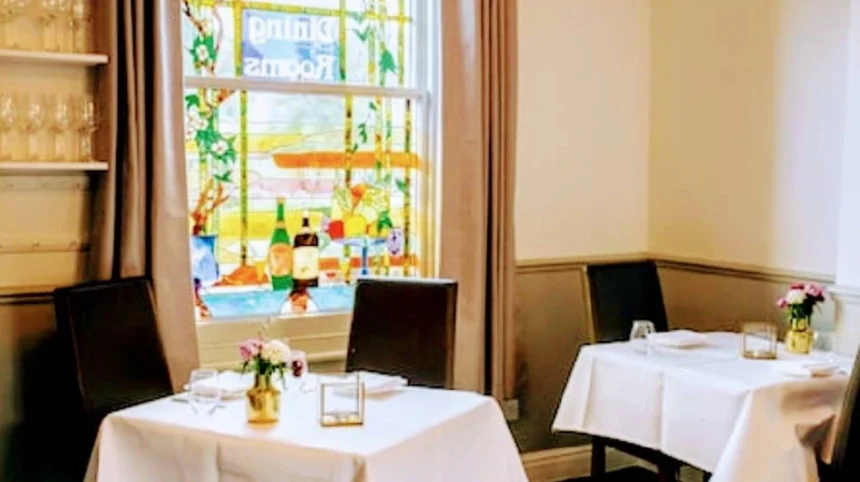
The dining landscape on Chesterton Road is defined by a strategic mix of Michelin-caliber fine dining, such as Restaurant 22, and approachable, modern British bistros like Margaret’s, supported by quirky, independent coffee shops and international fusion cafes like Cafe Culture.
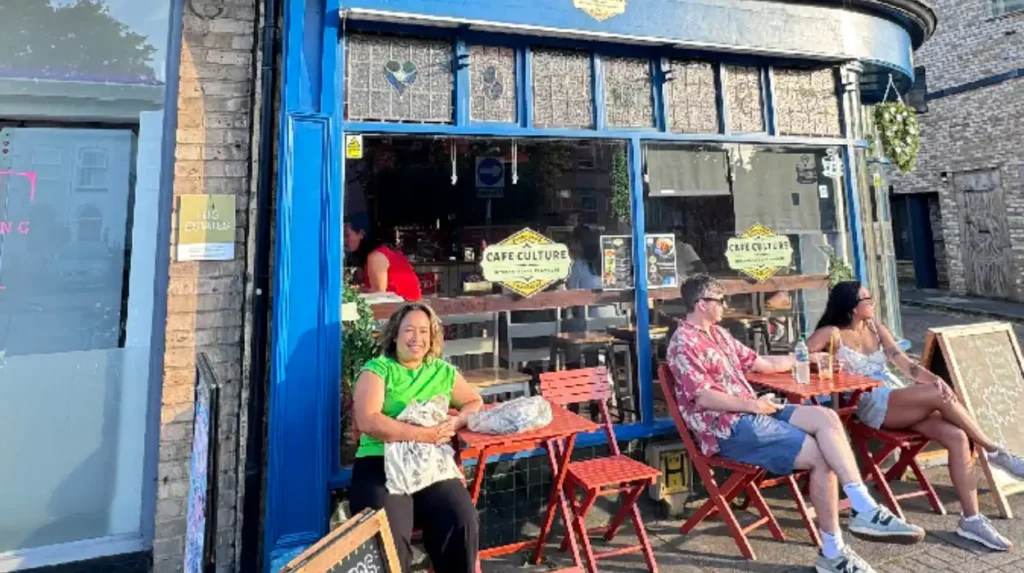
Restaurant 22 stands as a cornerstone of the area, offering highly structured tasting menus that emphasize technical precision and seasonal ingredients within an intimate, historic setting. In contrast, Margaret’s provides a relaxed, produce-led dining experience that functions as a modern British bistro, prioritizing local suppliers and shared menus to foster community engagement. These establishments are complemented by smaller venues such as Cafe Culture, which introduces international fusion flavors to the street. The diversity of these offerings ensures that Chesterton Road caters to a broad spectrum of culinary preferences, from formal celebratory meals to casual, everyday brunch and coffee stops.
How Has The Historical Context Of Chesterton Road Influenced Its Current Culinary Landscape?
The evolution of Chesterton Road from a nineteenth-century industrial and cinema hub to a modern residential and commercial strip has provided the structural and cultural foundations necessary to support a diverse, independent, and resilient local food and drink ecosystem.
During the late nineteenth and early twentieth centuries, the area was dominated by industrial operations like the Spring Brewery and entertainment venues such as the Tivoli Cinema. The repurposing of these historic footprints into modern hospitality spaces has preserved the area’s unique character while facilitating new business growth. The legacy of these structures—often featuring high ceilings, open layouts, and prominent street-level visibility—naturally accommodates the needs of contemporary restaurants and cafes. This architectural heritage, combined with the area’s long-standing role as a vital residential corridor, has created a fertile environment for businesses that thrive on foot traffic and a steady local customer base.
What Specific Ingredients And Trends Are Driving The Popularity Of Chesterton Road Eateries?
Current culinary trends on Chesterton Road focus on seasonal British produce, artisanal baking, and international street-food fusion, all served within relaxed environments that prioritize sustainability and direct interaction between the chefs, the suppliers, and the local Cambridge community.
Sustainability serves as a primary driver, with establishments like Margaret’s utilizing supply chains that focus on growers and makers as close to Cambridge as possible. The trend toward seasonal set menus minimizes waste and allows chefs to highlight the specific quality of daily available ingredients. Simultaneously, a movement toward international comfort food seen in establishments like The Bamboo demonstrates a growing appetite for authentic Asian-inspired flavors, including handmade dumplings and ramen. These trends reflect a broader shift in consumer behavior where diners increasingly value transparency regarding sourcing and a connection to the individuals preparing their meals, moving away from mass-produced dining options.
How Does The Chesterton Road Food Scene Support The Broader Cambridge Tourism Strategy?
The Chesterton Road food scene supports Cambridge tourism by providing a high-quality, authentic dining alternative to the city centre, effectively distributing footfall and offering visitors a deeper, more residential-focused experience of the city’s contemporary cultural and gastronomic life.
By offering distinct culinary landmarks outside the immediate proximity of the historic colleges and market square, Chesterton Road encourages tourists to explore the northern side of the River Cam. This dispersal of activity benefits the wider local economy by increasing dwell time in residential wards that might otherwise remain overlooked by visitors. The presence of these establishments aligns with the city’s broader effort to promote Cambridge as a multifaceted destination that is more than just a university hub. It highlights the city’s capacity for modern innovation, high-quality independent commerce, and a vibrant, evolving local community that remains deeply rooted in the history of the region.
FAQs About Chesterton Road Cambridge Food Scene
Are there vegan and vegetarian options available on Chesterton Road?
Yes, most restaurants and cafes on Chesterton Road now feature dedicated plant-based menus. Establishments like The Bamboo offer a wide range of vegan-friendly dumplings and mains, while local bistros frequently rotate seasonal vegetable dishes into their primary set menus.
Do I need to book in advance for Chesterton Road restaurants?
It is highly recommended to book in advance, particularly for high-demand venues like Restaurant 22 and Margaret’s. Popular weekend slots often fill up weeks ahead, though some casual cafes operate on a walk-in basis depending on daily availability.
Is Chesterton Road accessible from the Cambridge city centre?
Chesterton Road is easily accessible by foot, bicycle, or bus from the city centre. A walk typically takes about fifteen to twenty minutes, offering a scenic route along the River Cam, which is a popular path for both locals and tourists.
What kind of atmosphere can I expect in Chesterton Road eateries?
The atmosphere is generally described as relaxed, intimate, and community-focused. Unlike the more formal or tourist-heavy establishments in the historic city core, the venues here emphasize personal service, cozy interiors, and a warm environment suitable for both solo diners and groups.
Does the food scene on Chesterton Road cater to families?
Many venues welcome families, though some fine-dining establishments have specific age restrictions or menu structures that are better suited for adults. It is advisable to check the specific policy of individual restaurants before visiting with young children.