
Navigating historic urban spaces requires structured infrastructure, clear route planning, and dedicated facilities.
- How Accessible Is Public Transport in Cambridge?
- Which Step-Free Walking Routes Connect Central Cambridge Historic Sites?
- What Public Accessible Toilet Facilities Are Available in Cambridge?
- How Do Historic University Colleges Accommodate Visitors with Mobility Needs?
- What Are the Options for Accessible Parking and Blue Badge Holders in Cambridge?
- What is the most accessible way to travel from London to Cambridge?
- Are punt trips on the River Cam accessible for wheelchair users?
- Can mobility scooters be driven through Cambridge city center?
- Where can I hire a wheelchair or mobility scooter in central Cambridge?
- Are guide dogs and assistance animals allowed inside Cambridge University colleges?
Cambridge combines historic architecture with modern physical adaptations, providing comprehensive physical access for residents and visitors with varied mobility requirements across public transport, footpaths, and civic facilities.
Urban mobility in historic cities presents specific engineering challenges due to heritage conservation laws. Cambridge addresses these barriers through continuous infrastructure upgrades, tactile paving installations, level-access boarding zones, and accessible public venue design across central and outlying districts.
Historic preservation mandates often conflict with modern accessibility standards under the Equality Act 2010. Municipal planning frameworks resolve these conflicts by implementing sympathetic architectural adaptations, including discrete stone ramps, invisible platform lifts, and standardized continuous pavement surfaces across key heritage corridors.
How Accessible Is Public Transport in Cambridge?
Public transport in Cambridge features extensive step-free infrastructure, including level-access railway platforms, low-floor bus networks, and dedicated assistance programs. Rail stations and bus operators provide continuous support services, automated ramps, and tactile paving systems to ensure complete physical transit accessibility.
Rail transport across Cambridge relies on key hubs including Cambridge Central Station and Cambridge South Station. Both facilities feature step-free platform access via high-capacity passenger lifts, tactile paving along platform edges, and step-free concourse routes. Passenger Assist services allow travelers to request ramp deployments and personal assistance at least 2 hours prior to departure across all operating rail franchises.
Bus transport networks operated by Stagecoach East and Whippet Coaches feature low-floor entry across the entire active fleet. Vehicles incorporate pneumatic kneeling systems and manual or automated fold-out ramps at the front doors. Designated spaces inside each vehicle accommodate standardized wheelchairs up to 700 mm wide and 1200 mm long, featuring rearward-facing backrests and horizontal push-bar safety restraints.
The Cambridge Guided Busway provides a level-boarding transit link connecting St Ives, Huntington, Cambridge North, the city center, and the Cambridge Biomedical Campus. Busway stop platforms are built at a standardized height matching the bus floor level, eliminating vertical and horizontal gaps for step-free boarding. Dedicated ticket machines and real-time passenger information displays at each stop feature high-contrast text and audio output capabilities.
Which Step-Free Walking Routes Connect Central Cambridge Historic Sites?
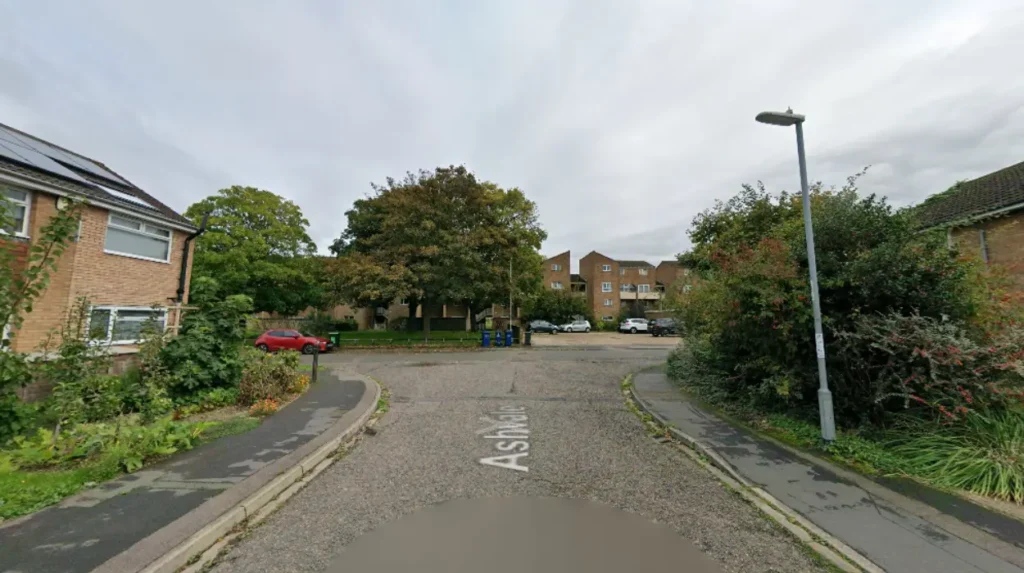
Continuous step-free walking routes connect major central sites, including the Fitzwilliam Museum, Market Square, and the University Botanic Garden. These routes prioritize smooth Yorkstone paving, shallow gradients, dropped kerbs, and wide pavements to bypass historic cobbles and steep curbs.
Navigating the historic core requires avoiding cobbled areas like Trinity Street and Green Street. The primary step-free pedestrian corridor begins at Station Square and follows Hills Road onto Regent Street. This path provides flat tarmac and Yorkstone surfaces, continuous tactile paving at controlled pedestrian crossings, and uniform dropped kerbs across all intersecting side streets.
From Regent Street, the route transitions smoothly onto St Andrew’s Street and Sidney Street, delivering direct level access to Grand Arcade and Market Square. Pedestrians can bypass cobblestone zones near Senate House Passage by utilizing the flat flagstone pavements along King’s Parade. These footways maintain a minimum clear width of 1500 mm, allowing two mobility devices to pass safely.
An alternative southern step-free route links the University of Cambridge Botanic Garden on Bateman Street to the Fitzwilliam Museum on Trumpington Street. The path uses flat, well-maintained footways free from exposed tree roots or steep cross-falls. The museum entrance on Lower Ground Floor provides automatic push-button doors, level threshold access, and internal passenger lifts serving all upper exhibition galleries.
What Public Accessible Toilet Facilities Are Available in Cambridge?
Cambridge provides numerous public accessible toilets equipped with radar key locks, adult changing benches, ceiling hoists, and low-level fixtures. Facilities are distributed across major shopping centers, transport hubs, civic buildings, and central public parks throughout the city center.
The National Key Scheme allows individuals with disability requirements to access locked public WCs using a standard Radar key. In central Cambridge, dedicated Radar-accessible facilities are positioned at Drummer Street Bus Station, Christ’s Pieces, Silver Street, and the Grafton Centre. These facilities maintain standardized dimensions of at least 2200 mm by 2000 mm, featuring wall-mounted grab rails, low-level sinks, and emergency assistance pull cords.
Changing Places toilets offer enhanced equipment for individuals requiring personal care assistants or specialized hoist systems. The main Changing Places facility in central Cambridge is situated on the First Floor of the Grand Arcade shopping center, accessible via central passenger lifts. This facility includes a height-adjustable adult changing bench, a tracking ceiling hoist system, a central toilet with fold-down support bars, and a non-slip floor surface.
Additional Changing Places units operate at the Cambridge Central Railway Station, Cambridge Leisure Park, Parkside Pools, and the Cambridge Biomedical Campus at Addenbrooke’s Hospital. All facilities undergo routine municipal maintenance and safety inspections to ensure hoist systems, emergency alarms, and automatic doors comply with British Standard BS 8300.
How Do Historic University Colleges Accommodate Visitors with Mobility Needs?
Historic University colleges accommodate mobility needs through alternative step-free entrances, wheelchair ramps, passenger lifts, and sensory access guides. While original entrances feature steps or cobbles, modern adaptations provide full access to gardens, chapels, and dining halls.
Colleges operating under heritage protection regulations utilize tailored physical solutions to balance preservation with modern access requirements. For example, King’s College provides step-free access to King’s College Chapel through a permanent stone ramp integrated into the North Porch. Inside the chapel, smooth flagstone flooring allows level movement through the nave, choir screen, and side chapels.
St Catharine’s College features step-free routes across its main quadrangle and residential courts via flat slabbed paving. Visitors access the McGrath Centre and main hall using electronic automatic doors and dedicated atrium lifts. Where historic stone steps cannot be removed, colleges install discreet platform lifts or maintain secondary step-free entrances equipped with intercom call buttons connected directly to the Porter’s Lodge.
Trinity College provides level access to its Great Court and Fellow’s Garden through secondary ramped portals near Bishop’s Hostel. Visitors can navigate the lawn perimeters along wide, smooth stone pathways. Access guides detailing gate widths, threshold heights, surface conditions, and accessible restroom locations are available online or at college entry lodges prior to entry.
What Are the Options for Accessible Parking and Blue Badge Holders in Cambridge?
Blue Badge holders benefit from dedicated parking bays, exemptions from certain traffic restrictions, and free parking in multi-storey car parks. Dedicated accessible parking spaces are positioned near primary shopping areas, historic attractions, and civic facilities.
Cambridge City Council operates an extensive Blue Badge scheme across all municipal multi-storey and surface car parks. In the Grand Arcade car park, 34 wider accessible bays are located on Level 1, offering direct level access to shop entrances via automatic sliding doors and high-capacity elevators. Blue Badge holders receive free parking concessions in designated council-operated car parks upon registering their vehicle details with the parking management system.
On-street Blue Badge parking options include dedicated bays on Peas Hill, Wheeler Street, King’s Parade, and Regent Street. These bays allow parking for up to 3 hours in designated spaces, provided the physical badge and parking clock are clearly displayed on the vehicle dashboard. Badge holders are also permitted to park on single or double yellow lines for up to 3 hours, except where loading restrictions apply.
Drivers accessing the central pedestrian zone must navigate the city’s bus gate restriction points. Vehicles displaying a valid Blue Badge can request access permits through the local highway authority to enter restricted streets such as Silver Street or Bridge Street during operational hours without incurring penalty charges.
What is the most accessible way to travel from London to Cambridge?
Direct rail services from London King’s Cross or London Liverpool Street to Cambridge Central Station offer complete step-free access. Trains feature designated wheelchair bays, accessible WCs, and ramp assistance. Passengers can book free support through National Rail Passenger Assist prior to travel.
Are punt trips on the River Cam accessible for wheelchair users?
Selected punting operators on the River Cam provide boarding assistance and physical support for manual wheelchair users. Staff can assist passengers transferring into the punt, while wheelchairs are stored securely at the river slipway desk during the tour.
Can mobility scooters be driven through Cambridge city center?
Mobility scooters can be driven on all public footpaths, pedestrian areas, and paved routes across central Cambridge. Class 2 scooters are permitted on footways at speeds up to 4 mph, while Class 3 scooters can use designated roadways and cycle lanes.
Where can I hire a wheelchair or mobility scooter in central Cambridge?
Wheelchairs and mobility scooters can be hired through local Shopmobility schemes based in central parking locations. Facilities located at the Grand Arcade car park offer short-term and daily hire options for visitors needing assistance around the city core.
Are guide dogs and assistance animals allowed inside Cambridge University colleges?
Recognized guide dogs and registered assistance animals are permitted inside all Cambridge University colleges, chapels, and public venues. Staff provide water bowls and dedicated relief areas upon request at main porter lodges.