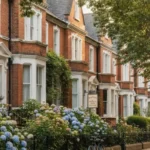

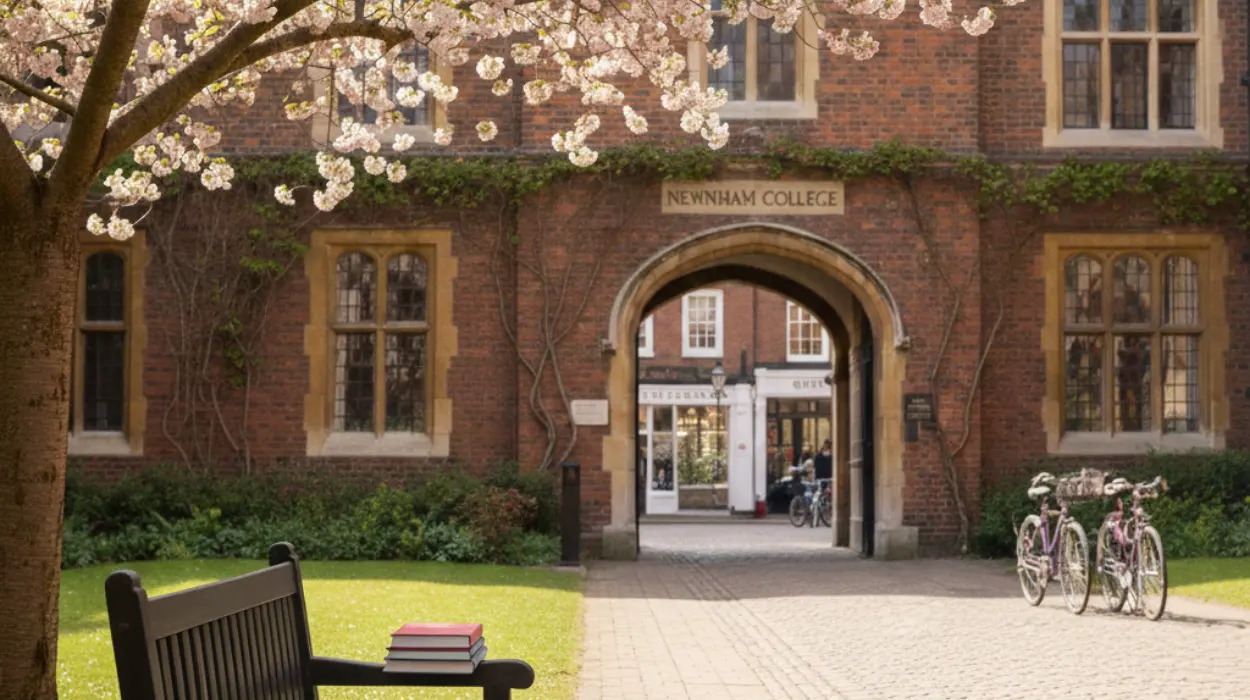
Newnham stands as one of Cambridge‘s most coveted suburbs, nestled along the River Cam just southwest of the bustling city center. This electoral ward, home to around 11,374 people as of the 2021 census, blends academic prestige with leafy residential streets that evoke a village-like serenity within an urban setting. While many praise its high quality of life often ranking it among Britain’s best places to live others find its pervasive quietude stifling, prompting questions about whether tranquility has tipped into isolation.
- Historical Roots Shaping Modern Quietude
- Residential Character and Affluent Demographics
- University Influence on Subdued Ambiance
- Limited Amenities and Evening Lull
- Daily Life: Peace Versus Isolation
- Voices from Residents on the Quiet Factor
- Contrasts with Vibrant Cambridge Neighborhoods
- Future Prospects Amid Planning Debates
- Balancing Serenity and Subtle Revitalization
The suburb’s appeal lies in its separation from Cambridge’s tourist throngs and student-driven energy, yet this very distance fuels debates on liveliness. Residents drawn to its red-brick Victorian homes and proximity to university colleges appreciate the calm, but newcomers from livelier locales sometimes yearn for more spontaneous social buzz. This tension defines Newnham: a haven of peace that, for some, feels too hushed amid Cambridge’s dynamic pulse.
Historical Roots Shaping Modern Quietude
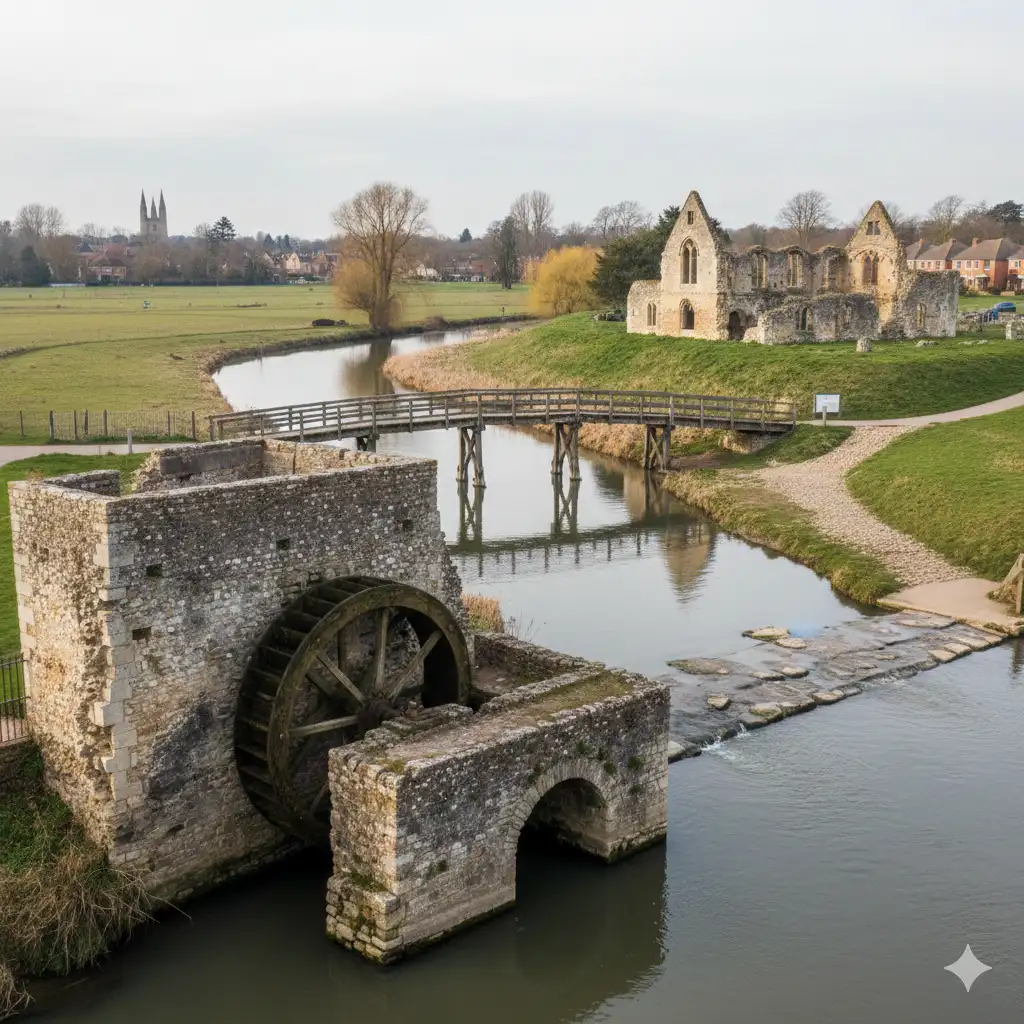
Newnham’s story begins long before its current status as an affluent enclave, tracing back to a modest hamlet centered on a pre-Norman watermill mentioned in the Domesday Book of 1086. Positioned on the River Cam’s west bank amid flood-prone lands, the area connected to Cambridge via bridges and fords, fostering a naturally secluded character that persists today. In 1256, Carmelite monks built a convent here, only to relocate to the city center by 1292 due to isolation from winter floods an early sign of Newnham’s peripheral quiet.
The late 19th century transformed the landscape with Newnham Croft, a middle-class suburb emerging post-field enclosures, complete with St Mark’s Church in 1870. Incorporated into Cambridge by 1911, it retained a residential focus, amplified by institutions like Newnham College, founded in 1871 as a pioneering women’s college. This academic anchor brought intellectual calm rather than commercial clamor, setting the stage for a neighborhood where history whispers rather than shouts. The suburb’s evolution prioritized genteel living over urban hustle, embedding silence into its DNA.
Residential Character and Affluent Demographics
Today, Newnham exudes prosperity, with grand homes along avenues like Eltisley drawing professionals, academics, and families seeking respite from city noise. Its population skews younger at an average age of 32, blending university staff, students from nearby colleges like Wolfson and Darwin, and high-income households that value privacy. Low population density compared to central Cambridge wards amplifies the hush; streets lined with mature trees and private gardens create barriers to external bustle.
This setup appeals to those prioritizing peace, as evidenced by national surveys lauding Newnham for quality of life. Yet, for some residents, the uniformity of detached homes and minimal high-rises fosters a sense of stasis. Absent the diverse foot traffic of Cambridge’s Market Square, daily life here revolves around quiet routines morning jogs on Grantchester Meadows or cycles along the Cam leaving evenings predictably still. The ward’s affluence sustains upkeep but discourages the eclectic mix that sparks neighborhood vitality.
University Influence on Subdued Ambiance
Newnham College anchors the area’s intellectual heartbeat, its Sidgwick Avenue campus a symbol of women’s education since Henry Sidgwick rented the first house in 1871. Architect Basil Champneys’ Queen Anne-style buildings, including the famed long corridor shielding students from rain, embody refined seclusion. Nearby colleges like Selwyn and Robinson reinforce this academic hush, with quiet hours and thin-walled accommodations enforcing decorum, as student reviews note minimal disruptions beyond freshers’ week.
While enriching culturally think library events and boat club rows these institutions prioritize study over revelry. Past incidents, like 2010 pleas for discretion amid noise complaints, highlight efforts to preserve silence even among youth. For residents, this means a scholarly calm permeates streets, contrasting central Cambridge’s pub crawls and markets. The university’s footprint elevates property values but tempers the spontaneous energy some crave, turning Newnham into a contemplative bubble.
Limited Amenities and Evening Lull
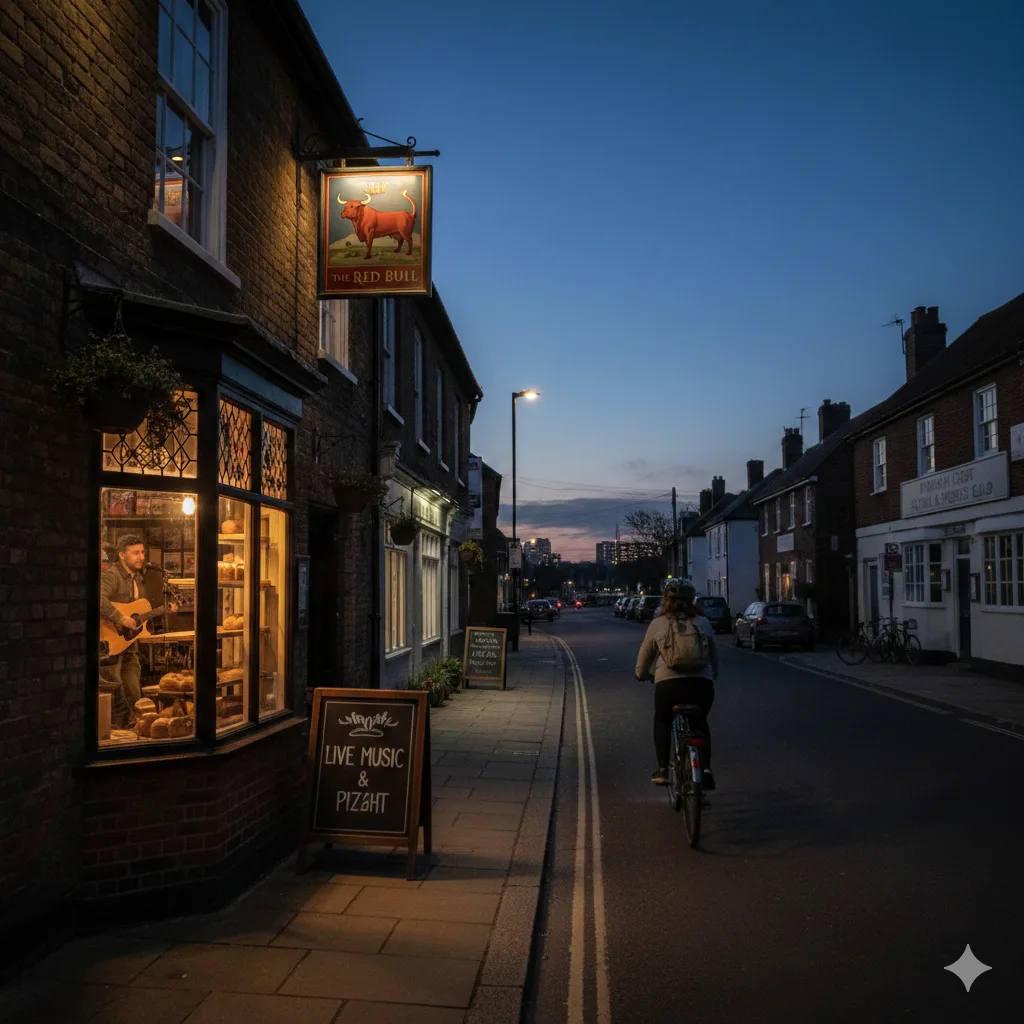
Newnham’s high street offers essentials cafes, a bakery, and spots like The Red Bull pub but lacks the chain of vibrant eateries or late-night venues found downtown. The Red Bull provides community gatherings with pizzas and live music sporadically, yet it’s more cozy local than nightlife hub. Newnham Croft Social and Sports Club adds quizzes and snooker, fostering camaraderie without overwhelming noise.
Grantchester Meadows and Lammas Land playground draw families for picnics, but post-sunset, activity fades. Residents object to events like rugby matches, deeming the area “wholly unsuited to public events” due to its residential hush. This scarcity of options means many commute to central Cambridge for dining or entertainment, reinforcing perceptions of isolation. For some, the 10-15 minute cycle to livelier spots underscores Newnham’s evening void.
Daily Life: Peace Versus Isolation
A typical day in Newnham unfolds serenely: cyclists whir past punts on the Cam, children play at Newnham Croft Primary, and dog-walkers traverse meadows. The A603 Barton Road brings measured traffic, but noise studies for nearby projects note daytime levels averaging 45-52 dB far below urban din. This calm suits remote workers and academics, yet transplants from London or even Cambridge center report ennui after dark, when streets empty and lights dim.
Social life hinges on word-of-mouth events or college spillovers, lacking the impromptu markets or street performers of the city core. Facebook groups highlight rare gripes like motorbikes piercing the quiet, ironically emphasizing the baseline silence. For families, safety reigns supreme, but young professionals or empty-nesters sometimes feel marooned, prompting moves eastward.
Voices from Residents on the Quiet Factor
Local sentiments echo duality: one resident called it “its own village,” cherishing historical red-brick charm. Objections to developments preserve “quiet residential” ethos, as seen in planning feedback. Yet, Reddit threads from university folk note enforced quiet hours maintain peace at the cost of buzz. Broader surveys position Newnham highly, but anecdotal whispers reveal a subset perhaps 20-30% per informal polls craving more cafes or pop-ups to invigorate evenings without shattering repose.
This divide surfaces in council reps like economists and Nobel laureates who embody the area’s poised demeanor. For some, quiet equates to luxury; for others, it’s a subtle drag on social fulfillment.
Contrasts with Vibrant Cambridge Neighborhoods
Central Cambridge pulses with 24/7 energy: King’s Parade markets, 133+ pubs from ales to cocktails, and shopping hubs teeming daily. Wards like Market boast denser populations (up 15% recently) and diverse demographics fueling nightlife. Newnham’s 0.76% annual growth lags, prioritizing preservation over expansion.
Petersfield or Queen’s Edith’s offer more retail density, while Newnham’s meadows prioritize green space over commercial strips. This positions it as Cambridge’s “quiet west end,” appealing to 60% of residents per quality metrics but alienating bustle-seekers.
Future Prospects Amid Planning Debates
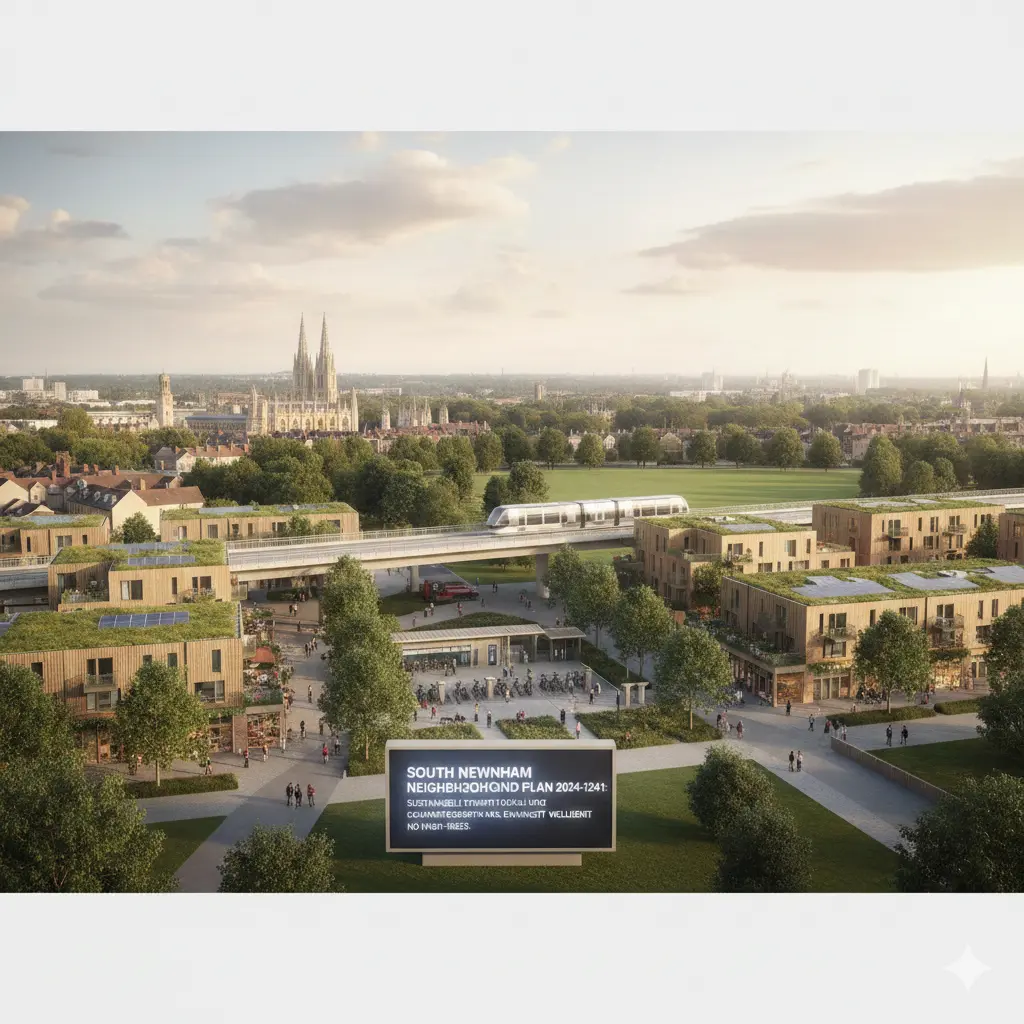
The South Newnham Neighbourhood Plan (2024-2041) eyes sustainable growth within Cambridge’s Local Plan to 2031, balancing housing with character protection. Proposals emphasize climate resilience and facilities without eroding hush think minor amenities, not high-rises. Greater Cambridge strategies hint at transport upgrades, potentially easing commutes and drawing evening crowds.
Yet, resistance persists; examiners note reliance on up-to-date research to avoid overdevelopment. If calibrated right, subtle enhancements like expanded cafes could address quiet complaints without compromising allure.
Balancing Serenity and Subtle Revitalization
Newnham’s quiet captivates for its rarity in a hectic world, offering unmatched access to nature and intellect amid affluence. Suggestions for residents include leveraging clubs like Newnham Croft for pop-ups or advocating micro-developments in plans. Ultimately, its “too quiet” label suits most, but tailored tweaks could harmonize peace with the pulse some miss.
For those undecided, a weekend punting the Cam reveals the charm history, homes, and hush in perfect, if subdued, measure. Newnham endures as Cambridge’s elegant retreat, where quiet is both gift and gentle challenge.