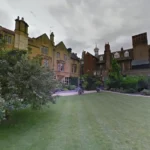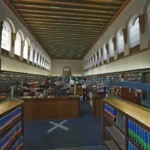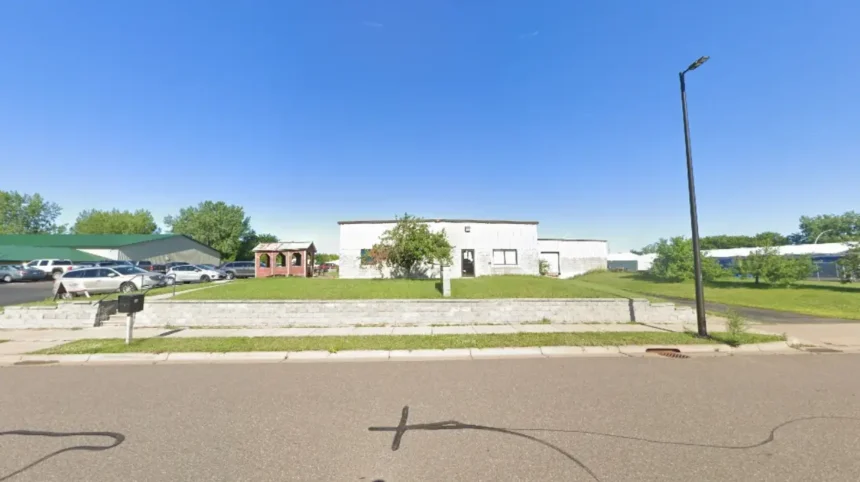
Victorian Cambridge built a vast industrial network based on heavy gas production, rail transport, and iron manufacturing. The Cambridge Gas Light Company supplied urban energy from 1821, while eastern foundries manufactured critical infrastructure, completely redefining the local economy.
The economic framework of nineteenth-century Cambridge extended far beyond its academic institutions. Heavy industry flourished primarily along the River Cam and eastern parish zones such as Barnwell and Chesterton.
The opening of the Cambridge Gas Light Company in 1821 marked a major transition toward systematic urban utility management. Industrial plants relied on coal delivered by river barges before the direct integration of rail freight networks.
Manufacturing sites included the Eagle Iron Foundry, founded in 1821, which produced heavy iron castings, structural beams, and agricultural implements. Industrial operations required large physical spaces, driving development into surrounding working-class districts. Steam-driven flour mills, such as Chesterton Mills established in 1840, shifted local grain processing from wind power to high-capacity mechanical roller milling.
Urban utilities expanded alongside manufacturing growth to service the rising municipal population. The Cambridge Sewage Pumping Station, constructed in 1894 along Riverside, utilized massive steam-powered beam engines to manage municipal sanitation. These connected facilities formed an interconnected industrial grid that provided essential supplies, energy, and employment independent of the university.
How Did the Railways Transform Cambridge Working-Class Communities?
The introduction of the Eastern Counties Railway in 1845 created new working-class districts and shifted trade from river barges to rail transportation. Rail yards offered consistent employment, driving residential growth in Romsey Town and Sturton Town for railway workers.
The arrival of the Eastern Counties Railway in 1845 fundamentally altered the geographic and social layout of Cambridge. Railway directors positioned the main passenger and goods station over one mile south of the historic city center. This location choice spurred rapid physical expansion across previously undeveloped agricultural land, giving rise to distinct industrial suburbs.
Terraced housing developments rapidly expanded across Romsey Town and Sturton Town to accommodate thousands of incoming transport laborers. Bricklayers, engine drivers, shunters, and yard laborers populated these dense residential grids. The railway company operated expansive marshalling yards, coal depots, and engine sheds, making it one of the largest single employers in the region.
Rail transport superseded traditional river barge traffic along the River Cam, changing how raw materials entered the borough. Heavy coal shipments from northern coalfields arrived directly by rail, fueling local gasworks, steam engines, and domestic fireplaces. This transport network integrated Cambridge into the national market, lowering goods costs while establishing a permanent industrial working-class identity.
What Role Did the Barnwell and Chesterton Working-Class Districts Play?
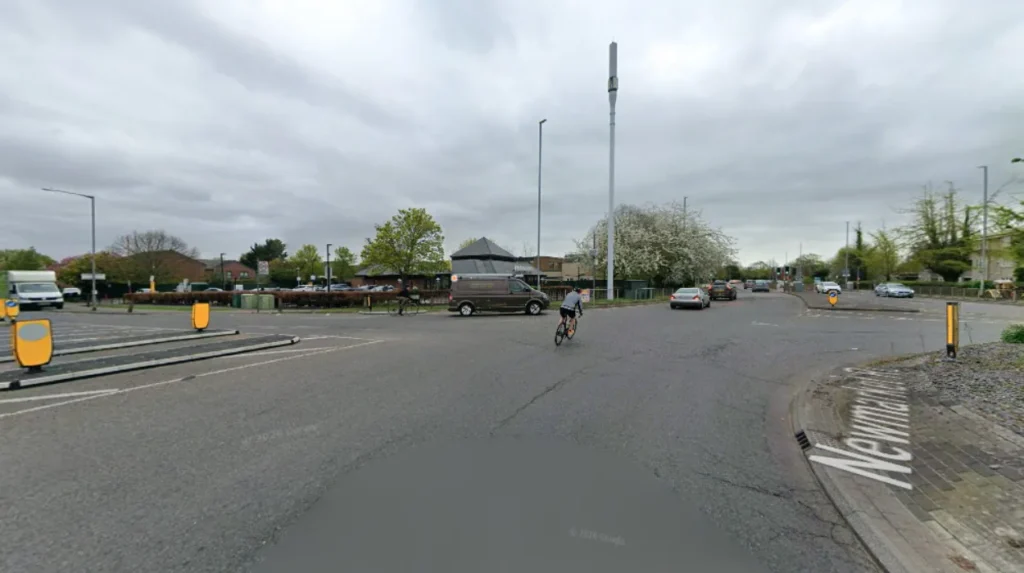
Barnwell and Chesterton served as the primary residential and industrial hubs for Cambridge laborers. These districts housed brickworks, coprolite mining operations, and factories, absorbing rapid population growth while enduring significant economic hardship and overcrowded living conditions.
Barnwell and Chesterton functioned as the industrial heartlands of Cambridge throughout the nineteenth and early twentieth centuries. Barnwell underwent rapid, unregulated expansion during the early 1800s, converting open fields into dense rows of working-class housing. The district attracted brickmakers, quarrymen, and general laborers who worked in nearby clay pits and industrial sites.
During the mid-nineteenth century, the discovery of local coprolite deposits generated a major mining boom across Cambridgeshire. Laborers excavated these phosphate-rich fossils for use in chemical fertilizer manufacturing, providing vital income for rural and urban workers. Chesterton developed adjacent chemical works, soap factories, and commercial boatyards along the River Cam, creating a self-contained working-class ecosystem.
Living conditions in these eastern parishes were frequently characterized by poor sanitation, periodic infectious disease outbreaks, and severe overcrowding. The Chesterton Workhouse, constructed in 1838 under the Poor Law Amendment Act, stood as a harsh social safety net for destitute workers. Despite economic precarity, these neighborhoods formed tight-knit communities centered around trade unions, friendly societies, and workingmen’s clubs.
How Did Local Trade Unions Organize Cambridge Workers?
Trade unions in Cambridge organized skilled craftsmen, railway staff, and municipal laborers to demand fair wages and improved working conditions. Early labor groups established organized representation, challenging the political dominance of university authorities and wealthy landowners.
Trade unionism in Cambridge developed through organized efforts among craft guilds, transport personnel, and industrial factory workers. Early labor organizing faced strong resistance from academic administrators and conservative civic leaders who dominated local governance. Despite these obstacles, skilled artisans including printers, builders, and iron founders established trade union branches during the mid-nineteenth century.
The expansion of the railway network provided a major boost to local union density. The Amalgamated Society of Railway Servants established strong local representation, campaigning for standardized shifts, workplace safety protocols, and fair wage scales. Municipal workers at the gasworks and sewage pumping stations similarly banded together to secure employment protections.
Labor representation expanded into local politics during the late nineteenth and early twentieth centuries. Working-class leaders formed the Cambridge Trades Council to unify union branches across various trades. This organizational framework enabled workers to field candidates for municipal elections, securing direct representation on town councils and advocating for public housing, improved sanitation, and educational access.
What Is the Modern Legacy of Industrial Cambridge?
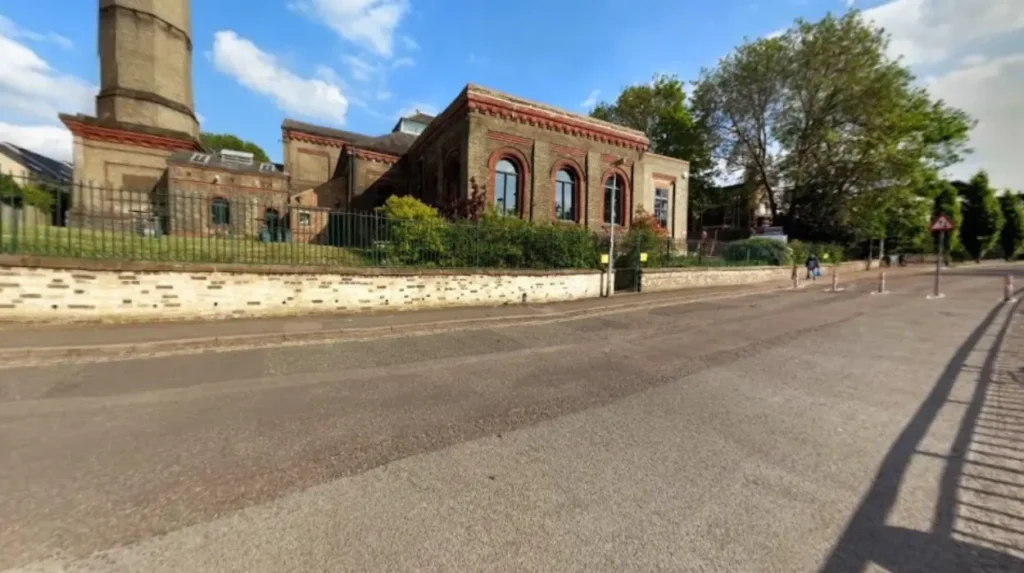
The physical legacy of industrial Cambridge survives in repurposed Victorian structures, heritage museums, and preserved worker housing. Repurposed sites like the Cambridge Museum of Technology highlight the working-class contributions that built the modern city.
The physical remnants of industrial Cambridge remain visible across the modern urban landscape despite extensive mid-century redevelopment. Former industrial complexes have been converted into educational, cultural, and commercial spaces. The Cambridge Sewage Pumping Station now houses the Cambridge Museum of Technology, preserving historic steam engines, gasworks equipment, and industrial artifacts.
Chesterton Mills has transitioned from a commercial flour production site into a modern business workspace, retaining its historic brick architecture and mill features. Terraced housing developments across Romsey Town and Petersfield remain active residential neighborhoods, retaining their original Victorian street plans. These preserved structures offer clear physical evidence of the working-class labor that constructed the municipality.
Recognizing this industrial history provides a complete understanding of Cambridge beyond its academic identity. Historical preservation projects continue to document the lives, workplaces, and social movements of the working-class population. This broader historical perspective ensures that the industrial workers who powered, built, and maintained the city are recognized alongside its academic legacy.
What main industries operated in Cambridge outside the university?
Major industries included gas production, iron founding, rail freight management, brickmaking, coprolite mining, and commercial flour milling. The Cambridge Gas Light Company, Eagle Iron Foundry, and Chesterton Mills were among the largest industrial operations supporting the town economy.
Why was Romsey Town built in Cambridge?
Romsey Town was developed during the late nineteenth century to provide dense, affordable housing for railway workers, builders, and industrial laborers. Its growth followed the opening of the nearby railway line and goods yards in 1845.
What is the Cambridge Museum of Technology?
The Cambridge Museum of Technology is a heritage site located in the former 1894 Cambridge Sewage Pumping Station along Riverside. It preserves historic industrial machinery, including original pumping engines, gasworks equipment, and printing presses.
How did coprolite mining impact the local working class?
Coprolite mining provided essential employment for rural and urban laborers in Cambridgeshire during the mid-to-late nineteenth century. Laborers excavated phosphate deposits used to manufacture chemical fertilizers for British agriculture.
How did the arrival of railways change trade in Cambridge?
The opening of the railway in 1845 shifted heavy goods transport away from river barges on the River Cam. Trains allowed rapid, large-scale coal and raw material imports, expanding local industrial manufacturing and market access.