
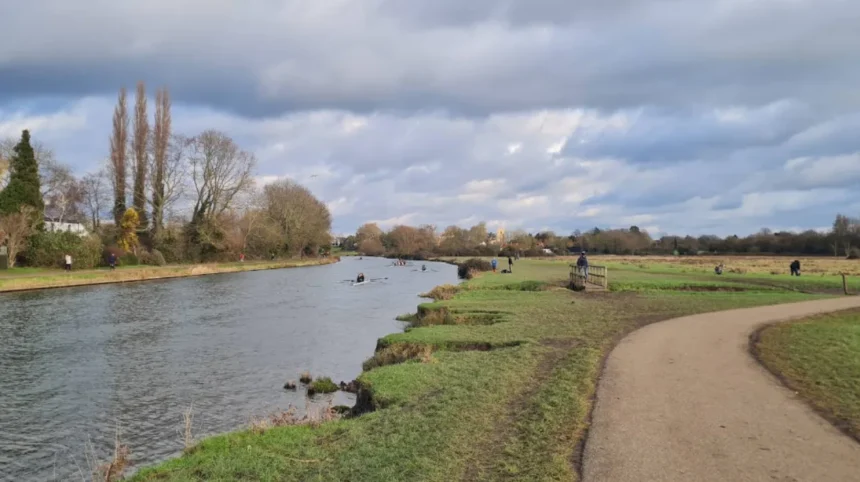
Fen Ditton is a historic riverside village located exactly two miles northeast of Cambridge city centre along the northern banks of the River Cam. This Cambridgeshire settlement provides an accessible escape for visitors seeking a combination of rural walking trails, traditional English pubs, and scenic waterways. The village retains a distinct rural identity while remaining connected to the infrastructure of the primary university city. It serves as a vital green lung and recreational corridor for residents, historians, and tourists exploring the broader Cambridgeshire landscape.
- What is the History and Background of Fen Ditton?
- How Do You Travel to Fen Ditton from Cambridge?
- What are the Best Walking Routes in Fen Ditton?
- Which Historic Pubs Should You Visit in Fen Ditton?
- What Landmark Buildings Can You See in Fen Ditton?
- How Do the River Cam Rowing Events Affect the Village?
- Frequently Asked Questions
The geographic positioning of the village makes it a natural endpoint for pedestrian and bicycle traffic traveling from the midstream areas of the River Cam. Visitors routinely access the area to observe regional wildlife, study medieval church architecture, and watch competitive rowing events. The local infrastructure supports sustainable tourism through clear trail markings, well-maintained towpaths, and established hospitality venues that look out over the water. Understanding the logistical details, historical background, and specific attractions of the area ensures a highly productive and enriching day trip experience.
What is the History and Background of Fen Ditton?
Fen Ditton dates back to the Anglo-Saxon period when its name originated from the Old English words meaning the ditch settlement near the fenlands. The village was strategically established along the Fleam Dyke, an ancient defensive earthwork constructed to control movement across the rural East Anglian landscape. By the time of the Domesday Book in 1086, the settlement was recorded as a thriving agricultural community under the jurisdiction of the Bishops of Ely. This ecclesiastical connection brought economic stability and dictated land use patterns that influenced the development of the village for subsequent centuries.
The River Cam served as the primary commercial highway for the village, allowing agricultural goods and local building materials to reach wider regional markets. During the medieval era, the village hosted the annual Ditton Fair, an economic market authorized by royal charter that attracted merchants from across eastern England. The construction of St Mary the Virgin Church in the twelfth century established a permanent spiritual and administrative focal point for the local population. This heritage remains visible in the surviving timber-framed buildings, regular field patterns, and historic manor sites that define the modern conservation area.
How Do You Travel to Fen Ditton from Cambridge?
Traveling to the village from central Cambridge is straightforward due to multiple integrated transport corridors that cater to pedestrians, cyclists, motorists, and public transit users. The most popular recreational route follows the River Cam towpath, which provides a direct, flat path measuring approximately 2.5 miles from the Jesus Green lock area. Cyclists can utilize the dedicated National Cycle Network Route 11, which connects central transport hubs to the village via traffic-free asphalt paths. This cycling infrastructure allows travelers to reach the village green in less than fifteen minutes from the heart of the university grounds.
Motorists can access the village via the A14 road at Junction 34, which links the settlement directly to the regional highway network. Parking is available at designated pub venues for patrons, though public spaces near the village green are strictly limited to preserve the residential environment. Public bus services operate regularly from the Drummer Street bus station in Cambridge, dropping passengers off within the village nucleus in twenty minutes. Visitors can also utilize seasonal water taxis or private punt hires to navigate the waterway directly to the public landing stages located near the primary riverside venues.
For those planning an extended itinerary in the area, looking into a comprehensive what is Fen Ditton Cambridge a complete guide to this riverside village escape provides valuable deeper context on the village geography.
What are the Best Walking Routes in Fen Ditton?
The network of public footpaths in and around the village offers diverse options for walkers of all fitness levels seeking river views and rural landscapes. The Fen Ditton Riverside Walk is the core trail, guiding pedestrians along the grassy banks where they can observe the university rowing crews practicing. Another popular path leads users eastward toward Horningsea, passing through open agricultural fields, ancient hedgerows, and managed fenland habitats that support local biodiversity. These paths are maintained by the local county council to ensure year-round accessibility, though defensive footwear is recommended during wet winter periods.
Walkers can explore the internal village trail, which loops past the historic rectory, the old schoolhouse, and the protected alignment of the ancient Fleam Dyke. This route features informative signage explaining the ecological significance of the local chalk streams and the willow trees that line the riverbanks. The paths intersect with the Camas Way, a longer regional trail that links various historic conservation villages across the Cambridgeshire district. This interconnected trail infrastructure allows hikers to design custom circular routes ranging from a brief two-mile stroll to an intensive ten-mile regional trek.
Which Historic Pubs Should You Visit in Fen Ditton?
The village contains iconic, long-standing public houses that provide traditional British hospitality, seasonal dining options, and expansive outdoor seating areas along the water. The Plough is the most prominent riverside pub, featuring a large terraced garden that sits directly adjacent to the main rowing course of the River Cam. This establishment is famous for serving as an optimal viewing platform during the annual May Bumps rowing races hosted by Cambridge University. The interior retains classic architectural elements, including exposed wooden beams and open fireplaces that reflect the deep history of the local hospitality trade.
Another essential venue is The Ancient Shepherds, a traditional pub housed in a collection of converted fifteenth-century cottages along the historic High Street. This inn specializes in locally sourced ale, traditional gastropub menus, and a quiet courtyard environment that contrasts with the busy riverfront terraces. The architecture showcases authentic wattle-and-daub construction methods, low ceilings, and historic artifacts salvaged from the agricultural fields of the surrounding parish. Visiting these venues allows travelers to experience authentic Cambridgeshire pub culture while enjoying high-quality food, regional ciders, and historic architectural spaces.
To discover more specific activities and optimize your afternoon itinerary between these venues, explore the curated list of what are the 10 best things to do in Fen Ditton.
What Landmark Buildings Can You See in Fen Ditton?
The architectural landscape of the village is anchored by several protected structures that illustrate the evolution of rural English construction styles over nine hundred years. St Mary the Virgin Church features a distinctive thirteenth-century tower, a structural timber roof, and a rare medieval stone font used for parish baptisms. The churchyard contains grave markers dating back to the seventeenth century, offering genealogical insights into the farming families who originally populated the fen edges. The building remains open to the public daily, serving as both an active place of worship and a historical museum.
Ditton Hall is another significant landmark, representing an early seventeenth-century manor house constructed from traditional local brick and limestone dressings. Nearby, the Old Rectory showcases classic Georgian architectural symmetry with its large sash windows, formal front gardens, and imposing brick facade. The village green is bordered by numerous Grade II listed thatched cottages that feature traditional pargeting, an ornamental plaster technique unique to Eastern England. These buildings collectively form a protected conservation area designed to prevent unsympathetic modern development from altering the historic character of the village.
How Do the River Cam Rowing Events Affect the Village?
The geographical position of the village along the straightest reach of the lower River Cam makes it the premier destination for university rowing events. The May Bumps and the Lent Bumps are historic multi-day bumping races where college crews attempt to catch and physically strike the boat ahead of them. During these tournament weeks, thousands of spectators, university alumni, and sports coaches gather on the Fen Ditton riverbanks to cheer on the competing athletes. This influx of visitors generates significant short-term economic revenue for local hospitality businesses, particularly the riverside pubs and mobile food vendors.
The river infrastructure around the village includes specific coaching points, technical markers, and finishing lines that are used daily by university coxswains and rowers. The constant presence of these athletic vessels requires recreational watercraft, such as punts and motor cruisers, to follow strict navigation rules to avoid collisions. The local rowing clubs coordinate closely with the Conservators of the River Cam to manage water safety and preserve the riverbank ecosystems. This athletic tradition has occurred continuously since the mid-nineteenth century, embedding the sport deeply into the cultural identity of the modern village.
Frequently Asked Questions
What wildlife can you spot during a Fen Ditton day trip?
The river corridors and open fens around the village support diverse animal populations, including grey herons, kingfishers, and mute swans nesting in the reeds. Visitors frequently observe seasonal migratory waterfowl, grey seals traveling upstream from the Wash, and various bat species hunting along the tree lines at dusk.
What is the best time of year to visit Fen Ditton?
The summer months between June and August offer the most reliable weather for walking, outdoor dining, and viewing the major university rowing competitions. The spring season brings blooming wildflowers along the fen trails, while autumn provides colorful foliage across the historic woodlands and quieter pedestrian routes.
Are the walking paths in Fen Ditton wheelchair accessible?
The primary towpath connecting central Cambridge to the village is flat and constructed from compacted gravel, making it accessible for most robust wheelchairs during dry periods. Internal village footpaths and rural trails heading toward Horningsea consist of natural earth and grass, which can become deeply muddy and difficult to navigate after heavy rainfall.