
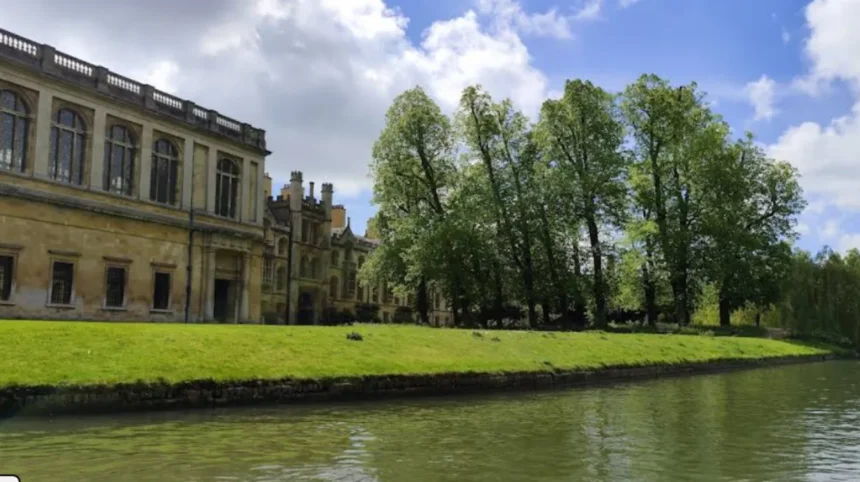
Fen Ditton is a historic riverside village located on the northeast edge of Cambridge in Cambridgeshire, England. The village sits on the eastern bank of the River Cam and is known for its rural charm, traditional architecture, and close proximity to the city of Cambridge. Historically, the area dates back to the Saxon era, with its name deriving from the Old English words meaning a ditch near a fen. Today, the settlement serves as a popular destination for walkers, cyclists, and tourists who want to experience traditional Cambridgeshire countryside while remaining connected to urban amenities.
- Why is Fen Ditton a Popular Destination for Visitors in Cambridgeshire?
- How Can You Experience the River Cam in Fen Ditton?
- What is the Significance of Saint Mary the Virgin Church?
- Where Can You Find the Best Walking Trails in Fen Ditton?
- What Historic Buildings Exist in the Village Center?
- How Can You Experience Dining and Pub Culture in Fen Ditton?
- What Wildlife Can You Observe in Ditton Meadows?
- How Do You Access Fen Ditton from Cambridge?
- What is the History of the Fen Ditton Bumps Races?
- What Annual Community Events Take Place in Fen Ditton?
- Frequently Asked Questions
- What is the best time of year to visit Fen Ditton for rowing events?
- Can you walk all the way from central Cambridge to Fen Ditton?
- Are there public parking facilities available within Fen Ditton village?
- What options are available for food and drink in the village?
- Is Ditton Meadows safe for dogs to walk off-lead?
The geographical layout of Fen Ditton features a central conservation area containing several listed buildings, including a twelfth century church and ancient manor houses. The village is highly famous for its position along the River Cam, making it a primary viewing location for the annual Cambridge University rowing races. Visitors frequently travel to the area to explore the scenic pathways, visit historic pubs, and experience the natural landscapes of the fen edge. The village represents a well preserved example of a rural Cambridgeshire settlement that has maintained its distinct identity despite the expansion of neighboring urban centers.
Why is Fen Ditton a Popular Destination for Visitors in Cambridgeshire?
Fen Ditton attracts visitors because it combines rich medieval history with scenic riverside landscapes located exactly two miles from the center of Cambridge. The village offers an escape from urban congestion through its historic architecture, traditional English pubs, and direct access to the River Cam trail.
The popularity of the village relies heavily on its unique position along the river transport network that has connected Cambridgeshire communities for centuries. The area features the Ditton Meadows, which are protected floodplains providing open green space for cattle grazing, walking, and photography. Tourists frequently visit the village to view the architectural heritage, which includes timber framed cottages from the sixteenth and seventeenth centuries. The location also serves as a vital transition point between the urban environment of Cambridge and the expansive, flat landscape of the Cambridgeshire Fens.
Visitors also choose this destination because it provides a base for outdoor recreation without requiring extensive travel from the city. The village connects directly to the Cam Isles cycle paths, which allow cyclists to travel safely away from motorized traffic. The local hospitality sector thrives due to the influx of seasonal tourists who visit the riverside venues during the summer months. Fen Ditton maintains a balanced ecosystem where conservation efforts preserve the local wildlife habitats while allowing managed public access for educational and leisure activities.
How Can You Experience the River Cam in Fen Ditton?
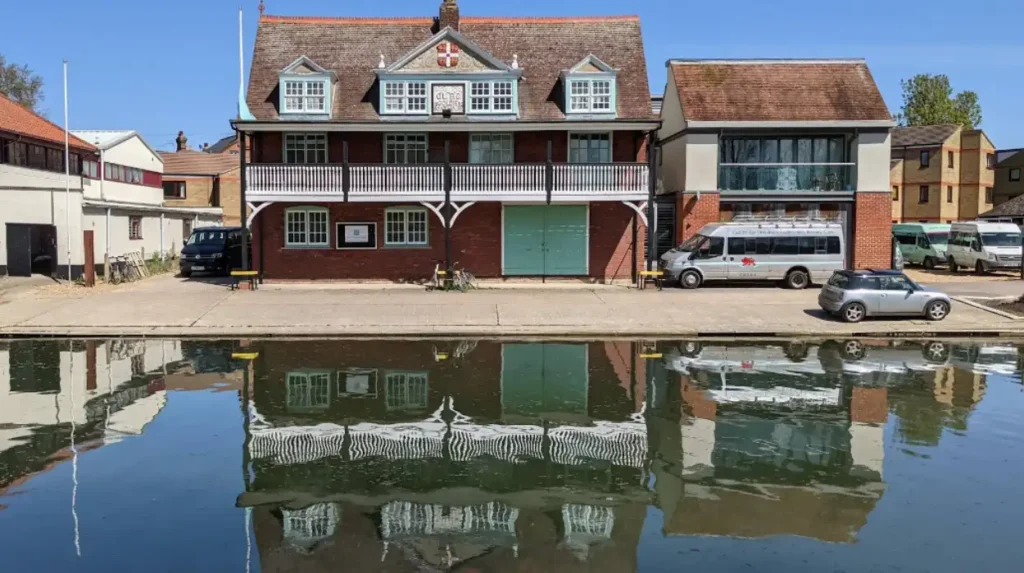
You can experience the River Cam by walking along the ancient towpath, hiring a punt or kayak, or watching the Cambridge University rowing teams train. The river section at Fen Ditton provides the primary straight course used for the historic bumps rowing races.
The river serves as the central focal point of the village layout and provides a variety of water based and bank side activities. Walking along the Fen Ditton towpath allows individuals to observe local waterfowl, including mute swans, grey herons, and kingfishers. The riverbank is also a primary spot for competitive rowing observation, particularly during the May Bumps and Lent Bumps races. During these events, hundreds of spectators gather along the grassy banks of the village to watch college crews attempt to bump the boat ahead of them.
For those wanting to be on the water, the river accommodates non motorized watercraft such as canoes and paddleboards. The water conditions in this section are generally calm, making it suitable for amateur navigators traveling down from central Cambridge. The river infrastructure includes several public mooring points and slips where boaters can temporarily dock to access village facilities. This waterway remains an active navigation route for both leisure cruisers and traditional wooden punts, preserving the maritime heritage of the region.
What is the Significance of Saint Mary the Virgin Church?
The Church of Saint Mary the Virgin is a Grade two listed parish church that has served as the spiritual and architectural center of Fen Ditton since the twelfth century. The structure features a distinctive square tower, early English Gothic architecture, and historic monuments.
The construction of the church began around the year 1190, with significant expansions occurring in the fourteenth and fifteenth centuries to accommodate a growing agricultural population. The building is constructed from a mixture of field stones, flint, and limestone rubble, which reflects the materials available in the medieval Cambridgeshire region. Inside the church, visitors can view a stone font dating back to the fifteenth century and a collection of stained glass windows from various eras. The churchyard contains gravestones that document the genealogy and occupations of the village residents over the past four hundred years.
Architectural enthusiasts study the building to observe the transition between different periods of English church architecture. The chancel and nave display structural modifications made during the Victorian era when architect Sir George Gilbert Scott directed a major restoration project in 1881. The church remains active in the community, holding regular services and hosting cultural events that fund the maintenance of the fabric. The building stands as a physical record of the socioeconomic changes that transformed Fen Ditton from a medieval farming manor into a modern residential parish.
Where Can You Find the Best Walking Trails in Fen Ditton?
The best walking trails start at Ditton Meadows and follow the River Cam towpath toward either central Cambridge or the neighboring village of Horningsea. These public footpaths offer flat, accessible routes through protected floodplains and agricultural fields.
The Ditton Meadows trail is the most popular route, spanning across wide open grasslands that separate the village from the Cambridge suburb of Chesterton. This trail forms part of the Fen Rivers Way, a long distance path that eventually leads to the wash at King’s Lynn. Walking along this path gives individuals views of the Cambridge skyline while keeping them immersed in a quiet, rural landscape. The terrain consists of natural grass and gravel paths, which require appropriate footwear during the wet winter months when the meadows perform their natural flood protection function.
Another significant trail leads north from the village center toward Baits Bite Lock, which is a historic river lock managed by the Conservators of the River Cam. This walk takes pedestrians past agricultural fields growing traditional crops, including wheat, barley, and sugar beet. The path is entirely flat, making it ideal for families, dog walkers, and long distance hikers seeking an uncomplicated route. These trails are fully signposted by the local authority to ensure walkers remain on public rights of way while protecting private agricultural property.
What Historic Buildings Exist in the Village Center?
The village center contains several ancient structures, including the fifteenth century Fen Ditton Hall, the Old Rectory, and multiple timber framed thatched cottages. These buildings represent centuries of changing domestic architecture and status in rural England.
Fen Ditton Hall is a prominent historic residence built originally as a manor house for the Bishops of Ely who held the land in the medieval period. The current structure retains parts of the fifteenth century build, with major additions made in the seventeenth century using red brick. The Old Rectory is another significant building, exhibiting grand Georgian architecture with symmetrical facades and large sash windows that reflect the wealth of the nineteenth century clergy. Walking along the High Street reveals a continuous line of protected domestic buildings that showcase traditional building techniques like wattle and daub.
The conservation status of the village center ensures that any modifications to these properties must preserve their historical integrity. The thatched roofs on several cottages require specialized maintenance by traditional craftsmen, keeping ancient roofing skills alive in the modern era. These buildings provide a visual timeline of the village, showing how it evolved from a high status ecclesiastical estate into a thriving agricultural community. Tourists can view these properties from the public pathways that wind through the core of the ancient settlement.
How Can You Experience Dining and Pub Culture in Fen Ditton?
You can experience the local dining culture by visiting the traditional riverside pubs, including The Plough and The Ancient Shepherds. These establishments serve local ales, traditional British meals, and provide outdoor seating directly overlooking the water.
The Plough is highly famous for its expansive beer garden that slopes directly down to the banks of the River Cam. This venue becomes incredibly busy during the summer months when spectators use the garden as a premium viewing spot for rowing events. The interior of the pub combines modern dining facilities with historic features, offering menus focused on seasonal British ingredients. Dining here allows visitors to experience the classic English riverside lifestyle that has drawn people to the Cam for generations.
The Ancient Shepherds offers a different atmosphere, located away from the water within a timber framed building that dates back to the sixteenth century. This pub focuses on a traditional tavern experience, featuring low oak beams, open fireplaces, and cozy dining alcoves. The menu emphasizes hearty, pub classic dishes alongside a selection of craft beers produced by independent breweries in East Anglia. Visiting these venues provides an insight into the social fabric of the village, where residents and tourists gather to socialize.
What Wildlife Can You Observe in Ditton Meadows?
Ditton Meadows provides a habitat for diverse wildlife, including cattle, kingfishers, grey herons, egrets, and various species of bats. The combination of river, wetland, and grassland creates a rich ecosystem for native British fauna.
The grasslands are grazed by traditional cattle herds during the spring and summer, which maintains the height of the pasture and encourages plant diversity. The river corridor attracts predatory birds like the common kestrel and the barn owl, which hunt for small rodents in the long grass. In the water and along the reeds, observers frequently spot the vibrant blue flash of the common kingfisher hunting for small fish. The marshy areas of the meadows also support populations of amphibians, including the common frog and the smooth newt.
During the evening, the meadows become an active feeding ground for several bat species, including the common pipistrelle and the Daubenton’s bat. These mammals utilize the river corridor to hunt for midges and other flying insects that hatch from the water surface. Conservation groups monitor the wildlife populations in the meadows to ensure that public recreation does not disrupt nesting or feeding cycles. The area serves as a vital green lung, allowing urban wildlife from the Cambridge area to mix with rural species from the deeper fens.
How Do You Access Fen Ditton from Cambridge?
You can access Fen Ditton from Cambridge by cycling along the River Cam towpath, walking through Ditton Meadows, or driving via the A14 road. The village is located two miles northeast of Cambridge city center, making it highly accessible.
For cyclists and pedestrians, the most scenic route starts at Midsummer Common in central Cambridge and follows the shared use path down the river. This route takes approximately fifteen minutes by bicycle and forty five minutes by foot, completely avoiding road traffic. The path is paved for the majority of the distance, transitioning to hard packed gravel as it enters the Ditton Meadows area. This accessibility makes the village a popular afternoon trip for students, academics, and commuters living in the city.
For those traveling by motorized transport, the village connects to the regional road network via the A14 junction at Horningsea. Regular bus services operated by local transport companies connect Fen Ditton to the central Cambridge bus station throughout the week. There is also limited public parking available within the village for visitors arriving by car, though sustainable transport options are heavily encouraged by the parish council. The close proximity to major transport lanes ensures that the village remains a convenient stop for regional travelers exploring Cambridgeshire.
What is the History of the Fen Ditton Bumps Races?
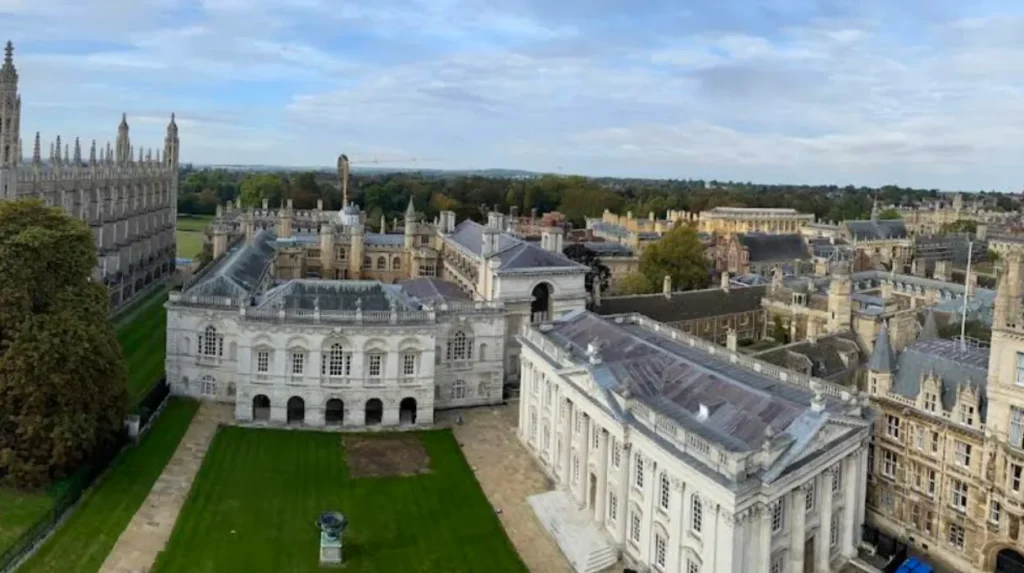
The Fen Ditton Bumps races are a historic rowing tradition started by Cambridge University in the early nineteenth century to allow college boat clubs to compete. Because the River Cam is too narrow for conventional side by side racing, boats chase each other in a line.
The first official university bumps races took place in the year 1827, and the rules have remained largely unchanged since that time. The objective is for a starting boat to catch and physically touch, or bump, the boat that started ninety feet in front of it. When a bump occurs, both boats pull over to the riverbank, and the successful crew moves up one position in the overall ranking for the next day of racing. The stretch of river at Fen Ditton Corner is famous because the sharp bend causes strategic challenges for the boat coxswains.
The event occurs twice a year, with the Lent Bumps taking place in February and the May Bumps occurring in June. The May Bumps attract the largest crowds, turning the riverbanks of Fen Ditton into a festival atmosphere with spectators setting up picnics. The races provide a historical connection between the village and the university, maintaining a tradition that has survived through two world wars. The results of these races are recorded in university archives, determining the head of the river title which brings immense prestige to the winning college.
What Annual Community Events Take Place in Fen Ditton?
Fen Ditton hosts several annual community events, including the Fen Ditton Parish Church Fete, local art exhibitions, and seasonal environmental clean up days. These events bring together long term residents and visitors to celebrate local culture and support community causes.
The annual church fete is a traditional English summer event held in the rectory gardens to raise funds for the maintenance of Saint Mary’s Church. The fete features stalls selling homemade cakes, locally grown produce, second hand books, and traditional garden games. This event has a history stretching back over a century, serving as a social anchor for the village population. It provides an opportunity for visitors to experience authentic rural community life and interact with the people who preserve the village heritage.
The village also participates in wider Cambridgeshire cultural events, such as the Open Studios program where local painters, potters, and sculptors open their workshops to the public. Environmental volunteer groups organize regular riverbank clean ups and tree planting sessions to maintain the cleanliness and biodiversity of the Ditton Meadows. These collaborative efforts ensure that the village infrastructure remains resilient and that the natural environment is protected for future generations. The events calendar reflects a community that is deeply invested in preserving its history while fostering an inclusive environment for visitors.
To understand more about the surrounding geography and village structures, visitors often explore adjacent areas to compare different regional setups. For a comprehensive overview of the village layout, landmarks, and amenities, individuals can read what is Fen Ditton Cambridge a complete guide to this riverside village escape. For those interested in how the nearby landscapes connect closer to the urban boundary of Cambridge, reviewing what is Chesterton Cambridge Midsummer Common provides useful context regarding the contiguous river pathways and meadows.
Frequently Asked Questions
What is the best time of year to visit Fen Ditton for rowing events?
The absolute best time to visit for rowing events is during the middle of June when the Cambridge University May Bumps take place. During this four day period, the weather is typically favorable, and the riverbanks around Fen Ditton Corner offer prime viewing locations. The village pubs become highly active, creating a vibrant festival atmosphere for spectators.
Can you walk all the way from central Cambridge to Fen Ditton?
Yes, you can easily walk from central Cambridge to the village by following the River Cam towpath starting at Midsummer Common. The entire walking route is approximately two miles long, completely flat, and takes about forty five minutes to complete. The trail passes through scenic water meadows and is fully accessible to pedestrians and cyclists year round.
Are there public parking facilities available within Fen Ditton village?
Public parking inside the historic center of the village is highly limited to on street spaces and small patron car parks at the local pubs. Visitors traveling by car are advised to use the nearby park and ride facilities on the outskirts of Cambridge or use sustainable transport. During major events like the rowing bumps, local fields are sometimes opened for managed event parking.
What options are available for food and drink in the village?
Fen Ditton offers excellent dining options primarily centered around its two historic pubs, The Plough and The Ancient Shepherds. The Plough specializes in riverside dining with a massive outdoor garden, while The Ancient Shepherds offers a cozy historic interior. Both venues serve traditional British pub meals, seasonal dishes, and a wide selection of local real ales.
Is Ditton Meadows safe for dogs to walk off-lead?
Ditton Meadows is a fantastic location for dog walking, but owners must keep their dogs under close control at all times. Grazing cattle are frequently present on the meadows during the spring and summer months, requiring dogs to be on leads near livestock. Owners must also clean up after their pets to protect the local ecosystem and keep paths safe.