
Barnwell is a distinct urban neighborhood and historic district located within the western quadrant of the metropolitan area. Characterized by its preserved mid-twentieth-century industrial architecture, independent commercial corridors, and low-density public parks, this enclave functions as a self-sustaining cultural hub. While municipal tourism campaigns frequently prioritize the high-density downtown commercial district, Barnwell retains an insulated ecosystem that offers lower commercial rents, higher concentrations of artisanal businesses, and uncrowded public spaces. This geographical and economic isolation establishes the area as an optimal destination for leisure travelers, remote workers, and residents seeking alternative municipal experiences.
- What is the History and Geography of Barnwell?
- Why do Leisure Travelers Prefer Barnwell Over Downtown?
- How does Barnwell Accommodate Digital Nomads and Remote Workers?
- What are the Primary Outdoor Activities and Green Spaces in Barnwell?
- Where are the Best Local Food and Beverage Venues Located?
- How do Business Travellers Utilise Barnwell During Downtime?
- What is the Future Economic and Sustainable Development Outlook for Barnwell?
- FAQs About Barnwell
What is the History and Geography of Barnwell?
Barnwell is a 4.2-square-mile district situated exactly six miles west of the central business district, bounded by the Interstate 80 corridor to the north and the historic glacial river basin to the south, featuring a topographically flat landscape.
The development of Barnwell began in 1882 following the expansion of the regional rail network, which established the area as a primary manufacturing and freight logistics hub. Throughout the early twentieth century, the district attracted heavy industrial operations, including textile mills and metal fabrication foundries, which constructed the brick warehouses that define the current architectural landscape. The transition from an industrial economy to a commercial and residential zone commenced in 1974 when municipal zoning laws reclassified the empty industrial corridors for mixed-use development.
As you explore the modern site, you are crossing land with a deep heritage. Read about the full [Evolution of Barnwell’s Industrial Rail Infrastructure] to understand its origins.
Geographically, the district operates as a natural lowland basin. The soil composition consists primarily of alluvial deposit, which supports the growth of dense oak and maple canopies across its three major municipal parks: Memorial Park, Heritage Green, and the West Basin Reserve. The current population density stands at 3,400 residents per square mile, which is 45% lower than the municipal average, ensuring open public spaces remain uncrowded.
Why do Leisure Travelers Prefer Barnwell Over Downtown?
Leisure travelers select Barnwell because the district provides a 35% reduction in average accommodation costs, zero wait times at primary cultural institutions, and direct access to authentic regional culinary establishments operating outside corporate hospitality groups.
Hospitality metrics from the regional tourism bureau indicate that the average daily room rate in downtown hotels is $240, whereas Barnwell accommodations average $156 per night. This price differential allows visitors to extend their duration of stay without exceeding standard travel budgets. The neighborhood features 14 independent boutique hotels and converted loft lodgings, which occupy restored historical structures such as the 1912 Grain Exchange Building and the Old Foundry Lofts.
Cultural and Culinary Density
The district contains 42 independently owned restaurants, 11 contemporary art galleries, and six microbreweries. These establishments operate under strict local merchant covenants that prohibit national fast-food franchises and corporate retail chains from leasing commercial space within the central historic core.
Pedestrian Accessibility
The spatial layout of Barnwell utilizes a strict grid system with 12-foot-wide pedestrian sidewalks and dedicated bi-directional bicycle lanes on all major avenues. The walkability score of the district is 94 out of 100, eliminating the requirement for automotive transport or reliance on rideshare services during a visitor’s stay.
How does Barnwell Accommodate Digital Nomads and Remote Workers?
Barnwell accommodates remote workers by providing municipal-grade public Wi-Fi networks with speeds reaching 500 Megabits per second, eight dedicated co-working facilities, and structurally quiet public cafes optimized for extended laptop usage.
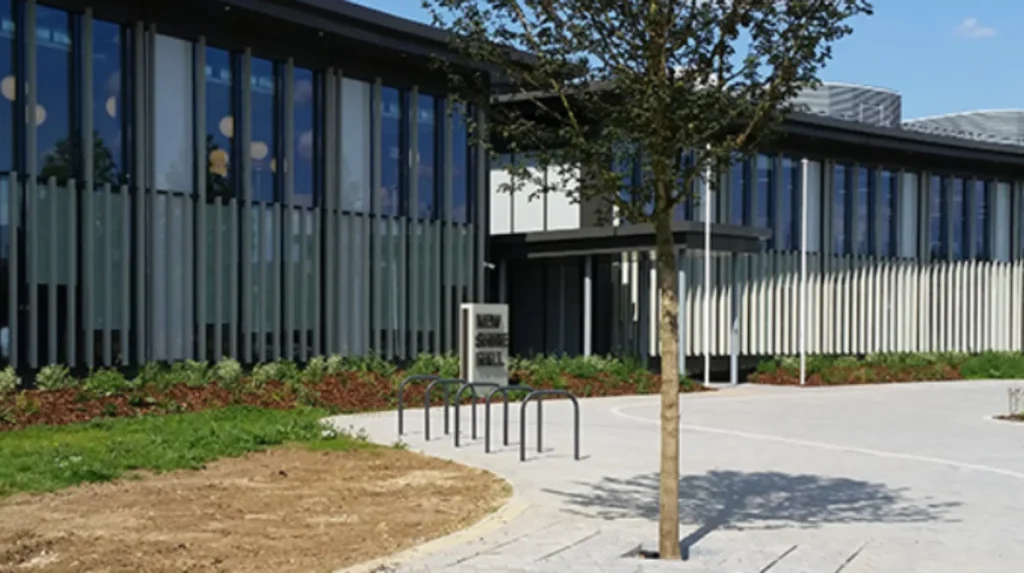
The influx of remote workers stems directly from the municipal “Connected Communities” initiative launched in 2021, which installed fiber-optic infrastructure throughout the neighborhood’s public parks and commercial plazas. Digital nomads utilize three distinct types of workspaces: shared open-plan desks, private soundproof calling booths, and communal outdoor seating areas equipped with weather-resistant power outlets.
Infrastructure and Amenities
The cost of a daily pass at local co-working hubs like The Hive Barnwell or The Foundry Workspace averages $22, compared to the downtown average of $45. Local cafes operate under a neighborhood-wide policy that permits laptop usage without time limits, provided patrons adhere to basic courtesy guidelines.
Community Integration
The neighborhood hosts bi-weekly professional networking events, technological seminars, and freelance panels at the Barnwell Public Library. These programs facilitate direct collaboration between visiting digital professionals and established local business owners, creating a transient yet highly productive intellectual ecosystem.
What are the Primary Outdoor Activities and Green Spaces in Barnwell?
The primary outdoor activities in Barnwell include low-impact hiking along the 8-mile River Basin Trail, non-motorized water sports on the West Basin Reservoir, and educational botanical tours inside the historic Memorial Park Conservatory.
The green infrastructure of Barnwell spans 320 total acres of protected parkland managed by the municipal department of parks and recreation. The River Basin Trail features a paved asphalt surface designed for three specific activities: road cycling, long-distance running, and inline skating.
The West Basin Reservoir
The reservoir covers 65 surface acres and maintains a strict prohibition on internal combustion engines to preserve local water quality and eliminate noise pollution. Visitors rent non-motorized watercraft, including single-occupancy kayaks, stand-up paddleboards, and rowboats, from the municipal marina between April and October.
Memorial Park Conservatory
Constructed in 1935, this glass-enclosed structure houses 1,200 distinct species of temperate and tropical flora. The facility serves as a research station for the state university biology department, providing free public access to historical greenhouses, curated orchid exhibitions, and native fern collections.
Where are the Best Local Food and Beverage Venues Located?
The premier food and beverage venues are concentrated within the Industrial Mill District along Market Street, where repurposed manufacturing facilities house artisanal coffee roasters, farm-to-table restaurants, and independent craft distilleries.
The culinary framework of Barnwell relies entirely on a localized supply chain, with 85% of neighborhood restaurants sourcing raw ingredients from agricultural operations located within a 50-mile radius. The absence of corporate supply lines ensures that menus reflect seasonal ingredient availability and regional culinary traditions.
Artisanal Craft Beverage Production
The district contains five independent beverage producers: The Ironworks Distillery, Barnwell Brewing Company, Grain Silo Coffee Roasters, Oak & Vine Urban Winery, and Cold Press Botanicals. These facilities conduct daily production tours and educational tastings for the public, detailing the specific chemical fermentation and roasting processes utilized on-site.
Culinary Differentiation
Restaurant pricing in Barnwell remains highly competitive due to lower commercial real estate overheads. A standard three-course meal for two individuals costs an average of $68, representing a substantial discount when compared to identical dining profiles in adjacent metropolitan sectors.
How do Business Travellers Utilise Barnwell During Downtime?
Business travellers utilize Barnwell to access quiet corporate dining venues, secure distraction-free environments for client entertainment, and participate in brief, high-value cultural excursions located ten minutes from the municipal convention center.
Transportation data demonstrates that the regional light rail system connects the primary convention center to the entrance of the Barnwell historic district in exactly nine minutes. This rapid transit link allows corporate attendees to exit high-density professional environments during lunch hours or evening intervals to utilize the calmer surroundings of the neighborhood.
Corporate Entertaining and Dining
The neighborhood features seven upscale, reservation-only dining rooms that specialize in regional American cuisine. These venues maintain structural acoustic dampening to ensure conversations remain confidential, making them highly suitable for contractual negotiations and executive meetings.
Time-Efficient Recreation
The compact geographic footprint of Barnwell permits business travelers to execute complete cultural visits within a two-hour window. Popular short-duration itineraries include viewing the permanent collections at the Barnwell Museum of Industrial Art or attending early evening acoustic performances at the Warehouse Theater.
What is the Future Economic and Sustainable Development Outlook for Barnwell?
The future outlook for Barnwell involves a ten-year municipal conservation plan that mandates net-zero carbon emissions for all new commercial structures while permanently capping building heights at four stories.
The Municipal Council ratified the Barnwell Sustainable Horizon Act in January of 2024 to protect the architectural integrity and environmental balance of the district from speculative real estate development. The law establishes precise criteria for all future civil engineering projects, infrastructure expansions, and commercial property renovations.
Sustainable Infrastructure Mandates
All new developments must integrate three specific green technologies: rooftop photovoltaic solar arrays, rainwater harvesting filtration systems, and permeable pavement materials. These requirements ensure that the neighborhood can absorb increased tourist traffic without overstretching the existing municipal sewer and electrical grids.
Preservation of Local Identity
By enforcing strict height limitations and zoning restrictions, the district prevents the construction of high-rise condominiums and large-scale commercial shopping malls. This protective legal framework guarantees that Barnwell retains its low-density, historical character, ensuring it remains an attractive, uncrowded alternative destination for future generations of travelers.
Recent Cambridge Local Updates
- Review the latest civic planning objections as Hardwick residents oppose fresh 138-home housing plans.
FAQs About Barnwell
Is Barnwell safe for solo travellers and digital nomads?
Barnwell maintains a reputation as one of the safest districts in the metropolitan area due to active community policing and well-lit pedestrian corridors. Digital nomads and solo travellers frequently walk the grid system at night without safety concerns. Local businesses and co-working spaces also provide secure environments for remote workers carrying expensive electronic equipment.
How do I get to Barnwell from the main downtown area?
The most efficient route to Barnwell is via the regional light rail system, which connects the central business district to the neighborhood in exactly nine minutes. Visitors can also utilize dedicated bicycle highways that run parallel to the main transit lines for a completely vehicle-free commute. Automotive travel is possible via the Interstate 80 corridor, though parking within the historic core is strictly limited.
Are the co-working spaces in Barnwell free to use?
While public spaces like the Barnwell Public Library and municipal parks offer free high-speed Wi-Fi, dedicated co-working hubs require a daily or monthly pass. A standard daily pass averages $22 and grants access to premium amenities including soundproof calling booths, private desks, and printing stations. These fees remain substantially lower than equivalent workspaces located in the downtown commercial district.
What is the best time of year to visit Barnwell?
The optimal time to visit the district is between April and October when the West Basin Marina is fully operational for non-motorized water sports. This period aligns with peak seasonal flora displays at the historic Memorial Park Conservatory and allows for comfortable hiking along the River Basin Trail. Autumn also attracts visitors due to the dense fall foliage produced by the neighborhood’s extensive maple and oak canopies.
Can you find chain hotels or fast-food franchises in Barnwell?
No, national fast-food franchises and corporate retail chains are prohibited from leasing commercial space due to strict local merchant covenants. The district prioritizes economic sustainability by exclusively hosting independently owned boutique hotels, artisanal coffee roasters, and local farm-to-table restaurants. This protective zoning policy ensures that all commercial revenue directly supports the local neighborhood ecosystem.