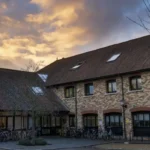

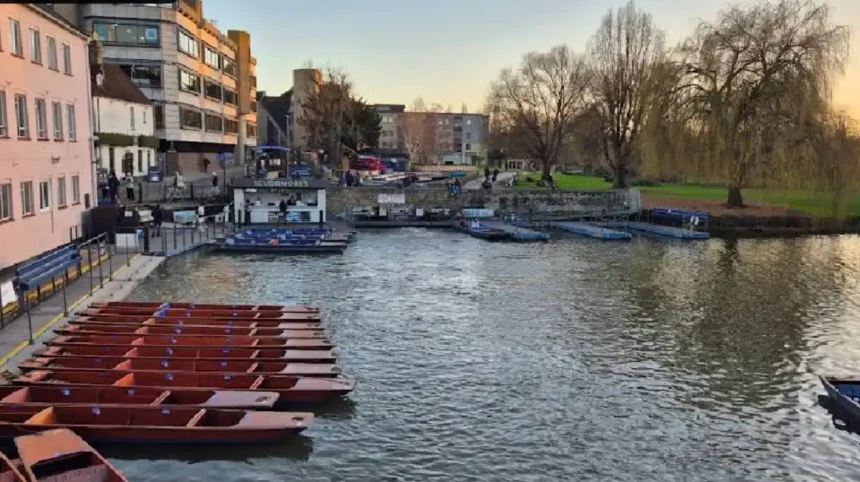
The historic areas of Arbury and Chesterton sit directly north of the River Cam in Cambridge, England. While the central university district attracts millions of international tourists annually, these northern districts offer a distinct, less crowded perspective of the city.
- What is the Historical Significance of Arbury and Chesterton?
- Roman Foundations and Early Settlement
- Medieval Governance and the Royal Vill
- Industrial Evolution and Urban Integration
- Where Can You Explore Industrial Heritage in Chesterton?
- Which Green Spaces Provide Quiet Refuges in Arbury and Chesterton?
- The Wetland Ecosystem of Logan’s Meadow
- The Wildflower Diversity of Bramblefields
- The Historic Footprint of Alexandra Gardens
- What Unique Architecture Can Be Found in Old Chesterton?
- The Structural Evolution of St Andrew’s Church
- The Defensive Layout of Chesterton Tower
- The Riverside Vernacular of Water Street
- How Do Local Community and Arts Projects Define Arbury?
- Where Are the Best Locations for Remote Work and Leisure?
- The Modern Workspaces of Meadows Community Centre
- Recreational Leisure at Chesterton Indoor Bowls Club
- The Independent Cafes of Mitcham’s Corner
- How Can Visitors Access and Navigate These Districts?
- Railway Connectivity via Cambridge North
- The Cambridgeshire Guided Busway Network
- Cycling Infrastructure and Local Routes
- FAQs About Arbury and Chesterton
- What are the main differences between Arbury and central Cambridge?
- Is Chesterton safe for tourists and remote workers to visit?
- Where can digital nomads find free Wi-Fi and workspaces in North Cambridge?
- What is the fastest way to travel from central Cambridge to Chesterton?
- Are there any historic medieval sites to see in the Chesterton area?
Arbury and Chesterton contain an expansive array of Roman archeological sites, industrial heritage monuments, community arts projects, and preserved natural fenlands. Exploring these neighbourhoods provides leisure travellers, domestic business visitors, and remote workers with unique recreational spaces, historic architecture, and local hubs situated away from congested city centre streets.
What is the Historical Significance of Arbury and Chesterton?
Arbury and Chesterton contain extensive archaeological records dating from the Roman era through to the Industrial Revolution, serving as crucial agricultural and transport hubs that supported the early economic development of the Cambridge region north of the River Cam.
Roman Foundations and Early Settlement
Archaeological excavations managed by the Cambridge Archaeological Unit confirm that the land comprising modern Arbury was a focus of rural activity during the Romano-British period. Investigations uncovered a substantial second-century Roman villa, complete with agricultural enclosures, a stone mausoleum, and lead coffins near Arbury Road. This infrastructure indicates that the area functioned as a highly organised farming settlement feeding the nearby Roman town of Duroliponte, situated at modern Castle Hill.
Medieval Governance and the Royal Vill
Chesterton developed as an independent settlement with distinct administrative structures. The name originates from the Old English Caster-tun, meaning the farmstead near the Roman fort. In the eleventh century, the Domesday Book of 1086 recorded Chesterton as a royal vill held directly by King William I.
This status granted the area judicial and economic privileges. In 1238, King Henry III granted the manor of Chesterton to the Abbey of Vercelli in northern Italy, an arrangement that lasted until the dissolution of alien priories in the fifteenth century. As you explore the modern site, you are crossing land with a deep heritage. Read about the full [historical development of Cambridge suburbs] to understand its origins.
Industrial Evolution and Urban Integration
Until the mid-nineteenth century, both districts remained largely agricultural, governed by the open three-field farming system consisting of West Field, Middle Field, and East Field. The passing of the Chesterton Enclosure Act 1838 catalysed rapid structural transformation. Landowners parcelled out the open fields for residential and industrial growth.
The introduction of French’s Windmill in 1847 and the establishment of the Cambridge Gas Company infrastructure along the river altered the economic landscape. The local building industry grew rapidly due to abundant clay deposits, leading to the creation of extensive brickworks along Milton Road. The inhabited portions of Chesterton officially amalgamated into the borough of Cambridge in 1912, while Arbury underwent systematic post-war housing development during the 1950s to accommodate the growing municipal workforce.
British History Online
Where Can You Explore Industrial Heritage in Chesterton?
You can explore preserved industrial heritage at French’s Windmill on French’s Road and the Cambridge Museum of Technology situated on the southern border of Chesterton, both showcasing nineteenth-century engineering, mechanical manufacturing, and municipal utility infrastructure.
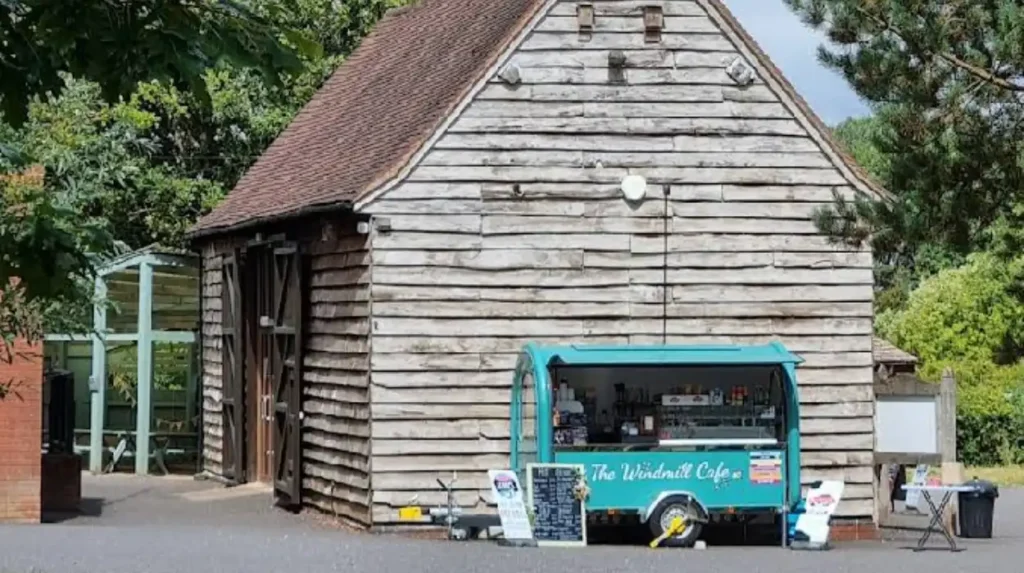
The Structural Architecture of Chesterton Mill
Chesterton Mill, located off Histon Road, stands as a prime example of nineteenth-century industrial food processing. Built in 1847 by the French family, this Grade II listed structure is a four-storey brick tower mill that originally featured four patent sails and a Norfolk-style cap. The mill operated purely on wind power to grind local grain until a steam engine was installed in 1878 to ensure continuous production.
The site evolved into a commercial printing works in the twentieth century, preserving the external brickwork and internal structural timbers. Today, the complex functions as a managed business hub for digital nomads and local companies, maintaining its historical profile while providing modern commercial workspaces.
The Cambridge Museum of Technology Infrastructure
Situated on the Old Pumping Station site on the Chesterton boundary, the Cambridge Museum of Technology preserves the structural remains of Victorian municipal engineering. Built in 1894 to combat local sanitation crises, the station utilised two Hathorn Davey steam pumping engines to transfer sewage to the Milton recycling farm.
Visitors can observe the intact 1894 boilers, a massive 170-foot brick chimney stack, and an assortment of locally manufactured precision instruments from the Cambridge Scientific Instrument Company. The museum runs active steam days throughout the year, offering an educational look at how mechanical innovation solved sanitation challenges during the Industrial Revolution.
Which Green Spaces Provide Quiet Refuges in Arbury and Chesterton?
Logan’s Meadow Nature Reserve, Bramblefields Local Nature Reserve, and Alexandra Gardens provide quiet natural refuges, offering visitors preserved willow wetlands, designated wildflower meadows, and traditional Victorian recreational parklands away from urban traffic.
The Wetland Ecosystem of Logan’s Meadow
Logan’s Meadow sits on the northern bank of the River Cam in Chesterton and functions as an officially designated Local Nature Reserve. The site covers approximately 2.1 hectares of riverside wetland habitat, managed specifically to encourage avian and small mammal biodiversity.
The reserve features a dense canopy of mature crack willow trees (Salix fragilis), boardwalk trails, and open reed beds. These environmental features provide critical nesting sites for native bird species, including:
- Common kingfishers (Alcedo atthis)
- Grey herons (Ardea cinerea)
- Reed warblers (Acrocephalus scirpaceus)
The Environment Agency and local conservation volunteers expanded the reserve in 2021 by creating new cattle-grazing marshes and wildlife ponds to improve seasonal water retention.
The Wildflower Diversity of Bramblefields
Bramblefields Local Nature Reserve is hidden within the residential grid of Arbury, occupying a 2.0-hectare plot that formerly served as an allotment site. The reserve contains a mix of dense scrub, young woodland, and chalk grassland.
The local management plan prioritises the growth of native wildflowers, such as oxeye daisy (Leucanthemum vulgare) and common knapweed (Centaurea nigra). This flora supports a wide variety of insect life, including protected butterfly species like the common blue (Polyommatus Icarus) and holly blue (Celastrina argiolus). It features flat, well-packed gravel paths, making it an accessible spot for short walking trips or outdoor reading sessions.
The Historic Footprint of Alexandra Gardens
Alexandra Gardens is a traditional urban park established in New Chesterton during the late nineteenth century. The layout preserves Victorian landscape design principles, featuring a central bowling green, mature lime trees, and bordered perennial pathways.
The park provides a quiet outdoor space for remote workers and families, away from the busy Milton Road transport corridor. The park features open lawns, public seating, and a modern children’s play area, making it a peaceful spot for outdoor leisure throughout the year.
What Unique Architecture Can Be Found in Old Chesterton?
Old Chesterton contains unique architectural landmarks, including the twelfth-century St Andrew’s Church, the mid-fourteenth-century Chesterton Tower, and a series of timber-framed seventeenth-century riverside cottages along Water Street.
The Structural Evolution of St Andrew’s Church
St Andrew’s Church, located on Church Street, features an architectural history spanning more than 800 years. The earliest remaining elements of the fabric date back to the thirteenth century, while the prominent Western tower and spire were constructed around 1330.
The interior of the nave displays fine fifteenth-century clerestory windows that maximize natural light. The building’s most famous interior feature is a rare, partially preserved “Doom” wall painting located above the chancel arch. This artwork dates to the late fifteenth century and depicts the Last Judgment, serving as an important cultural artifact from pre-Reformation England.
The Defensive Layout of Chesterton Tower
Chesterton Tower is a Grade I listed fourteenth-century building standing in the grounds of the modern vicarage. Constructed around 1345, this stone structure served as the residential base for the procurator of the Abbey of Vercelli, who collected church tithes from the local population.
Dear Reader Blog
The building features a vaulted ground floor chamber with thick ragstone walls, an external spiral stair turret, and narrow stone-mullioned windows designed for security. The architectural style mimics a minor defensive manor house, making it one of the few surviving examples of medieval ecclesiastical residence in Cambridgeshire.
The Riverside Vernacular of Water Street
Water Street runs parallel to the River Cam and preserves the domestic architecture of Chesterton’s historic fishing and river-trading community. Walking along the street reveals several timber-framed cottages dating from the late sixteenth and early seventeenth centuries.
These properties feature traditional jetting, where the upper floor projects beyond the lower floor, and deep brick chimney stacks built to handle open hearths. Many of these properties were re-faced with local grey brick during the Georgian period, creating an interesting mix of Tudor framing and nineteenth-century design along the waterfront.
How Do Local Community and Arts Projects Define Arbury?
Local community and arts projects define Arbury through public celebrations like the annual Arbury Carnival and multi-functional spaces like the Arbury Community Centre, which host cultural exhibitions, educational workshops, and local performance arts.
The Cultural Legacy of the Arbury Carnival
The Arbury Carnival is a major community arts event held annually on the second Saturday of June since its inception in 1977. The carnival began as a small neighborhood celebration to mark the Queen’s Silver Jubilee and has since grown into a large-scale festival attracting over 5,000 visitors each year.
The event features a street procession with costumes designed by local schools, live musical performances across multiple outdoor stages, and market stalls representing Cambridge’s diverse community groups. The carnival is entirely run by volunteers and serves as a key platform for showcasing local musical talent, craft industries, and community arts initiatives.
The Hub of Arbury Community Centre
Opened in 1974 on Campkin Road, the Arbury Community Centre serves as the primary base for social, educational, and creative activities in the district. The centre features a large main hall, meeting rooms, and a dedicated community cafe that functions as an accessible space for digital nomads and local groups.
Arbury, Cambridge+ 1
The centre hosts a regular rotation of arts activities, including:
- Weekly pottery and ceramics workshops
- Local amateur theatre productions
- Historical photography exhibitions managed by the Arbury History Group
- Public health and wellness programs Cambridge City Council
By providing accessible creative spaces, the centre helps preserve Arbury’s mid-century heritage while supporting new cultural initiatives.
Where Are the Best Locations for Remote Work and Leisure?
The best locations for remote work and leisure include the Meadows Community Centre on St Catharine’s Road, Chesterton Indoor Bowls Club, and independent cafes near Mitcham’s Corner that provide free public Wi-Fi and quiet workspaces.
The Modern Workspaces of Meadows Community Centre
Reconstructed and reopened in 2023, the Meadows Community Centre on St Catharine’s Road is a state-of-the-art municipal facility designed with modern environmental standards. The complex features a dedicated community hub with open-plan seating, reliable public Wi-Fi, and numerous power outlets, making it an excellent free workspace for digital nomads and business travellers.
The building uses solar panels and air-source heat pumps to reduce its carbon footprint. It also features an on-site cafe serving locally sourced food, meeting rooms available for rent, and the new North Cambridge Library, providing a quiet space for research and focused work.
Recreational Leisure at Chesterton Indoor Bowls Club
For business travellers and leisure visitors looking for afternoon recreation, the Chesterton Indoor Bowls Club on Logans Way offers excellent sports facilities. Established in 1982, this expansive venue features a premier eight-rink indoor bowling green that operates year-round.
The club welcomes players of all skill levels, providing equipment rentals and introductory sessions led by resident coaches. The building also houses a licensed bar and lounge area, offering a relaxed environment for casual networking or unwinding after a day of business meetings.
The Independent Cafes of Mitcham’s Corner
Mitcham’s Corner sits at the southern tip of Chesterton and serves as an important commercial gateway. The area features a variety of independent cafes and bistros catering to remote workers and students.
These businesses offer excellent workspace options, featuring large communal tables, quiet background music, and a steady supply of specialty artisan coffee. Their close proximity to Cambridge North railway station and the central cycle paths makes these cafes highly convenient spots for early morning remote work or casual afternoon business meetings.
How Can Visitors Access and Navigate These Districts?
Visitors can access and navigate Arbury and Chesterton via Cambridge North Railway Station, the Cambridgeshire Guided Busway network, and the extensive multi-use cycle path infrastructure that connects the northern suburbs directly to the city centre.
Railway Connectivity via Cambridge North
Steve A L Harris
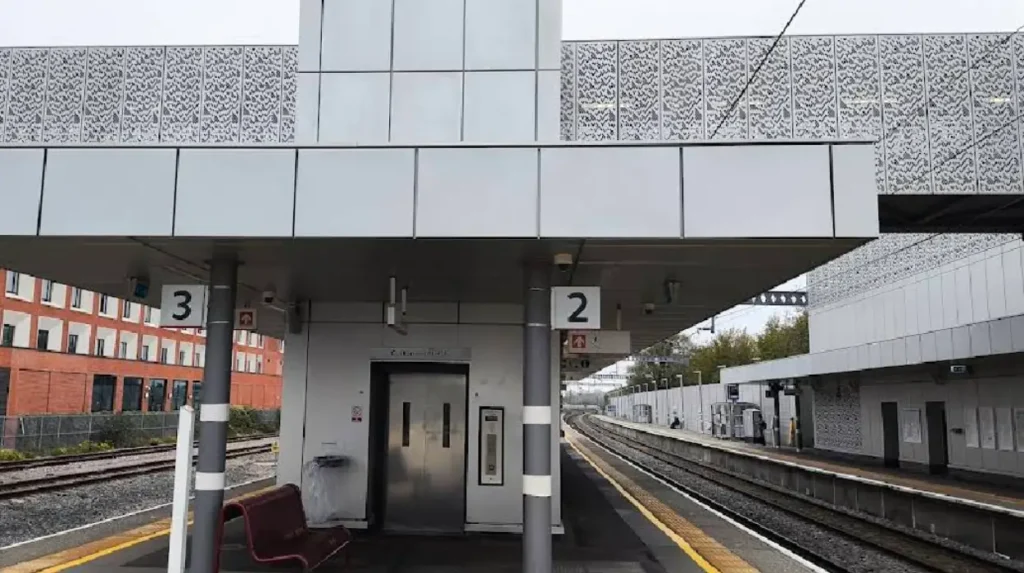
Cambridge North Railway Station opened in May 2017 and greatly improved travel links to the Chesterton and Arbury areas. Located on the eastern edge of Chesterton, the station features three platforms served by Greater Anglia and Great Northern rail operators.
It provides direct hourly connections to London King’s Cross, London Liverpool Street, and Ely. The station design includes a large 450-space cycle park and a dedicated taxi rank, making it a highly efficient entry point for domestic business travellers and tourists looking to avoid central Cambridge traffic congestion.
The Cambridgeshire Guided Busway Network
The Cambridgeshire Guided Busway intersects the northern boundary of Arbury and Chesterton, offering fast, reliable public transport. Buses use dedicated concrete tracks to bypass standard road traffic, connecting Huntingdon and St Ives directly to the Cambridge Science Park and Cambridge North station.
The Busway features a wide, paved multi-use path running alongside the tracks, providing a safe, flat route for long-distance walking, running, and cycling.
Cycling Infrastructure and Local Routes
Cambridge is widely known as the cycling capital of the United Kingdom, and the northern suburbs feature some of the city’s best cycling infrastructure. The Chisholm Trail is a premier multi-use cycle highway that connects Cambridge North station to the central railway station.
The route includes the structural addition of the Abbey-Chesterton Bridge across the River Cam, allowing cyclists and pedestrians to cross safely without encountering vehicular traffic. Key arterial routes like Gilbert Road and Akeman Street feature segregated, brightly painted cycle lanes, allowing visitors to easily navigate between Arbury’s community hubs and Chesterton’s historic riverside attractions.
FAQs About Arbury and Chesterton
What are the main differences between Arbury and central Cambridge?
Arbury is a quieter, post-war residential suburb located north of the River Cam, contrasting sharply with the crowded, university-dominated city centre. It offers spacious green reserves, local community art hubs, and affordable independent cafes. This makes it an ideal, crowd-free alternative for tourists, digital nomads, and business travellers seeking a local perspective.
Is Chesterton safe for tourists and remote workers to visit?
Yes, Chesterton is considered a highly safe, welcoming, and accessible neighbourhood for both domestic and international visitors. The area features well-lit cycling paths like the Chisholm Trail and busy community spaces, making it secure for daytime exploration and evening walks along the River Cam.
Where can digital nomads find free Wi-Fi and workspaces in North Cambridge?
Digital nomads can find excellent remote workspaces at the newly rebuilt Meadows Community Centre on St Catharine’s Road and the North Cambridge Library. Additionally, the repurposed Chesterton Mill complex and the independent cafes surrounding Mitcham’s Corner offer reliable public Wi-Fi, abundant power outlets, and quiet seating.
What is the fastest way to travel from central Cambridge to Chesterton?
The fastest and most efficient way to reach Chesterton is by cycling along the dedicated, traffic-free Chisholm Trail or using the Cambridgeshire Guided Busway. Alternatively, visitors can take a direct three-minute train journey from the main Cambridge station to the newly established Cambridge North Railway Station.
Are there any historic medieval sites to see in the Chesterton area?
Old Chesterton houses several remarkably preserved medieval sites, including the mid-fourteenth-century Chesterton Tower, which originally stored papal tithes. Visitors can also explore St Andrew’s Church, a thirteenth-century building featuring a rare, intact pre-Reformation “Doom” wall painting depicting the Last Judgment.