

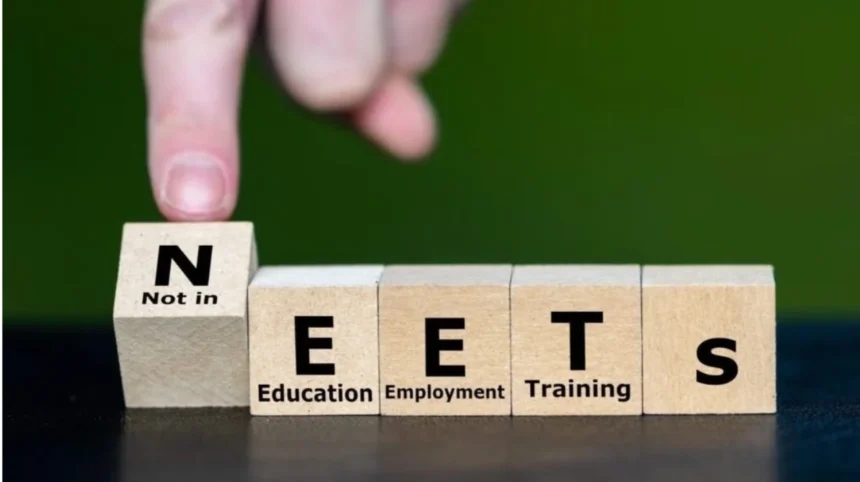
Evidence from national research and Cambridgeshire and Peterborough highlights the need for a more inclusive approach to supporting young people into education, employment and training.
As I’m sure we all know by now, there is a growing concern about the number of young people who are not in education, employment or training (NEET) across the UK. According to the Office for National Statistics, figures are now approaching one million.
Simply put, it’s a harrowing indictment of policymaking.
This represents not just a failure of the system, but a failure to ensure that all young people have access to the opportunities and support they need to build their futures.
It raises serious questions about whether enough is being done to address the structural barriers that leave so many young people excluded and left behind.
In Cambridgeshire and Peterborough, the scale of the challenge is particularly concerning.
In March 2026, the Combined Authority announced plans to develop a new Youth Employment Strategy for 14-25-year-olds, following estimates that more than 15,000 young people aged 16-24 across the region were not in education, employment or training.
Andrea Wood MBE, Assistant Director for Skills and Employment at the Combined Authority said:
“By listening directly to the lived experiences of our 14 to 25-year-olds, we are building a plan that tackles the root causes of economic inactivity. From early intervention in schools to supporting care leavers and those with special educational needs, this is about whole-system collaboration.”
In essence, the strategy recognises that youth unemployment cannot be tackled ‘one-at-a-time.’
Instead, it requires a coordinated, whole-system approach that addresses the different barriers young people face, because let’s face it: everyone’s upbringing and circumstances are different, but that should never determine their opportunities or become a barrier towards success.
Every young person deserves a fair chance to realise their potential, regardless of where they start out in life.
At twenty-six, this issue is affecting me, too. Having graduated from university later than most, I’m experiencing first-hand just how difficult it is to navigate this next stage of life and find your footing in the world.
There is an expectation that a degree will open doors and provide a clear pathway towards a successful career, but the reality couldn’t be further from the truth.
Yes, it will open doors, but the transitional period between university and into (prospective) employment is far more challenging than one might assume, particularly when viewed only through the lens of LinkedIn.
You can scroll through an endless feed of career announcements, graduate success stories and professional milestones, only to be left with a hollow feeling that says: ‘Why can’t I have this?’ or ‘What is wrong with me?’
It can feel as though everyone is moving forward while you remain stuck. The reality, however, is far more complicated than the picture social media presents.
Coming off it from time-to-time can help put things into perspective.
And this is where Inspire 2 Ignite comes into play. Rather than defining young people by their current circumstances, the Cambridgeshire-based organisation focuses on their potential and what they can achieve when given the right opportunities for success. Working with young people aged 12-24, Inspire 2 Ignite aims to bridge the gap between education and employment through transformative experiences that build the confidence young people need to take their next steps.
Ultimately, tackling youth unemployment requires more than just half-baked fantasy strategies, and policy announcements.
It requires a genuine commitment to ensuring that every young person has access to the opportunities and support they need to succeed.
Let’s get something clear: success means something different for everyone. For some, it might mean securing a graduate job, pursuing further education or building a career. For others, it might mean gaining confidence elsewhere, developing new skills or going off the beaten track and finding peace in a completely different direction.
Our circumstances may differ, and our journeys will hit roadblocks from time-to-time, but that should never dictate the limits of what we can achieve.