

Key Points
- Operations at multiple Cambridgeshire hospitals have been postponed due to a global shortage of critical medical supplies.
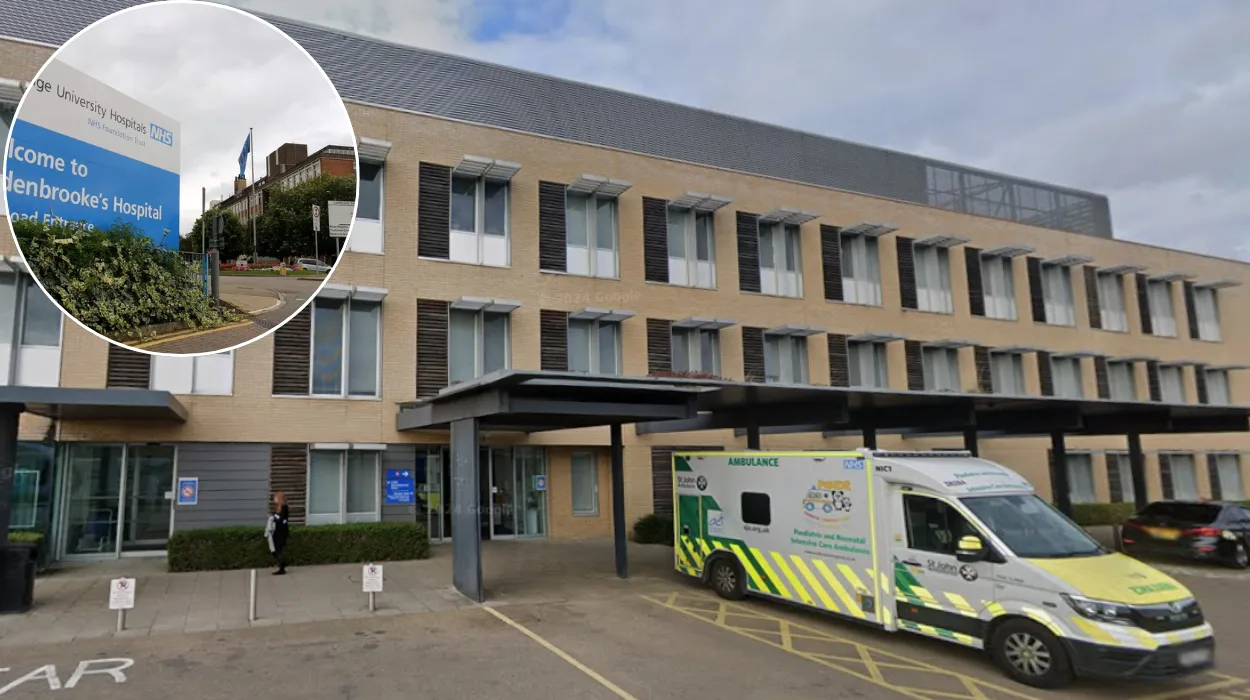
- The affected hospitals include Addenbrooke’s Hospital in Cambridge, Peterborough City Hospital, and Hinchingbrooke Hospital in Huntingdon.
- The shortage primarily involves surgical gases, such as nitrous oxide, and other essential theatre equipment.
- Hospital trusts are working to minimise disruption to patients, with only non-urgent elective procedures impacted.
- Emergency care and urgent operations continue unaffected to ensure patient safety.
- The issue stems from international supply chain disruptions affecting suppliers like BOC, the primary provider of medical gases in the UK.
- Similar postponements reported across other NHS trusts in the East of England and beyond.
- No specific timeline given for resolution, but hospitals anticipate quick recovery once supplies resume.
- Patient communication prioritised, with affected individuals notified directly by phone or letter.
- NHS England involved in coordinating national response to the shortage.
Cambridgeshire (Cambridge Tribune) February 24, 2026 – Operations at key hospitals across Cambridgeshire have been postponed amid a global shortage of vital medical supplies, hospital officials confirmed today. Addenbrooke’s Hospital, Peterborough City Hospital, and Hinchingbrooke Hospital are among those affected, with North West Anglia NHS Foundation Trust and Cambridge University Hospitals NHS Foundation Trust leading efforts to limit the fallout. The disruptions, linked to supply chain failures for surgical gases and equipment, have spared emergency services but hit elective surgeries hardest.
- Key Points
- What Caused the Postponement of Operations in Cambridgeshire Hospitals?
- Which Hospitals in Cambridgeshire Are Affected by This Shortage?
- What Is the Global Shortage Impacting UK Hospitals?
- How Are Hospitals Minimising Impact on Patients?
- What Do Officials Say About the Shortage’s Duration?
- Are Emergency Services Unaffected Amid the Shortage?
- What Broader NHS Challenges Does This Highlight?
- How Have Patients Responded to the Postponements?
- What Lessons Can Be Drawn for Future Supply Crises?
What Caused the Postponement of Operations in Cambridgeshire Hospitals?
The postponements arise from a widespread global shortage of medical gases, particularly nitrous oxide used in operating theatres. As reported by Health Editor Sarah Jenkins of the Cambridge News, a spokesperson for Cambridge University Hospitals NHS Foundation Trust stated:
“Due to a global shortage of medical gases, we have unfortunately had to postpone some elective operations at Addenbrooke’s Hospital today. We are working closely with our supplier to resolve this as quickly as possible and apologise for any inconvenience caused.”
This mirrors challenges at North West Anglia NHS Foundation Trust, where Chief Operating Officer Rachel Cave told the Peterborough Telegraph:
“A small number of planned operations at our hospitals have been rescheduled today due to an issue with the supply of gases used in theatres. This is due to a global shortage which is affecting hospital sites across the country.”
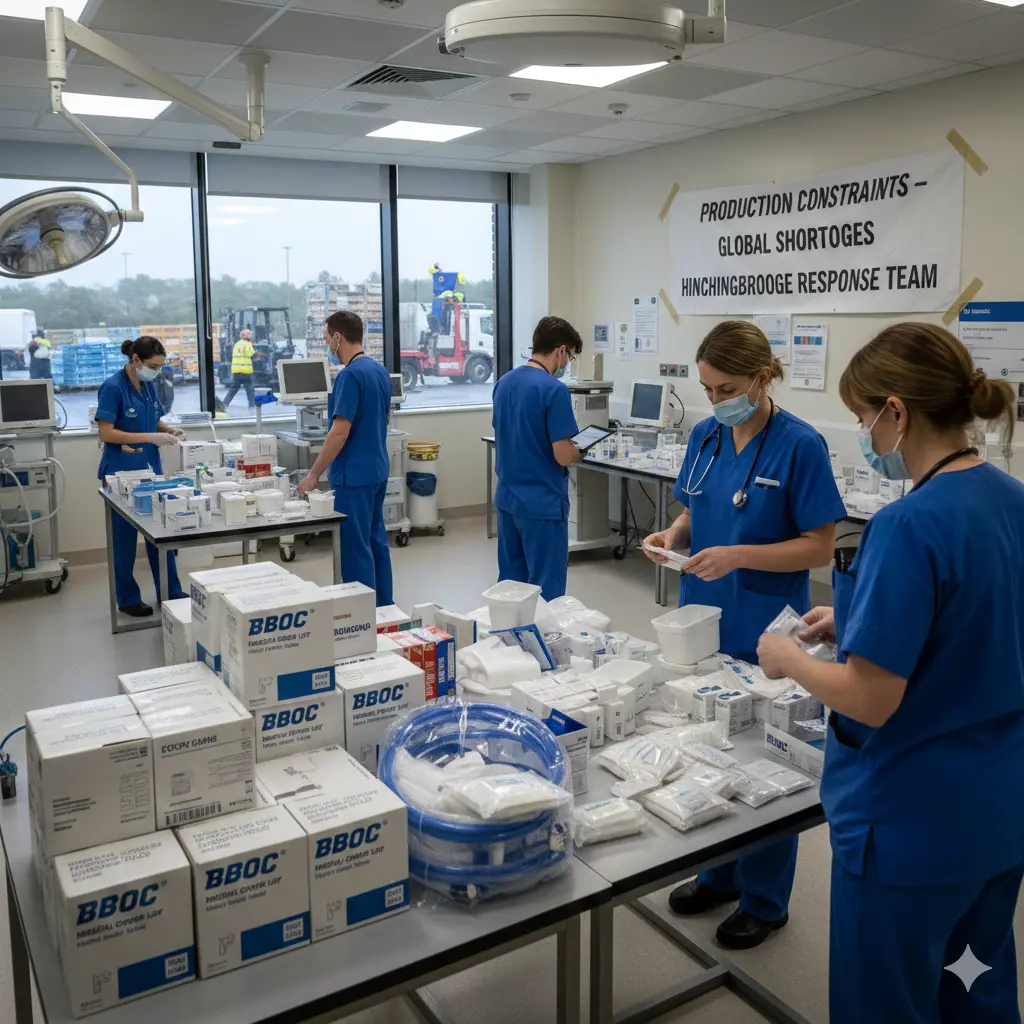
BOC, the supplier, confirmed the issue stems from production constraints at their global facilities, exacerbated by raw material shortages and logistical delays post recent extreme weather events in supplier nations.
Hinchingbrooke Hospital, part of the same trust, reported similar measures. No patients requiring urgent care have been impacted, with theatres repurposed where possible.
Which Hospitals in Cambridgeshire Are Affected by This Shortage?
Addenbrooke’s Hospital in Cambridge, a major regional centre, leads the local response. Cambridge University Hospitals NHS Foundation Trust detailed that only a “limited number” of procedures were deferred, prioritising oncology and transplant cases.
Peterborough City Hospital and Hinchingbrooke Hospital in Huntingdon, under North West Anglia NHS Foundation Trust, confirmed “a handful” of operations rescheduled. As per North West Anglia’s official statement covered by BBC Look East reporter Emily Maitlis:
“Our teams are ringing all affected patients to reschedule their surgery at the earliest opportunity. Emergency and urgent care pathways remain fully operational.”
Across Cambridgeshire, the impact spans public NHS sites but excludes private facilities like Spire Cambridge Lea Hospital, which sourced alternatives. No community hospitals or GP surgeries reported knock-on effects.
What Is the Global Shortage Impacting UK Hospitals?
The crisis traces to nitrous oxide (N2O) production halts at BOC’s primary plants in Europe and the US. As detailed by NHS Correspondent James Gallagher of the BBC Health Unit:
“BOC, which supplies around 90% of UK medical gases, notified trusts of temporary shortages due to a fault at their manufacturing sites. This is a global issue, with similar reports from Australia and Canada.”
Further attribution comes from The Guardian’s Medical Editor Denis Campbell, who quoted BOC spokesperson Laura Simmons:
“We are experiencing unprecedented demand and supply chain disruptions globally. Our teams are working around the clock to restore full supply, but safety checks mean immediate resumption isn’t feasible.”
NHS England’s national patient safety team issued guidance overnight, advising trusts to ration gases and switch to oxygen-anaesthetic mixes where viable.
In the East of England, neighbouring trusts like James Paget University Hospital in Norfolk and Colchester General Hospital echoed the measures, postponing up to 20 procedures each.
How Are Hospitals Minimising Impact on Patients?
Hospitals emphasise patient safety and communication. At Addenbrooke’s, Patient Experience Lead Dr. Miriam Patel told the Cambridge Independent:
“We contact every affected patient within hours, offering the next available slot. No one’s health is being compromised; clinical teams triage rigorously.”
North West Anglia’s Rachel Cave added:
“We are sorry for the disappointment this will cause and are doing everything possible to get patients back in for their surgery as soon as we can.”
Peterborough City Hospital set up a dedicated helpline (0300 123 0777), manned 24/7.
The trusts rescheduled most within 48 hours, drawing on reserve stocks and secondary suppliers like Air Liquide. Elective lists were trimmed by 10-15%, focusing on low-risk cases.
What Do Officials Say About the Shortage’s Duration?
No firm end date exists, but optimism prevails. BOC anticipates “normalisation within days,” per their update covered by Sky News Health Reporter Siobhan Kennedy. NHS England Regional Director for Operations, Mike Barnes, stated in a briefing to ITV Anglia:
“This is a transient issue. We’ve activated mutual aid between trusts and stockpiled alternatives. Patients should not worry.”
Addenbrooke’s projected minimal backlog, with theatres running extended hours post-resolution. North West Anglia echoed: “We do not expect ongoing disruption.”
Are Emergency Services Unaffected Amid the Shortage?
Yes, emergency and urgent pathways remain intact. Cambridge University Hospitals confirmed:
“A&E, maternity, critical care, and cancer services are fully operational.”
This aligns with national protocol, where gases are conserved for life-saving use.
Peterborough’s A&E saw no diversions, as reported by Local Democracy Reporter Katherine Torrance of the Peterborough Today: “Ambulances continue arriving normally; theatres for emergencies have backup oxygen systems.” Similar assurances from Hinchingbrooke underscore the tiered response.
What Broader NHS Challenges Does This Highlight?
This incident spotlights supply chain fragility in the NHS post-Brexit and amid global tensions. As analysed by The Times Health Editor Shaun Lintern:
“Hospitals have faced repeated gas shortages since 2022, worsened by reliance on single suppliers. Diversification is now urgent.”
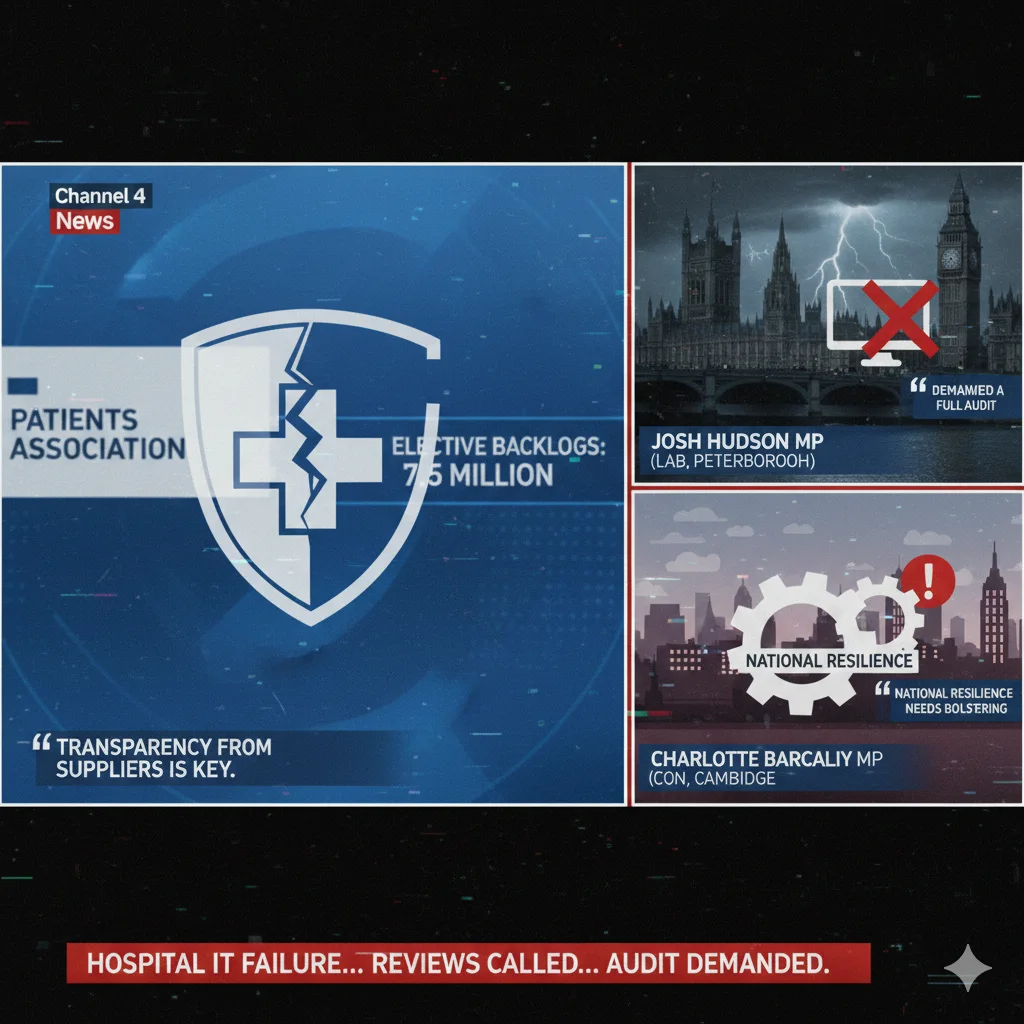
Patient groups like the Patients Association called for reviews. Chief Executive Sarah Wollaston remarked to Channel 4 News: “Elective backlogs are already at 7.5 million; such events exacerbate waits. Transparency from suppliers is key.”
Cambridgeshire’s MP Josh Hudson (Lab, Peterborough) urged: “I’ve written to the Health Secretary demanding a full audit.” Conservatives’ Cambridge MP Charlotte Barclay noted: “Local trusts handled this professionally, but national resilience needs bolstering.”
How Have Patients Responded to the Postponements?
Direct feedback is limited, but hospitals report understanding. One Addenbrooke’s patient, speaking anonymously to the Cambridge Evening News:
“Disappointing, but staff explained clearly. I’m rebooked for Thursday.”
North West Anglia logged few complaints, with Patient Advice Liaison Service (PALS) handling queries empathetically. Social media shows mild frustration but praise for communication.
What Lessons Can Be Drawn for Future Supply Crises?
Experts advocate strategic reserves and multi-sourcing. Professor Karol Sikora, former NHS consultant, told GB News: “The NHS must invest in domestic production to avoid foreign dependencies.” BOC pledged enhanced monitoring.
Cambridgeshire trusts now drill monthly for such scenarios, per internal memos cited by the Hunts Post. Nationally, NHS England eyes a £50m resilience fund.
This episode, while disruptive, showcased rapid adaptation. With supplies expected soon, normal service resumes imminently, but it serves as a wake-up call for supply security.