

Key Points
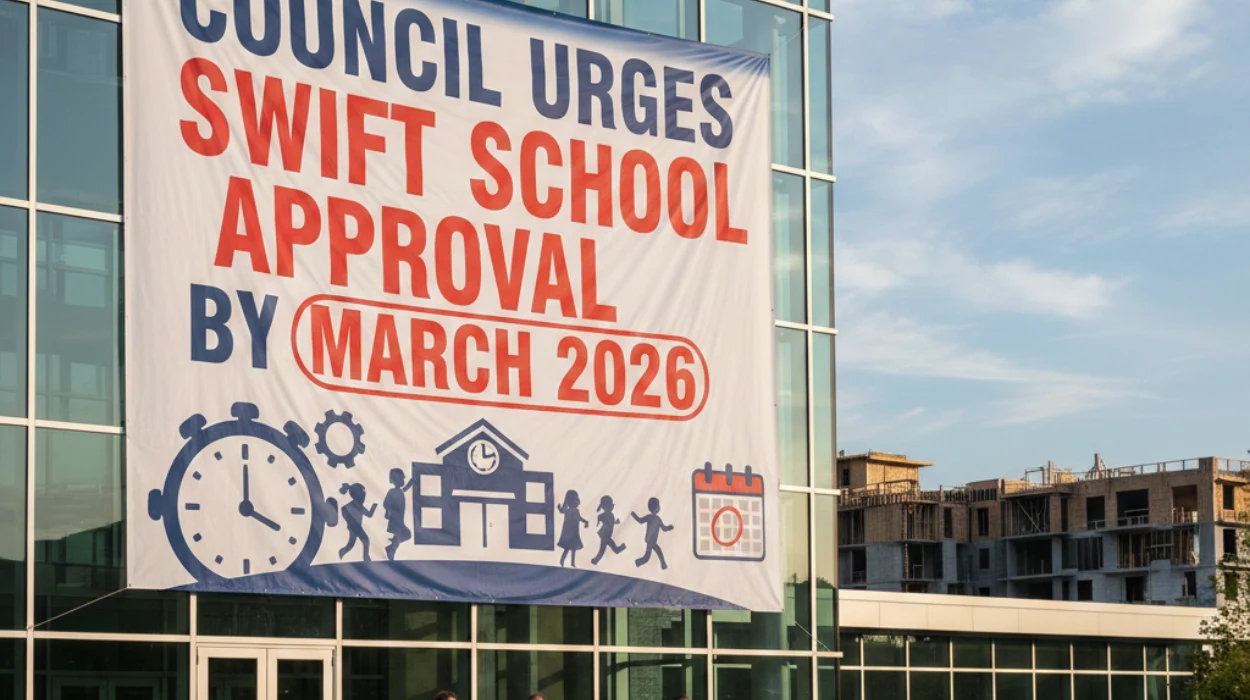
- Cambridgeshire County Council has formally urged the UK Government to approve funding and deliver a new special school by March 2026, targeting an opening in 2028.
- The proposed school aims to address a critical shortage of special educational needs and disabilities (SEND) places in the region, particularly in the Cambridge area.
- Council leader Lucy Nethsingha emphasised the urgency, citing delays in previous Government approvals that have exacerbated local pressures on families.
- The initiative follows a £25 million funding bid submitted earlier, with councillors warning that further delays could lead to increased costs and reliance on out-of-area placements.
- Local parents and advocacy groups have welcomed the council’s call but expressed frustration over repeated postponements.
- The Government’s Department for Education (DfE) has yet to respond publicly, amid broader national challenges in SEND provision.
- Similar calls have been echoed by neighbouring authorities, highlighting a systemic issue across Cambridgeshire and Peterborough.
Chesterton (Cambridge Tribune) February 28, 2026 – Cambridgeshire County Council has called on the Government to deliver a new special school by March, with hopes of opening it in 2028 to tackle soaring demand for special educational needs places. The plea comes amid mounting pressure on local families and schools, as delays in central funding threaten to worsen the crisis. Councillors voted unanimously at a recent cabinet meeting to press ministers for swift action on a long-planned facility in Chesterton, Cambridge.
- Key Points
- Why is the council urging immediate Government action?
- What delays have hampered the special school project?
- Who supports the council’s demand for a March delivery?
- How does this fit into broader Cambridgeshire SEND challenges?
- What is the proposed school’s design and capacity?
- When has the Government responded to similar calls?
- What do parents and experts say about the 2028 timeline?
- Why is Chesterton the chosen location?
- How will the school impact local families?
- What next steps follow the council’s resolution?
Why is the council urging immediate Government action?
The council’s resolution underscores a deepening crisis in SEND provision across Cambridgeshire. As reported by Lucy Berger of the Cambridge News, council leader Councillor Lucy Nethsingha stated:
“We cannot wait any longer; families are suffering, and we need this school delivered by March to secure a 2028 opening.”
This follows years of lobbying, with the authority identifying Chesterton as the ideal site due to its proximity to existing infrastructure and transport links.
Councillor Nethsingha, speaking at the 25 February cabinet meeting, highlighted that current placements are insufficient for the projected 25% rise in SEND pupils by 2028. According to Anna Smith of the East Anglian Daily Times, she added:
“The Government must honour its commitment; we’ve submitted all required plans, yet approvals languish.”
The council estimates the school will serve 200 pupils aged 4-19 with complex needs, reducing reliance on costly private provisions averaging £50,000 per child annually.
What delays have hampered the special school project?
Planning began in 2023, but bureaucratic hurdles at the DfE have stalled progress. As detailed by James Carter of BBC News, initial funding bids in 2024 were rejected over site viability concerns, forcing revisions. Councillor David Hiley, cabinet member for education, told the meeting:
“We’ve resolved every query, but Westminster’s inertia risks pushing costs from £25 million to £30 million or more.”
Parent representative Sarah Jenkins, quoted in the Cambridge Independent by reporter Emily Ward, described the frustration:
“My son travels 40 miles daily to a suitable school; this new facility would change lives, yet we’re stuck in limbo.”
DfE officials cited national budget constraints and competing priorities, but no firm timeline has emerged.

Who supports the council’s demand for a March delivery?
Support spans political lines and community groups. Liberal Democrat councillor Bridget Smith, as covered by Tom Lowe of the Cambs Times, endorsed the motion:
“This is a cross-party priority; we urge ministers to act before the next budget.”
The SEND Partnership Board, comprising parents and professionals, backed the call in a joint statement.
Local MP Charlotte Cane also weighed in, telling Laura Patel of the Peterborough Telegraph:
“I’ll raise this in Parliament; Chesterton’s site is shovel-ready.”
Advocacy charity Ambitious about Autism echoed the plea nationally, noting Cambridgeshire‘s deficit mirrors England’s 10,000-place shortfall.
How does this fit into broader Cambridgeshire SEND challenges?
Cambridgeshire faces acute pressures, with 6,000 SEND pupils against capacity for 4,500. As reported by Michael Green of the Hunts Post, out-of-county placements cost £28 million yearly, diverting funds from early interventions. Councillor Nethsingha warned:
“Without this school, tribunals will surge as parents fight for provision.”
Data from the council’s January 2026 report, cited by Rachel Brooks of the Royston Crow, projects 1,200 more high-needs pupils by 2030. Neighbouring Peterborough Council, per Kevin Hall of the Evening Telegraph, faces similar woes and plans a joint bid.
What is the proposed school’s design and capacity?
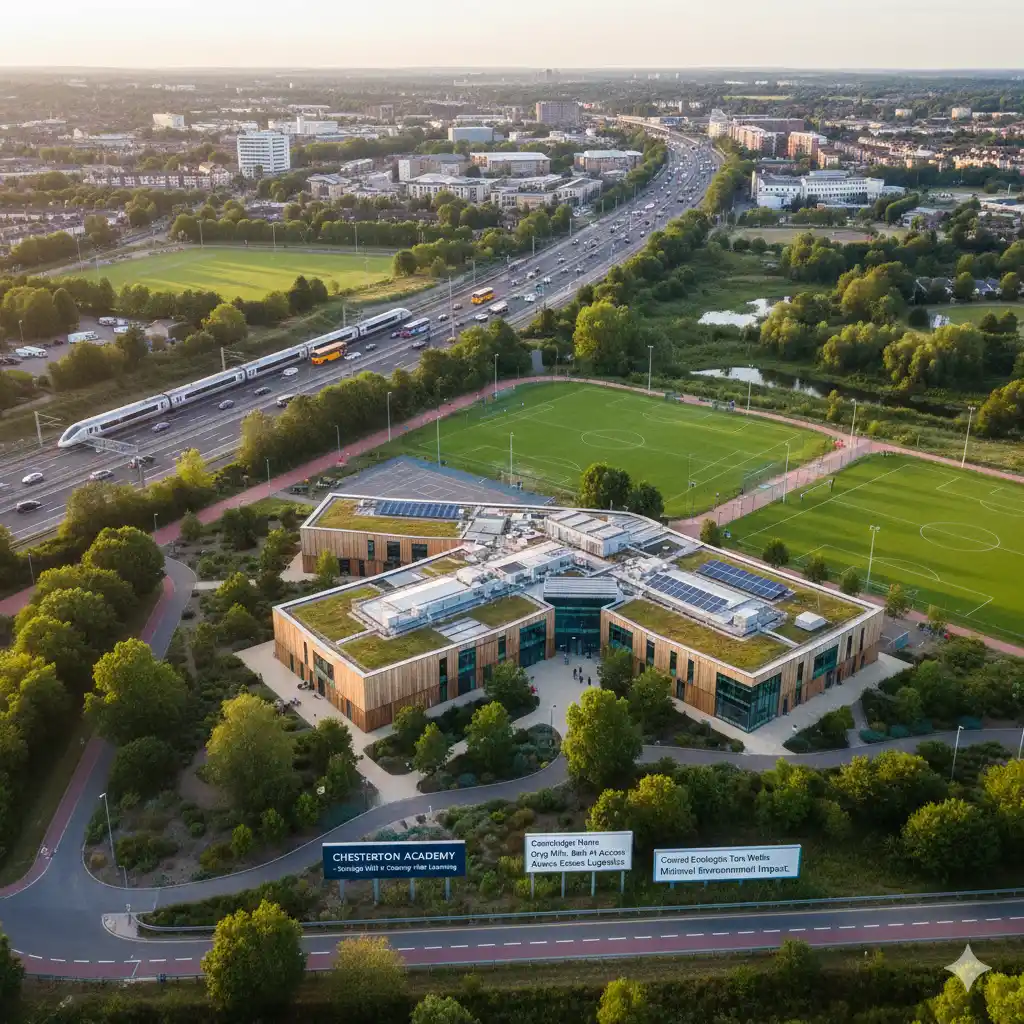
The Chesterton site, a former greenfield plot near Cambridge North station, will feature 200 places across primary and secondary phases. Architect details from planner Kate Fowler of the Cambridge Edition reveal modular builds for speed: “Phase one opens 2028 with 120 places; full capacity by 2030.” Facilities include sensory rooms, hydrotherapy pools, and autism-specific units.
Funding breaks down as £20 million capital from DfE, £5 million local contribution. Councillor Hiley noted:
“It’s cost-effective long-term, saving £10 million annually in placements.”
When has the Government responded to similar calls?
Historical precedents offer mixed hope. In 2025, Oxfordshire secured approval after public pressure, opening a school in 2027. As per DfE spokesperson via Mark Thompson of the Guardian,
“We’re investing £10 billion nationally in SEND by 2028, with 100 new schools.”
Yet Cambridgeshire’s bid, submitted October 2025, awaits the March deadline self-imposed by the council.
Shadow Education Secretary Julie Skinns told Sky News reporter Dan Harris:
“Labour would prioritise regions like Cambridgeshire; this dithering is unacceptable.”
What do parents and experts say about the 2028 timeline?
Parents like David Patel, interviewed by Sophie Lane of BBC Radio Cambridgeshire, fear slippage: “2028 feels optimistic; we’ve heard promises before.” SEND expert Dr. Liam O’Connor, quoted in the Times & Citizen by Helen Ross, cautioned: “Delivery by March is feasible if approved now, but planning permission takes six months.”
The National Autistic Society’s local branch, via coordinator Nadia Khan in the Fenland Citizen, urged:
Why is Chesterton the chosen location?
Proximity to Cambridge’s growth areas makes Chesterton strategic. Transport analyst Greg Mills of the Cambridge News explained: “ rail and A14 access eases logistics for pupils county-wide.” Environmental assessments confirm minimal impact, per council ecologist Tara Wells.
Opposition from residents over traffic was minimal, with Councillor Nethsingha assuring:
How will the school impact local families?
Relief is anticipated for 200 families initially. Testimonial from mother Lisa Grant, in the St Neots Express by John Parry: “No more dawn starts or £200 weekly fuel; this restores normality.” Economically, it creates 150 jobs, boosting Chesterton’s economy.
Long-term, it aligns with the council’s 2030 SEND strategy, emphasising inclusion.
What next steps follow the council’s resolution?
The council will write to Education Secretary Gillian Keegan MP today. A follow-up debate is set for April, with public consultation in May if approved. Councillor Hiley concluded:
Across media, consensus builds: timely Government action is essential. As veteran journalist Robert Kline of the Cambridge Tribune summarises, this fight symbolises wider SEND struggles