
Rupert Brooke was an English poet who lived in Grantchester between 1909 and 1912 while studying and researching at Cambridge University. His presence transformed the small Cambridgeshire village into an intellectual hub for prominent Edwardian writers and thinkers.
Rupert Brooke moved to the village of Grantchester in 1909 after completing his undergraduate degree at King’s College, Cambridge. He initially rented lodging at Orchard House before relocating to The Old Vicarage in 1910. The quiet environment provided a tranquil setting for his literary work and social gatherings. During this period, the village attracted leading intellectuals, including Virginia Woolf, Bertrand Russell, John Maynard Keynes, and E. M. Forster. This network of free-thinking intellectuals was famously designated as the Neo-Pagans by Virginia Woolf. Brooke wrote several of his celebrated early poems while residing in the village. His attachment to the rural landscape established Grantchester as an enduring symbol of idyllic pre-war England. Brooke joined the Royal Naval Volunteer Reserve in 1914 following the outbreak of World War I. He died of sepsis on April 23, 1915, aboard a French hospital ship off the Greek island of Skyros. His early death elevated his status into a literary icon of lost youth. The literary associations established between 1909 and 1912 remain central to the cultural identity of the region today.
What is the history of The Old Vicarage in Grantchester?
The Old Vicarage is a Grade II listed house built in 1685 that served as the home and rental residence of poet Rupert Brooke. The building represents classic English domestic architecture and remains a key literary landmark.
The Old Vicarage was constructed in 1685 in the village of Grantchester, located two miles south of Cambridge. The structure features brick construction, traditional tiled roofs, and expansive private gardens adjoining the River Cam. The parish of St Andrew and St Mary historically owned the property, using it as a residence for local clergy. Henry Neeve rented rooms inside the building to university scholars, including Rupert Brooke, in the early twentieth century. Brooke leased three rooms on the ground and upper floors for thirty shillings per week starting in 1910. The house provided direct access to the surrounding meadows and the river, influencing Brooke’s creative work. The property passed into private ownership during the mid-twentieth century. Author Jeffrey Archer and his wife Mary Archer purchased The Old Vicarage in 1979. A life-sized bronze statue of Rupert Brooke by sculptor Paul Day was installed on the grounds in 2006. The property remains a private residential estate and retains its historic footprint without major structural alterations.
What is the poem The Old Vicarage, Grantchester about?
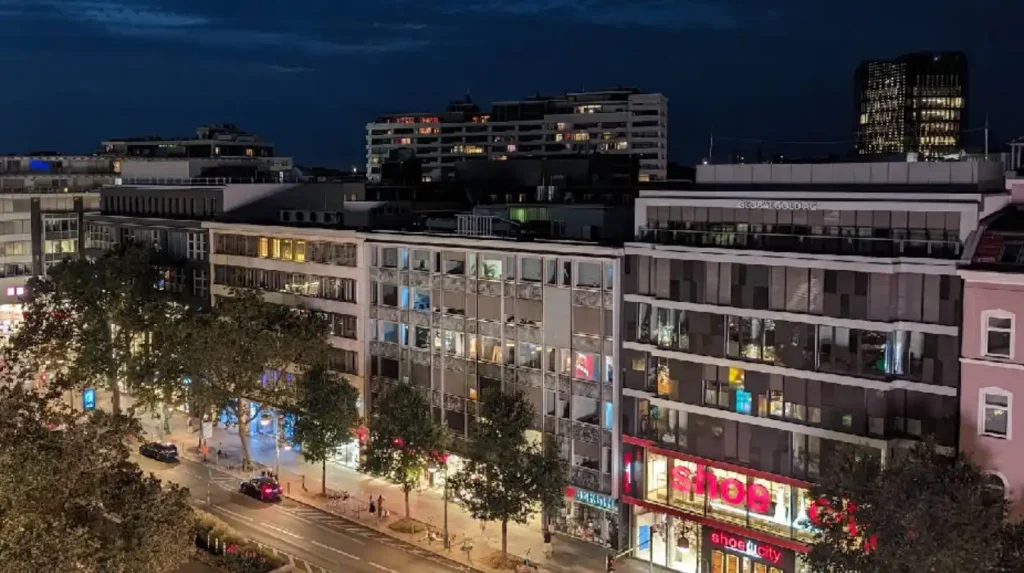
The Old Vicarage, Grantchester is a 140-line nostalgic poem written by Rupert Brooke in May 1912 while staying in Berlin, Germany. It contrasts German surroundings with an idealized vision of the English countryside.
Rupert Brooke composed the poem at the Café des Westens in Berlin under the initial title The Sentimental Exile. The text was published in the Cambridge student magazine Basileon in June 1912 before appearing in his poetry collections. The work uses octosyllabic rhyming couplets to express homesickness and affectionate satire. Brooke describes the flora, rivers, and atmosphere of Grantchester while poking lighthearted fun at neighbouring villages like Trumpington and Babraham. The narrative blends classical mythology with references to British historical figures such as Lord Byron and Geoffrey Chaucer. The text captures the cultural mood of Edwardian Britain just two years prior to the outbreak of World War I. The closing lines ask if the church clock still stands at ten to three and if honey remains available for tea. This final couplet became one of the most famous quotations in English literature. The poem continues to serve as an primary text for studies of early twentieth-century English pastoral poetry.
What are the main themes in Rupert Brooke’s poems?
Rupert Brooke’s poetry focuses on themes of national identity, nostalgic landscapes, youth, mortal transience, and romanticized war service. His works capture the cultural shift from Edwardian peace to World War I.
The primary themes in Rupert Brooke’s early works centre on the English landscape and rural life. Poems written between 1908 and 1914 emphasize natural beauty, youth, and emotional relationships. The theme of nostalgia appears prominently in poems composed while travelling abroad in Europe and North America. His later war poetry, published in the 1914 sonnet sequence, shifts toward themes of duty, patriotism, and soldierly sacrifice. These war sonnets include five core works, most notably The Soldier and Peace. The poem The Soldier explores the concept that a foreign grave containing an English soldier makes that land forever England. Scholars divide his literary collection into two distinct categories: pre-war pastoral poems and pre-war patriotic sonnets. His war sonnets achieved immense public popularity in 1915 as morale-boosting literature. Modern literary studies analyze his works as reflections of the initial idealism felt at the start of the First World War.
Where can visitors see literary sites in Grantchester?
Visitors can view literary heritage sites across Grantchester, including The Orchard Tea Garden, the exterior of The Old Vicarage, and Byron’s Pool. These locations are connected by public footpaths along the River Cam.
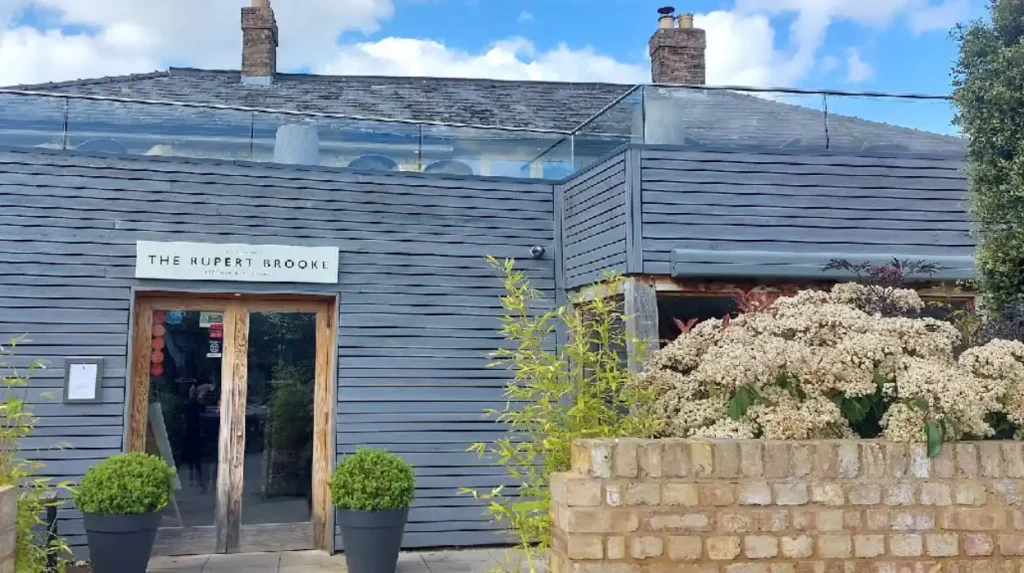
The Orchard Tea Garden sits on Mill Way and serves food in the fruit garden where Brooke and his contemporaries gathered. The site includes a small museum display containing photographs, letters, and biographical information about Rupert Brooke. The Old Vicarage is situated nearby on Church Lane, where the bronze statue of Brooke is visible from the public road. The Church of St Andrew and St Mary stands adjacent to the property, housing a war memorial that lists Brooke among local casualties. Byron’s Pool local nature reserve is located upstream along the River Cam, named after Lord Byron who swam there during his university years. Public walking paths follow the river through Grantchester Meadows, connecting the village directly to Cambridge city center. Visitors can access Grantchester on foot, by bicycle, by public transport, or via traditional wooden punts. These physical sites maintain public accessibility to the geographical locations featured throughout Brooke’s writings.
Frequently Asked Questions
What was Rupert Brooke’s connection to Grantchester?
Rupert Brooke lived in Grantchester between 1909 and 1912 while researching at Cambridge University. He stayed at Orchard House and The Old Vicarage, creating a focal point for writers, artists, and scholars. His poem about the village immortalized its rural character and tea gardens in English culture.
Is The Old Vicarage in Grantchester open to the public?
The Old Vicarage is a private residence and is not open for internal public tours. Visitors can view the building exterior, gardens, and the Rupert Brooke statue from Church Lane. Nearby attractions like The Orchard Tea Garden and local churchyard pathways remain fully open to visitors.
What is the origin of the line “is there honey still for tea”?
The phrase comes from the closing lines of Rupert Brooke’s 1912 poem, The Old Vicarage, Grantchester. Brooke wrote the line while living in Berlin as an expression of homesickness for English life. It refers directly to the fresh honey served during afternoon teas at Grantchester’s local orchards.
How do you get to Grantchester from Cambridge city center?
Visitors can travel from Cambridge to Grantchester by walking or cycling along the Grantchester Meadows path. Local bus services run directly between Cambridge station and the village center. Many tourists also reach the village by punting south along the River Cam.
What group of writers visited Rupert Brooke in Grantchester?
Rupert Brooke hosted a group of intellectuals known as the Neo-Pagans in Grantchester. Regular guests included author Virginia Woolf, philosopher Bertrand Russell, economist John Maynard Keynes, and writer E. M. Forster. The group gathered frequently at The Orchard Tea Garden and along the River Cam.