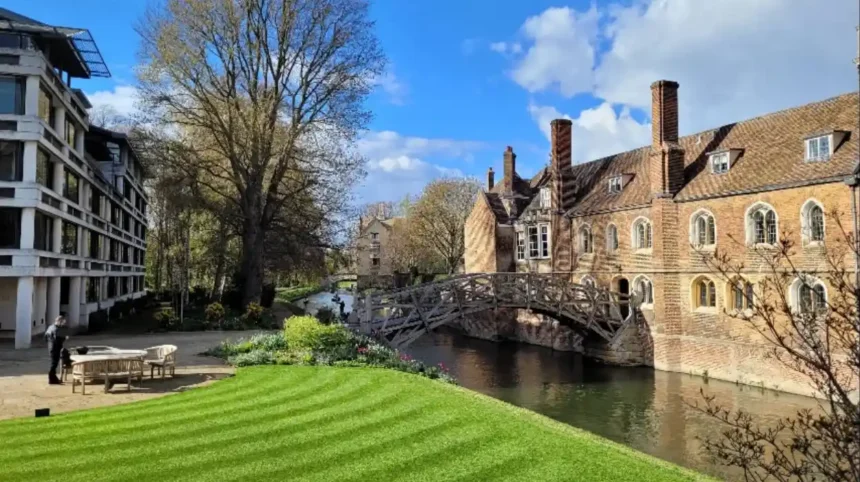
The hidden costs of living in Cambridge include upfront Stamp Duty Land Tax, high Band D Council Tax charges of £2,467.02 annually, steep leasehold service charges, strict conservation area maintenance premiums, and localized residential parking permit fees.
- How Much Is Stamp Duty Land Tax for Cambridge Homebuyers?
- Why Is Council Tax Higher in Cambridge Than in Most London Boroughs?
- What Are the Hidden Leasehold Service Charges and Ground Rents?
- How Much Do Historic Property and Conservation Area Rules Add to Renovations?
- What Do Residential Parking Permits and Local Commuting Cost?
- How Do Utility Tariffs, Water Rates, and Broadband Compare in Cambridge?
- What Are the Hidden Legal, Survey, and Mortgage Arrangement Costs?
- Why is Cambridge almost as expensive as London to live in?
- Is £50,000 a good salary to live comfortably in Cambridge?
- Which areas in Cambridge have the lowest hidden property costs?
- Do new-build homes in Cambridge have hidden estate charges?
- How much cash buffer should a buyer save beyond a house deposit in Cambridge?
Cambridge, a historic university city in Cambridgeshire, England, maintains an average property purchase price of £475,151 according to Office for National Statistics data. While buyers focus heavily on mortgage deposits and headline listing prices, the secondary financial obligations of homeownership in this tech and academic hub routinely add tens of thousands of pounds to acquisition and annual running budgets.
Understanding these peripheral expenses requires examining municipal tax structures, UK property tenure laws, heritage preservation mandates, and regional utility tariffs. Every buyer entering the Cambridgeshire housing market faces distinct statutory and operational charges that alter long-term affordability.
How Much Is Stamp Duty Land Tax for Cambridge Homebuyers?
Stamp Duty Land Tax in England applies to residential property purchases above £125,000 for standard buyers and above £300,000 for eligible first-time buyers, resulting in an upfront tax bill of £13,757 on an average £475,151 Cambridge home.
Stamp Duty Land Tax is a progressive transaction tax administered by His Majesty’s Revenue and Customs on land and property transfers in England and Northern Ireland. Following the expiration of temporary relief thresholds in April 2025, the standard nil-rate band sits at £125,000. Buyers pay 2 percent on the portion between £125,001 and £250,000, and 5 percent on the portion between £250,001 and £925,000.
A standard home mover purchasing an average Cambridge terraced house at £493,851 owes £14,692 in Stamp Duty before paying legal conveyancing fees. First-time buyers receive a zero-rate threshold up to £300,000 and pay 5 percent up to £500,000, but properties exceeding £500,000 disqualify buyers from all first-time relief.
Investors acquiring additional residential properties or buy-to-let flats in Cambridge face an additional 5 percent surcharge across all price tiers. On a £500,000 second home, the total Stamp Duty liability reaches £40,000, demanding substantial liquid cash reserves at completion.
Why Is Council Tax Higher in Cambridge Than in Most London Boroughs?
Cambridge City Council sets the 2026/27 Band D Council Tax at £2,467.02 per year, exceeding the London average of £2,068.47 and ranking higher than 28 of the 32 London boroughs due to regional municipal funding allocations.
Council Tax is an annual local authority levy calculated from eight valuation bands established by the Valuation Office Agency based on open-market property values on 1 April 1991. The revenue collected in Cambridge funds five distinct public entities: Cambridge City Council, Cambridgeshire County Council, the Police and Crime Commissioner, the Fire Authority, and the Cambridgeshire and Peterborough Combined Authority.
For the 2026/27 financial year, annual charges in Cambridge scale from £1,644.68 for Band A properties to £4,934.04 for Band H estates. Most modern two-bedroom apartments and Victorian terraces in central wards like Petersfield and Romsey fall into Band C at £2,192.91 or Band D at £2,467.02.
Buyers moving from outer London boroughs often underestimate this recurring monthly fixed cost. Two identically priced flats on opposite sides of a ward boundary frequently carry different banding classifications, requiring buyers to verify the exact property band via official government registers prior to exchanging contracts.
What Are the Hidden Leasehold Service Charges and Ground Rents?
Leasehold flat buyers in Cambridge pay an average annual service charge exceeding £877 for communal maintenance and building insurance, alongside legacy ground rents and mandatory Section 20 major works contributions that surpass £250 per structural repair.
Under English property law, leasehold tenure grants ownership of a dwelling for a fixed term while a third-party freeholder retains ownership of the building structure and land. Developments around the CB1 station quarter, Trumpington, and Eddington rely heavily on private management companies to maintain lifts, underground car parks, communal gardens, and district heating networks.
Managing agents issue annual service charge estimates every February and reconcile actual expenditures the following September, frequently generating unexpected balancing invoices. When a building requires roof replacement, cladding remediation, or lift overhauls, freeholders issue Section 20 notices under the Landlord and Tenant Act 1985, obligating leaseholders to fund their proportional share of capital works.
While the Leasehold Reform (Ground Rent) Act 2022 restricted ground rents to a zero-value peppercorn on new leases granted after 30 June 2022, older Cambridge flats remain bound by existing escalation clauses. Buyers must also budget £5,000 to £20,000 for statutory lease extensions whenever a remaining lease term drops below 85 years, as mortgage lenders reject short leases.
How Much Do Historic Property and Conservation Area Rules Add to Renovations?
Renovating a Grade II listed building or a home within one of Cambridge’s conservation areas adds a 15 to 40 percent cost premium over standard construction due to mandatory heritage statements, specialist lime materials, and skilled artisan labour.
Cambridge contains over 1,000 listed buildings and extensive conservation areas spanning the historic core, Newnham, West Cambridge, and Chesterton. Historic England classifies listed structures into Grade I, Grade II*, and Grade II tiers to preserve architectural and historic significance.
Although submitting a Listed Building Consent application carries a £0 statutory fee in England, preparing the required architectural drawings, measured surveys, and Heritage Statements costs between £3,000 and £15,000 before construction begins. Local conservation officers prohibit modern uPVC double glazing, cement mortar, and synthetic insulation, enforcing the use of breathable lime plaster, handmade clay tiles, and bespoke timber sash windows.
Restoring a single timber sash window costs between £600 and £1,800, while full structural restoration of a Grade II property averages £2,160 to £3,360 per square metre. Furthermore, standard home insurance policies exclude historic reinstatement values, forcing owners to purchase specialist heritage cover that carries a 12 to 30 percent annual premium uplift.
What Do Residential Parking Permits and Local Commuting Cost?
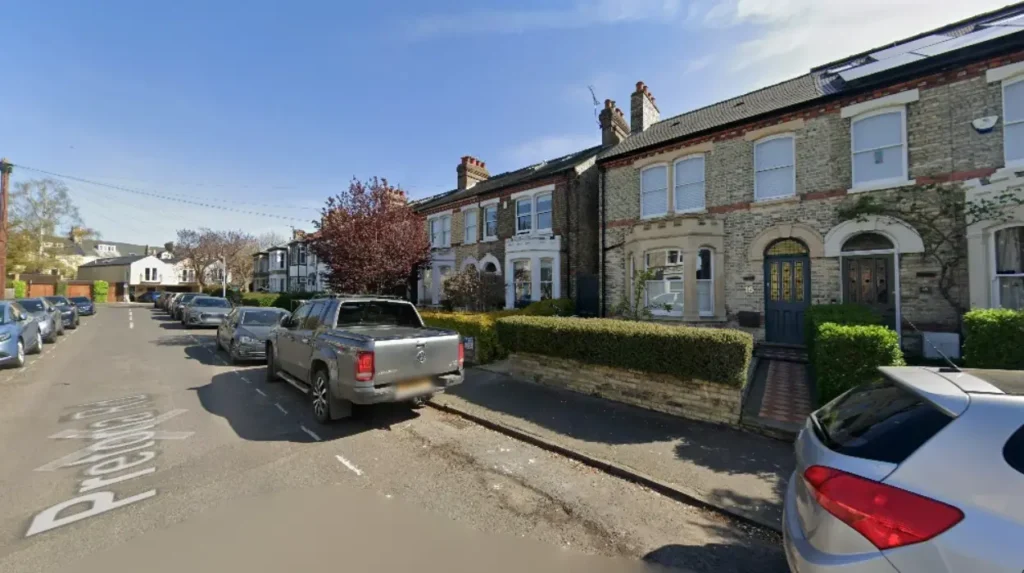
Cambridgeshire County Council charges between £70 and £136 annually for residential parking permits across 18 controlled zones, while single bus fares are capped at £3 and monthly transit passes average £72 for local commuters.
To combat severe congestion within the medieval street layout, Cambridgeshire County Council enforces strict Resident Parking Schemes across central neighborhoods. Permits are tied to specific vehicle registration numbers, apply strictly to designated zone boundaries, and do not guarantee an available kerbside space.
Annual permit tariffs vary by zone, costing £86 per year in areas like Petersfield and £136 per year in high-demand central zones, with a 20 percent discount applied only to low-emission vehicles. Furthermore, newer residential developments in Cambridge carry Section 106 planning restrictions that legally bar occupants from applying for on-street permits altogether, forcing car owners to rent private spaces at £100 to £180 per month.
For non-drivers, reliance on regional rail and bus networks introduces substantial recurring expenses. A monthly local bus pass costs £72, while daily rail commuters traveling from Cambridge Station or Cambridge North to London King’s Cross spend over £5,500 annually on season tickets.
How Do Utility Tariffs, Water Rates, and Broadband Compare in Cambridge?
Basic monthly utilities for an 85-square-metre Cambridge apartment average £259.26, driven by Eastern England’s higher daily electricity standing charge of 51.84 pence and regional water supply tariffs from Cambridge Water and Anglian Water.
Energy costs in Cambridge reflect regional distribution network charges set under the Ofgem energy price cap framework. Households in the Eastern England electricity distribution region pay a daily standing charge of 51.84 pence, compared to 42.92 pence in London, adding fixed daily overhead regardless of consumption volume.
Victorian and Edwardian solid-wall brick terraces common in central Cambridge exhibit poor thermal retention, typically scoring Band D or Band E on Energy Performance Certificates. Heating these uninsulated period homes during East Anglian winters pushes combined gas and electricity bills well above the £1,723 national dual-fuel benchmark.
Water and sewerage services are billed separately by two distinct utilities: Cambridge Water supplies clean drinking water, while Anglian Water manages wastewater and surface drainage. Combined metered water bills for a three-bedroom family home average £550 to £700 annually, alongside £33.50 per month for high-speed fibre broadband.
What Are the Hidden Legal, Survey, and Mortgage Arrangement Costs?
Completing a property purchase in Cambridge requires £3,500 to £6,000 in ancillary transaction expenses, covering RICS Level 3 building surveys, specialist local authority searches, conveyancing disbursements, and lender product arrangement fees.
Beyond the deposit and Stamp Duty, buyers must fund comprehensive due diligence before legal exchange. Because Cambridge sits on a complex geology of Gault Clay and River Terrace Deposits near the River Cam, lenders and surveyors frequently mandate environmental, flood risk, and ground stability searches.
A standard RICS Level 2 Homebuyer Report costs £500 to £800, whereas a comprehensive RICS Level 3 Building Survey required for period timber-framed or Victorian masonry homes costs £900 to £1,600. Identifying historic subsidence, dampness in solid walls, or unauthorized alterations prevents five-figure post-completion repair bills.
Conveyancing solicitors charge £1,500 to £2,800 in legal fees and disbursements, including Land Registry title registration fees and leasehold management pack fees ranging from £300 to £750. Additionally, securing competitive residential mortgage rates around 5.06 percent typically involves a £999 to £1,499 lender arrangement fee.
Why is Cambridge almost as expensive as London to live in?
Cambridge combines severe housing supply constraints caused by its protected Green Belt with high demand from global technology companies, biomedical campuses, and the University of Cambridge. While average property prices sit £74,886 below London, Cambridge residents pay higher Band D Council Tax than 28 London boroughs and face steep local service costs.
Is £50,000 a good salary to live comfortably in Cambridge?
A £50,000 gross salary yields approximately £3,280 in monthly net take-home pay after UK Income Tax and National Insurance deductions. Renting a one-bedroom flat at the £1,255 average plus £205 for monthly Council Tax consumes nearly 45 percent of net income, leaving a manageable but tight budget for utilities, transport, and savings.
Which areas in Cambridge have the lowest hidden property costs?
Suburban areas outside the medieval core, such as Cherry Hinton, King’s Hedges, and Milton, offer freehold post-war houses that avoid leasehold service charges and Listed Building Consent premiums. These neighborhoods also feature off-street driveway parking, eliminating annual Cambridgeshire County Council residential permit fees.
Do new-build homes in Cambridge have hidden estate charges?
Yes, freehold buyers on modern estates in Trumpington, Eddington, and Darwin Green frequently pay an annual estate rentcharge of £250 to £600 to private management companies. These mandatory fees fund unadopted roads, private parks, and sustainable drainage systems not maintained by Cambridge City Council.
How much cash buffer should a buyer save beyond a house deposit in Cambridge?
Buyers purchasing an average £475,000 home in Cambridge should hold £18,000 to £22,000 in liquid cash beyond their mortgage deposit. This buffer covers £13,750 in Stamp Duty Land Tax, £2,500 for conveyancing and local searches, £1,200 for a RICS Level 3 survey, and immediate moving or minor repair expenses.