
Freehold ownership grants permanent title to both the building and the land it stands on in Cambridge. Leasehold ownership grants the right to occupy a property for a fixed term of years while a separate freeholder retains ownership of the underlying land.
- How Does UK Property Legislation Affect Cambridge Leaseholders?
- Why Are Cambridge Colleges Major Freeholders in the City?
- What Hidden Costs Do Cambridge Leasehold Buyers Face?
- How Does Remaining Lease Length Impact Mortgages and Property Value in Cambridge?
- What Should Buyers Check in a Cambridge Lease Agreement Before Exchange?
- How Do Estate Rentcharges Affect Freehold Houses on New Cambridge Developments?
- What is the difference between leasehold and share of freehold in Cambridge?
- Are new build flats in Cambridge still sold as leasehold?
- Can you buy the freehold of a leasehold house in Cambridge?
- How much does it cost to extend a lease in Cambridge?
- What are fleecehold fees on new freehold houses in Cambridge?
Property tenure in England and Wales operates under the Law of Property Act 1925, which established freehold and leasehold as the two primary legal estates in land. Freehold title is registered at HM Land Registry as an absolute estate in fee simple, meaning the buyer owns the physical structure, the gardens, and the soil beneath indefinitely without paying ongoing ground rent to a superior landlord.
In Cambridge, traditional Victorian terraced houses in areas such as Romsey, Petersfield, and Newnham are predominantly sold as freehold properties.
Leasehold title operates as a long-term tenancy created by a formal contract called a lease, which typically runs for 99, 125, or 999 years from the date of grant. A leaseholder owns the internal fabric of the dwelling for the duration of the term, while the freeholder or landlord retains ownership of the structural walls, roof, communal hallways, and land.
Modern apartments in Cambridge developments such as CB1 near Cambridge Station, Eddington, and Trumpington Meadows are almost exclusively sold on a leasehold basis.
How Does UK Property Legislation Affect Cambridge Leaseholders?
The Leasehold and Freehold Reform Act 2024 and the Leasehold Reform (Ground Rent) Act 2022 govern residential leases in Cambridge. These statutes abolish ground rents on new leases, extend standard lease extensions to 990 years, and remove marriage value calculations during enfranchisement.
The Leasehold Reform (Ground Rent) Act 2022 came into force on 30 June 2022 and restricts ground rents on most new residential leases in England to a peppercorn, which has zero financial value.
Before this statute took effect, developers in Cambridge frequently granted 125-year or 250-year leases containing escalating ground rent clauses that doubled every ten or twenty years. Existing leases granted prior to June 2022 remain subject to their original contractual ground rent terms unless the leaseholder completes a statutory lease extension.
The Leasehold and Freehold Reform Act 2024 received Royal Assent in May 2024 to overhaul the valuation and management framework for existing leaseholders across England and Wales.
Under this legislation, the standard statutory lease extension term increases from 90 years to 990 years for flats and from 50 years to 990 years for houses, while eliminating the requirement for buyers to own a property for two years before claiming a statutory extension.
The Act also removes marriage value from the premium calculation for leases with fewer than 80 years remaining, which significantly lowers the cost of extending short leases on older Cambridge conversion flats.
Why Are Cambridge Colleges Major Freeholders in the City?
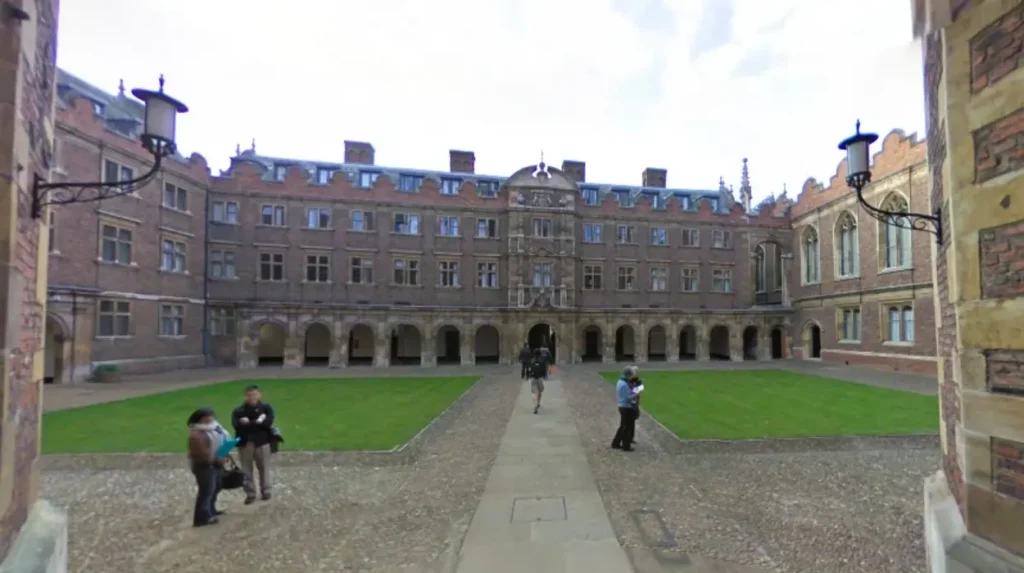
Colleges of the University of Cambridge own substantial tracts of residential and commercial land across Cambridgeshire as historic institutional endowments. Buyers purchasing properties on college-owned land frequently acquire leasehold titles or face specific restrictive covenants affecting alterations, subletting, and future enfranchisement.
The constituent colleges of the University of Cambridge, including Trinity College, St John’s College, King’s College, and Gonville and Caius College, accumulated extensive landholdings across Cambridge over seven centuries.
These institutions hold land as long-term endowment assets to fund academic teaching and research, and they routinely grant long residential leases rather than selling the underlying freehold interest.
Residential streets in West Cambridge, Chesterton, and central CB1 and CB2 postcodes contain numerous townhouses and apartments where a Cambridge college acts as the superior freeholder.
Purchasing a property where a Cambridge college is the freeholder introduces distinct legal and financial considerations during conveyancing. College leases frequently contain strict user covenants prohibiting short-term holiday lets, commercial home businesses, or structural modifications without formal written license from the college bursar.
Furthermore, certain properties held by academic institutions fall under specific statutory exemptions or management schemes under the Leasehold Reform Act 1967, requiring specialist local property solicitors to verify enfranchisement rights prior to exchange of contracts.
What Hidden Costs Do Cambridge Leasehold Buyers Face?
Cambridge leasehold buyers must budget for annual service charges, building insurance contributions, reserve fund payments, and administrative fees for landlord consents. High-density developments in Cambridge with lifts, concierge desks, and underground parking frequently carry service charges exceeding £3,000 per year.
Service charges represent the variable annual cost paid by leaseholders to reimburse the freeholder or management company for maintaining the building structure and communal areas.
In modern Cambridge apartment blocks around Station Road, Hills Road, and Orchard Park, service charges cover lift maintenance, communal heating systems, landscaping, external window cleaning, and managing agent salaries.
Unlike ground rent, service charges are not capped by statute and must only meet the legal test of reasonableness under Section 19 of the Landlord and Tenant Act 1985.
Sinking funds or reserve funds form a critical component of leasehold financial health in both purpose-built blocks and converted period properties in Cambridge. A reserve fund collects annual contributions from leaseholders to build a capital pot for major cyclical works such as roof replacements, exterior rendering, and lift overhauls.
If a Cambridge property lacks an adequate reserve fund, buyers face the immediate risk of a Section 20 major works demand, which requires leaseholders to pay lump sums ranging from £5,000 to £25,000 within a single billing cycle.
How Does Remaining Lease Length Impact Mortgages and Property Value in Cambridge?
UK mortgage lenders require a minimum unexpired lease term of 70 to 85 years at the point of purchase in Cambridge. Leases falling below 80 years trigger substantial valuation discounts and require formal statutory lease extension proceedings before resale or remortgaging.
High Street banks and building societies in the United Kingdom enforce strict lending criteria regarding remaining lease terms, typically demanding at least 30 to 40 years remaining after the end of a 25-year or 35-year mortgage term. According to UK Finance lender guidelines, properties with fewer than 75 years left on the lease struggle to secure mainstream mortgage financing, restricting the buyer pool to cash purchasers.
In Cambridge, where the average flat price exceeds £320,000 according to HM Land Registry UK House Price Index data, losing access to mortgage buyers severely depresses market liquidity.
The 80-year threshold represents the most critical financial cliff edge in English leasehold law. Under the Leasehold Reform, Housing and Urban Development Act 1993, once a lease drops below 80 years, the freeholder is entitled to 50 percent of the marriage value, which is the increase in property value created by combining the freehold and leasehold interests.
Although the Leasehold and Freehold Reform Act 2024 legislates to abolish marriage value upon full commencement of its valuation provisions, conveyancers still advise Cambridge buyers to require sellers to serve a Section 42 notice prior to completion on any lease under 85 years.
What Should Buyers Check in a Cambridge Lease Agreement Before Exchange?

Buyers must examine the ground rent review clause, forfeiture provisions, alteration covenants, pet restrictions, and share of freehold arrangements before exchanging contracts. Conveyancers review the official copy of the register and the lease deed to uncover onerous clauses that block mortgage lending.
Onerous ground rent clauses remain a primary obstacle for buyers purchasing second-hand flats built in Cambridge between 2005 and 2022. If an existing lease specifies a ground rent exceeding £250 per year outside London, or £1,000 inside London, the lease legally qualifies as an Assured Shorthold Tenancy under the Housing Act 1988.
Under Ground 8 of the Housing Act 1988, a landlord can apply to the court for mandatory possession and forfeiture of the property if the leaseholder falls into ground rent arrears of three months, causing mortgage lenders to reject the security unless a Deed of Variation is executed.
Share of freehold arrangements offer an alternative structure found in many converted Victorian and Edwardian houses across central Cambridge, such as those on Mill Road, Chesterton Road, and Tenison Road. In a share of freehold setup, the flat owners jointly own the freehold title either as individual co-trustees or through a resident-owned management company, alongside their individual long leases.
Buyers purchasing a share of freehold flat must still check the underlying lease length, ensure all co-freeholders cooperate on building insurance, and confirm that the company accounts at Companies House are up to date.
How Do Estate Rentcharges Affect Freehold Houses on New Cambridge Developments?
Freehold houses on modern Cambridge housing estates frequently carry estate rentcharges to fund private roads, drainage systems, and communal green spaces. Under Section 121 of the Law of Property Act 1925, unpaid estate rentcharges carry severe statutory enforcement remedies that concern mortgage lenders.
Modern housing developments on the fringes of Cambridge, including sites in Trumpington, Eddington, Cherry Hinton, and Waterbeach, regularly include un-adopted roads, attenuation ponds, and play areas that Cambridgeshire County Council does not maintain.
Developers transfer ownership of these communal estate areas to private management companies and attach an estate rentcharge to every freehold house title under the Rentcharges Act 1977.
Freehold homeowners must pay an annual estate management fee, typically ranging from £200 to £600 per year, to cover grounds maintenance and public liability insurance.
Section 121 of the Law of Property Act 1925 grants rentcharge owners strict statutory remedies if a freehold homeowner defaults on payment for 40 days, including the right to enter the property or grant a lease over the freehold to a trustee to recover arrears.
Because these remedies threaten a bank’s first legal charge, UK mortgage lenders require the estate transfer deed to exclude Section 121 enforcement powers or mandate a lender protection clause. Cambridge freehold buyers must instruct their solicitor to audit the TP1 transfer deed for estate rentcharge clauses before signing contracts.
What is the difference between leasehold and share of freehold in Cambridge?
A standard leasehold property means an external landlord owns the building and land while you own a time-limited lease. A share of freehold means you own your individual lease plus a joint share of the freehold title alongside the other flat owners in the building. This gives residents direct control over building maintenance, insurance choices, and extending their own leases to 999 years without paying a third-party landlord.
Are new build flats in Cambridge still sold as leasehold?
Yes, new build flats in Cambridge developments like CB1 and Trumpington are still sold as leasehold because English law does not easily allow flying freeholds for stacked apartments. However, under the Leasehold Reform (Ground Rent) Act 2022, developers cannot charge financial ground rent on these new leases. Buyers still pay annual service charges to maintain lifts, roofs, and communal areas.
Can you buy the freehold of a leasehold house in Cambridge?
Yes, most owners of leasehold houses in Cambridge have the statutory right to buy their freehold under the Leasehold Reform Act 1967, a process known as enfranchisement. Exceptions apply if the house is owned by a charitable housing trust or falls under specific Cambridge college exemptions. The Leasehold and Freehold Reform Act 2024 simplifies this process and removes the previous two-year ownership waiting period.
How much does it cost to extend a lease in Cambridge?
Extending a lease in Cambridge costs between £5,000 and £15,000 for leases with over 85 years remaining, including legal and valuation fees. If the lease has dropped below 80 years, the premium increases sharply because Cambridge property values are high, often exceeding £20,000 to £40,000. Starting the extension process before the lease hits 82 years prevents severe valuation penalties.
What are fleecehold fees on new freehold houses in Cambridge?
Fleecehold refers to freehold houses on new estates that are subject to mandatory annual estate rentcharges paid to private management companies. Buyers in new Cambridge suburbs pay these fees for grass cutting, private road upkeep, and drainage maintenance because the local council has not adopted the estate. Unlike leasehold service charges, estate rentcharges historically lacked statutory caps and tribunal challenge rights.