
Arbury and King’s Hedges exhibit moderate overall crime rates within the local authority district of Cambridge, recording ninety five and one hundred eight crimes per one thousand residents respectively. These statistics align closely with national urban averages across England and Wales.
The northern electoral wards of Cambridge, comprising Arbury and King’s Hedges, represent established residential communities that developed substantially during the middle to late twentieth century.
Municipal authorities and local law enforcement agencies track annual criminal offences across distinct categories using data provided directly by the Home Office and police portal statistics. Historical records indicate that overall incident numbers across both wards fluctuate periodically but maintain a consistent medium risk rating when indexed against nationwide local authority metrics.
Statistical breakdowns demonstrate that violent offences, public order infractions, and property theft constitute the primary reported events. For instance, Arbury records thirty three violent or sexual offences per one thousand individuals, whereas King’s Hedges reports thirty six offences per one thousand individuals over identical evaluation periods.
Additional crime types reported in these areas include bicycle theft, vehicle interference, commercial shoplifting, and criminal damage. Environmental conditions, pedestrian infrastructure, and population density directly influence spatial patterns of reported incidents across these northern sectors.
Urban planners and community safety teams evaluate ward metrics to determine resource allocation for frontline policing. Comparative tracking allows civic bodies to address localized safety concerns while establishing long term regeneration initiatives. The overall crime trajectory across both wards reflects general baseline patterns observed across larger urban centers throughout the East of England region.
What Main Factors Influence Local Safety Metrics in North Cambridge?
Socioeconomic demographics, infrastructure design, environmental layouts, and active community policing strategies directly dictate the overall security metrics recorded across the residential districts of Arbury and King’s Hedges in northern Cambridge.
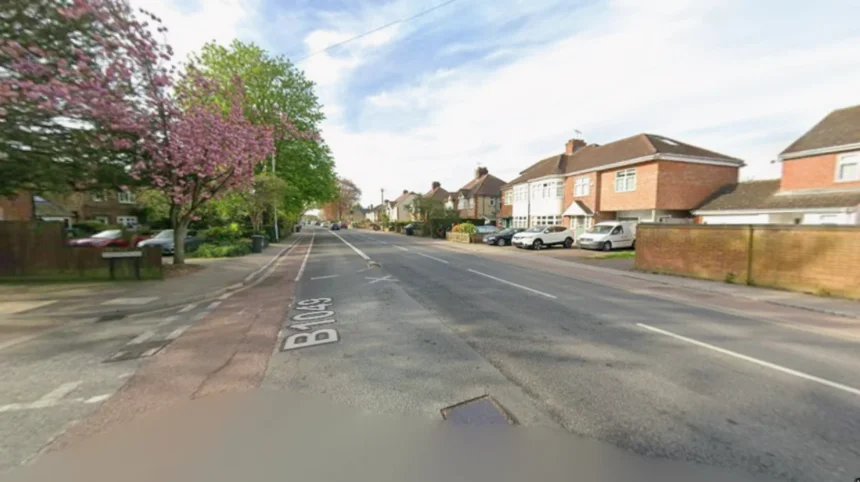
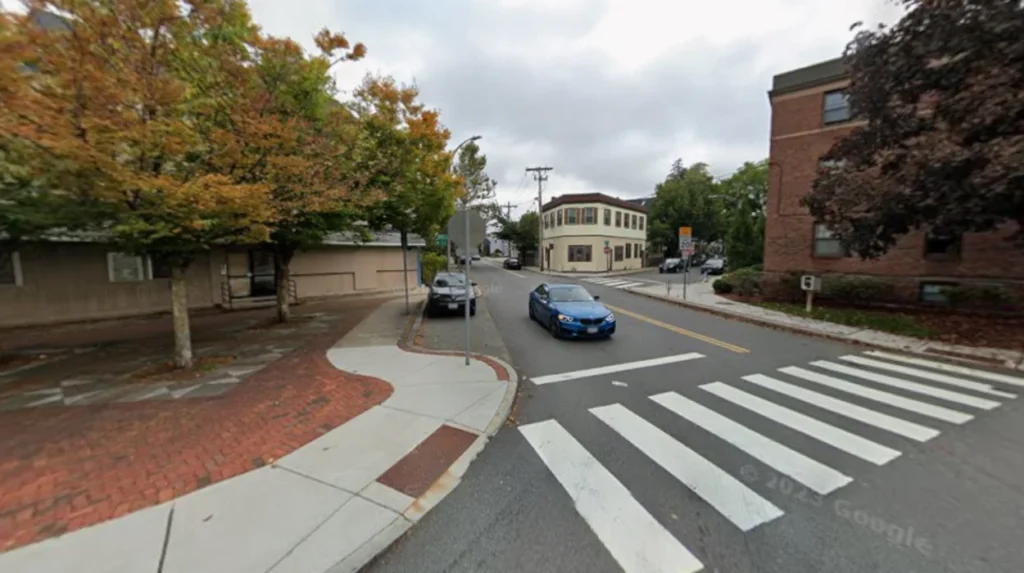
The geographical layout of northern Cambridge consists of high density housing estates, commercial parade zones, interconnected pedestrian cycle paths, and open green spaces. Specific structural designs from mid century development plans created isolated pathways that reduce natural surveillance, indirectly impacting safety outcomes.
Indices of Multiple Deprivation classify portions of these wards within national deciles five and six, reflecting moderate levels of social and economic deprivation. Socioeconomic indicators such as youth employment access, income distribution, housing density, and educational attainment correlate strongly with urban crime frequency.
Substance abuse issues and localized anti social behaviour patterns also shape community safety perception. Three key factors driving public safety interventions include youth outreach availability, public lighting infrastructure, and targeted police patrolling schedules.
Cambridgeshire Constabulary coordinates with local council teams to implement proactive safety measures, such as high visibility foot patrols, closed circuit television deployment, and targeted environmental improvements along high footfall corridors.
These structural and social elements interact continuously to impact public perception and official statistics. Addressing environmental factors alongside social intervention initiatives helps stabilize neighborhood security across both areas over time.
How Are Cambridgeshire Police Addressing Neighbourhood Crime?
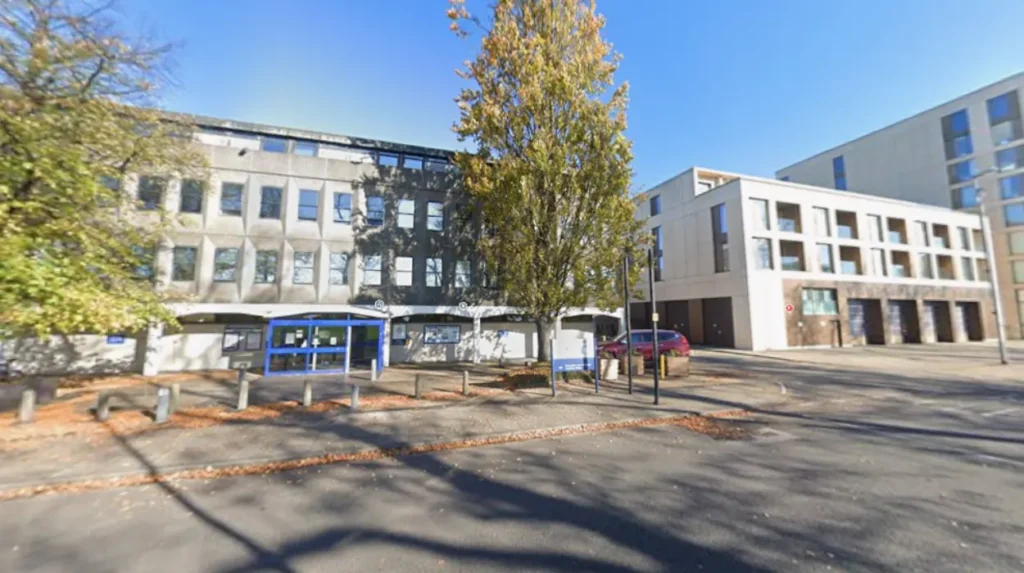
Cambridgeshire Constabulary utilizes targeted neighborhood policing teams, intelligence led operations, dynamic patrols, and multi agency community safety partnerships to reduce criminal activity and enhance public confidence across Arbury and King’s Hedges.
Neighborhood policing frameworks assign dedicated police officers and police community support officers to specific geographic sectors across northern Cambridge. Law enforcement teams collaborate with Cambridge City Council, housing associations, and youth service providers under the local Crime and Disorder Reduction Partnership framework. Policing strategies prioritize visible community presence, problem solving approaches, and immediate response protocols for priority crimes including burglary, drug distribution, and violent behavior.
Police initiatives deploy focused enforcement campaigns to target persistent criminal hot spots. Three operational methods utilized by law enforcement include stop and search powers under statutory regulations, automatic number plate recognition monitoring, and closed circuit camera surveillance installation. Officers hold regular police surgery sessions and community meetings to collect direct intelligence from residents regarding local safety priorities.
Multi agency initiatives focus on preventative measures alongside traditional law enforcement responses. Statutory bodies utilize civil enforcement tools, such as anti social behaviour injunctions and community protection notices, to manage persistent offenders. Strategic enforcement combined with structured early intervention schemes helps maintain long term community order and public safety.
What Steps Can Residents Take To Improve Home and Personal Security?
Residents enhance personal safety and property protection by implementing certified physical security measures, maintaining active natural surveillance around homes, locking doors consistently, and joining local community watch networks.
Property security assessments show that basic physical improvements significantly decrease the risk of opportunistic crime, particularly burglary and cycle theft. Homeowners and tenants utilize high security locking mechanisms certified to British Standards, external motion sensor illumination, and modern Smart visual doorbells to deter unauthorized access. Securing outbuildings, garden sheds, and side gates prevents property loss and restricts unauthorized entry to rear residential boundaries.
Bicycle security remains a priority topic for residents due to high cycling rates across Cambridge. Three recommended protection techniques include securing bikes with Sold Secure Gold approved locks, registering serial numbers on national databases, and locking frames to immovable ground anchors. Personal safety strategies involve planning well lit travel routes, avoiding unlit pedestrian pathways after dark, and keeping valuable electronic devices concealed in public spaces.
Active participation in organized neighborhood watch groups creates strong community connections that naturally deter criminal activity. Sharing security awareness information through formal neighborhood communication channels ensures rapid reporting of suspicious events to local police units.
What Future Safety Initiatives Are Planned for Arbury and King’s Hedges?
Future safety strategies for Arbury and King’s Hedges focus on Smart city monitoring technology, environmental redesign projects, expanded youth engagement facilities, and integrated council led regeneration plans.
Cambridge City Council and Cambridgeshire Constabulary are developing long term spatial strategies to improve physical safety throughout northern Cambridge. Urban regeneration plans incorporate Secure by Design principles, ensuring new architectural developments feature open sightlines, secure bike storage, and improved public lighting. Capital investments target the upgrading of public footpaths, community hubs, and commercial shopping parades to eliminate hidden access routes and boost natural surveillance.
Technology integration plays a major role in upcoming safety frameworks. Three digital tools being deployed include high definition network camera installations, real time public safety reporting applications, and smart lighting grids that brighten dynamically during peak evening hours. Local authorities are also increasing investment in community youth centers, mental health support frameworks, and educational mentoring programs to address root causes of anti social behavior.
Sustained cooperation between local government, police units, and residents forms the foundation of future safety planning. Long term investment in environmental design and social infrastructure supports stable, safe, and resilient residential communities across both wards.
Is Arbury Cambridge a safe place to live?
Arbury is generally considered a safe, residential area with moderate crime rates that align with national urban averages across England. Most recorded incidents involve bicycle theft, anti-social behavior, or petty property crime rather than violent acts. Local policing and active community groups help maintain stable safety conditions throughout the neighborhood.
What are the main crime issues in King’s Hedges?
The primary reported crimes in King’s Hedges include bicycle theft, anti-social behavior, shoplifting, and minor drug-related offences. While overall crime rates reflect typical urban baselines, local authorities continuously target specific hot spots with increased police patrols and community monitoring programs.
How do police handle anti-social behavior in North Cambridge?
Cambridgeshire Constabulary addresses anti-social behavior through dedicated neighborhood policing teams, high-visibility foot patrols, and joint initiatives with Cambridge City Council. Officers utilize community protection notices, civil injunctions, and targeted youth outreach programs to manage and reduce disruptions effectively.
Are bicycle theft rates high in Arbury and King’s Hedges?
Bicycle theft occurs regularly across Cambridge, including Arbury and King’s Hedges, due to the high volume of cyclists in the city. Residents can minimize risk by using Sold Secure Gold locks, locking frames to permanent racks, and registering bikes on national property databases.
Where can residents report non-emergency safety concerns in Cambridge?
Residents can report non-emergency incidents or suspicious activity to Cambridgeshire Constabulary online via their official portal or by calling 101. For immediate emergencies involving danger to life or active crime, individuals must always call 999.