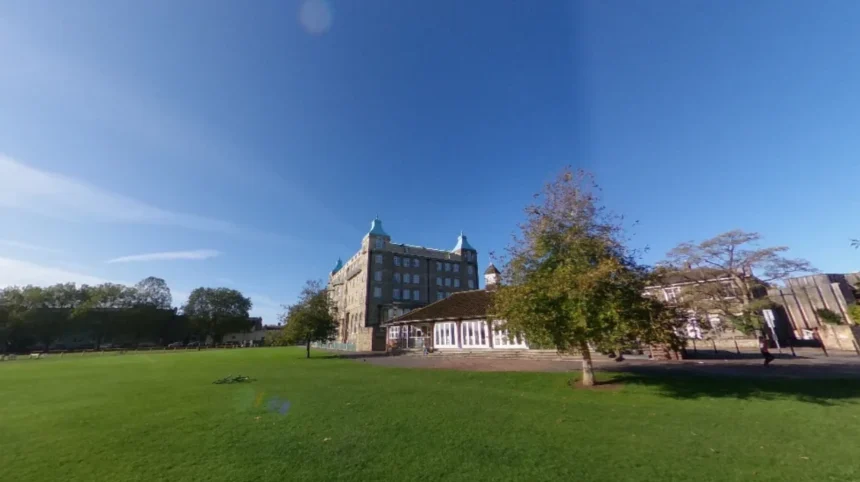
Secret green spaces and parks in Cambridge refer to lesser-known public outdoor reserves, historic gardens, urban meadows, and protected ecological sites located away from heavy tourist traffic across the city and surrounding Cambridgeshire district.
- What Defines a Hidden Green Space in Cambridge?
- Why Are Lesser Known Parks Important for Urban Biodiversity?
- How Do Historic Estate Gardens Offer Quiet Alternatives to Central Commons?
- What Role Do Local Nature Reserves Play in Environmental Protection?
- Where Can Visitors Find Quiet Riverfront Walks Away from Punting Crowds?
- Which Chalk Hills and Country Parks Provide Scenic Vistas Near Cambridge?
- How Should Visitors Access and Enjoy These Protected Sites Responsibly?
- What are the best hidden nature reserves to visit near central Cambridge?
- Are hidden green spaces in Cambridge free to enter for the public?
- Where can I walk my dog off-lead in Cambridge green spaces?
- What is the best time of year to visit Cambridge chalk hills and meadows?
- How do conservation groups maintain historic green spaces in Cambridge?
Cambridge contains over eight hundred hectares of public open spaces managed by Cambridge City Council and local conservation charities.
While major central spots like Parker’s Piece attract dense crowds, quiet sanctuaries offer biodiverse habitats, historic landmarks, and peaceful natural environments. These locations preserve native British flora, support local wildlife populations, and provide tranquil urban escapes.
What Defines a Hidden Green Space in Cambridge?
A hidden green space in Cambridge is defined as an uncrowded natural area featuring distinct historical, ecological, or architectural characteristics located outside the primary tourist circuits.
These locations differ significantly from high-traffic central parks through reduced visitor density, specialized habitats, and unique management models.
Many sites operate under protection from conservation groups like Cambridge Past, Present & Future or the Wildlife Trust for Bedfordshire, Cambridgeshire and Northamptonshire. They incorporate native species, ancient chalk landscapes, and preserved riverbanks that retain authentic regional ecology.
Historical development plays a central role in establishing these spaces. Several sites originate from 19th-century private estates, medieval common grazing lands, or former agricultural plots preserved during urban expansion.
Examples include Bramblefields Local Nature Reserve, Paradise Local Nature Reserve, and Coldham’s Common. Understanding these designations clarifies how urban planning protects green corridors across Cambridgeshire.
The strategic ecological layout of these sites preserves urban biodiversity. Designated local nature reserves safeguard wetland marshland, ancient woodland, and calcareous grassland habitats. These microclimates foster thriving populations of kingfishers, daubenton’s bats, and rare wildflowers. Protecting these locations prevents urban heat island effects while offering structured recreational paths for local residents.
Why Are Lesser Known Parks Important for Urban Biodiversity?
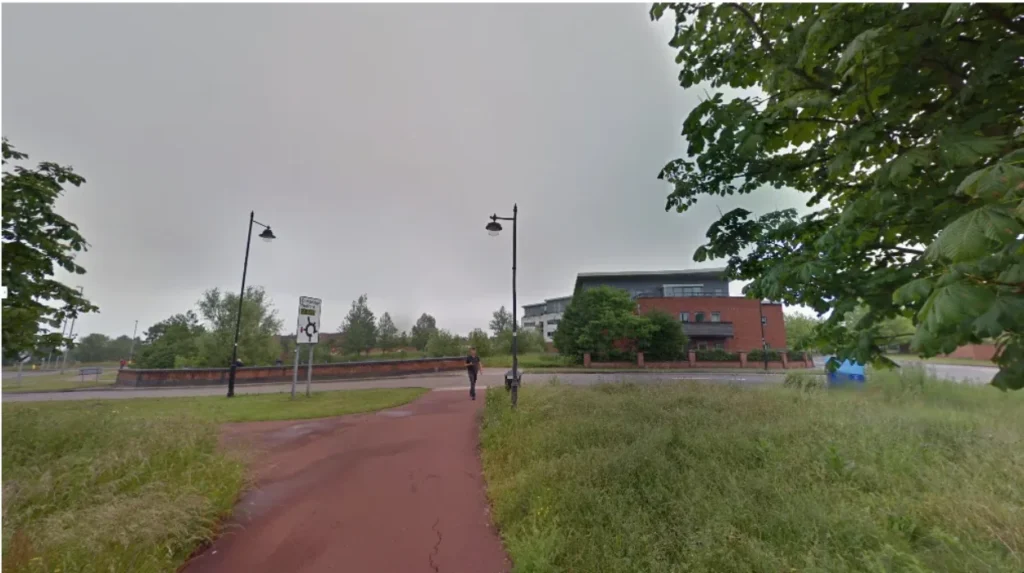
Lesser known parks support urban biodiversity by creating essential ecological corridors, preserving rare microclimates, and protecting vulnerable plant and animal species from urban development.
Urban green spaces act as biodiversity hotspots that connect isolated natural habitats across Cambridgeshire. Small reserves reduce habitat fragmentation by providing stepping stones for migratory birds, insects, and small mammals. Unmanaged hedge lines, seasonal floodplains, and unpaved walking routes encourage natural species migration without human interference.
Statistical ecological assessments demonstrate that undisturbed urban parks host significantly higher species richness than heavily manicured grounds. Unmown grasslands allow native wildflowers like orchids, knapweed, and oxeye daisies to bloom, which directly increases wild bee and butterfly populations. Protecting diverse plant structures creates stable food webs necessary for urban avian and bat species.
These reserves also provide essential ecosystem services, including rainwater absorption, air filtration, and flood mitigation. Unpaved soils and wetland basins absorb excess surface runoff along the River Cam basin during heavy rainfall. Maintaining these natural drainage areas reduces localized flooding while cooling urban microclimates through natural evapotranspiration processes.
How Do Historic Estate Gardens Offer Quiet Alternatives to Central Commons?
Historic estate gardens offer quiet alternatives by pairing secluded 19th-century landscape design with regulated public access away from busy city pathways.
historic estate grounds feature structured layouts, mature tree canopies, and protected perimeter walls that block surrounding city noise. Unlike central commons, these sites retain original Victorian landscape elements, ornamental lakes, and native woodland plantings designed for quiet recreation.
Cherry Hinton Hall park exemplifies this historic estate structure, featuring a manor house built in 1839 for surgeon John Okes. The surrounding fifteen-hectare grounds include mature grounds, natural water springs, and broad tree lines. Similarly, Madingley Hall Gardens features historic parkland designed by Capability Brown in the 18th century, providing broad vistas and secluded garden walks.
Visiting estate gardens allows visitors to study historical horticulture while enjoying serene environments. The presence of century-old oak, beech, and weeping willow trees creates shady canopy coverage ideal for wildlife nesting. Controlled access points and residential boundaries keep foot traffic significantly lower than central university lawn spaces.
What Role Do Local Nature Reserves Play in Environmental Protection?
Local nature reserves protect Cambridge environments by conserving vulnerable wetland, woodland, and grassland ecosystems under formal statutory legal protections.
Statutory Local Nature Reserves are legally designated under the National Parks and Access to the Countryside Act 1949. This legal status protects specific sites from commercial development and imposes environmental management requirements on local councils. These areas focus strictly on wildlife conservation, habitat restoration, and environmental research.
Paradise Local Nature Reserve, situated along the western bank of the River Cam, represents a critical wet woodland habitat. The reserve contains ancient willow carr, marshland plants, and quiet boardwalk paths that allow visitors to observe nature without disturbing sensitive soils. Examples of conserved reserves include Barnwell Local Nature Reserve and Byron’s Pool.
Environmental management strategies in these reserves involve controlled habitat maintenance. Conservation teams manage invasive plant species, maintain water levels, and clear deadwood to support saprophytic fungi and beetle species. These actions maintain environmental stability while offering educational opportunities for school groups and researchers.
Where Can Visitors Find Quiet Riverfront Walks Away from Punting Crowds?
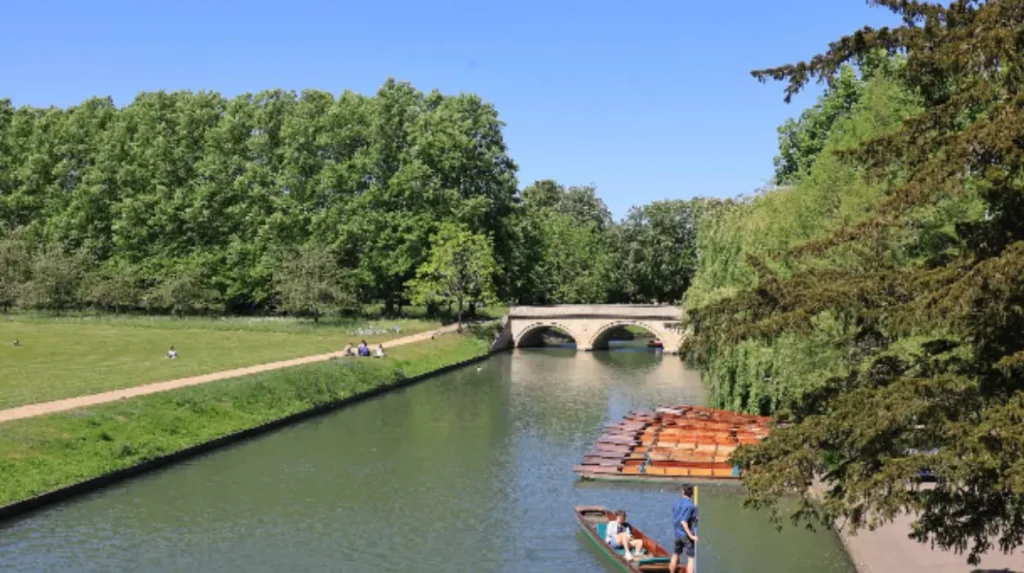
Visitors find quiet riverfront walks by following southern and eastern stretches of the River Cam past main university college grounds.
Central riverfront locations experience heavy punting congestion and dense pedestrian crowds during peak tourist seasons. Moving upstream or downstream along the River Cam reveals tranquil riverside pathways flanked by willow trees, floodplain meadows, and historic drainage features.
Coe Fen and Sheep’s Green, located south of Peterhouse and the Fitzwilliam Museum, offer peaceful riverfront paths. These adjacent meadow spaces feature grazing cattle, historic footbridges, and Hodson’s Folly, a stone shelter constructed in 1887. Walking further south leads directly to Grantchester Meadows, a fifty-acre meadow managed for environmental conservation.
Navigating these quieter riverbanks reveals historic waterways and traditional land management techniques. The absence of motorized boat traffic upstream of Jesus Lock maintains quiet conditions along the water. Visitors can observe grey herons, kingfishers, and aquatic mammals along undisturbed natural banks.
Which Chalk Hills and Country Parks Provide Scenic Vistas Near Cambridge?
Chalk hills and country parks offer scenic vistas through elevated chalk landscapes, ancient woodlands, and broad meadow trails located south of Cambridge.
The southern perimeter of Cambridge transitions into the Gog Magog Hills, a unique chalk landform rising above the flat Cambridgeshire fenlands. These elevated sites provide expansive rural views, unique chalk grassland flora, and rich archaeological heritage dating back thousands of years.
Wandlebury Country Park covers one hundred fifty acres of woodland, wildflower meadows, and historic orchard grounds atop the chalk ridges. The park encloses Wandlebury Ring, an Iron Age hillfort site surrounded by ancient beech avenues. Nearby Coton Countryside Reserve spans three hundred fifty acres of farmland and restored natural habitats, providing structured walking paths.
Exploring chalk landscapes reveals specialized plant species that thrive exclusively in alkaline soils. Wild thyme, marjoram, and rare native orchids colonize these elevated chalk grasslands. The open elevation and expansive trial networks offer refreshing outdoor walking routes away from urban building density.
How Should Visitors Access and Enjoy These Protected Sites Responsibly?
Visitors should access protected sites responsibly by adhering to leave-no-trace principles, keeping dogs on leads, and using established walking trails.
Responsible visiting practices protect fragile ecosystems from soil erosion, litter accumulation, and wildlife disturbance. Designated nature reserves rely on visitor compliance to maintain habitat integrity and protect breeding animal populations throughout spring and summer months.
Key operational guidelines include staying on designated gravel or timber boardwalk paths to prevent trampling rare flora. Visitors must pack out all waste, refrain from picking wild flowers, and follow specific site rules regarding pet access. At Wandlebury Country Park and Coton Reserve, parking charges directly support non-profit conservation efforts.
Planning visits around off-peak hours early in the morning or late in the afternoon further minimizes environmental strain. Utilizing public footpaths like the Chisholm Trail or cycling routes reduces traffic emissions around rural reserves. Following these standard guidelines preserves Cambridge green spaces for future generations.
What are the best hidden nature reserves to visit near central Cambridge?
Paradise Local Nature Reserve and Coe Fen offer tranquil nature walks within short walking distance of the city centre. These sites feature wet woodlands, river views, and diverse wildlife habitats away from major tourist routes.
Are hidden green spaces in Cambridge free to enter for the public?
Most public parks, nature reserves, and meadows in Cambridge are completely free to enter year-round. Certain sites like Wandlebury Country Park charge small parking fees that directly fund charitable conservation work.
Where can I walk my dog off-lead in Cambridge green spaces?
Many open commons allow dogs, but nature reserves generally require dogs to remain on short leads to protect wildlife and grazing cattle. Wandlebury Country Park features a dedicated fenced dog run for off-lead exercise.
What is the best time of year to visit Cambridge chalk hills and meadows?
Spring and early summer offer the best conditions for viewing blooming wildflowers, native orchids, and active bird species. Early autumn also provides clear views across the Gog Magog Hills as woodland leaves change colour.
How do conservation groups maintain historic green spaces in Cambridge?
Charities like Cambridge Past, Present & Future work with local councils to execute habitat management plans. Their work includes coppicing woodland, clearing invasive weeds, repairing walking paths, and managing seasonal livestock grazing.