
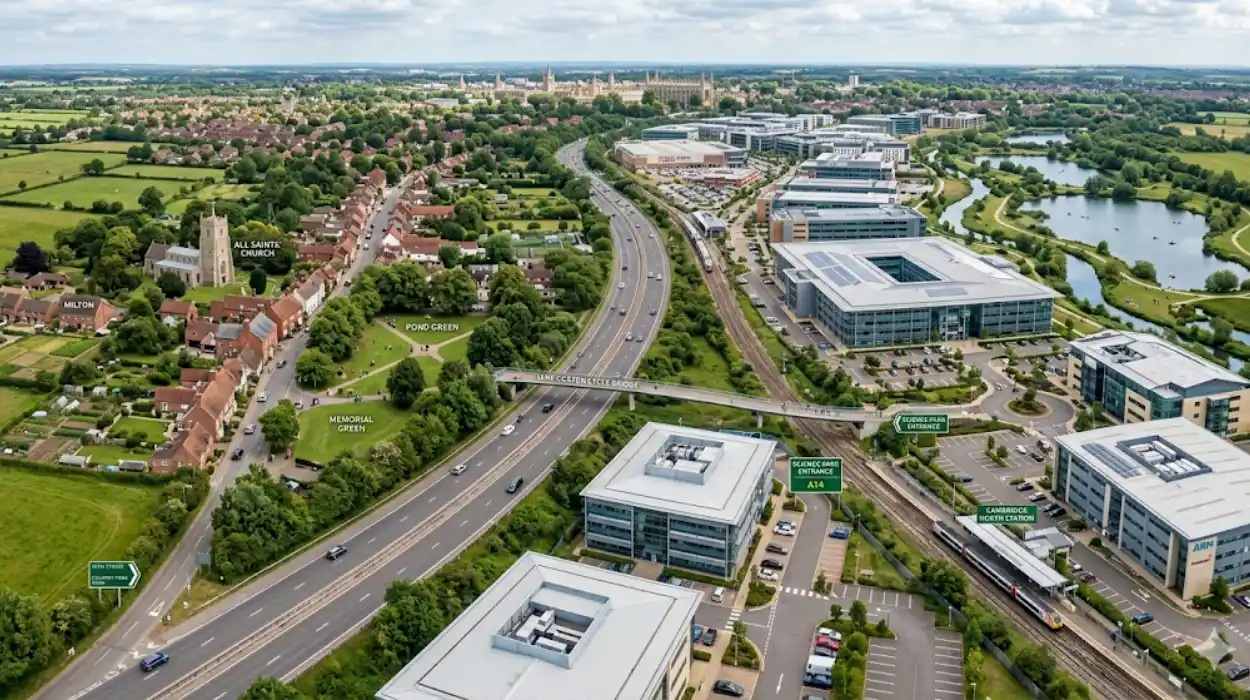
Milton, a quaint village just north of Cambridge across the A14, embodies the tension between traditional village life and encroaching industrial expansion. Once a sleepy rural settlement, it now grapples with the influences of nearby high-tech industries and logistics hubs, shaping its identity in profound ways. This evergreen exploration delves into the contrasts, benefits, challenges, and future outlook for residents weighing these lifestyles.
Historical Roots of Milton Village
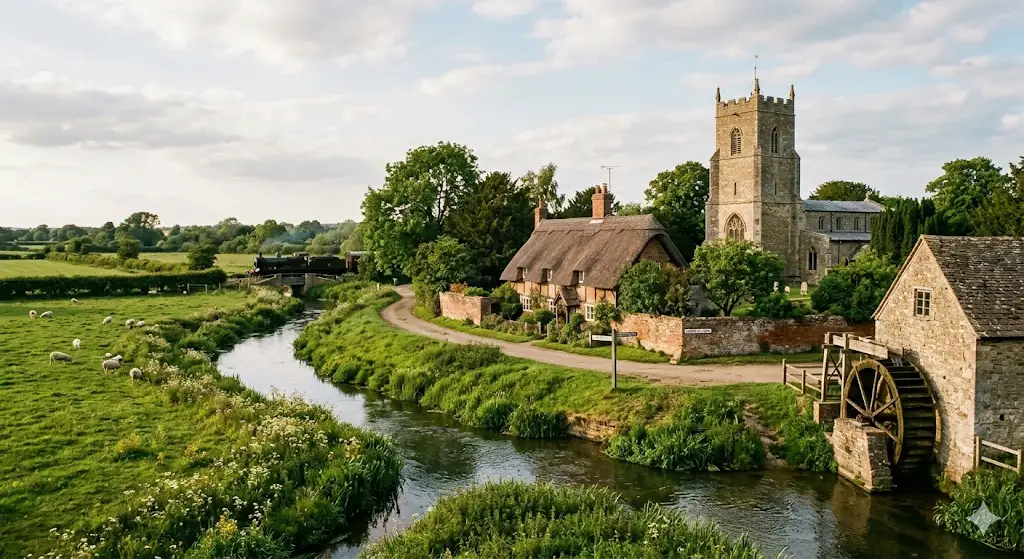
Milton’s story begins centuries ago as a classic English village centered around agriculture and community ties. Records trace its origins to the Domesday Book of 1086, where it appears as a modest farming hamlet with watermills along the River Cam. Over time, thatched cottages, a historic church dating back to the 11th century, and winding lanes defined its character, fostering a close-knit population that valued self-sufficiency and seasonal rhythms.
By the 19th century, Milton remained largely unchanged, serving as a breadbasket for Cambridge with its fertile lands supporting dairy farming and market gardens. The arrival of the railway in the mid-1800s brought minor stirrings of modernity, but the village retained its pastoral essence. Families passed down homes like the 17th-century cottage at 2 Church Lane, symbols of enduring village heritage. This historical fabric continues to attract those seeking respite from urban haste, offering a tangible link to England’s rural past.
The preservation of green spaces, such as Milton Country Park, underscores this legacy. Spanning 100 acres of former gravel pits transformed into wetlands and woodlands, the park provides walking trails and wildlife habitats that echo the village’s agrarian soul. Residents cherish these areas for their tranquility, where birdwatching and picnics replace the grind of city commutes.
Defining Village Life in Milton
Village life in Milton revolves around simplicity, community, and nature’s pace. With a population hovering around 4,300, the settlement maintains a scale that encourages neighborly interactions at local events like the annual village fete or church bake sales. Daily routines often include strolls to the high street’s small parades, featuring a One Stop convenience store, bakery, florist, and Indian takeaway essentials that sustain without overwhelming.
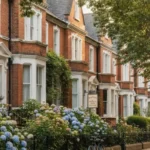
Housing in the older core consists of charming period properties, from Victorian terraces to modernized farmhouses, blending affordability with character. Average prices here range lower than Cambridge city center, appealing to families and retirees who prioritize space over spectacle. Gardens burst with home-grown produce, and children play freely in cul-de-sacs, evoking a bygone era of safety and familiarity.
Proximity to the River Cam enhances this idyllic setting. Riverside paths invite cycling and boating, while the country park hosts biodiversity that draws nature lovers year-round. Schools like Milton CofE Primary perform well, instilling values of community service alongside academics. For many, this lifestyle means lower stress levels, with air quality superior to urban zones and noise limited to birdsong rather than traffic.
Yet, village life demands adaptation. Limited nightlife means evenings center on pub quizzes at The Black Bull or home-cooked meals. Public transport via the Guided Busway connects to Cambridge in under 15 minutes, balancing isolation with accessibility. This hybrid appeals to remote workers in Cambridge’s tech scene who crave evenings in peaceful surroundings.
Rise of Industry Near Milton
Milton’s industrial footprint emerged prominently in the late 20th century, fueled by Cambridge’s “Silicon Fen” phenomenon. The A14 corridor positioned the village as a logistics gateway, with developments like the Waterbeach New Town and nearby business parks drawing warehouses and distribution centers. Tesco’s superstore at the village’s southern edge, opened in the 1990s, marked an early shift, employing locals and anchoring retail while sparking debates over commercialization.
High-tech industries followed, leveraging Cambridge’s university-driven innovation cluster. Companies in biotech, semiconductors, and AI think Arm Holdings’ influence spill over into Milton’s periphery, creating jobs in manufacturing and R&D. The Cambridge Biomedical Campus and nearby Science Parks employ thousands, with Milton serving as a dormitory for shift workers. Logistics firms exploit the A14 for nationwide distribution, turning fields into concrete.
This growth doubled the population between 1986 and 1991 through housing estates, integrating suburban sprawl with industrial zones. Today, facilities like recycling centers and petrol stations at Tesco support this economy, while planned expansions promise more. Government sites highlight Cambridgeshire’s strategy to balance growth with infrastructure, including busway enhancements.
Industry brings tangible benefits: employment rates exceed regional averages, with roles in warehousing paying competitive wages. Young professionals find opportunities without relocating to pricier Cambridge, fostering economic vitality.
Economic Impacts on Residents
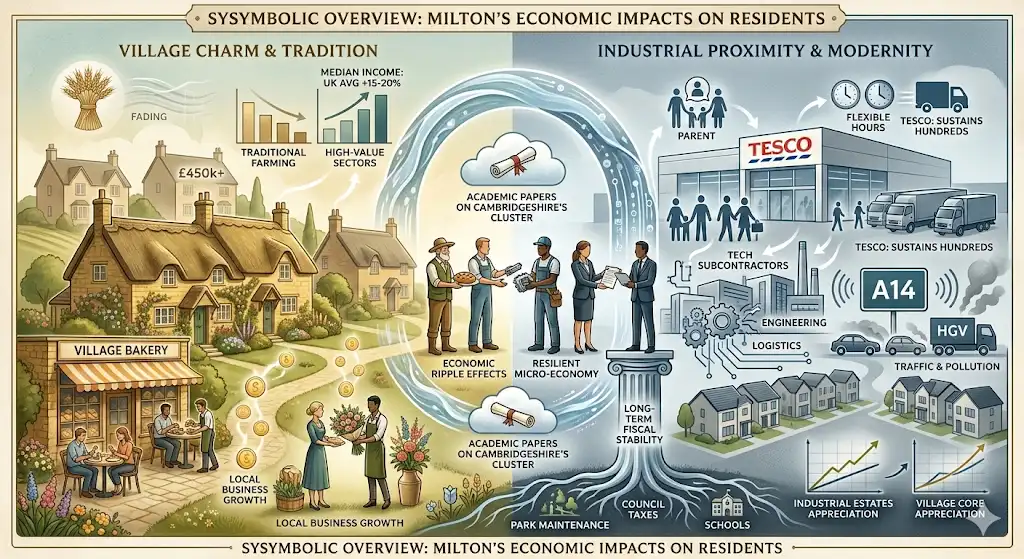
The interplay of village charm and industrial proximity reshapes Milton’s economy in multifaceted ways. Traditional farming has dwindled, replaced by high-value sectors where median incomes surpass the UK average by 15-20%. Tesco alone sustains hundreds, offering flexible hours ideal for parents, while tech subcontractors provide skilled positions in engineering and logistics.
Property values reflect this duality. Village core homes appreciate steadily at 4-6% annually, driven by scarcity, whereas estates near industrial zones see faster gains from commuter demand. First-time buyers favor Milton for its value—detached houses average £450,000 versus Cambridge’s £600,000 yet industrial expansion risks inflating this further.
Challenges persist. Heavy goods vehicles on the A14 generate noise and pollution, contrasting village serenity. Traffic congestion peaks during shifts, prompting calls for better road management from parish councils. Still, economic ripple effects bolster local shops; the bakery thrives on worker lunches, and the florist benefits from corporate events.
Long-term, industry secures fiscal stability. Council taxes fund park maintenance and schools, ensuring village amenities endure. Academic papers on Cambridgeshire’s cluster note how such villages buffer urban overflow, creating resilient micro-economies.
Quality of Life Contrasts
Village life prioritizes well-being, with lower crime rates petty incidents pale against Cambridge’s urban stats and abundant green space reducing mental health strains. Residents report higher life satisfaction scores in surveys, attributing this to social cohesion and outdoor access. Milton Country Park’s trails lower obesity rates, as families cycle daily.
Industry introduces trade-offs. Shift work disrupts sleep patterns, and diesel fumes elevate respiratory issues near the A14. However, job security mitigates financial stress, a key happiness factor. Commuters enjoy village evenings, returning to quiet homes after city buzz.
Healthcare access shines: Addenbrooke’s Hospital lies minutes away, world-renowned for its biotech ties. Schools integrate industrial history into curricula, preparing children for diverse careers. Socially, pubs host industry mixers, bridging rural and worker communities.
Environmentally, tensions mount. Village advocates push for tree buffers against warehouses, while industry funds solar initiatives. Overall, Milton scores high on work-life balance indices for Cambridgeshire villages.
Real Estate Trends in Milton
Milton’s property market thrives on its village-industry nexus. Demand from Cambridge tech workers drives a 10% yearly rise in rentals, with two-bedroom homes fetching £1,400 monthly. Buyers seek estates like Impington for modernity, balancing proximity to jobs with village schools.
Developments like the 1980s estates exemplify growth, now modernized with energy-efficient upgrades. Historic properties command premiums, appealing to downsizers. Estate agents note 20% of sales to London relocators, drawn by remote work trends post-2020.
Future supply includes Waterbeach expansions, potentially adding 8,000 homes, pressuring Milton’s market. Investors eye industrial-adjacent plots for buy-to-let, predicting sustained appreciation.
Sustainability influences choices: New builds incorporate EV chargers, aligning with Cambridge’s green tech ethos. For families, village life wins for space; professionals lean industrial for convenience.
Community and Social Dynamics
Milton’s community pulses with duality. Village fetes unite old-timers and newcomers, while industry workers form sports clubs at the recreation ground. The parish council mediates disputes, advocating for sound barriers and cycle paths.
Diverse demographics enrich interactions: retirees share folklore with young engineers from global firms. Schools foster inclusion, with programs linking pupils to local biotech for STEM days.
Challenges include cultural clashes village quiet versus lorry hum but events like the Country Park festival build bridges. Social media groups like “Living in Milton” discuss everything from potholes to pub recommendations, amplifying voices.
This fabric strengthens resilience, turning potential friction into collaborative progress.
Environmental Considerations
Milton’s landscape bears industry’s mark. Former gravel pits now thrive as wetlands, but warehouse sprawl threatens biodiversity. The River Cam risks pollution from runoff, prompting Environment Agency monitoring.
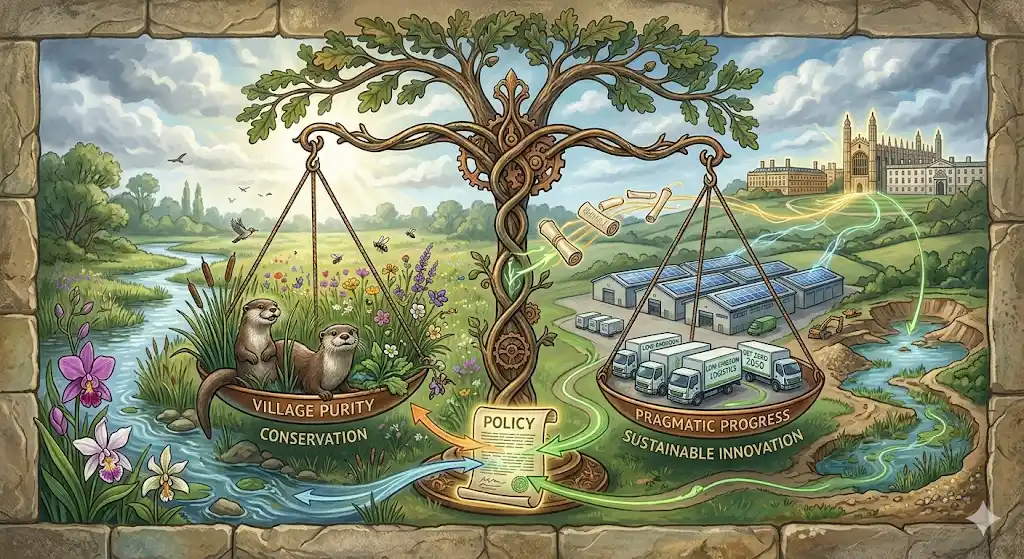
Village efforts counter this: community orchards and wildflower meadows enhance habitats. Milton Country Park exemplifies restoration, hosting rare orchids and otters.
Industry responds with green pledges solar-paneled roofs and electric fleets aligned with UK net-zero goals. Research from Cambridge University highlights such clusters’ role in sustainable innovation, like low-emission logistics.
Residents weigh these: village purity versus pragmatic progress. Future hinges on policy balancing growth with conservation.
Future Outlook for Milton
Looking ahead, Milton navigates expansion thoughtfully. Waterbeach New Town promises 16,000 jobs, boosting industry while straining infrastructure. Cambridge‘s tech boom, with unicorns like Arm, ensures demand for housing and labor.
Village preservationists eye green belts, advocating mixed-use zones. Government plans via the Cambridgeshire Autonomous Metro target congestion, enhancing busway links.
By 2035, population may hit 6,000, blending lifestyles seamlessly. Tech-driven villages like Milton model UK’s “levelling up,” where rural roots fuel innovation.
Navigating the Choice Today
Residents choose based on priorities: village life for soul-nourishing calm, industry for opportunity-laden dynamism. Many embrace both, commuting mornings and unwinding evenings by the Cam. Milton proves these worlds coexist, offering a blueprint for sustainable evolution in Cambridgeshire‘s heart.