

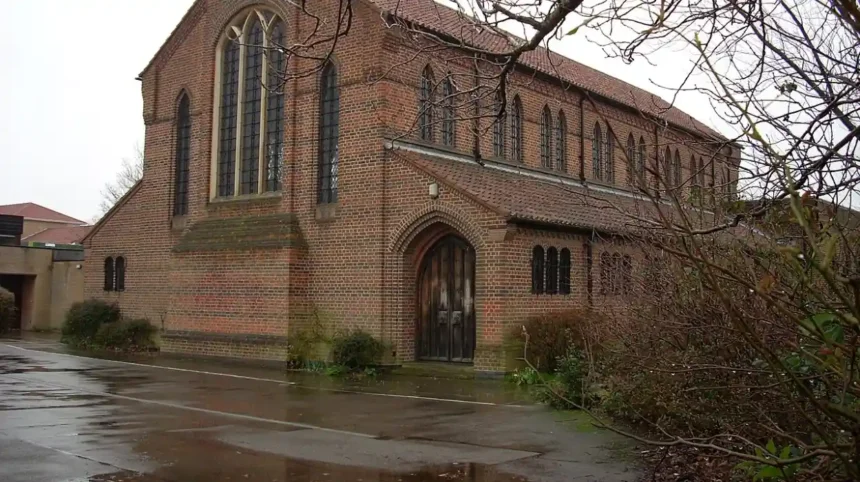
Arbury Court is a central commercial and residential hub located in the Arbury ward of North Cambridge. It serves as a vital community landmark that includes local retail units, a library, and residential apartments managed by the Cambridge City Council. The site is currently the focus of a major regeneration project under the North Cambridge Framework for Change. This strategic vision aims to modernize aging infrastructure and improve the quality of housing for local residents. The primary challenge involves balancing modern urban redevelopment with the necessity of maintaining low cost living options for existing tenants and business owners.
- Why is Arbury Court being redeveloped by the council?
- How will the North Cambridge Framework for Change impact housing?
- Will existing residents be able to afford the new homes?
- How does the council maintain affordable retail spaces for traders?
- Can Arbury Court stay affordable as North Cambridge is redeveloped?
- What are the key components of the Arbury Court masterplan?
- What data supports the need for North Cambridge regeneration?
- How does the redevelopment process protect the local environment?
- What are the future implications for the Arbury community?
Why is Arbury Court being redeveloped by the council?
Arbury Court is undergoing redevelopment to address structural failures, safety risks, and poor living conditions in existing council homes. Cambridge City Council determined that refurbishment was financially unviable compared to a full reconstruction of the residential and commercial retail units.
The residential blocks at Arbury Court consist of aging flats that suffer from chronic damp, mould, and structural degradation. These buildings no longer meet modern energy efficiency standards or safety regulations for high density social housing. The council conducted surveys showing that the cost of repairing these units would exceed the cost of building new, sustainable homes. By rebuilding the site, the local authority aims to provide a safer environment that reduces energy costs for low income families.
This regeneration project is part of the Framework for Change, a corporate vision established in September 2024. This framework coordinates investment across North Cambridge to improve parks, streets, and community facilities. The plan for Arbury Court involves the demolition of 149 council flats and several privately owned properties. In their place, the council intends to build over 200 new homes, with a significant portion designated as council housing. This transition is essential for ensuring the long term survival of the community infrastructure in North Cambridge.
How will the North Cambridge Framework for Change impact housing?
The North Cambridge Framework for Change impacts housing by replacing dilapidated structures with modern, sustainable units. The framework mandates that redevelopment projects prioritize the delivery of high quality council homes while introducing some private market units to fund the work.
The framework establishes a design led strategy for regeneration across Arbury, King’s Hedges, and West Chesterton. One of its primary objectives is to ensure that new developments contribute to a diverse housing mix. At Arbury Court, the proposed plan includes a split of approximately 100 new council homes and 100 private homes. This approach allows the council to leverage private investment to subsidize the construction of affordable social housing. The new buildings will adhere to the Cambridge Neighbourhoods Design Code to ensure they fit the local character.
Sustainability is a core component of this impact. The new homes are designed to be highly energy efficient, which directly affects affordability by lowering monthly utility bills for residents. The framework also identifies opportunity areas for small scale infill improvements and retrofitting of existing estates. By focusing on these areas, the council aims to increase the total number of residents in the area without displacing the existing community. The ultimate goal is to create a more inclusive and resilient neighborhood through targeted investment.
Will existing residents be able to afford the new homes?
Existing council tenants can afford the new homes because they retain their right to return at social rent levels. The council provides financial compensation and priority bidding status to ensure that redevelopment does not result in the permanent displacement of the community.
Cambridge City Council has implemented a support system for residents affected by the Arbury Court project. Council tenants are granted the highest priority on the Home Link bidding system, allowing them to move into other council properties during construction. Each household is eligible for a home loss payment, which was set at 8100 GBP in 2025, plus additional moving expenses. When the new development is complete, these tenants have the legal right to return to a new home on the site.
Homeowners in the redevelopment zone also receive support to ensure they are not priced out of the area. The council offers to purchase private properties at market rates, supplemented by a 10 percent statutory compensation payment for owner occupiers. For those who wish to stay but find new build prices too high, the council considers shared equity options. These financial mechanisms are designed to preserve the social fabric of Arbury by allowing long term residents to remain in their neighborhood regardless of market fluctuations.
How does the council maintain affordable retail spaces for traders?
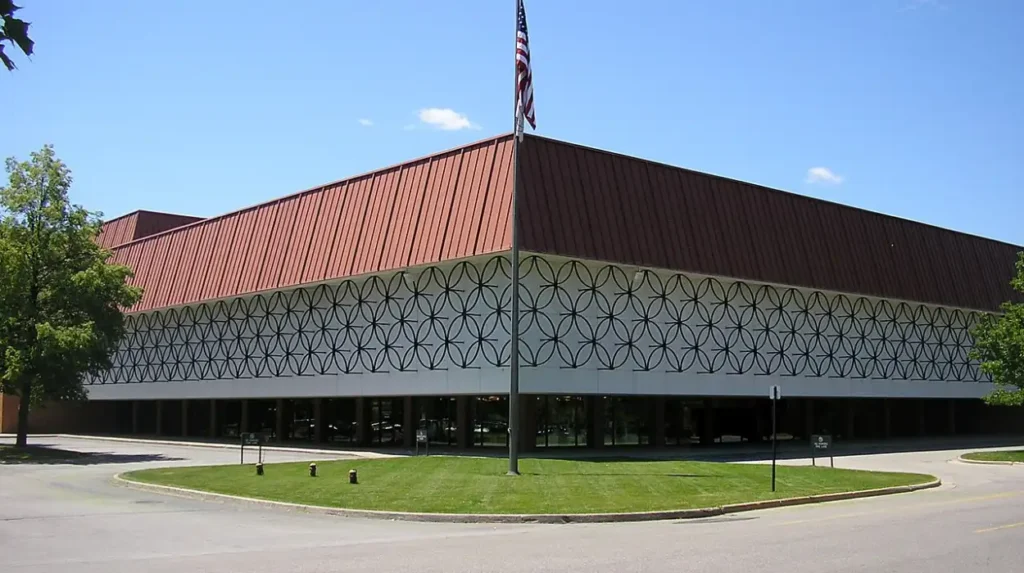
The council maintains affordable retail spaces by constructing new commercial units specifically for existing traders. These business owners are not required to move until the new facilities are completed, ensuring a seamless transition and continuity of trade.
Small businesses at Arbury Court are essential to the local economy and provide accessible services to the neighborhood. The redevelopment plan includes a commitment to keeping existing traders within the new town centre. New commercial units will be built first, allowing businesses to move directly from their old premises into modern spaces. This prevents the loss of income that would occur if shops were forced to close during the demolition and construction phases of the project.
Affordability for these traders is managed through bi monthly meetings between the council and local business owners. These discussions focus on rent structures and lease terms that allow independent shops to remain competitive. By integrating the library and other community facilities into the new retail hub, the council increases footfall for these businesses. This synergy between public services and private retail helps stabilize the local economy and ensures that Arbury Court remains a functional town centre for all residents.
Can Arbury Court stay affordable as North Cambridge is redeveloped?
Arbury Court can stay affordable if the council adheres to its 50 percent affordable housing target and provides robust financial support. Long term affordability depends on the successful implementation of social rent protections and energy efficient building designs.
The success of the redevelopment hinges on the Greater Cambridge Local Plan and its policies on housing mix. Policy 45 of the local plan requires a high percentage of affordable housing in new developments to meet the needs of a growing population. For Arbury Court, the plan to build an equal number of council and private homes is the primary mechanism for maintaining affordability. As long as these new council homes are managed under social rent structures, the site will remain accessible to low income residents.
Future relevance also depends on the integration of public spaces and transport links. The plan includes a new park, play areas, and improved pedestrian paths to connect Arbury Court with the rest of North Cambridge. These improvements enhance the quality of life without increasing the direct cost of living for residents. By creating a community centered environment that prioritizes social housing, the council aims to prove that urban regeneration and affordability can coexist. The final planning application for Arbury Court is targeted for autumn 2026, which will define the exact details of these protections.
What are the key components of the Arbury Court masterplan?
The key components of the Arbury Court masterplan include the demolition of failing blocks, the construction of mixed tenure housing, and the creation of a central park. It also features a relocated library and upgraded retail units.
The masterplan is divided into distinct phases to minimize disruption to the local community. Phase one focuses on building new residential units and commercial spaces on underutilized land near the current site. This allows the current park and shops to remain open while the new infrastructure is under construction. Once the first phase is finished, the old buildings will be demolished to make room for the second phase of development. This staggered approach is a critical component of the council’s strategy to maintain community stability.
Another component is the focus on healthy movement and easy connections. The plan removes barriers to walking and cycling, making it easier for residents to access the North Cambridge Academy and local services. The new park will be situated closer to the shops to increase safety and reduce antisocial behavior through natural surveillance. These design choices aim to create a “Community Centered Arbury Court” that serves as a model for future estate regeneration projects in the United Kingdom.
What data supports the need for North Cambridge regeneration?
Data from the 2021 Census and council housing surveys show that North Cambridge has a higher density of aging social housing and lower energy efficiency ratings. These statistics highlight the urgent need for investment to prevent further decay.
The population of Cambridge is projected to reach 150,000 by 2031, placing immense pressure on the existing housing stock. In North Cambridge, many council estates were built over 50 years ago and have reached the end of their functional lifespan. Surveys conducted by the Greater Cambridge Shared Planning service identified Arbury Court as a priority area due to its underperforming commercial spaces and high maintenance costs. The 149 flats identified for demolition represent a significant portion of the local social housing that is currently unfit for modern habitation.
Furthermore, the Greater Cambridge Local Plan indicates a target of 48,195 new homes by 2045 to support 73,300 new jobs in the region. North Cambridge is a strategic urban location for this growth because of its proximity to the Science Park and transport hubs. By increasing the density of housing at Arbury Court from 149 units to over 200, the council is maximizing land use in a sustainable way. This data driven approach ensures that redevelopment is targeted where it can provide the most benefit to the public.
How does the redevelopment process protect the local environment?
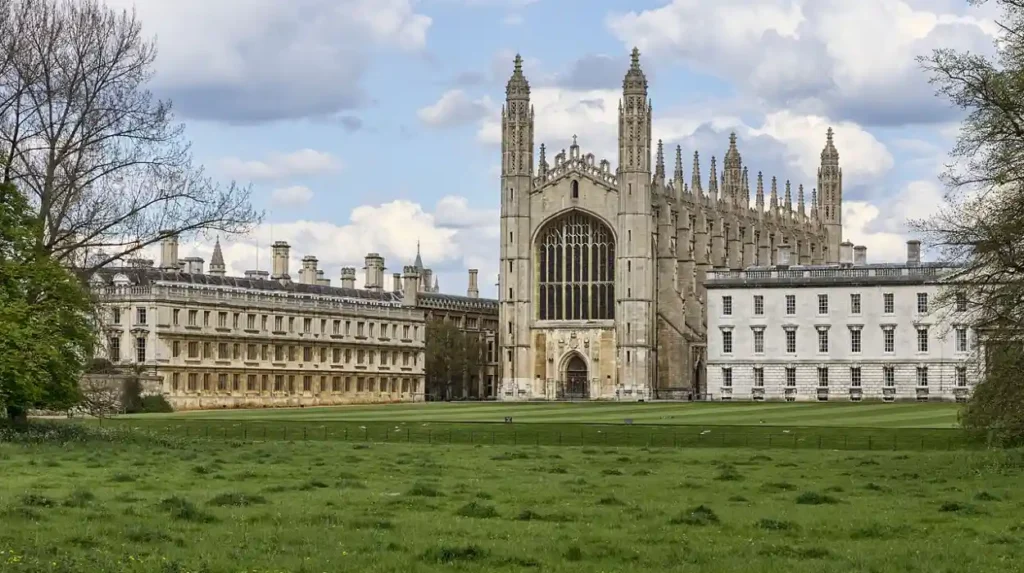
The redevelopment process protects the local environment by retaining high value trees and incorporating biodiversity net gain. New buildings must meet strict carbon reduction targets and utilize sustainable drainage systems to manage flood risks.
The Framework for Change emphasizes a greener and more usable landscape for North Cambridge. At Arbury Court, the council has pledged to keep all Category A trees, which are the most mature and ecologically valuable specimens on the site. The majority of other mature trees will also be preserved or replaced with new plantings. The relocation of the park is designed to improve the quality of green space, providing better facilities for families while enhancing the local ecosystem.
New construction must also adhere to the Cambridge Local Plan policies on climate change. This includes requirements for high levels of insulation, renewable energy sources like heat pumps or solar panels, and water efficiency measures. These features are vital for long term environmental sustainability and also serve the goal of affordability by reducing the energy demand of each household. By transforming a brownfield site into a modern, eco friendly hub, the council reduces the need for green belt development elsewhere in the city.
What are the future implications for the Arbury community?
The future implications for the Arbury community involve a transition to a more integrated, high density urban environment with better public services. This change aims to reduce social isolation and improve economic opportunities for local residents.
In the long term, the regeneration of Arbury Court will likely serve as a catalyst for further investment in North Cambridge. As the town centre becomes more attractive and functional, it may draw in new businesses and services that were previously absent from the area. The improved connectivity to the Science Park and other employment centers will make it easier for residents to access high quality jobs. However, the community must remain vigilant to ensure that these improvements do not lead to gentrification that eventually displaces low income families.
The council’s commitment to the right to return and the 50 percent affordable housing target is the primary defense against such displacement. If successful, the Arbury Court project will demonstrate that local authorities can lead large scale redevelopment that benefits existing tenants rather than just private developers. The evolution of the neighborhood will be monitored through the North Cambridge Framework for Change engagement reports. This ongoing dialogue between the council and the community is essential for ensuring that the future of Arbury remains inclusive and affordable for everyone.
Are house prices in Cambridge going down?
House prices in Cambridge remain high due to limited supply and high demand from the technology sector. While national market fluctuations occur, the city’s robust economy generally prevents significant price drops, making Arbury Court redevelopment vital for local housing affordability.
What salary do I need to buy a house in Cambridge?
To purchase a home in Cambridge, a household salary typically exceeding 80,000 GBP is required. High property values often necessitate substantial deposits, highlighting why maintaining council-led social rent options at Arbury Court is essential for lower-income residents and workers.
Is it cheaper to live in Cambridge or Oxford?
Cambridge and Oxford are both among the most expensive UK cities, with costs frequently alternating. Currently, Cambridge often sees slightly higher rental prices, which reinforces the need for affordable housing initiatives in North Cambridge to prevent total resident displacement.
Who is the most famous person from Cambridge?
Sir Isaac Newton is often cited as the most famous person associated with Cambridge. His scientific legacy, established at Trinity College, defines the city’s global reputation, a prestige that continues to drive the high property demand seen in North Cambridge.
Which celebrity studied in Cambridge University?
Numerous celebrities studied at Cambridge University, including actors Tom Hiddleston, Eddie Redmayne, and Emma Thompson. This concentration of high-profile alumni contributes to the city’s elite status, which often contrasts with the urgent need for affordable community spaces like Arbury.