

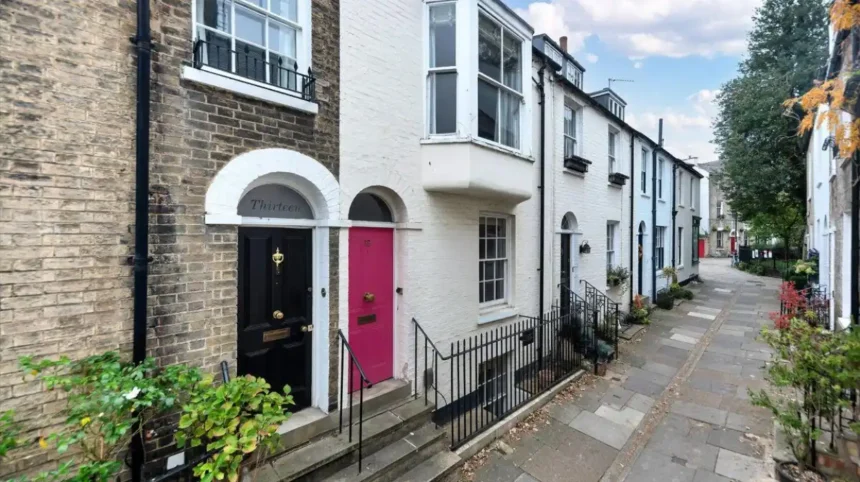
Cambridge is one of the most expensive places to live outside London. The city combines high property prices, expensive private rents, strong employment opportunities, prestigious educational institutions and a competitive housing market. Its reputation as a centre for science, technology and academic research attracts professionals, students, families and international residents.
- What Makes Cambridge an Expensive Place to Live?
- How Much Does It Cost to Rent a Property in Cambridge?
- How Much Does a One-Bedroom Flat Cost?
- How Much Does a Two-Bedroom Property Cost?
- How Much Does a Three-Bedroom House Cost?
- Which Cambridge Areas Are More Affordable for Renters?
- How Much Does It Cost to Buy a House in Cambridge?
- How Much Is Council Tax in Cambridge?
- How Much Do Utilities and Household Bills Cost in Cambridge?
- How Much Does Gas and Electricity Cost?
- How Much Does Water Cost?
- How Much Does Broadband Cost?
- What Other Household Expenses Should Residents Include?
- How Much Does Food and Grocery Shopping Cost in Cambridge?
- Where Can Residents Buy Affordable Groceries?
- How Much Should a Single Person Budget for Food?
- Is Eating Out Expensive in Cambridge?
- How Much Does Public Transport Cost in Cambridge?
- How Much Do Cambridge Bus Tickets Cost?
- Is Cycling Cheaper Than Driving in Cambridge?
- How Much Does Owning a Car Cost?
- How Much Do Salaries and Employment Opportunities Affect Cambridge Living Costs?
- How Much Does It Cost for Students to Live in Cambridge?
- What Is the University of Cambridge Living Cost Estimate?
- How Can Students Reduce Accommodation Expenses?
- How Much Money Does a Family Need to Live in Cambridge?
- What Is a Realistic Monthly Budget for Living in Cambridge?
- Is Cambridge More Expensive Than Surrounding Areas?
- How Can Residents Reduce the Cost of Living in Cambridge?
- Choose Accommodation Carefully
- Use Cycling and Public Transport
- Plan Grocery Shopping
- Monitor Household Energy Consumption
- Build an Emergency Fund
- Is Cambridge Worth the Cost of Living?
- Will Cambridge Become More Expensive to Live In?
- Final Verdict: Is Cambridge Too Expensive to Live In?
However, expensive housing does not automatically make Cambridge unaffordable for everyone. Actual living costs depend on household income, accommodation choices, commuting arrangements, family size and everyday spending habits.
Cambridge is expensive to live in, particularly for renters and first-time buyers. However, residents with competitive salaries, shared accommodation or housing outside the city centre can manage their budgets more comfortably.
This complete cost breakdown examines Cambridge housing prices, rental costs, council tax, household bills, groceries, transport, education expenses and average earnings. It also compares the financial requirements of living alone, sharing accommodation and supporting a family.
The figures use the latest available information as of November 2026 where possible. Housing and household costs are identified by their reporting periods because official statistics are published at different times.
What Makes Cambridge an Expensive Place to Live?
Cambridge is expensive because housing demand, limited accommodation availability, university activity and a strong technology economy create sustained pressure on residential costs. High property values and private rents account for much of the financial difference between Cambridge and other English cities.
Cambridge is a historic university city in Cambridgeshire, England. It is approximately 55 miles north of London and forms an important centre for education, scientific research, biotechnology and technology businesses.
The city’s economy attracts highly qualified workers, researchers, academics, international students and entrepreneurs. This creates consistent demand for residential accommodation.
Three important economic characteristics influence Cambridge’s cost of living:
- University demand: The University of Cambridge and Anglia Ruskin University attract students, researchers and academic employees who require accommodation.
- Technology employment: Cambridge has a substantial science and technology economy, including biotechnology, software development and research businesses.
- Housing competition: Demand from professionals, families and students places pressure on available rental properties and homes for sale.
The Cambridge economy also benefits from its international research reputation. Areas around Cambridge Science Park, the Biomedical Campus and the city centre attract businesses and skilled employees.
This economic activity supports employment opportunities. However, it also increases competition for housing in desirable residential locations.
How Does Cambridge Compare With Other UK Cities?
Cambridge generally has higher housing costs than many regional cities. Its average private rent is particularly significant when compared with the wider East of England and England.
According to the Office for National Statistics (ONS), the average monthly private rent in Cambridge reached £1,805 in October 2026. The corresponding East of England figure was considerably lower.
The average Cambridge house price reached approximately £474,000 in September 2026, compared with approximately £338,000 across the East of England and £273,000 across the UK.
These figures demonstrate why accommodation represents the largest financial challenge for many people considering a move to Cambridge.
How Much Does It Cost to Rent a Property in Cambridge?
Renting a property in Cambridge costs substantially more than renting in many surrounding areas. The ONS reported average monthly private rent of £1,805 in October 2026, although individual costs depend on property size, location, condition and tenancy arrangements.
Private renting is one of the biggest monthly expenses for Cambridge residents. The city attracts students and professionals who frequently compete for flats, houses and shared accommodation.
According to the ONS, Cambridge’s average monthly private rent increased from £1,774 in October 2025 to £1,805 in October 2026.
This represents an annual increase of approximately 1.7%.
The average includes different property sizes and does not represent the exact rent paid by every household.
How Much Does a One-Bedroom Flat Cost?
A one-bedroom flat is a common choice for single professionals, couples and postgraduate students.
The Cambridge City Council housing statistics recorded average monthly rent of £1,220 for a one-bedroom property in March 2025. This historical figure provides a useful property-size comparison, although it should not be treated as a November 2026 asking-rent estimate.
Actual rental prices depend on proximity to the railway station, university departments, employment locations and local amenities.
A central flat generally commands a premium because residents benefit from shorter journeys to workplaces, shops and entertainment facilities.
How Much Does a Two-Bedroom Property Cost?
Two-bedroom accommodation suits couples, small families and people sharing rental expenses.
Cambridge City Council recorded an average monthly rent of £1,571 for a two-bedroom property in March 2025.
Sharing a two-bedroom flat allows two working professionals to divide the main accommodation expense. However, tenants should also agree how they will divide council tax, utilities, internet and other household costs.
How Much Does a Three-Bedroom House Cost?
Three-bedroom houses attract families and groups of professional tenants.
The council’s March 2025 housing statistics recorded an average monthly rent of £1,855 for a three-bedroom property.
Larger homes generally cost more to rent and maintain. They also require higher energy consumption when additional rooms need heating.
The historical property-size figures demonstrate the financial difference between accommodation options.
Which Cambridge Areas Are More Affordable for Renters?
Rental affordability varies between neighbourhoods. The city centre, railway station area and locations close to major employment and university facilities attract considerable demand.
Areas worth comparing include:
- Arbury: A residential area north of the city centre with housing options and local amenities.
- Chesterton: A neighbourhood north of the River Cam with access to the city centre and local transport.
- Cherry Hinton: A residential district southeast of central Cambridge with shops, schools and community facilities.
- Kings Hedges: An established residential area with access to employment locations and transport connections.
- Trumpington: A southern Cambridge neighbourhood close to the Biomedical Campus and major transport routes.
These areas do not have one fixed rental price. Property type, street, condition and proximity to transport influence individual rents.
People searching for affordable accommodation should compare properties across several neighbourhoods rather than concentrating exclusively on central Cambridge.
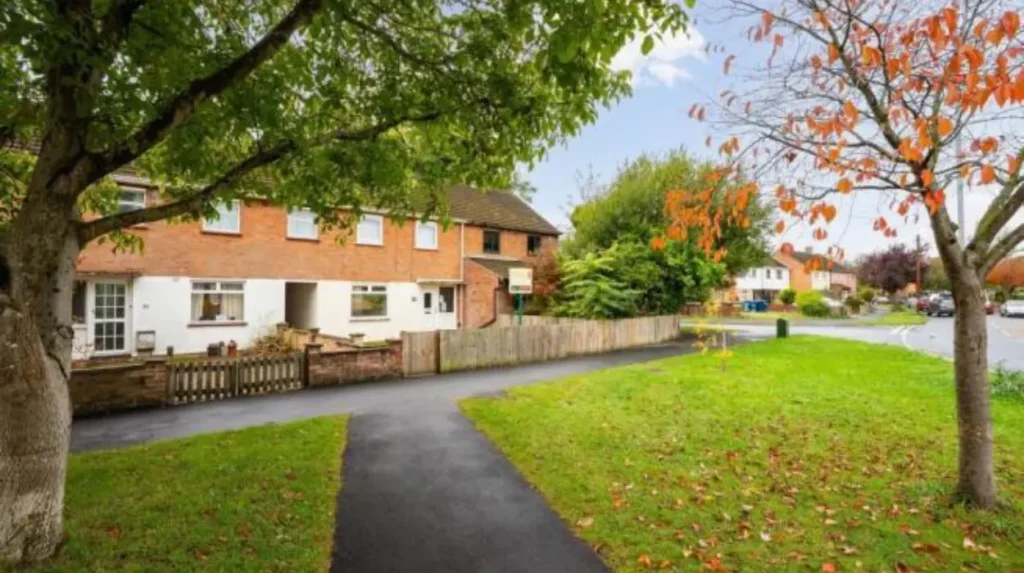
How Much Does It Cost to Buy a House in Cambridge?
Buying a house in Cambridge requires substantial savings because property prices exceed many regional and national averages. The ONS recorded an average Cambridge house price of approximately £474,000 in September 2026, making deposits and mortgage affordability major considerations.
Cambridge has an expensive residential property market supported by its employment opportunities, education sector and international reputation.
According to the ONS and HM Land Registry, the average house price reached £474,000 in September 2026. This was approximately 1.2% lower than the September 2025 figure.
The average price for first-time buyers was approximately £396,000 during September 2026.
These figures show that purchasing a property remains a substantial financial commitment, even when annual prices experience small decreases.
What Deposit Is Required to Buy a Cambridge Property?
A mortgage deposit represents the initial amount a buyer contributes towards a property’s purchase price.
For example, consider a property costing £474,000.
- A 5% deposit equals £23,700.
- A 10% deposit equals £47,400.
- A 15% deposit equals £71,100.
- A 20% deposit equals £94,800.
These are illustrative deposit calculations based on the average house price, not guaranteed mortgage offers.
Buyers also need money for legal fees, surveys, mortgage arrangement costs and applicable Stamp Duty Land Tax.
What Other Costs Should Homebuyers Consider?
Purchasing a Cambridge property involves expenses beyond the deposit.
Solicitors handle conveyancing, which is the legal process of transferring property ownership. Buyers also arrange property surveys to identify structural defects and maintenance requirements.
Stamp Duty Land Tax applies to qualifying property purchases in England. The amount depends on the purchase price, buyer circumstances and applicable tax thresholds.
Mortgage repayments represent another important expense. Interest rates, loan size, repayment period and mortgage type determine the monthly payment.
First-time buyers should calculate the complete cost of ownership before deciding whether purchasing a property is financially sustainable.
How Much Is Council Tax in Cambridge?
Cambridge Council Tax depends on the property’s valuation band and the applicable annual charge. For 2026/27, a Band D household pays £2,467.02 annually, equivalent to approximately £205.59 per month before eligible discounts.
Council Tax is a local property tax collected by Cambridge City Council and distributed between relevant local authorities and public services.
The money helps finance services such as waste collection, local administration and other council responsibilities.
Properties in England are divided into eight valuation bands, from Band A to Band H. These bands are based on the estimated property value on 1 April 1991.
What Are the Cambridge Council Tax Bands for 2026/27?
The following figures are the published annual Council Tax charges for Cambridge.
Band D is a useful reference point for household budgeting. However, residents should check their actual property band rather than assume every Cambridge home pays the same amount.
Can Residents Receive Council Tax Discounts?
Some households qualify for Council Tax reductions.
A qualifying single adult living alone generally receives a 25% single-person discount.
Other reductions and exemptions apply to particular circumstances, including certain student households and eligible low-income residents.
Full-time students attending qualifying educational courses generally receive Council Tax exemption. However, the exact position depends on household composition and eligibility rules.
Residents should check Cambridge City Council’s official Council Tax guidance before including a discount in their financial calculations.
How Much Do Utilities and Household Bills Cost in Cambridge?
Household utility costs in Cambridge depend on property size, energy efficiency, occupancy and consumption. Electricity, gas, water, broadband and household services create additional monthly expenses that residents must include when calculating their total cost of living.
Utility bills are an important part of residential budgeting. Renters sometimes find properties with bills included, while other tenants arrange individual accounts with service providers.
Homeowners normally manage these expenses directly.
How Much Does Gas and Electricity Cost?
Energy costs depend on household consumption and the tariff selected.
Ofgem, the UK’s energy regulator, announced an energy price cap of £1,723 annually for a typical household paying by Direct Debit between October and December 2026.
This represents an illustrative annual cost for typical gas and electricity consumption. It is not a fixed bill or a Cambridge-specific charge.
The published October–December 2026 average rates include:
- Electricity: 26.32p per kilowatt-hour.
- Gas: 7.97p per kilowatt-hour.
- Electricity standing charge: 54.83p daily.
- Gas standing charge: 29.68p daily.
Actual bills depend on consumption, regional rates, payment arrangements and the property’s energy efficiency.
A small, energy-efficient flat generally requires less heating than a large detached house.
How Much Does Water Cost?
Water bills depend on the supplier, property arrangements and household consumption.
Cambridge residents should check their water supplier and whether their property has a water meter.
Metered households pay according to recorded water usage and applicable standing charges. Unmetered properties generally pay according to their property’s rateable value and the supplier’s charging arrangements.
Tenants should establish whether water charges are included in their rent or paid separately.
How Much Does Broadband Cost?
Broadband is another regular household expense.
Monthly prices depend on the provider, connection speed, contract duration and promotional offers.
Residents working remotely often require reliable broadband for video meetings, cloud applications and large file transfers.
Comparing contract prices, installation fees and post-promotional charges helps households avoid unexpected increases.
What Other Household Expenses Should Residents Include?
Household budgets also need to account for everyday services and maintenance.
Examples include:
- Mobile phone contracts.
- TV subscriptions and television licensing where applicable.
- Cleaning products and toiletries.
- Laundry and household maintenance.
- Home insurance for eligible homeowners and tenants.
- Replacement furniture and appliances.
These expenses appear relatively small individually but become significant when combined over twelve months.
How Much Does Food and Grocery Shopping Cost in Cambridge?
Food costs in Cambridge depend on shopping habits, household size and dietary requirements. Residents who prepare meals at home and compare supermarket prices generally control grocery spending more effectively than households relying heavily on restaurants and takeaway services.
Cambridge offers different grocery shopping options, including supermarkets, independent food shops, convenience stores and traditional markets.
Residents can purchase fresh vegetables, fruit, meat, dairy products, bakery items and household essentials across the city.
Where Can Residents Buy Affordable Groceries?
Several shopping options help Cambridge households manage food expenses.
Large supermarkets provide a wide selection of everyday products. Discount retailers also offer lower-priced groceries and household essentials.
Cambridge Market provides access to independent traders selling food and other products. Prices vary according to individual sellers and seasonal availability.
Residents can compare:
- Supermarket own-brand products, such as basic household food ranges.
- Discount supermarket groceries, including frozen food and fresh produce.
- Market vegetables and seasonal fruit.
- Bulk household purchases, such as rice, pasta and cleaning supplies.
Planning weekly meals and preparing shopping lists reduces unnecessary spending.
How Much Should a Single Person Budget for Food?
Food spending depends on whether someone cooks regularly or purchases prepared meals.
A person preparing most meals at home generally spends less than someone frequently eating at restaurants.
The University of Cambridge provides useful local budgeting evidence. Its undergraduate living-cost estimates for 2027/28 allocate approximately £255 per month to food.
This is a student planning estimate rather than a guaranteed grocery budget for every resident. Undergraduate Study
Working professionals should also account for workplace lunches, coffee purchases and occasional restaurant visits.
Is Eating Out Expensive in Cambridge?
Cambridge has a varied food scene, including cafés, traditional pubs, independent restaurants and international food businesses.
Restaurant spending depends on the venue, menu and number of people dining.
Eating out regularly increases monthly expenses because restaurant meals generally cost more than home-prepared food.
Residents can control these costs by using cafés for occasional meals, preparing weekday lunches and reserving restaurant visits for selected occasions.

How Much Does Public Transport Cost in Cambridge?
Transport expenses in Cambridge depend on commuting distance, travel frequency and the chosen transport method. Cycling and walking reduce regular travel costs, while buses and trains provide alternatives for residents travelling longer distances.
Cambridge has an established transport network connecting residential neighbourhoods with employment centres, educational institutions and surrounding towns.
The city is particularly recognised for cycling. Its relatively compact urban layout makes cycling a practical option for many residents.
How Much Do Cambridge Bus Tickets Cost?
Stagecoach operates bus services across Cambridge and surrounding parts of Cambridgeshire.
Its East England ticket information confirms that £3 single fares remain available under the national fare-cap arrangements following the September 2026 fare changes.
However, not every ticket or journey follows the same pricing structure.
Other ticket options include day tickets, travel passes and eligible discounted fares.
Residents who travel frequently should compare individual tickets with weekly or longer-term passes. stagecoachbus.com
Is Cycling Cheaper Than Driving in Cambridge?
Cycling is one of the most practical ways to reduce everyday transport expenses.
A bicycle requires an initial purchase and occasional maintenance. However, it does not require petrol, parking permits or vehicle insurance.
Cambridge has dedicated cycling routes and connections between residential areas and the city centre.
Common cycling destinations include:
- Cambridge railway station.
- The University of Cambridge.
- Cambridge Science Park.
- Cambridge Biomedical Campus.
- Retail and employment districts.
Walking is another inexpensive option for residents living close to their workplaces or educational institutions.
How Much Does Owning a Car Cost?
Car ownership creates several additional expenses.
Drivers need to budget for fuel, insurance, vehicle maintenance, road tax where applicable, parking and MOT testing.
Residents who commute daily by car also need to consider congestion and parking availability.
Cambridge has parking restrictions and controlled parking zones in residential locations.
For people living and working within the city, comparing the total cost of driving against cycling and public transport can produce substantial savings.
How Much Do Salaries and Employment Opportunities Affect Cambridge Living Costs?
Cambridge offers employment opportunities in technology, education, healthcare, scientific research and professional services. Higher salaries in some sectors help residents manage expensive housing, although individual affordability depends on income, employment stability and household responsibilities.
Cambridge has an internationally recognised knowledge-based economy.
The city supports employers involved in biotechnology, pharmaceuticals, software development, engineering, education and scientific research.
The University of Cambridge, Anglia Ruskin University, Cambridge University Hospitals and technology businesses contribute to local employment.
What Is the Average Salary in Cambridge?
Official labour market information provides an indication of local earnings.
According to Nomis, using the Annual Survey of Hours and Earnings 2025 data, median gross weekly earnings for full-time employees living in Cambridge were approximately £866.90.
This equates to approximately £3,757 per month before income tax and National Insurance, assuming 52 paid weeks divided across twelve months.
The corresponding Great Britain median was £766.60 per week.
These figures indicate that Cambridge resident earnings are higher than the national comparison used in the dataset. However, higher housing expenses reduce the financial advantage for many households. Official Census and Labour Market Statistics
Which Industries Offer Employment Opportunities?
Cambridge has several important employment sectors.
The technology industry includes software companies, digital businesses and technology research organisations.
The life sciences sector includes biotechnology, pharmaceuticals and medical research.
Education provides employment for academics, lecturers, administrative professionals and support staff.
Healthcare offers roles for doctors, nurses, researchers and other medical professionals.
The professional services sector also employs accountants, lawyers, consultants and business specialists.
These industries attract qualified workers from across the UK and overseas.
However, employment opportunities do not guarantee that every resident earns enough to afford independent accommodation.
How Much Does It Cost for Students to Live in Cambridge?
Student living expenses in Cambridge depend on accommodation, food, personal spending and course requirements. University of Cambridge estimates provide useful local benchmarks, with undergraduate living costs projected at approximately £1,330 monthly for 2027/28, excluding tuition fees.
Cambridge attracts students from across the UK and internationally.
The University of Cambridge and Anglia Ruskin University contribute to the city’s large student population.
Students generally spend money on accommodation, groceries, transport, study materials and social activities.
What Is the University of Cambridge Living Cost Estimate?
The University of Cambridge publishes indicative student living expenses to help applicants prepare financially.
These estimates account for projected inflation and are intended as budgeting guidance. They exclude tuition fees and are not a universal estimate for every Cambridge resident. Undergraduate Study
Postgraduate students have a different financial estimate. The University of Cambridge publishes a projected monthly maintenance figure of approximately £1,725 for 2027/28.
This reflects differences in the spending categories and assumptions used for postgraduate budgeting. Postgraduate Study
How Can Students Reduce Accommodation Expenses?
Students can control accommodation costs by comparing college accommodation, private rentals and shared houses.
University accommodation provides access to established student facilities and a university community.
Private shared accommodation allows students to divide rental and household expenses.
However, students should consider tenancy duration, deposits, utility arrangements and travel distance before signing a rental agreement.
Students should also investigate college bursaries, university financial support and eligible funding schemes.
How Much Money Does a Family Need to Live in Cambridge?
Families require larger budgets than single residents because they need additional bedrooms, higher grocery spending, household utilities and potentially childcare. Housing choice, childcare arrangements, commuting requirements and the number of working adults determine overall family affordability.
Family living costs differ significantly from individual expenses.
A couple without children can share accommodation and household bills. A family with two children generally needs additional bedrooms, more groceries and suitable transport arrangements.
What Are the Main Expenses for a Family?
A family living in Cambridge should account for:
- Monthly rent or mortgage repayments.
- Council Tax and household utilities.
- Food and grocery shopping.
- Childcare and nursery fees.
- School-related expenses.
- Transport and vehicle costs.
- Clothing, healthcare and recreational activities.
Childcare represents a particularly important expense for working parents.
The final cost depends on the child’s age, number of childcare hours and eligibility for government-funded childcare support.
Are Schools and Education Expensive?
Cambridge has state-funded schools, independent schools and higher education institutions.
Children attending eligible state-funded schools generally do not pay tuition fees. However, parents still need to budget for uniforms, school supplies, transport, meals and extracurricular activities.
Independent schools charge tuition and additional fees. Families considering private education should examine the complete annual financial commitment.
The availability of educational options is an important consideration for families deciding whether Cambridge suits their long-term financial circumstances.
What Is a Realistic Monthly Budget for Living in Cambridge?
A realistic Cambridge budget combines accommodation, Council Tax, utilities, food, transport and personal spending. A single renter, a professional couple and a family require different financial allocations, particularly when accommodation and childcare expenses increase.
The following examples provide illustrative monthly planning budgets. They are not official household averages or guaranteed market prices.
These are planning scenarios, not published statistical averages. Accommodation figures are illustrative, and actual costs vary by property, household size and location. Childcare, mortgage repayments, tuition fees and major unexpected expenses are excluded.
What Does a Single Professional Need?
A single professional renting a modest property needs to prioritise accommodation costs.
An illustrative budget of approximately £1,920 per month provides a starting point for planning.
Sharing accommodation instead of renting independently reduces the largest monthly expense.
Professionals who work within cycling distance of their offices can also reduce transport expenditure.
What Does a Couple Need?
A working couple sharing a two-bedroom property has an illustrative monthly budget of approximately £2,695.
Two incomes provide greater flexibility when paying rent and household bills.
However, couples should also consider savings, pension contributions, holidays, debt repayments and future property deposits.
What Does a Family Need?
A family of four requires approximately £3,640 per month under the illustrative scenario.
Childcare can increase this figure considerably.
Families purchasing a property also need to budget for mortgage repayments, home maintenance and insurance.
The combined income of working adults is therefore an important factor when evaluating Cambridge’s affordability.
Is Cambridge More Expensive Than Surrounding Areas?
Cambridge is generally more expensive than many surrounding residential locations, particularly for housing. South Cambridgeshire offers alternative accommodation markets, while nearby towns provide different combinations of property prices, transport connections and access to Cambridge employment.
Living outside Cambridge can reduce housing expenses, although commuting introduces additional costs.
South Cambridgeshire includes several villages and towns within travelling distance of Cambridge.
Is South Cambridgeshire Cheaper Than Cambridge?
Historical ONS housing statistics published through Cambridge City Council show lower average private rents in South Cambridgeshire.
In March 2025, the average monthly rent across all property sizes was:
- Cambridge: £1,763.
- South Cambridgeshire: £1,342.
- East of England: £1,223.
- England: £1,386.
The figures demonstrate the difference between the two neighbouring housing markets during that reporting period. They are historical comparisons, not November 2026 rental quotations.
Which Nearby Places Should Residents Consider?
People working in Cambridge can investigate several surrounding locations.
Ely is a historic cathedral city with railway connections to Cambridge.
Waterbeach is a village north of Cambridge with access to rail services and surrounding employment locations.
Cambourne is a growing settlement west of Cambridge with residential developments, shops and community facilities.
Newmarket is a Suffolk market town with road and rail connections towards Cambridge.
The best location depends on employment, transport requirements, property availability and household priorities.
Residents should calculate commuting expenses before choosing a cheaper property outside the city.
How Can Residents Reduce the Cost of Living in Cambridge?
Residents can reduce Cambridge living expenses by choosing affordable accommodation, sharing household costs, cycling, planning grocery purchases and monitoring energy consumption. Comparing housing options and controlling recurring expenses produces more sustainable long-term household budgets.
Housing represents the most important opportunity for many residents to reduce their expenses.
However, smaller savings across food, transport and household services also improve financial stability.
Choose Accommodation Carefully
Renters should compare multiple neighbourhoods and property types.
A property slightly outside the city centre can provide better value, particularly when it has convenient bus or cycling connections.
Sharing accommodation reduces individual rental expenses and distributes household bills between tenants.
Use Cycling and Public Transport
Cambridge’s cycling infrastructure makes bicycles a practical alternative to cars.
Residents who cycle to work avoid many vehicle-related expenses.
Bus passes and suitable travel tickets also help regular commuters control transport spending.
Plan Grocery Shopping
Weekly meal planning reduces food waste and unnecessary supermarket purchases.
Buying supermarket own-brand products and comparing prices helps households maintain grocery budgets.
Preparing meals at home also reduces restaurant and takeaway expenditure.
Monitor Household Energy Consumption
Energy efficiency directly affects household utility costs.
Residents can reduce unnecessary consumption by improving insulation, using efficient appliances and controlling heating.
Comparing energy tariffs also helps households identify suitable payment arrangements.
Build an Emergency Fund
An emergency fund protects residents against unexpected expenses.
Examples include car repairs, appliance replacements, temporary unemployment and urgent household maintenance.
Setting aside a regular amount each month provides greater financial security.
Is Cambridge Worth the Cost of Living?
Cambridge offers strong educational opportunities, established employment sectors, cultural attractions and international connections. Its high housing expenses require careful financial planning, but residents with suitable incomes and affordable accommodation arrangements can benefit from living in the city.
The value of living in Cambridge depends on individual circumstances.
The city offers access to prestigious universities, research institutions, technology employers and established healthcare facilities.
Its historic centre, green spaces, cultural venues and independent businesses also contribute to residential appeal.
What Are the Main Advantages?
Cambridge offers several important benefits:
- Employment opportunities: Technology, biotechnology, healthcare and education provide professional career options.
- Education: The University of Cambridge and Anglia Ruskin University attract students and academic professionals.
- Transport connections: Railway services connect Cambridge with London and other regional destinations.
- Cycling infrastructure: Residents have practical alternatives to car commuting.
- Cultural attractions: Museums, historic buildings, theatres and public spaces provide recreational opportunities.
These advantages explain why Cambridge continues to attract residents despite its high housing costs.
What Are the Main Disadvantages?
Housing affordability remains the biggest challenge.
High rents increase the financial pressure on people moving to the city for work or education.
Property ownership requires substantial deposits and mortgage affordability.
Families also need to account for childcare, larger accommodation and additional household expenses.
The combination of these expenses means that residents should assess their expected income against realistic monthly spending before relocating.
Explore More Area Guide
Is Cambridge Too Expensive to Live in? Cost Breakdown
How Do Parking and Driving Permits in Cambridge Work Today?
Will Cambridge Become More Expensive to Live In?
Cambridge’s future affordability will depend on housing supply, employment growth, inflation, mortgage rates and transport investment. Continued demand for skilled workers and university accommodation makes housing availability an important factor in the city’s long-term cost of living.
Several developments will influence future household expenses.
Housing construction and planning decisions will affect the availability of rental properties and homes for sale.
Employment growth in technology, biotechnology and research will continue to influence residential demand.
Energy prices, food inflation and interest rates will also affect household budgets.
Residents planning a move should monitor official ONS housing statistics, Cambridge City Council announcements and Ofgem energy price updates.
Long-term financial planning should account for changes in rent, mortgage repayments, Council Tax and everyday expenses.
Final Verdict: Is Cambridge Too Expensive to Live In?
Cambridge is an expensive place to live, particularly for people renting independently or purchasing their first property.
The ONS reported average private rent of £1,805 per month in October 2026 and an average house price of approximately £474,000 in September 2026.
These figures demonstrate the financial commitment involved in living in the city.
However, Cambridge also offers competitive employment opportunities, internationally recognised educational institutions, established transport connections and a strong research economy.
Living in Cambridge is more manageable for households with higher incomes, shared accommodation arrangements and controlled household spending.
For prospective residents, the most important consideration is not simply whether Cambridge is expensive. It is whether the city’s housing, transport and everyday expenses fit their income and long-term financial plans.
Is Cambridge an expensive city to live in?
Yes, Cambridge is one of the more expensive cities in England. High property prices, private rents and household expenses make it costly compared with many regional cities. However, higher salaries in some professional sectors help residents manage living costs.