Parking and driving permits in Cambridge are municipal authorizations managed by local councils to control traffic congestion, prioritize resident parking, and reduce carbon emissions across historic city zones, requiring specific vehicle registration, residency proof, and compliance with strict camera-enforced street restrictions.
- How do residents apply for and manage Cambridge parking permits?
- What types of visitor, business, and trade permits exist in Cambridge?
- How do rising bollards and bus gates restrict driving in central Cambridge?
- What are the rules for electric vehicle parking and Park and Ride services?
- Can I drive through Cambridge bus gates if I have a Blue Badge?
- How long does it take to get a Cambridge resident parking permit approved?
- What happens if I drive a rental or courtesy car in a Cambridge resident zone?
- Are motorcycles required to hold a parking permit in Cambridge?
- Why are some newer apartments in Cambridge ineligible for parking permits?
Cambridge operates a dual-jurisdiction regulatory framework split between Cambridgeshire County Council and Cambridge City Council. Cambridgeshire County Council serves as the local highway authority responsible for on-street parking zones, bus gates, and moving traffic restrictions. Cambridge City Council manages off-street car parks, multi-story garages, and specific municipal enforcement operations across the urban core.
Historical traffic management in Cambridge began in the 1970s with the implementation of the Core Traffic Scheme to protect medieval street layouts from heavy motor vehicle volume. By 2026, Automated Number Plate Recognition cameras enforce over 15 distinct traffic restrictions across the city center, including key arterial routes like Emmanuel Road, Bridge Street, and Silver Street.
Drivers must distinguish between two primary regulatory categories: stationary parking permits and moving traffic exemptions. Stationary permits grant permission to leave a vehicle in designated Residents Parking Zones, such as the Castle, Petersfield, and Romsey areas. Moving traffic exemptions allow authorized vehicles to pass through bus gates and pedestrianized zones during restricted operational hours.
Failure to hold a valid digital permit results in an immediate Penalty Charge Notice issued at £70, reduced to £35 if paid within 14 days. The municipal system links vehicle registration marks directly to an online permit portal, eliminating physical paper windscreen discs across all 22 resident parking zones.
Which regulatory authorities enforce Cambridge traffic rules?
Cambridgeshire County Council establishes Traffic Regulation Orders that legally define every yellow line, parking bay, and bus gate within the city boundaries. Civil Enforcement Officers patrol on-street zones daily to verify digital permit status against vehicle license plates.
Cambridge City Council operates five major off-street car parks, including Grand Arcade, Park Street, and Queen Anne Terrace. While on-street permits fall under county jurisdiction, off-street season tickets and electric vehicle charging bays follow city council tariff schedules.
How do residents apply for and manage Cambridge parking permits?
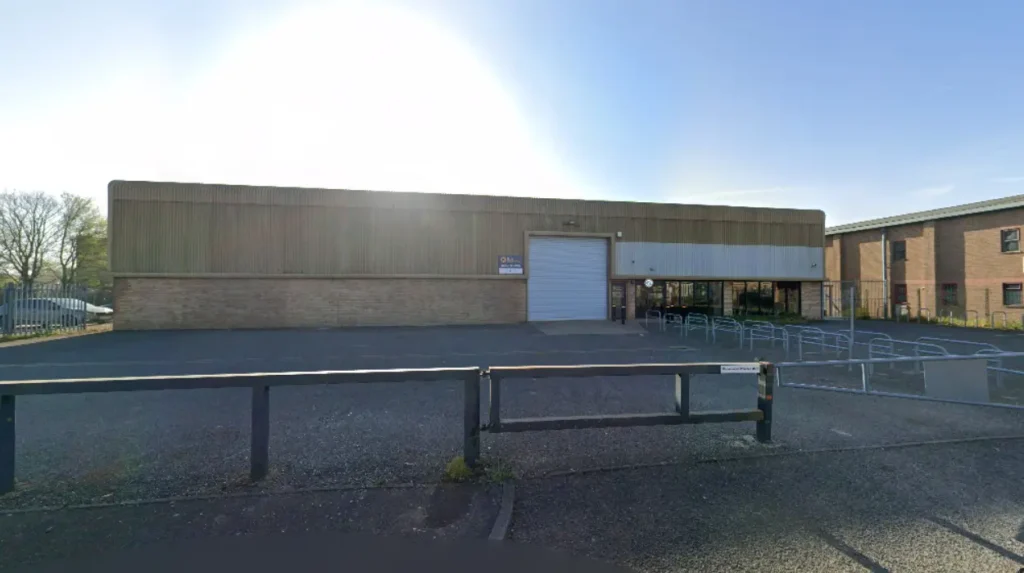
Residents apply for Cambridge parking permits through the Cambridgeshire County Council online portal by submitting proof of residency, vehicle ownership documentation, and paying an annual fee ranging from £58 to £115 depending on the specific residential zone and vehicle emissions.
The application process requires creating a verified account on the MiPermit digital platform used by Cambridgeshire County Council. Applicants must upload two distinct forms of evidence confirming permanent residence within an eligible street address, such as a current Council Tax bill, a signed tenancy agreement, or a recent utility statement dated within the last three months.
Vehicle verification requires a copy of the V5C registration certificate registered to the applicant at the Cambridge address. Company car drivers must provide an official letter from their employer on company letterhead confirming exclusive personal use of the vehicle.
Permit pricing follows a tiered structure based on zone demand and operational hours. Standard annual resident permits cost £58 in outer zones like Cherry Hinton and £115 in high-demand central zones like Newnham and West Cambridge.
Once approved, the permit activates immediately in the enforcement database without requiring physical display. Residents must update their vehicle registration details online within 24 hours when changing vehicles or using a temporary courtesy car to prevent automated fines.
What are the eligibility limits per household?
Most Residents Parking Zones restrict allocations to one or two permits per residential property to prevent street overcrowding. Properties converted into multiple occupancy flats after 2005 frequently carry planning conditions known as car-free development clauses, which legally disqualify tenants from obtaining on-street resident permits.
What types of visitor, business, and trade permits exist in Cambridge?
Cambridge offers four specialized non-resident permit categories: digital visitor parking sessions, business operational permits, trade contractor dispensations, and medical care badges, each carrying distinct hourly rates, validity durations, and strict eligibility criteria verified through municipal documentation.
Visitor permits allow residents living within controlled parking zones to host guests without incurring parking penalties. Residents can purchase up to 20 five-hour digital visitor sessions per calendar year at a cost of £12 per block of five sessions.
Business permits serve commercial enterprises operating within controlled zones that require a vehicle for essential daily operations rather than standard commuting. Companies must prove operational necessity and pay an annual fee starting at £260 per vehicle, capped at two permits per business premises.
Trade permits and parking dispensations accommodate builders, plumbers, and emergency contractors working on properties where no off-street driveway exists. Contractors pay £25 per day or £100 per week for a dispensation allowing stationary parking on single yellow lines or resident bays while actively unloading tools and materials.
Medical and carer permits support healthcare professionals and unpaid family caregivers providing regular home visits to vulnerable Cambridge residents. Healthcare organizations apply for annual practitioner badges, while residents receiving home care apply for free carer permits backed by a general practitioner confirmation letter.
How do Blue Badge holders navigate Cambridge parking rules?
Holders of a valid UK or European Blue Badge park free of charge and without time limits in all on-street pay-and-display bays and resident permit bays across Cambridge. Blue Badge holders may also park on single or double yellow lines for up to three hours, provided they display the physical badge and time clock clearly and do not obstruct traffic flow or loading bans.
How do rising bollards and bus gates restrict driving in central Cambridge?
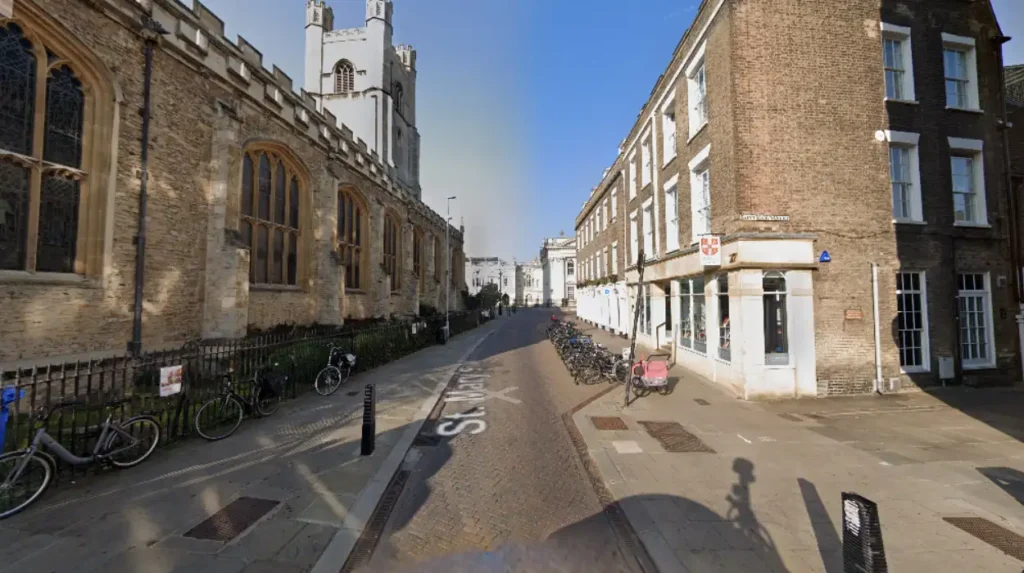
Rising bollards and Automated Number Plate Recognition bus gates restrict unauthorized private cars from entering central Cambridge streets between 7:00 AM and 7:00 PM, granting access exclusively to local buses, licensed taxis, emergency vehicles, bicycles, and pre-registered exemption permit holders.
Cambridge enforces a strict historic core access control system designed to eliminate through-traffic across narrow medieval streets. Physical hydraulic bollards operate at key entry points including Silver Street, Downing Street, and St John’s Street, lowering automatically only when transponders or camera sensors detect an authorized vehicle.
Camera-enforced bus gates monitor traffic along Bridge Street, Emmanuel Road, Station Road, and Hills Road without physical barriers. High-definition infrared cameras capture the license plate of every passing vehicle and cross-reference the registration against the county exemption whitelist within milliseconds.
Unauthorized private motorists driving through an active bus gate receive a £70 Penalty Charge Notice by post within 14 days. Repeat offenders receive separate fines for every individual camera transgression, meaning a single wrong turn through the city center can generate multiple penalties in one afternoon.
Exemptions apply strictly to scheduled public buses, Cambridge City Council licensed hackney carriages, emergency response fleets, and specific vehicles belonging to disabled residents registered with the county council. Private hire vehicles, delivery vans outside designated loading hours, and standard resident permit holders do not receive automatic bus gate exemptions.
When are central Cambridge loading windows active for commercial vehicles?
Commercial delivery vehicles without special permits may enter pedestrianized zones like Sidney Street and Market Hill only during designated loading windows. Standard loading hours run from 6:00 AM to 10:00 AM and 4:00 PM to 6:00 PM, after which rising bollards lock the pedestrian precinct completely.
What are the rules for electric vehicle parking and Park and Ride services?
Cambridge provides dedicated electric vehicle charging bays with mandatory active charging limits alongside five peripheral Park and Ride sites offering free parking for up to 18 hours and frequent zero-emission bus transfers into the city center.
Cambridge City Council maintains over 120 public electric vehicle charging points distributed across residential streets and municipal car parks. Vehicles parked in designated electric vehicle bays must remain actively plugged into the charging pillar at all times, with maximum stay limits of four hours during daytime operational periods.
Parking an electric vehicle in a charging bay without initiating a charge, or remaining connected after the battery reaches full capacity, incurs a standard £70 Penalty Charge Notice. Electric vehicles do not receive free parking discounts in standard pay-and-display bays or resident zones, requiring full tariff payment or a valid zone permit.
The five Cambridge Park and Ride sites sit at Madingley Road, Trumpington, Babraham Road, Newmarket Road, and Milton along major arterial approach roads. Parking at all five sites is free for up to 18 consecutive hours, eliminating the need for city center permits for day visitors and commuters.
Return bus tickets from Park and Ride terminals cost £3.50 per adult, with up to three children under 16 traveling free with a fare-paying adult. Double-decker electric buses depart every 10 minutes between 7:00 AM and 8:00 PM, reaching central destinations like Drummer Street and Downing Street in under 15 minutes.
Can I drive through Cambridge bus gates if I have a Blue Badge?
No, holding a standard Blue Badge does not grant automatic permission to drive through camera-enforced bus gates or rising bollards in Cambridge. Disabled drivers must apply separately to Cambridgeshire County Council for a specific Traffic Regulation Order exemption linked to their vehicle registration number before entering restricted streets.
How long does it take to get a Cambridge resident parking permit approved?
Digital resident parking permits typically take between three and five working days to process once all residency and V5C vehicle documents are uploaded to the MiPermit portal. Applicants can purchase temporary visitor sessions or use off-street car parks while awaiting final council verification.
What happens if I drive a rental or courtesy car in a Cambridge resident zone?
You must log into your MiPermit account immediately and apply a temporary vehicle change to transfer your active permit coverage to the courtesy car registration. Failing to update the license plate before parking on the street results in an automated Penalty Charge Notice from Civil Enforcement Officers.
Are motorcycles required to hold a parking permit in Cambridge?
Solo motorcycles park free of charge in designated motorcycle bays and standard on-street resident parking bays across Cambridge without needing a resident permit. However, motorcycles are still strictly prohibited from driving through active bus gates and pedestrianized zones during restricted operational hours.
Why are some newer apartments in Cambridge ineligible for parking permits?
Cambridge City Council enforces strict car-free planning obligations on modern residential developments located near public transport hubs to minimize urban congestion. Properties built under Section 106 car-free agreements are legally excluded from the council permit database, preventing tenants from purchasing resident or visitor permits.