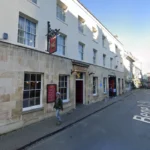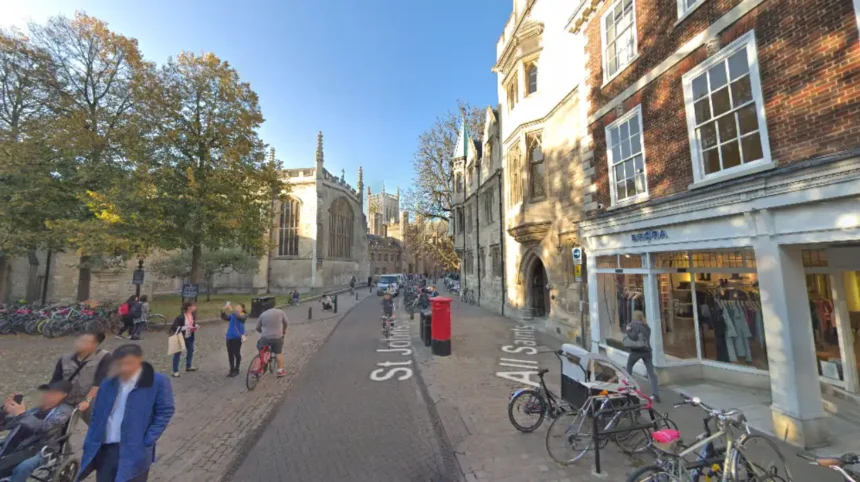
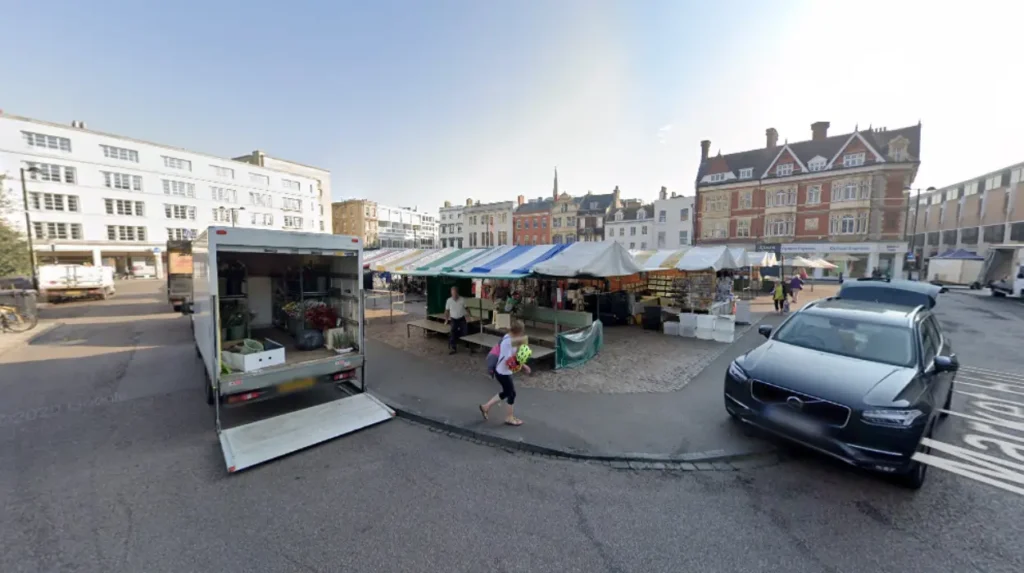
Cambridge open-air markets are historic trading spaces located in the heart of Market Square, functioning as central hubs for commerce, local produce, artisan crafts, street food, and independent retail, operating continuously since the middle ages.
The city of Cambridge in Cambridgeshire, England, has hosted open-air trading in Market Hill since the Norman conquest. Historical records show that official market charters were formally granted by King John in the year 1201.
These legal charters established the municipality’s authority to hold regular weekly markets. Over the centuries, Market Square developed from an unpaved medieval trading site into a paved civic center.
The physical layout evolved following a major fire in the year 1849, which led to the expansion and formal layout of the current market footprint. Today, the space is managed by Cambridge City Council and functions seven days a week, sustaining independent commerce in the region.
The physical infrastructure of Cambridge Market Square consists of structured rows of fixed outdoor stalls, canopy systems, and utility access points for vendors. The market operates under specific zoning regulations that designate designated spaces for distinct categories of merchandise.
The legal structure requires stall holders to possess valid trader licenses issued by local municipal authorities. These operational frameworks ensure compliance with public health, safety standards, and historical preservation guidelines.
The market square incorporates public amenities, including access pathways, electrical connections for vendors, and municipal waste management systems. This infrastructure supports hundreds of individual traders while maintaining accessibility for thousands of visitors daily.
Operating mechanisms for the market rely on a rotative daily schedule that accommodates various seller categories throughout the calendar week. From Monday to Saturday, the primary general market operates from 10:00 AM to 4:00 PM, featuring fresh food producers, florists, clothes merchants, and repair services.
On Sundays, the space transforms into the Arts and Crafts Market, exclusively hosting regional artists, craftspeople, and antique dealers. Vendors arrive early each morning to unpack goods, configure displays, and establish digital point-of-sale systems.
Municipal market officers oversee daily operations, monitor stall assignments, enforce safety regulations, and maintain fair trading compliance across all active rows.
Real-world examples of long-standing operations include traditional green grocers, book sellers, and specialized food stalls that have operated across multiple generations. Local farms from across East Anglia bring seasonal produce, including potatoes, berries, and brassicas, directly to city consumers.
Independent bookshops maintain outdoor stalls offering second-hand literature, maps, and historical prints. Modern additions include global street food vendors serving authentic international dishes, ranging from falafel and dumplings to artisanal cheeses and baked goods.
Bicycle repair specialists also set up mobile workshops within the square, providing immediate mechanical services to the city’s large cycling population.
Economic data indicates that local open-air markets contribute significantly to regional agricultural supply chains and small business growth. According to industry metrics, street markets generate millions of pounds annually for regional economies while supporting independent micro-enterprises.
In Cambridge, the open-air market serves as an incubator for culinary and retail entrepreneurs who eventually transition into permanent commercial brick-and-mortar locations. Environmental research confirms that direct farm-to-market retail reduces carbon emissions associated with long-distance food transport. Furthermore, the market decreases single-use plastic consumption through loose produce sales and bulk purchasing methods.
The long-term impact of Cambridge’s open-air market lies in preserving regional heritage while adapting to modern economic shifts. As digital retail alters consumer behavior, physical open-air markets maintain community connection through face-to-face commercial transactions.
The integration of contactless payment systems and sustainable waste recycling ensures the market remains relevant to contemporary shoppers. City planning initiatives continuously integrate the market square into urban pedestrianization schemes to enhance accessibility. The market remains an essential component of Cambridge’s identity, balancing centuries-old trading tradition with modern urban commerce.
How Do Fresh Produce and Farm Stalls Operate at Cambridge Market?
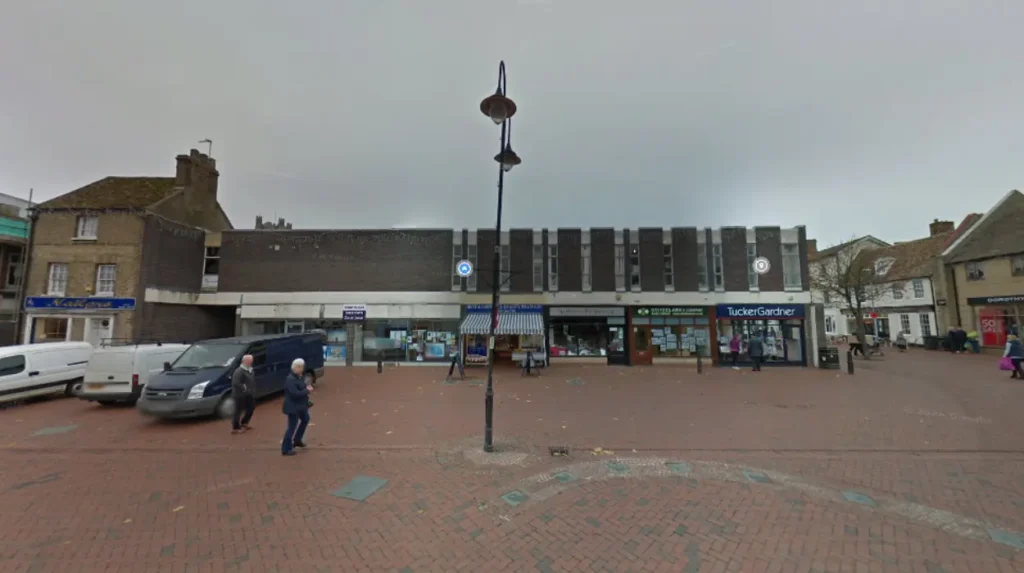
Fresh produce and farm stalls at Cambridge Market operate by sourcing seasonal fruits, vegetables, and flowers directly from regional growers in East Anglia, delivering high-frequency inventory turns and low-carbon local food distribution daily.
Agricultural trading in Cambridge is deeply connected to the surrounding Fens, one of the most fertile farming regions in the United Kingdom. The Fenland basin features rich peat soil that supports large-scale cultivation of root vegetables, grains, and soft fruits.
Historically, farmers transported goods along regional river networks directly to central town markets. The establishment of dedicated farm stalls provided urban populations with direct access to rural agricultural yields without intermediaries. This direct supply chain model established an economic link between rural farmers and urban consumers that has persisted for centuries.
The structural arrangement of produce stalls centers on heavy-duty wooden displays, temperature-monitored storage units, and clear pricing systems. Vendors arrange inventory by category, separating delicate berries and leafy greens from resilient tubers and winter squash.
Products are displayed in bulk wooden crates or open baskets to facilitate loose purchasing, allowing buyers to select exact quantities. Scales calibrated to national weights and measures standards sit at every counter to ensure accurate pricing by weight. Canvas awnings protect fresh goods from direct sunlight and precipitation throughout the operational trading hours.
The daily process for produce vendors begins long before the market opens to the general public. Farm teams harvest produce during early morning hours or late the previous evening to maximize product freshness. Delivery vehicles transport the yield into central Cambridge by 6:00 AM for unloading and quality inspection. Stall operators clean, sort, and arrange items based on visual appeal and accessibility.
Throughout the trading day, sellers manage stock rotation, replenish depleted displays, and maintain misting processes for delicate greens. At closing time, remaining inventory is stored in refrigerated facilities or donated to local food redistribution programs.
Specific examples of produce categories available include Heritage varieties of apples from Cambridgeshire orchards, locally grown asparagus, and Fenland celery. Specialized flower traders offer seasonal blooms, ranging from spring tulips sourced from Lincolnshire to summer sunflowers and cultivated garden roses.
Organic farm stalls supply certified chemical-free vegetables, heirloom tomatoes, and wild-harvested mushrooms. Artisanal food producers complement raw produce by offering cold-pressed rapeseed oils, local honeys, and preserve jams manufactured from farm-surplus fruits.
Data from agricultural trade organizations highlights that direct market sales provide small-scale farmers with significantly higher profit margins compared to supermarket supply chains. Research shows that purchasing food from local open-air markets reduces transportation distances from an average of fifteen hundred miles down to less than thirty miles per product item.
Consumer surveys indicate that fresh produce sold in open-air settings contains higher nutrient density due to shorter storage intervals between harvest and consumption. Additionally, direct sales eliminate complex packaging layers, removing tons of plastic waste from the municipal refuse stream each year.
The future relevance of local produce stalls rests on rising consumer demand for traceable food sources and sustainable eating habits. As climate variability impacts global supply chains, resilient regional food networks become vital for urban security. Produce stalls serve an educational role by exposing consumers to natural seasonal availability rather than year-round imported crops.
Municipal investment in market infrastructure ensures that smallholder farmers retain access to premium urban retail space. Consequently, Cambridge’s farm stalls remain essential components of both the regional agricultural economy and local public health.
What Types of Artisan Crafts and Goods Are Found in the Market?
Artisan crafts and goods found at Cambridge Market include handmade leather items, custom jewelry, studio ceramics, original artwork, vintage clothing, and restored antiques, featured prominently during the weekly Sunday craft market.
The tradition of artisan craft sales in Cambridge market square reflects the region’s historical guilds and craft traditions. Throughout the medieval and early modern periods, skilled workers held designated trading zones based on their specific craft specialization. Metalworkers, leather tanners, weavers, and potters sold functional household items directly to local residents and university scholars.
Over time, mass industrial manufacturing shifted general retail toward factory-made items. However, public appreciation for hand-crafted goods resurfaced in the twentieth century, leading to the establishment of dedicated artisan market days.
The structural layout of the artisan craft market utilizes individual modular stalls configured to highlight visual art and handmade goods. Crafters use customized display racks, lighting rigs, and presentation boards to showcase intricate details of their work.
Unlike standardized produce tables, artisan setups feature unique artistic arrangements tailored to specific mediums like textiles, glass, or metals.
Safety regulations require that all electrical displays use low-wattage LED systems powered by municipal distribution points. Vendors also carry specialist insurance to protect against damage to high-value handmade inventory during public display.
The process of running an artisan stall requires creators to manage both hand-manufacturing and front-line retail sales. Crafters produce inventory in private studios throughout the week before presenting completed lines at the weekend market.
On market days, artists frequently demonstrate their crafting techniques directly at the stall, offering live carving, painting, or assembly to visitors. Sellers engage with buyers to explain material sourcing, artistic inspiration, and customization options.
Payments are processed electronically, and items are wrapped in protective, eco-friendly packaging designed to protect delicate materials during transport.
Examples of craft goods available at the market include hand-turned wooden bowls made from locally salvaged timber, hand-blown glass ornaments, and silver jewelry. Printmakers offer original linocut prints and watercolors illustrating iconic Cambridge university architecture, bridges, and botanical scenes.
Leathercrafters present hand-stitched belts, bags, and journals bound in vegetable-tanned hides. Textile artists supply hand-woven scarves, knitted garments, and upcycled vintage fabrics converted into modern accessories. Additionally, antique dealers offer historical maps, rare coins, vintage cameras, and collectible post cards.
Market research indicates that independent craft markets serve as vital economic engines for micro-entrepreneurs and self-employed artists. Studies show that over eighty percent of craft market vendors operate as sole traders, relying on direct sales for primary or supplementary income.
Direct consumer feedback at physical markets provides makers with immediate market validation, enabling rapid product design improvements. Furthermore, sales of locally made craft goods keep a higher percentage of currency circulating within the regional economy compared to purchases made at multinational retail chains.
Artisan markets play a critical role in preserving traditional heritage skills that are at risk of disappearing in automated economies. By supporting independent makers, consumers help maintain specialized knowledge in woodturning, bookbinding, ceramics, and metalworking.
The market also provides accessible retail opportunities for emerging artists who lack the capital to open physical galleries or store fronts. As consumers increasingly prioritize unique, ethically produced items over mass-produced goods, the Cambridge craft market continues to grow as a cultural destination for residents and tourists alike.
How Has Cambridge Street Food Evolved in the Open-Air Market?
Cambridge street food has evolved from basic traditional takeaway items into a diverse international dining hub, offering freshly prepared dishes from global culinary traditions using locally sourced ingredients.
Historically, food service in Cambridge Market Square was limited to traditional English fare designed for quick consumption by working-class patrons and traders. Common historic offerings included meat pies, fish and chips, roasted chestnuts, and basic bakery items.
These food stalls operated under strict municipal health ordinances intended to prevent foodborne illness in outdoor settings. During the late twentieth century, changing demographics and global travel altered consumer tastes across the United Kingdom. This cultural shift led municipal regulators to expand food hygiene licensing, allowing for diverse international cooking equipment in outdoor spaces.
Modern street food stalls feature specialized mobile kitchen infrastructure designed to meet rigorous public health standards. Stalls incorporate stainless steel prep surfaces, commercial LPG gas burners, specialized fryers, and electric refrigeration units.
Continuous running water systems and portable sanitation stations are mandatory for all hot food operators. Fire safety equipment, including extinguishers and fire blankets, must be positioned within reachable distance inside every food canopy.
Stalls operate under strict temperature control protocols to ensure hot food remains above safety thresholds and raw ingredients stay chilled.
The operational process for street food vendors involves intensive prep work conducted in licensed commercial prep kitchens prior to market arrival. Ingredients are washed, chopped, marinated, and portioned into food-grade containers for rapid assembly on site.
Upon setting up at Market Square, chefs ignite burners, heat cooking surfaces, and prepare initial batches to meet peak lunch rushes between 12:00 PM and 2:00 PM. Cooking occurs directly in view of customers, offering transparent preparation and high sensory appeal.
Waste management protocols require vendors to collect and remove all cooking oils and organic waste at the end of the day.
Examples of street food cuisines available in Cambridge Market represent culinary traditions from around the globe. Visitors can purchase authentic Venezuelan arepas, Taiwanese bao buns, Spanish paella cooked in massive pans, and freshly wrapped falafel.
Other popular options include handmade Italian pasta, Indian curry bowls, Turkish gözleme, and gourmet burgers made with regional Angus beef. Dessert stalls offer freshly fried French crêpes, Belgian waffles, churros, and artisanal gelato. Dietary-inclusive options, including vegan, vegetarian, and gluten-free meals, are widely integrated across almost every food stall.
Hospitality sector data shows that street food stalls represent the fastest-growing segment of the UK outdoor retail economy. Industry metrics reveal that lower overhead costs allow street food operators to invest in higher-quality base ingredients while maintaining accessible price points for consumers.
Consumer research demonstrates that street food markets increase overall foot traffic to urban shopping districts, benefiting nearby retail stores. Furthermore, street food incubators have a high success rate, with numerous stall operators transitioning into successful brick-and-mortar restaurants throughout Cambridgeshire.
The evolution of street food in Cambridge Market reflects broader trends toward experiential dining and cultural appreciation through food. Outdoor food halls foster inclusive social spaces where diverse populations gather to eat in public settings.
By providing platform access for immigrant entrepreneurs and passionate chefs, the market enriches the city’s overall culinary scene. Strict environmental standards implemented by the local council now require street food vendors to use compostable packaging, cutlery, and napkins. This operational shift ensures that the growth of street food aligns with municipal sustainability targets.
What Are the Essential Visitor Tips for Exploring Cambridge Market Square?
Essential visitor tips for Cambridge Market Square include visiting during morning hours for fresh produce, bringing reusable shopping bags, utilizing digital payments, and combining market visits with nearby historic university landmarks.
Cambridge Market Square sits at the geographic and historical center of the city, making it easily accessible via major pedestrian corridors. The market is positioned adjacent to Great St Mary’s Church and the historic Guildhall, short distances from King’s College and the River Cam.
Visitors arriving by public transit can utilize the central bus station at Drummer Street, located less than a five-minute walk away. For those driving, multi-story parking garages like Grand Arcade provide parking options, though pedestrian transit, cycling, or Park and Ride services are recommended due to inner-city traffic restrictions.
Navigating the market efficiently requires understanding the peak operational hours and weekly schedules of different stall types. The general market operates Monday through Saturday from 10:00 AM to 4:00 PM, while the Sunday craft market runs during similar daytime hours.
Peak visitor traffic occurs between 12:00 PM and 2:00 PM daily, coinciding with lunch hours for students, office workers, and tourists. Visiting early in the morning, around 10:00 AM, provides the best selection of fresh produce, flowers, and baked goods before popular items sell out.
Practical preparation enhances the overall shopping experience for visitors exploring the outdoor stalls. Carrying durable reusable canvas bags reduces the reliance on single-use packaging when purchasing multiple items from different stalls.
While virtually all modern vendors accept contactless debit, credit cards, and mobile payments, carrying small denominations of cash remains helpful for low-value purchases. Comfortable walking footwear is essential, as the market square features historical cobbles and uneven stone paving that can be slippery during wet weather conditions.
A comprehensive visit to the market can be integrated into a wider walking itinerary of central Cambridge’s historical sights. Directly west of the market square lies King’s Parade, offering views of King’s College Chapel and the Senate House.
Climbing the tower of Great St Mary’s Church, located on the western boundary of Market Square, provides panoramic views of the market layout from above. Visitors can purchase street food at the market and consume their meals in nearby public green spaces like Senate House Hill or along the Backs.
Tourism data indicates that Cambridge Market Square ranks among the top visited free attractions within the city center. Visitor surveys show that over seventy percent of tourists who visit the university district also spend time exploring the open-air market stalls.
The integration of local retail with historical sight-seeing increases the average dwell time of tourists within the city center. This extended visitation generates positive economic spillover effects for adjacent businesses, including independent cafes, museums, and bookshops.
Understanding local etiquette and market guidelines ensures a positive environment for both shoppers and working traders. Visitors should allow space for loading and unloading operations during early morning hours and avoid blocking narrow aisles between stall rows.
Engaging with traders by asking questions about product origins, ingredients, or craft techniques is welcomed and encouraged. Respecting public space cleanliness by utilizing designated recycling bins helps maintain the historic square’s appearance for the entire community.
What are the opening hours of Cambridge Market?
The general market operates Monday through Saturday from 10:00 AM to 4:00 PM. The Sunday Arts and Crafts Market runs during the same hours. Individual vendor times may vary slightly based on weather conditions and stock levels.
Is Cambridge Market open on Sunday?
Yes, Cambridge Market is open on Sunday from 10:00 AM to 4:00 PM. On Sundays, the square hosts the popular Arts, Crafts, and Antiques Market featuring regional artists, independent makers, and vintage sellers.
Where is Cambridge Market located?
Cambridge Market is located in Market Square in central Cambridge, post code CB2 3QJ. It sits directly between Guildhall and Great St Mary’s Church, just a short walk from King’s College and main shopping streets.
Do market vendors in Cambridge accept card payments?
Yes, almost all vendors in Cambridge Market accept contactless card payments, Apple Pay, and Google Pay. However, carrying a small amount of cash is recommended for very small transactions or quick purchases.
Are dog allowed in Cambridge Market Square?
Yes, dogs are permitted in the open-air Market Square as long as they are kept on a lead. Owners should keep dogs under control, especially around hot street food stalls and fresh produce displays.