Cambridge historic pubs are famous drinking establishments located across the historic city center and riverside districts of Cambridge, England. These traditional venues offer centuries of British architectural heritage, local ale brewing traditions, famous academic associations, and unique historical landmarks.
Cambridge contains dozens of historic public houses that date back as far as the sixteenth century. The highest concentration of these legendary establishments resides along St John’s Street, Bridge Street, and Trumpington Street, alongside the River Cam.
Visitors explore these pubs to experience authentic Tudor and Georgian interiors, view historic scientific discoveries locations, and sample regional East Anglian cask ales. The city pub culture forms an essential part of the academic and social identity of Cambridge.
The origins of Cambridge pub culture date back to the medieval era when inns served traveling merchants and university scholars. Establishing public drinking houses provided necessary food, lodging, and refreshments for visitors arriving via river transportation and stagecoaches.
The Eagle, recorded as an inn in 1667 under the name the Eagle and Child, served as an important coaching inn. Over centuries, these establishments evolved from basic alehouses into central meeting locations for famous scientists, writers, and university academics.
Key architectural features of Cambridge pubs include timber-framed buildings, low-ceilinged bars, traditional leaded windows, and courtyard stables. The Eagle retains an original open cobblestone courtyard and a famous RAF bar ceiling covered in WWII aviator signatures written with candle smoke.
The Anchor features prominent riverbank outdoor seating directly overlooking the River Cam and Mathematical Bridge. The Free Press showcases original Victorian bench seating, a traditional Snug room, and historical printing press equipment displayed on the walls.
The operation of historic pubs relies on traditional British cask ale storage, cellaring mechanisms, and regional brewery partnerships. Cask-conditioned beer matures inside pub cellars using natural fermentation without artificial carbonation. Pub cellar staff maintain temperatures between eleven and thirteen degrees Celsius to preserve flavor profiles.
Establishments like the Mitre and the Elm Tree utilize handpull pumps to draw ale directly from basement storage. This mechanical process guarantees the freshness of famous local brews from regional breweries like Greene King.
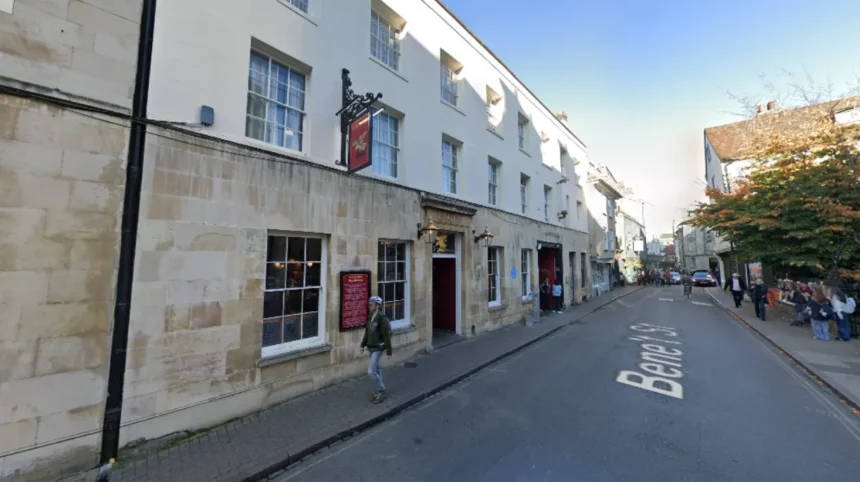
Modern visitors can access famous Cambridge pubs through walking itineraries across the historic center. The Eagle sits along Benet Street near the Cavendish Laboratory site. The Anchor occupies a prime position at Silver Street bridge, offering view points of historic college punting routes.
The Baron of Beef operates on Bridge Street near the Round Church. The Pickerel Inn sits near Magdalen College as one of the oldest pub locations in the city. Each venue offers direct access from main university pathways.
Academic discoveries and historic events remain tied to Cambridge pub locations. James Watson and Francis Crick announced their discovery of the DNA double helix structure inside The Eagle pub on February 28, 1953.
During the Second World War, Allied airmen signed their squadron numbers onto pub ceilings using lighters and grease pencils. The historic pubs served as informal debating venues for famous university groups, poets, and political thinkers throughout the nineteenth and twentieth centuries.
Preserving Cambridge pub heritage impacts local tourism, urban conservation laws, and regional brewing economies. Strict heritage building status protects original timber structures and historic interior features from modern structural alterations.
Local historical societies coordinate preservation efforts to safeguard classic public house identities against commercial redevelopments. The ongoing operation of these venues sustains historical tourism and preserves traditional British hospitality practices for future generations of international visitors and university students.
Why Is The Eagle the Most Famous Pub in Cambridge?
The Eagle is the most famous pub in Cambridge because of its historic discovery of DNA announcement, second world war RAF airmen ceiling signatures, sixteenth century coaching inn architecture, and close location to the historic Cavendish Laboratory on Benet Street.
The Eagle began operating as a prominent coaching inn during the seventeenth century under the original name The Eagle and Child. Its central location near the university campuses made it an essential hub for scholars, travelers, and local workers.
The pub structure features a classic inner courtyard that accommodated horse-drawn carriages delivering goods and passengers to Cambridge. Today, it remains one of the largest and most visited public houses in the entire city center.
Scientists James Watson and Francis Crick regularly ate lunch at The Eagle while working at the nearby Cavendish Laboratory. On February 28, 1953, Francis Crick famously announced to pub patrons that they had discovered the secret of life after determining the double helix structure of DNA.
This scientific event transformed the venue into an international landmark for science history. Visitors from around the world visit the pub to see the dedicated Watson and Crick bar room.
The RAF Bar inside The Eagle features a ceiling covered in smoke inscriptions written by British and American aviators during World War II. Pilots used lighters, candles, and lipstick to burn their names, squadron numbers, and dates onto the wood plaster ceiling.
Maintenance teams preserve these historic markings to honor the servicemen stationed at nearby military airfields during the war. This unique historical artifact makes the venue an important military heritage site in East Anglia.
Visitors can easily locate The Eagle on Benet Street in the heart of central Cambridge. The pub serves classic British pub meals alongside a vast range of real cask ales and regional beers.
Its proximity to King’s College Chapel and the historic university quarter makes it an easy stop for walking tours. The venue offers historic indoor rooms and an open outdoor courtyard for guests seeking authentic British pub culture.
How Old Is The Pickerel Inn and Where Is It Located?
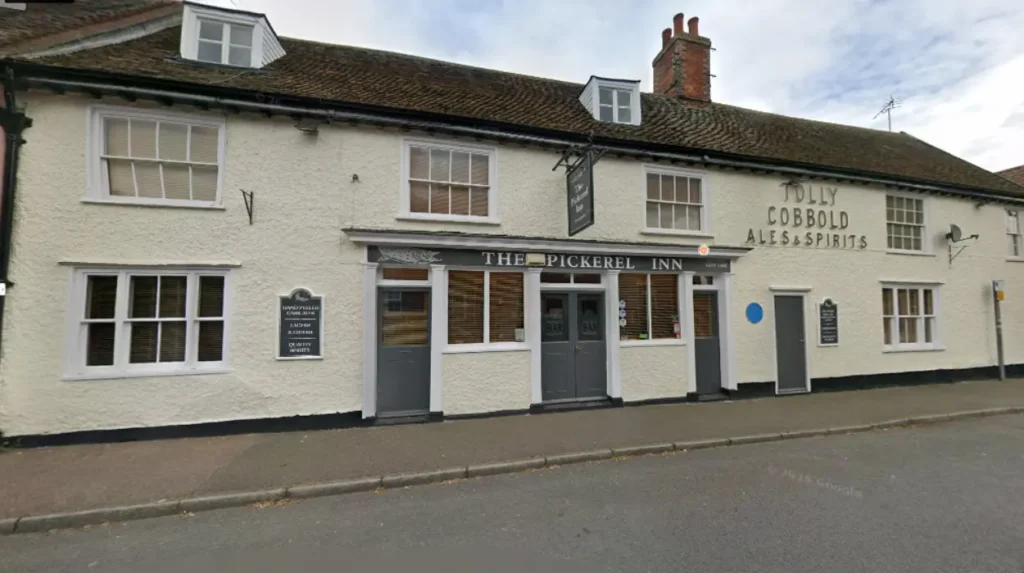
The Pickerel Inn is widely recognized as the oldest pub site in Cambridge, dating back to 1508, and is located on Magdalene Street near the River Cam and Magdalene College.
Historical records indicate that The Pickerel Inn has operated as a licensed drinking house on Magdalene Street since the early sixteenth century. The building incorporates structural timbers that date back even further to medieval construction periods.
Over five centuries, the pub maintained its role as an essential riverfront hostelry for boatmen, merchants, and scholars. Its long operational history earns it the title of the oldest surviving pub location in Cambridge.
The pub structure showcases authentic Tudor architectural elements, including low wood-beamed ceilings, narrow hallways, and uneven hardwood floors. The building layout includes multiple small, cozy drinking rooms that reflect historic British pub design.
Historic open fireplaces provide traditional heating during winter months. The exterior exhibits classic timber framing and historic plasterwork characteristic of sixteenth-century East Anglian construction methods.
The location of The Pickerel Inn played a key economic role due to its close proximity to the River Cam docks. River barges delivered goods, grain, and timber to Magdalene Street, where dockworkers gathered at the pub for food and drink.
The establishment also provided essential lodging for travelers entering Cambridge from northern transport routes. Its position near Magdalene College fostered deep historic ties between the pub and university academic life.
You can find The Pickerel Inn at 30 Magdalene Street, just north of the city center crossing over the river. The pub sits a short distance from Magdalene College and the historic Cambridge Quayside.
Visitors can access the venue easily by walking along Bridge Street across the Great Bridge. It offers an extensive selection of traditional cask ales, craft beers, and classic pub fare in a deeply historic setting.
What Makes The Anchor a Popular Riverside Pub in Cambridge?
The Anchor is a popular riverside pub in Cambridge because of its panoramic views of the River Cam, direct sightlines to the Mathematical Bridge, extensive outdoor seating decks, and historic connection to musician Syd Barrett.
The Anchor sits directly on the banks of the River Cam at Silver Street bridge, offering views of river punting activities. Guests seated on the pub’s outdoor terrace can watch punts navigate underneath the famous wooden Mathematical Bridge at Queens’ College.
This riverside setting makes it one of the most photographed public houses in Cambridge. The two-story layout features large windows designed to maximize views of the water and historic college architecture.
Music history enthusiasts visit The Anchor due to its strong association with Syd Barrett, the founding member of the rock band Pink Floyd. During the 1960s, Syd Barrett and other local musicians performed informal jazz and folk music gigs in the pub’s upstairs room.
The venue served as a key meeting point for the counterculture music scene in Cambridge during that era. Today, the pub displays historic music memorabilia commemorating its role in modern musical heritage.
The pub provides a dual-level dining and drinking layout tailored to accommodate large tourist groups and local residents alike. The ground floor features a traditional bar atmosphere with quick access to the riverside patio.
The upper floor contains a dining space with windows overlooking the River Cam and Queens’ College grounds. The kitchen specializes in traditional fish and chips, gourmet burgers, and classic British Sunday roasts.
The Anchor is situated at the corner of Silver Street and Mill Lane, immediately adjacent to the Silver Street Bridge. It is located near popular university landmarks such as Queens’ College and the Mill Pond park area. Tourists can reach the pub within a ten-minute walk from King’s College along the scenic Backs pathways. Its position makes it an ideal stop for lunch after a punting tour on the river.
Where Can You Find The Champion of the Thames Pub?
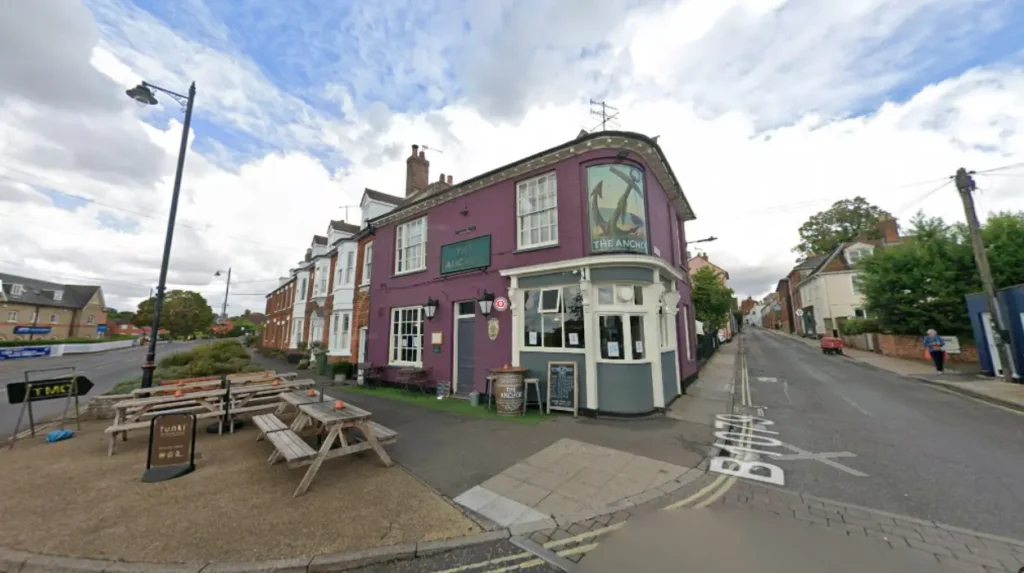
The Champion of the Thames pub is located on King Street in central Cambridge, famous for its narrow historic interior, traditional cask ales, live rowing memorabilia, and cozy fireplace.
The Champion of the Thames occupies a prominent place on King Street, a historic thoroughfare famous for its pub density. The pub gets its unique name from an oarsman who won a rowing championship on the River Thames before moving to Cambridge.
Upon arrival, he insisted on being addressed as the Champion of the Thames, leading to the naming of the venue. The pub retains a strong athletic connection to university rowing clubs and local sporting history.
The interior of The Champion of the Thames features classic Victorian pub decor with dark wood paneling and historic benches. The venue operates as a traditional single-room alehouse with minimal modern structural changes.
A wood-burning stove heats the cozy drinking space during colder seasons, creating an inviting neighborhood atmosphere. The walls display vintage rowing oars, historic sporting photographs, and local academic memorabilia.
The pub focuses on serving high-quality real ales from independent microbreweries alongside traditional regional brands. Unlike many modern venues, it maintains a classic pub environment free from loud TV screens or electronic gaming machines. Patrons gather to converse, play traditional board games, and sample rotating guest ales served directly from handpull pumps. This commitment to traditional pub culture attracts local residents, academics, and ale enthusiasts.
Find The Champion of the Thames at 68 King Street in central Cambridge. The pub sits within walking distance of Christ’s Pieces park and the Grand Arcade shopping center. Visitors walking down King Street can easily spot its traditional painted facade and historic pub signage. It remains an essential destination on any traditional Cambridge pub crawl itinerary.
Why Should You Visit The Free Press Pub in Cambridge?
You should visit The Free Press pub in Cambridge to experience a historic no-smoking pioneer pub, view historic printing press heritage, enjoy award-winning real ales, and relax in a traditional local neighborhood setting.
The Free Press pub on Prospect Row possesses a rich printing history tied to nineteenth-century local publishing. The venue originally operated alongside a local temperance newspaper that advocated against alcohol consumption. In a twist of history, the printing building converted into a licensed beer house during the 1830s. The pub preserved the newspaper’s name, paying homage to the historic printing press operations that once occupied the street.
The Free Press became famous in modern times as the first public house in Cambridge to ban indoor smoking. The pub implemented a total smoking ban in its bar areas long before national UK legislation made it mandatory. This forward-thinking policy earned the pub national media recognition and created a clean environment for ale tasting. The decision solidified the venue’s reputation as an innovative yet traditional neighborhood establishment.
The pub layout consists of small, wood-paneled rooms centered around a cozy main bar area. Architectural features include original bench seating, historic press clippers, and framed newspaper printing plates mounted on the walls. The establishment includes a secluded outdoor courtyard garden for warm weather drinking. Its quiet residential street location keeps it protected from heavy tourist foot traffic found in the main city center.
Located at 7 Prospect Row, The Free Press sits tucked away behind the Grafton Shopping Centre and Parker’s Piece park. The pub lies slightly east of the main tourist routes, offering an authentic local Cambridge community atmosphere. Guests can walk to the pub in about fifteen minutes from the central market square. It serves high-quality food, local real ales, and traditional ciders in an intimate environment.
What is the oldest pub in Cambridge to drink at?
The Pickerel Inn on Magdalene Street is widely documented as the oldest pub site in Cambridge, dating back to 1508. Visitors can enjoy real ales inside its historic Tudor-beamed rooms near the River Cam.
Where did Watson and Crick announce the discovery of DNA?
James Watson and Francis Crick announced their discovery of the DNA double helix structure at The Eagle pub on Benet Street in 1953. The pub features a dedicated Watson and Crick bar room commemorating the event.
Can you see WWII signatures inside Cambridge pubs?
Yes, you can view real WWII RAF aviator signatures burnt onto the ceiling of the RAF Bar inside The Eagle pub. Pilots used candle smoke, lighters, and lipstick to leave their squadron numbers on the plaster ceiling.
Which Cambridge pub has the best views for watching punting?
The Anchor pub at Silver Street bridge offers the best panoramic views of punting along the River Cam. Its outdoor terrace sits directly next to Queens’ College and the famous Mathematical Bridge.
Are historic pubs in Cambridge family and dog friendly?
Most historic Cambridge pubs, including The Eagle, The Anchor, and The Pickerel Inn, welcome families and dogs in designated dining areas and outdoor courtyards. Checking individual pub policies before visiting is always recommended.