Cambridge residents can access higher education courses and university facilities through structured public access programs, adult learning modules, and community membership pathways established by educational institutions across the city.
- What Higher Education Courses Are Open to Cambridge Residents?
- How Can Local Residents Access University Libraries and Archives?
- Which Academic Facilities and Museums Are Publicly Accessible?
- What Financial Support or Discounts Exist for Local Adult Learners?
- How Does Local University Access Benefit the Wider Community?
- What qualifications do I need to enroll in continuing education courses as a resident?
- Can Cambridge residents borrow books directly from the University Library?
- Are public university lectures in Cambridge free for local residents to attend?
- How do I apply for a reader card at the Cambridge University Library?
- Are there age limits for adults joining higher education courses in Cambridge?
Local residents possess unique opportunities to engage with world-class academic resources, specialized libraries, research lectures, and recreational facilities. Educational frameworks within the municipality provide formal matriculated degrees alongside flexible part-time certificates, short vocational courses, and open-access public events.
Access parameters depend on specific institutional policies, resident identification requirements, and registration procedures managed by individual academic departments.
Understanding these academic pathways enables city residents to maximize personal, professional, and intellectual development within their local community.
What Higher Education Courses Are Open to Cambridge Residents?
Cambridge residents can enroll in part-time undergraduate certificates, postgraduate diplomas, short online modules, and non-degree personal enrichment courses offered through local higher education institutions and continuing education departments.
The Institute of Continuing Education at Madingley Hall serves as a primary access hub for adult learners seeking flexible academic progression. The institute offers award-bearing courses structured under the Framework for Higher Education Qualifications, allowing local adults to complete undergraduate certificates at Level 4, diplomas at Level 5, and advanced diplomas at Level 6 on a part-time basis.
These qualifications cover academic disciplines such as creative writing, history, archaeology, biological sciences, and international relations.
Local residents seeking career enhancement can access professional development modules and Master of Studies degrees in specialized fields like artificial intelligence, healthcare, and educational leadership.
Anglia Ruskin University also provides flexible degree pathways, degree apprenticeships, and evening professional certification courses tailored to local workforce requirements. Short weekend courses, summer schools, and public lecture series offer entry-level academic engagement without demanding long-term formal commitments.
These institutional frameworks ensure local citizens gain structured academic qualifications regardless of prior formal educational backgrounds.
How Can Local Residents Access University Libraries and Archives?
Local residents can access university libraries and archive collections by applying for private research reader passes, presenting valid identification, and demonstrating a verified research requirement for specific non-circulating holdings.
The Cambridge University Library functions as a legal deposit institution, receiving statutory copies of publications printed across the United Kingdom and Ireland. City residents who require access to items not available in the public library system can register for a reader card at the main library building on West Road.
Applicants must present photo identification, proof of local residential address, and evidence of research intent to secure reference access to primary source collections, historical manuscripts, and specialized academic journals.
Faculty and departmental libraries across the city maintain independent access protocols for non-university members. While undergraduate college libraries generally restrict access to enrolled collegiate members, specialized research centres like the Seeley Historical Library and the Moore Library offer external reader permissions for specific academic projects.
Additionally, the Cambridge Central Library situated at Grand Arcade maintains extensive local history archives and digital research database subscriptions accessible to all municipal library card holders free of charge.
These reference facilities provide residents with comprehensive academic resources for independent study, local history documentation, and professional research.
Which Academic Facilities and Museums Are Publicly Accessible?
Local residents can visit major academic museums, botanical collections, public lecture halls, and designated university research centers through daily public opening hours and community ticket allocations.
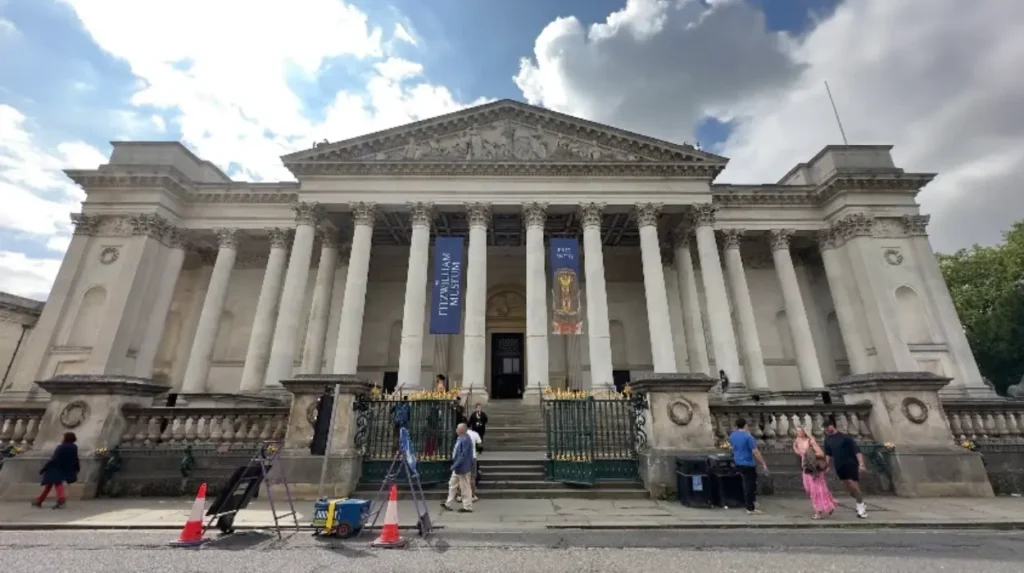
The University of Cambridge Museums collection includes eight academic institutions open to the general public, including the Fitzwilliam Museum, the Museum of Archaeology and Anthropology, and the Sedgwick Museum of Earth Sciences.
These venues display millions of historical artifacts, fine art pieces, and scientific specimens, offering free general admission to local community members. The University Botanic Garden provides 40 acres of living plant collections, offering discounted annual passes for municipal residents to support community health and ecological education.
Academic departments host free public research seminars, inaugural professorial lectures, and annual science festivals such as the Cambridge Festival. These events allow local residents to interact directly with researchers, observe cutting-edge laboratory demonstrations, and attend expert panel discussions across humanities and STEM fields.
Specialized facilities like the Kettle’s Yard gallery combine modern art displays with educational workshops specifically curated for local community engagement.
These public-facing cultural assets foster ongoing knowledge exchange between academic researchers and the surrounding residential population.
What Financial Support or Discounts Exist for Local Adult Learners?

Financial support for local adult learners includes regional bursaries, concessionary course fees, government-funded tuition loans, and municipal workforce training subsidies aimed at lower-income residents.
Educational institutions offer income-based fee reductions to ensure equal access to adult higher education programs. The Institute of Continuing Education provides concessionary fee rates for residents receiving state benefits or living in low-income households. Specific community bursaries, such as the Century Bursary scheme, provide direct grant support to help adult students cover tuition costs for part-time certificates and diplomas.
Residents enrolling in full-time or part-time undergraduate and postgraduate degree courses at local universities can access Advanced Learner Loans and Student Finance England funding packages.
These government loans cover upfront tuition fees, with repayments structured strictly according to post-graduation income thresholds. Local employers frequently partner with regional colleges to co-fund higher apprenticeship programs, enabling working residents to complete accredited higher education credentials with zero personal tuition debt.
These financial relief mechanisms mitigate economic barriers, encouraging continuous professional upskilling across the local municipal population.
How Does Local University Access Benefit the Wider Community?
Local university access strengthens community cohesion, boosts regional economic mobility, drives urban innovation, and preserves cultural heritage through active knowledge sharing between academics and residents.
Integrating residents into higher education environments elevates local workforce skills, making the regional economy more resilient and competitive. Local businesses benefit from a highly skilled labor pool trained in advanced technical, managerial, and creative disciplines. Academic engagement among adult learners also improves mental health, reduces social isolation, and encourages lifelong civic participation across diverse demographic groups.
Public access to educational infrastructure ensures that tax-supported research facilities actively benefit the immediate geographical area. Joint initiatives between university researchers and local municipal councils address regional challenges, including environmental sustainability, urban transport planning, and public health management. By opening physical spaces, research archives, and educational programs to the public, academic institutions maintain strong democratic relationships with their surrounding host city.
What qualifications do I need to enroll in continuing education courses as a resident?
Most introductory part-time certificates and short adult education courses do not require formal prior academic credentials. Admissions teams evaluate mature applicants based on professional experience, personal commitment, and demonstrated interest in the chosen subject area.
Can Cambridge residents borrow books directly from the University Library?
General external reader cards usually grant reference-only access to library collections on site. Borrowing privileges are primarily reserved for enrolled university staff and students, though full borrowing rights remain available at the municipal Cambridge Central Library network.
Are public university lectures in Cambridge free for local residents to attend?
Yes, the vast majority of public professorial lectures, inaugural address series, and annual research festivals are free for residents. However, many high-demand public events require advance online ticket registration due to auditorium seating limits.
How do I apply for a reader card at the Cambridge University Library?
You must complete an online reader application form and book an in-person identity verification appointment at the admissions office. You are required to bring valid photo identification, official proof of address, and a clear explanation of your research needs.
Are there age limits for adults joining higher education courses in Cambridge?
There is no upper age limit for adult learners enrolling in higher education certificates or enrichment modules. Adult education programs welcome applicants aged 18 and older from all personal and professional backgrounds.