Navigating Cambridge without a car relies on utilizing the city established network of cycle lanes, pedestrian routes, and public transit systems. The city features flat geography, restricted historic streets, and extensive cycling infrastructure designed specifically for car-free transit.
- Why Is Cambridge the Cycling Capital of the UK?
- How Does Public Transit Work in Cambridge?
- What Are the Best Cycle Routes in Cambridge?
- How Do You Rent a Bike or E-Scooter in Cambridge?
- What Are the Essential Rules and Safety Tips for Cycling in Cambridge?
- How Does the Cambridge Park and Ride System Work?
- What Are the Best Ways to Travel Beyond Cambridge Without a Car?
Cambridge provides an ideal setting for sustainable urban travel due to its compact geography and dedicated transit networks. Navigating the city center requires an understanding of local transport infrastructure, including public buses, regional trains, micro-mobility schemes, and dedicated cycleways.
This comprehensive guide details the practical mechanics, routes, laws, and operational systems needed to travel around Cambridge smoothly without owning or driving a motor vehicle.
Why Is Cambridge the Cycling Capital of the UK?
Cambridge earned its status as the cycling capital through high participation rates supported by flat terrain, historical street layouts, and extensive municipal investment. Over 30 percent of residents commute by bicycle, backed by over 80 miles of protected bike lanes.
Understanding the origins of Cambridge cycling infrastructure requires examining both geographical and urban planning factors. The city features level topography with minimal elevation changes across the central basin, making bicycle transport accessible to individuals of varying fitness levels.
Historical developments shaped the narrow street layouts within the city center, which naturally restrict heavy vehicular traffic. The local authority enacted sustainable transport policies starting in the late twentieth century, prioritizing two-wheeled transit over private motor vehicles.
Key structural components include segregated cycle tracks, low-traffic neighborhood filters, and advanced stop lines at major traffic junctions. These physical measures keep cyclists protected from heavy commercial vehicles along primary thoroughfares.
Real-world examples of dedicated cycling routes include the Chisholm Trail, which links Cambridge North railway station with the central rail station, and the Busway cycle track extending to St Ives. Municipal data confirms that thousands of cycling journeys take place daily across these arterial corridors.
The long-term impact of this infrastructure includes lowered urban carbon emissions, reduced congestion in historic quarters, and improved air quality metrics across the Greater Cambridge region.
How Does Public Transit Work in Cambridge?
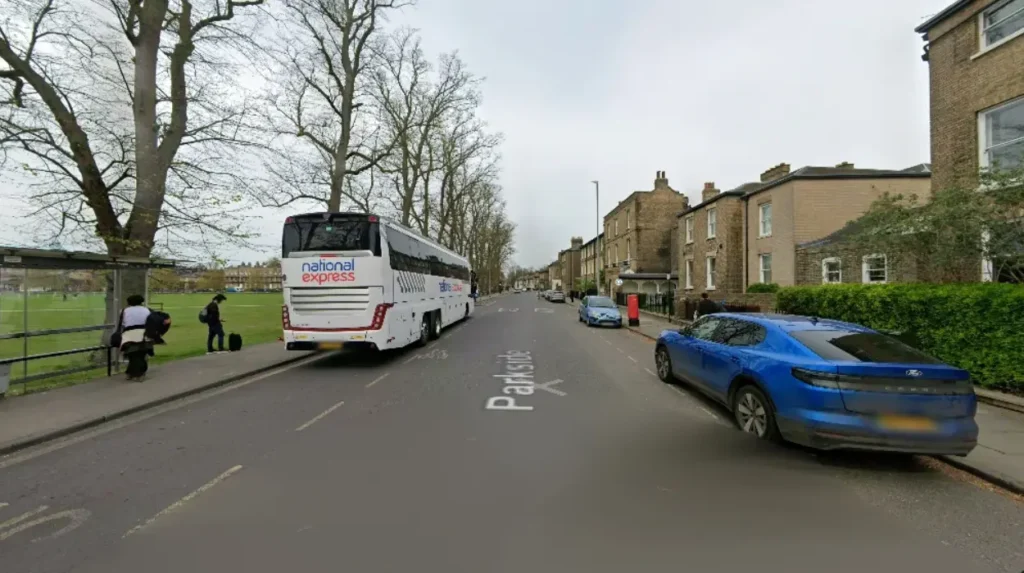
Public transit in Cambridge operates via interconnected local bus networks, regional express routes, and direct passenger rail lines. Stagecoach East and Whippet Coachlines manage primary bus operations, complemented by National Rail services connecting two major city stations.
Public transportation in Cambridge functions through a hub-and-spoke model designed to route passengers between residential suburbs, business parks, and the historic center. The core bus network centers on Drummer Street bus station, which acts as the primary interchange for municipal and regional routes.
Stagecoach East operates the majority of urban services, including the Citi bus lines that connect residential areas like Cherry Hinton, Chesterton, and Arbury directly to the city core. Whippet Coachlines provides additional regional connections linking surrounding South Cambridgeshire villages to urban employment hubs.
The Cambridgeshire Guided Busway represents a unique transport mechanism, using dedicated concrete guideways that allow bus vehicles to bypass highway congestion entirely. The northern track connects St Ives, Longstanton, and Northstowe directly to Cambridge North station and the Science Park.
Rail transport relies on two main stations: Cambridge station on Station Road and Cambridge North station in Chesterton. Operators such as Greater Anglia, Govia Thameslink Railway, and CrossCountry run frequent services connecting Cambridge to London King’s Cross, London Liverpool Street, Stansted Airport, and Ely.
Ticketing processes use contactless payment terminals, smartcards, and mobile application passes, allowing unified travel across local bus operations. Fares are capped on single journeys under national transit subsidy schemes, keeping non-car travel economical.
The future expansion of transit systems includes planned East West Rail connections and enhanced bus rapid transit corridors to support growth across surrounding biomedical and technology parks.
What Are the Best Cycle Routes in Cambridge?
The best cycle routes in Cambridge include the Chisholm Trail, the Cam Towpath, the Guided Busway path, and Barton Road. These paths offer fully paved surfaces, clear directional signage, and minimal direct contact with motor vehicles.
Selecting an optimal cycling route depends on whether the journey is intended for daily commuting or casual sightseeing. Navigating the city effectively relies on using designated greenways and off-road orbital paths.
The Chisholm Trail provides a north-south arterial route for commuters moving between major transportation hubs and employment centers. The first phase includes a dedicated cycling bridge over the River Cam, linking Midsummer Common directly to Coldham’s Lane and Cambridge North station.
The River Cam Towpath offers a scenic route traveling northeast from Jesus Green through Chesterton toward Baits Bite Lock and Waterbeach. This route features flat, paved surfaces suitable for standard commuter cycles, hybrids, and touring bikes.
The Guided Busway Cycle Track runs parallel to the busway, creating an unhindered 16-mile route from Trumpington Park and Ride through the city south side up to St Ives. The maintenance track is fully paved, wide enough for two-way traffic, and completely separated from motor vehicle lanes.
Barton Road cycle path runs westward from the Newnham district, providing a wide path that links inner Cambridge to the outer greenbelt villages. This path connects directly to the Coton Country Park cycleway via dedicated crossing points.
These routes undergo routine maintenance by Cambridgeshire County Council, ensuring street lighting, asphalt repair, and winter gritting remain consistent for year-round active travel.
How Do You Rent a Bike or E-Scooter in Cambridge?
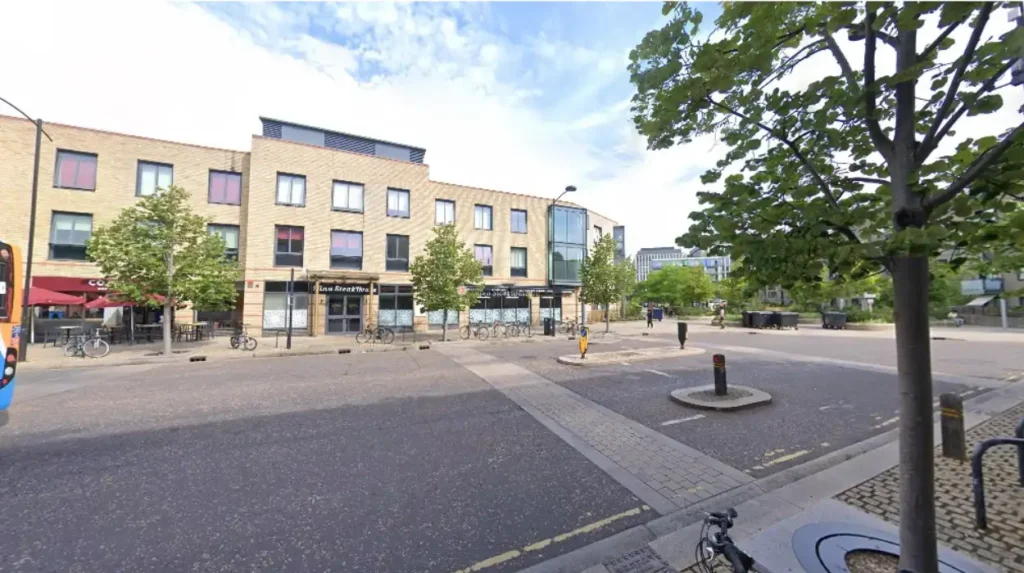
Renting a bike or e-scooter in Cambridge involves using local hire shops or app-based micro-mobility platforms. Voi operates the official shared electric scooter and e-bike system under a Department for Transport pilot scheme.
Short-term visitors and residents without private bicycles can access temporary transport through dockless sharing or traditional rental businesses. Dockless micro-mobility services operate under specific local council regulations to maintain orderly street parking.
Voi technology provides rental e-scooters and e-bikes accessible via a smartphone application. Users register an account, upload a valid provisional or full driver’s license, and scan a vehicle QR code to unlock the device.
Operating rules for e-scooters require riders to use designated cycle lanes and road carriageways, while riding on pedestrian footpaths remains strictly illegal under UK traffic laws. E-scooters are limited to a maximum speed of 15.5 mph, which automatically drops in designated low-speed pedestrian zones.
Parking mechanics rely on geofenced virtual bays distributed across the city center, rail stations, and university campuses. Users must end their rental session within a designated parking bay and upload a photo confirming the vehicle is parked responsibly.
Traditional bicycle shops near the main railway station and along Mill Road offer hybrid, cargo, and electric bicycles for daily or weekly hire. These services include helmets, heavy-duty locks, and routine mechanical support.
This rental model reduces private vehicle dependencies for short-distance trips, filling critical gaps in inner-city public transportation networks.
What Are the Essential Rules and Safety Tips for Cycling in Cambridge?
Essential rules for cycling in Cambridge include using front and rear lights at night, obeying traffic signals, and locking bikes securely. UK traffic law mandates functional red rear lights, white front lights, and working brakes on all public roads.
Safe navigation requires strict adherence to national traffic regulations and awareness of local cycling conditions. High bicycle traffic volumes require defensive riding techniques, particularly during peak morning and evening commute hours.
UK road laws mandate that every bicycle ridden between sunset and sunrise must have operational front white lights, rear red lights, and amber pedal reflectors. Cyclists must stop at red lights, obey one-way street directions unless clear counter-flow cycling signs are displayed, and yield to pedestrians at zebra crossings.
Riding on footpaths designated exclusively for pedestrians is an offense under the Highways Act 1835, subject to fixed penalty notices issued by local police officers. Cyclists must use shared-use paths marked by blue signs displaying both pedestrian and bicycle symbols.
Bicycle theft prevention requires effective locking methods. Riders should secure their frame and both wheels to an approved metal cycle rack using a Sold Secure Gold or Diamond-rated D-lock combined with a heavy cable.
Key safety hazards include heavy goods vehicle blind spots along East Road, wet timber surfaces on river bridges, and slippery autumn leaves on unlit commons. Wearing high-visibility clothing and keeping a safe distance from opening car doors along street parking zones reduces collision risks.
Following these guidelines ensures personal safety while maintaining efficient traffic movement across shared urban spaces.
How Does the Cambridge Park and Ride System Work?
The Cambridge Park and Ride system allows drivers to park their cars on the city perimeter and board direct buses into the central area. Five strategic sites operate along main highway entry points to reduce inner-city congestion.
The Park and Ride network forms an important boundary buffer, stopping long-distance commuter traffic from entering Cambridge congested historic core. The system serves regional visitors, commuters, and tourists arriving via major trunk roads.
Five primary hubs operate at Trumpington, Madingley Road, Babraham Road, Milton, and Newmarket Road. Each facility features perimeter fencing, solar lighting, high-definition CCTV surveillance, and dedicated electric vehicle charging bays.
Drivers enter the parking site, park their vehicle, and purchase a bus fare using ticket machines or contactless terminals on board. Parking is free for up to 18 hours, with modest fees applied for longer stays.
Buses depart every 10 to 15 minutes during peak hours, operating along dedicated bus lanes that bypass surrounding commuter traffic jams. Services drop passengers directly at central interchanges, including Drummer Street, Emmanuel Street, and St Andrew’s Street.
The Trumpington site connects directly to the Cambridgeshire Guided Busway, providing fast transit to the Cambridge Biomedical Campus and Addenbrooke’s Hospital complex.
This parking model keeps thousands of private cars out of the city center daily, lowering inner-city emissions and keeping historic streets clear for active transport.
What Are the Best Ways to Travel Beyond Cambridge Without a Car?
The best ways to travel beyond Cambridge without a car are regional train lines and intercity coach services. Direct transport links connect Cambridge to Ely, Newmarket, London, Oxford, and Stansted Airport.
Exploring the broader Cambridgeshire region without a private vehicle is simple thanks to established rail corridors and express coach services running from the city center.
Regional trains from Cambridge main station reach the cathedral city of Ely in roughly 15 minutes. Services depart multiple times per hour, offering convenient connections to historic sites, nature reserves, and the Great Ouse riverfront.
Direct rail routes also connect Cambridge to London King’s Cross and London Liverpool Street, with express trains completing the journey in under 50 minutes. The direct line to Stansted Airport takes approximately 30 minutes, making international travel easy without driving or paying for airport parking.
For travel toward Oxford, Stagecoach East runs express coach services connecting major towns across the South East. National Express long-distance coaches operate from Drummer Street station, connecting Cambridge directly to major UK destinations, including Birmingham, London Victoria, and Luton Airport.
Regional bus services link Cambridge to nearby market towns like Saffron Walden, Haverhill, and St Neots. These routes offer reliable service for rural commuters, shoppers, and day-trippers.
Using these public connections allows residents and visitors to explore surrounding regions cleanly and efficiently without relying on a personal vehicle.
Is Cambridge walkable for tourists?
Yes, Cambridge is exceptionally walkable due to its compact city center and extensive pedestrianized streets. Most university colleges, museums, and shopping districts are within a 15-minute walk of Drummer Street bus station.
Can you take bicycles on public buses in Cambridge?
Standard city buses do not allow non-folding bicycles on board due to space constraints. However, compact folding bicycles are permitted on Stagecoach and Whippet buses if folded and stored safely in designated luggage areas.
How much does it cost to rent a Voi e-scooter in Cambridge?
Voi e-scooters typically cost £1 to unlock plus a per-minute driving fee around £0.20. Day passes and monthly subscription packages are available through the Voi app to lower costs for frequent commuters.
Are cycle paths in Cambridge lit at night?
Major urban cycle tracks and primary roadside paths feature bright street lighting. However, off-road paths across open spaces like Midsummer Common or the Cam Towpath may be unlit, requiring functional bicycle lights after dark.
Do trains from Cambridge accept unticketed bicycles?
Most peak-hour train services to London require advance reservations for non-folding bicycles due to limited storage space. Off-peak regional trains to Ely or Norwich usually carry non-folding bikes on a first-come, first-served basis without prior booking.