
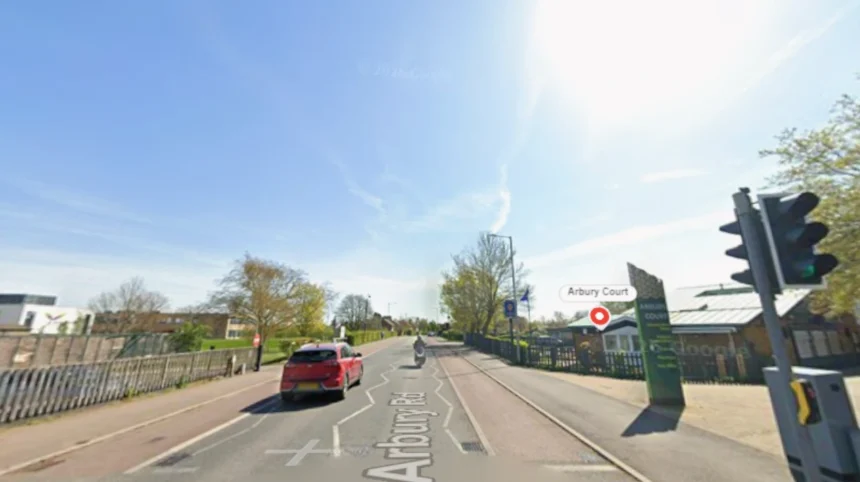
Pedestrian crossings and safety around Arbury Court provide essential infrastructure to protect pedestrians traversing busy roadways in Cambridge. Designated crosswalks establish clear legal rights of way, reduce collision risks, regulate vehicle speeds, and ensure equitable urban mobility for residents.
- How do controlled and uncontrolled pedestrian crossings around Arbury Court function?
- What highway regulations govern pedestrian safety around Arbury Court?
- What physical infrastructure features enhance pedestrian safety around Arbury Court?
- How do environmental and human factors impact safety around Arbury Court?
- How do local transport authorities assess and improve pedestrian safety around Arbury Court?
- What is the legal difference between a Zebra and a Puffin crossing?
- Who has the legal right of way at pedestrian crossings around Arbury Court?
- Why are zig-zag white lines painted before and after pedestrian crossings?
- How do smart sensors work on modern Puffin pedestrian crossings?
- How can residents request new pedestrian crossing facilities near Arbury Court?
The commercial precinct of Arbury Court serves as a high-density community hub surrounded by residential streets, primary schools, and public transport nodes. High volumes of foot traffic combined with steady motor vehicle flows create complex spatial interactions. Proper road design around shopping parades prevents accidents by segregating vulnerable road users from heavy vehicular streams. Local highway authorities implement tailored infrastructure to manage these environments effectively.
Historical urban planning in the Arbury ward prioritized motor vehicle access during mid-twentieth-century residential expansions. Subsequent increases in traffic volume necessitated retrofitting pedestrian protections to accommodate children, elderly residents, and individuals with restricted mobility. The evolution of highway engineering introduced signalized crossings, traffic calming measures, and lowered speed limits to balance commercial access with public safety.
Modern crosswalk installations utilize advanced sensor technology, high-visibility illumination, and tactile paving to guide pedestrians safely across multi-lane carriageways. Structural design parameters are governed by statutory national standards and regional transport policies. These frameworks dictate minimum sightlines, signal timings, and pavement geometry around commercial activity centers like Arbury Court.
Ensuring high levels of pedestrian safety around local retail centers yields widespread public health and economic benefits. Safe walking environments encourage active travel, lower localized carbon emissions, and promote independent community access. Comprehensive infrastructure strategies reduce severe collision injuries and support sustainable urban integration across surrounding residential neighborhoods.
How do controlled and uncontrolled pedestrian crossings around Arbury Court function?
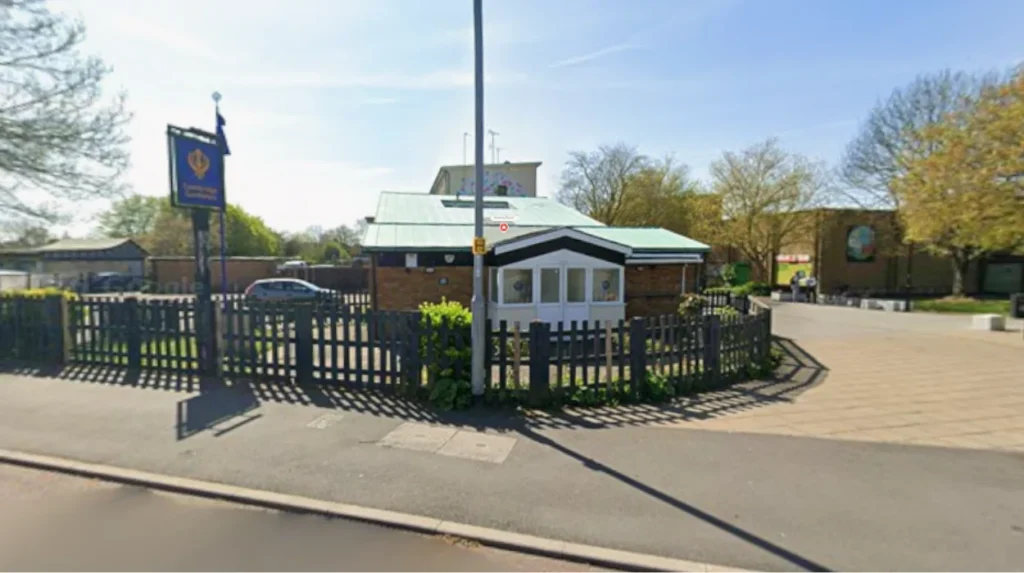
Controlled and uncontrolled pedestrian crossings around Arbury Court regulate driver and pedestrian behaviors through signalized devices or physical road markings. Controlled versions utilize electronic signals to interrupt traffic, while uncontrolled designs rely on driver compliance and physical traffic-calming geometry.
Controlled pedestrian crossings in the United Kingdom include Zebra, Pelican, Puffin, and Toucan systems. Zebra crossings feature painted white stripes and flashing yellow Belisha beacons, granting immediate priority to pedestrians step onto the road carriageway. Vehicle operators are legally required to stop when a pedestrian enters a Zebra crossing zone.
Pelican crossings operate via push-button timers that activate standard red, amber, and green traffic lights for motorists. A flashing amber phase allows drivers to proceed if the crosswalk is completely clear of pedestrians. Puffin crossings enhance this mechanism by incorporating smart thermal and optical sensors above the roadway. These sensors detect pedestrian presence, extending red lights for slower walkers and canceling demand if a user leaves.
Toucan crossings are wider, shared-use signalized facilities that allow both pedestrians and cyclists to cross simultaneously without dismounting. Uncontrolled crossings, such as pedestrian refuge islands and dropped kerbs with tactile paving, do not alter traffic signal cycles. Instead, refuge islands allow pedestrians to cross two-way traffic streams in two separate stages.
Highway managers select crossing types based on vehicular speed, daily traffic counts, pedestrian desire lines, and nearby infrastructure. Around shopping parades, high pedestrian density often requires signalized Puffin or Toucan systems to control vehicle queues and maintain continuous safe crossing opportunities.
What highway regulations govern pedestrian safety around Arbury Court?
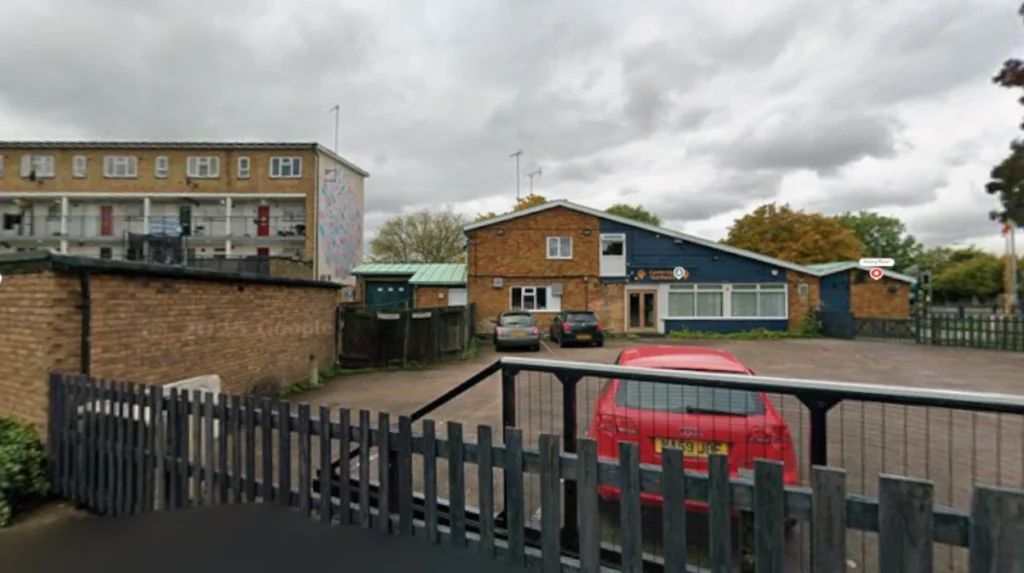
Highway regulations govern pedestrian safety around Arbury Court through statutory frameworks, traffic regulation orders, and rules established in The Highway Code. These legal provisions mandate driver responsibilities, set speed limits, define crossing rights of way, and establish strict municipal design requirements.
Rule 204 of The Highway Code establishes a clear hierarchy of road users, positioning pedestrians as the most vulnerable category. Drivers, motorcyclists, and cyclists bear the greatest legal responsibility to anticipate hazards and prevent harm to pedestrians. Rule 195 mandates that vehicle operators must give way to pedestrians waiting to cross at Zebra installations or using controlled signal crossings.
Local Highway Authorities enforce site-specific regulations via Traffic Regulation Orders under the Road Traffic Regulation Act 1984. These orders establish enforceable speed limits, such as 20 mile per hour zones around commercial precincts and schools. Lower vehicle speeds exponentially increase driver stopping distance reaction margins and reduce the risk of fatal pedestrian impacts.
The Traffic Signs Regulations and General Directions legislative framework specifies mandatory road markings, sign dimensions, and illumination criteria. Controlled crossing zones require zig-zag road markings on approach vectors. Parking or overtaking within these zig-zag zones is strictly illegal to preserve clear sightlines between approaching drivers and pedestrians.
Accessibility legislation, including the Equality Act 2010, mandates that public highway infrastructure must accommodate disabled pedestrians. Crossing designs must integrate tactile paving patterns, dropped kerbs, and audible or tactile push-button signals. These features enable visually impaired and wheelchair-bound individuals to navigate road environments safely.
What physical infrastructure features enhance pedestrian safety around Arbury Court?
Physical infrastructure features enhance pedestrian safety around Arbury Court by reducing vehicle speeds, improving sightlines, and physically separating foot traffic from motor vehicles. Engineering treatments include speed humps, raised tables, pedestrian islands, high-friction surfacing, and street lighting.
Traffic calming engineering relies on physical road geometry to enforce safe driving speeds. Speed tables elevated to sidewalk level slow approaching motor vehicles while creating flat, step-free crossing surfaces for pedestrians. Raised crossings significantly increase driver yield compliance compared to standard flat asphalt road markings.
Central pedestrian refuge islands shorten total crossing distances across wide carriageways. By splitting crossing maneuvers into distinct halves, pedestrians evaluate one vehicle direction at a time. Bollards equipped with retroreflective materials delineate these islands, warning drivers of narrowed lane width and central pedestrian activity.
Tactile paving surfaces installed at footway edges provide essential navigation cues. Blister paving with raised dome patterns alerts visually impaired pedestrians to the boundary between sidewalk and carriageway. Directional alignment paving guides users toward the optimal crossing angle across complex junction layouts.
High-output LED street lighting optimizes nocturnal visibility around crosswalks and bus stops. Specialized crossing lighting highlights waiting pedestrians on the kerb, preventing shadows cast by trees or street furniture. High-friction surfacing applied to road approaches prevents vehicle skidding during emergency braking maneuvers in wet weather.
How do environmental and human factors impact safety around Arbury Court?
Environmental and human factors impact safety around Arbury Court by influencing driver reaction times, pedestrian behaviors, vehicle stopping distances, and localized visibility conditions. Human factors involve driver distraction, speeding, and jaywalking, while environmental factors include rain, glare, darkness, and physical road obstructions.
Driver distraction caused by mobile phones, navigation units, or internal vehicle displays increases perception-reaction time. At 30 miles per hour, a vehicle travels 13.5 meters every second. A two-second visual distraction prevents a driver from recognizing a pedestrian stepping onto a crosswalk within a critical emergency stopping distance.
Pedestrian behaviors, such as illegal crossing outside designated zones or walking while distracted by devices, elevate collision risks. Young children and elderly citizens exhibit distinct vulnerability profiles. Children lack fully developed spatial peripheral vision to judge approaching vehicle speeds, while older adults require extended time intervals to cross wide carriageways.
Adverse weather conditions degrade environmental safety margins significantly. Wet road surfaces reduce tire traction, doubling standard vehicle stopping distances compared to dry asphalt. Surface water spray, low sun glare, and winter fog compromise driver visibility, rendering unlit pedestrian crossings difficult to identify promptly.
Physical urban design elements can obscure sightlines if maintained incorrectly. Overgrown roadside vegetation, illegally parked delivery vans, and bulky street furniture block direct lines of sight between pedestrians and drivers. Regular municipal maintenance and strict parking enforcement are essential to eliminate these physical visual barriers.
How do local transport authorities assess and improve pedestrian safety around Arbury Court?
Local transport authorities assess and improve pedestrian safety around Arbury Court using collision data collection, foot traffic counts, public consultations, and formal safety audits. Authorities evaluate these metrics to justify capital funding for structural road upgrades and traffic calming interventions.
Road Safety Audits represent a structured, independent technical procedure mandated for highway modifications. Qualified auditors evaluate proposed infrastructure plans across four stages: preliminary design, detailed design, post-construction completion, and operational monitoring. These audits identify latent collision hazards before and immediately after new crossings open to the public.
Authorities track official police collision records via standardized crash reporting databases. Data analysis pinpoints high-risk incident clusters, movement patterns, and contributing accident factors. Locations showing recurring pedestrian-vehicle conflicts receive targeted intervention priority through local highway improvement budgets.
Pedestrian and vehicular traffic flow counts measure total conflict potential at key junction points. Engineers utilize automated camera counters or manual surveys to track hourly peak movement cycles. High ratios of pedestrians relative to vehicle numbers trigger formal engineering thresholds for installing signal-controlled Puffin or Toucan crossings.
Community consultation schemes invite feedback from local residents, school administrators, and accessibility advocacy groups. Resident input identifies unrecorded near-miss incidents and problematic driver behaviors. Public transport planners integrate this localized feedback into broader regional mobility schemes to enhance overall pedestrian connectivity and safety.
What is the legal difference between a Zebra and a Puffin crossing?
A Zebra crossing uses painted white road stripes and flashing yellow Belisha beacons where drivers must yield once a pedestrian steps onto the pavement. A Puffin crossing uses red and green light signals controlled by electronic sensors that detect pedestrians and dynamically adjust traffic light timings.
Who has the legal right of way at pedestrian crossings around Arbury Court?
Pedestrians have legal right of way at Zebra crossings once they step onto the road surface. At signalized crossings like Puffins or Toucans, pedestrians have right of way when the green signal is displayed for them. Under Rule 204 of The Highway Code, drivers must exercise priority care to protect pedestrians.
Why are zig-zag white lines painted before and after pedestrian crossings?
Zig-zag white lines indicate a strict controlled crossing zone where parking, stopping, or overtaking other vehicles is illegal. These road markings ensure clear visibility between approaching drivers and pedestrians waiting at the kerb edge.
How do smart sensors work on modern Puffin pedestrian crossings?
Puffin crossings use overhead optical and thermal sensors to monitor pedestrians waiting on the pavement and moving across the carriageway. The system automatically extends the red traffic signal for slower pedestrians or cancels the crossing cycle if a person walks away before the signal changes.
How can residents request new pedestrian crossing facilities near Arbury Court?
Residents can submit infrastructure requests to the Local Highway Authority via Local Highway Improvement scheme applications. Authorities evaluate traffic volume data, pedestrian counts, speed surveys, and historic collision statistics before approving new crossing projects.