The Cambridge permit system uses designated controlled parking zones to regulate curb space, reduce suburban congestion, and prioritize local residents. Authorized drivers access specific street bays using digital permits tied to vehicle registration numbers through central council management software.
- How Do Resident Parking Permits Work in Cambridge?
- What Types of Visitor Parking Permits Are Available in Cambridge?
- How Can Businesses and Contractors Obtain Commercial Parking Permits?
- What Are the Rules for Blue Badge Holders Driving in Cambridge?
- How Does the Cambridge Moving Traffic Enforcement System Work?
- How Do You Apply for or Renew a Parking Permit in Cambridge?
- How do I challenge a parking ticket received in Cambridge?
- Can I transfer my Cambridge resident parking permit to a new car?
- Do electric vehicles get free parking permits in Cambridge?
- What happens if I move to a new parking zone in Cambridge?
- Are visitor parking permits valid during bank holidays in Cambridge?
The local traffic authority categorizes urban spaces into distinct operational sectors. Every sector enforces clear time limits, eligibility criteria, and fee structures to control commuter vehicle volume near central historic districts.
The historical evolution of transport planning in East Anglia shaped these controlled environments. City planners introduced restricted zones during the late twentieth century to preserve ancient architectural corridors and limit heavy vehicular traffic in medieval streets.
Physical infrastructure includes roadside signs, clear bay markings, and digital enforcement cameras. Local enforcement officers scan registration plates to verify active permit status instantly in real time against central database records.
Vehicle emissions and length restrictions determine individual permit eligibility. The system limits standard approvals to passenger vehicles under 5.4 meters in length, promoting environmental efficiency and managing limited physical curb space across residential areas.
How Do Resident Parking Permits Work in Cambridge?
Resident parking permits grant local homeowners and tenants permission to park within specific designated residential zones near their registered primary address. Digital accounts link driver credentials directly to vehicle license plates without requiring physical paper discs on windshields.
Applicants must demonstrate legal residence within an active Controlled Parking Zone using official documentation. Eligible proof includes current council tax statements, signed tenancy agreements spanning six months or longer, or driving licenses showing the local property address.
The application procedure runs through the MiPermit online portal. Vehicle owners upload scanned documentation, verify registered keeper status via the V5C logbook, and select their designated zone based on their street location.
Annual permit fees vary depending on carbon dioxide emissions and engine classification. Low-emission electric vehicles receive discounted rates, while higher-emitting transport types pay standard annual charges to align with sustainability goals.
Holding a resident permit does not guarantee a reserved spot outside a home. The permit permits drivers to search for available spaces within their assigned scheme area during designated enforcement hours.
Suburban areas surrounding central university sites utilize varying enforcement hours. Certain zones restrict non-resident access twenty-four hours daily, whereas other neighborhood sectors enforce rules strictly between morning and evening commuter hours.
What Types of Visitor Parking Permits Are Available in Cambridge?
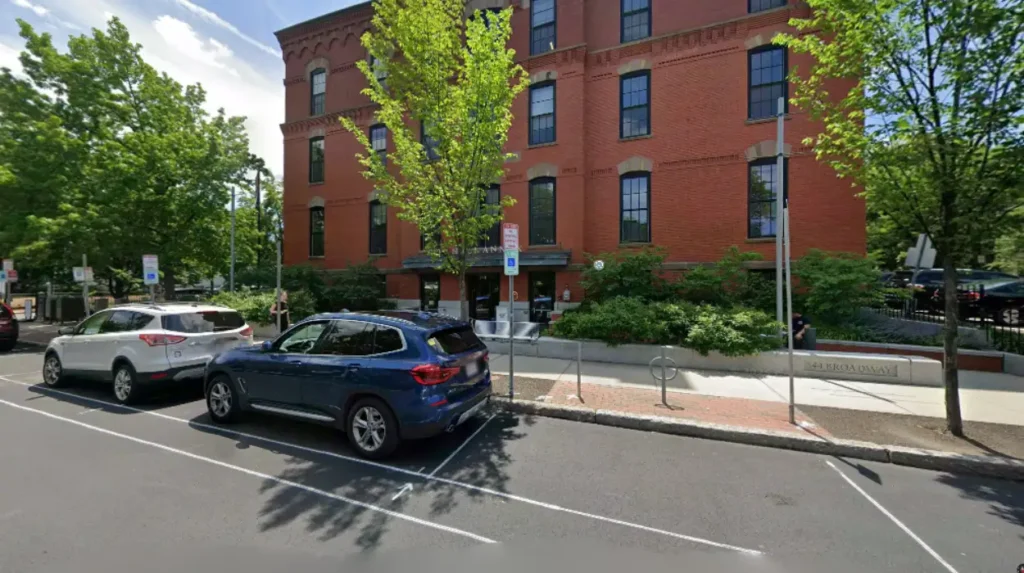
Visitor parking permits allow short-term guests, tradespeople, and family members to park legally within residential parking zones near host residences. Householders can purchase digital allocations or paper scratchcards depending on specific local neighborhood regulations.
Annual visitor allowances are assigned to each household rather than individual vehicles. Residents activate visitor passes through smartphone applications, text messaging platforms, or automated phone system services before guests leave vehicles parked in restricted spaces.
Tradesperson permits cater specifically to contractors performing home repairs, construction, or utility maintenance. Property owners request these temporary authorizations to allow commercial vans access to resident bays during normal working hours.
Medical care worker permits offer flexible parking privileges for visiting health professionals. District nurses, social care providers, and registered therapists receive specialized dispensation to park near patient residences while delivering essential healthcare services.
Temporary visitor passes exist for moving households or short events. Households apply for short-term passes when family members assist with residential relocations or attend multi-day community functions within controlled zones.
How Can Businesses and Contractors Obtain Commercial Parking Permits?
Commercial entities operating within Cambridge apply for business parking permits, trade passes, or temporary road access waivers through council channels. These permits enable operational vehicles to conduct business, transport goods, and provide services across central restricted zones.
Business permit eligibility requires proving commercial premises location inside a Controlled Parking Zone. Companies must present business rate demands, commercial lease documents, and official registration proofs for all fleet vehicles requiring daily access.
Contractors managing structural work access temporary parking dispensations. These authorizations allow work vans to occupy specific yellow lines or loading bays when carrying out necessary building development or emergency repairs.
Delivery operators navigating pedestrianized central streets rely on access permits. Access windows govern delivery timing in historical shopping areas to maintain safety for pedestrians during peak shopping hours.
Failure to secure correct commercial permits results in Penalty Charge Notices. Council enforcement officers monitor commercial loading activities to ensure heavy vehicles follow environmental regulations and designated drop-off times.
What Are the Rules for Blue Badge Holders Driving in Cambridge?
The Blue Badge scheme offers national parking concessions for disabled drivers, allowing valid badge holders to park closer to essential destinations. Disabled motorists use designated bays, public car parks, and select restricted curb spaces without paying standard fees.
Blue Badge holders park on yellow lines for up to three hours, provided no loading prohibitions exist. Drivers must display both the blue badge card and the companion parking clock set to the exact arrival time.
Dedicated disabled bays sit strategically across central car parks and public street locations. These spaces offer extra width to accommodate mobility equipment, wheelchair ramps, and specialized vehicle access modifications.
Individual residential parking bays can be installed near homes of eligible disabled drivers. Qualifiers must hold high-rate mobility support components and demonstrate severe difficulties parking near their primary residence.
Misuse of a Blue Badge constitutes a serious offense under national traffic legislation. Badges remain strictly tied to the individual owner, and illegal use by non-disabled relatives leads to badge revocation and heavy fines.
How Does the Cambridge Moving Traffic Enforcement System Work?
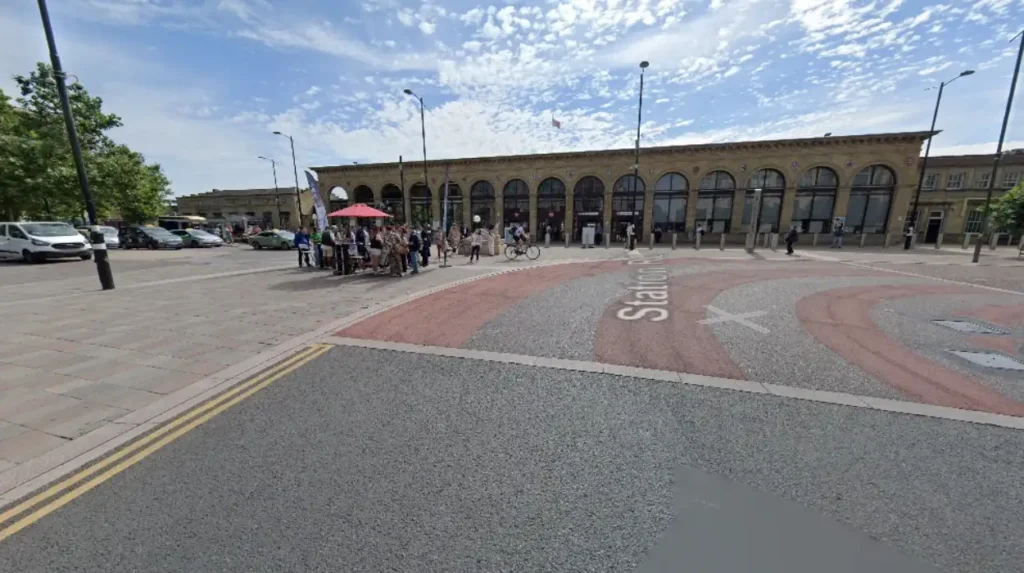
Cambridge employs automatic number plate recognition cameras to enforce moving traffic regulations, bus lanes, and pedestrian zones across high-density corridors. The system monitors restricted bridge crossings, school streets, and bus gates to lower inner-city traffic congestion.
Bus gates restrict general vehicle access during peak commuting hours across strategic transit routes. ANPR cameras automatically read license plates, issuing penalties to unauthorized private vehicles crossing control points during restricted times.
School Street initiatives temporarily block motorized vehicles near educational facilities during morning drop-off and afternoon pick-up hours. These temporary closures improve air quality, promote walking, and create safe environments for students.
Special access permits exist for residents living inside camera-enforced bus gate sectors. Emergency vehicles, registered public buses, licensed taxis, and permitted local residents pass through enforcement zones without triggering penalty notices.
The future of traffic management in Cambridgeshire centers on expanding low-emission infrastructure. Digital monitoring systems give urban planners accurate traffic data, supporting zero-emission transport networks and safer cycle corridors.
How Do You Apply for or Renew a Parking Permit in Cambridge?
Permit applications and renewals take place online through the official Cambridgeshire County Council MiPermit portal or paper forms. Applicants register an account, select their permit class, upload required proof documents, and submit payment via secure channels.
Renewal reminders arrive by email four weeks before an active permit expires. Vehicle owners must log in, update any changed details, upload current utility statements, and complete annual payment to prevent lapses in coverage.
Changes in personal vehicle ownership require immediate updates on the digital permit portal. Drivers substituting temporary courtesy cars or purchasing replacement vehicles must log temporary plate changes before parking in controlled zones.
Applicants without internet access can submit paper documentation by mail to council parking management offices. Processing printed applications takes extra time compared to immediate digital portal approvals.
Falsifying information on permit applications voids vehicle authorization immediately. Misleading entries regarding address details or vehicle ownership lead to permit cancellation and potential criminal prosecution.
How do I challenge a parking ticket received in Cambridge?
You can challenge a Penalty Charge Notice online through the Cambridgeshire County Council portal within fourteen days of issue. Submitting an informal challenge early freezes the discount rate period while council officers review your evidence. If your initial appeal is rejected, you may submit a formal representation or escalate the matter to an independent traffic adjudicator.
Can I transfer my Cambridge resident parking permit to a new car?
Yes, you can update your vehicle details by logging into your MiPermit digital account. You must upload your updated V5C logbook or new sales invoice showing your updated vehicle registration details. Temporary courtesy cars can also be added quickly to prevent receiving parking fines while your primary vehicle is being repaired.
Do electric vehicles get free parking permits in Cambridge?
Electric vehicles do not receive free permits, but they often qualify for discounted annual resident permit rates. Local authorities offer reduced charges for zero-emission and low-emission cars to encourage eco-friendly driving. You must provide official vehicle emission details from your V5C document during the application process to receive discount rates.
What happens if I move to a new parking zone in Cambridge?
Moving to a new address inside a different Controlled Parking Zone requires updating your residence details on the portal. You must upload proof of your new residential address, such as a utility bill or tenancy agreement. Your old zone permit will be canceled, and a new digital permit will be issued for your updated zone.
Are visitor parking permits valid during bank holidays in Cambridge?
Visitor permit requirements on bank holidays depend on the specific rules of your Controlled Parking Zone. Many residential zones enforce permit restrictions Monday through Saturday, while others operate seven days a week, including public holidays. Drivers should check roadside zone entry signs to confirm active operational hours before parking.