Cambridge experiences distinct seasonal fluctuations in visitor volume throughout the calendar year, driven primarily by academic calendars, global holiday periods, and summer climate conditions.
- How Does Summer Impact Visitor Volume and City Infrastructure?
- What Unique Advantages Does Autumn Offer to Cambridge Visitors?
- Why Is Winter Considered the Optimal Season for Off-Peak Travel?
- How Do Spring Months Balance Weather Conditions and Crowd Levels?
- What Strategies Effectively Reduce Wait Times at Major Cambridge Attractions?
- How Does the Local Transport System Handle Seasonal Visitor Flux?
- What Are the Key Cultural Events That Cause Temporary Visitor Spikes?
- What is the single worst month to visit Cambridge if you want to avoid crowds?
- Can you still go punting on the River Cam during the winter months?
- How far in advance should I book tickets for King’s College Chapel?
- Is it better to visit Cambridge as a day trip from London or stay overnight?
- Are Cambridge University colleges open to tourists all year round?
Peak tourist density occurs between June and August, during which the city receives over forty percent of its annual tourist traffic. Shoulder seasons from March to May and September to October maintain moderate visitor numbers, supported by conference travel and domestic weekend excursions.
The low season spans November through February, characterized by reduced international tourist arrivals and shorter daylight hours.
Historically, Cambridge developed as a University town following the establishment of the University of Cambridge in 1209. Tourist infrastructure expanded during the Victorian era with the introduction of the Eastern Counties Railway in 1845. This transport link enabled large-scale day trips from London, establishing a permanent visitor economy.
Data from regional tourism boards indicates that Cambridge attracts approximately eight million visitors annually. Day visitors constitute roughly eighty-five percent of this total volume, generating specific peak traffic hours between eleven in the morning and four in the afternoon.
The distribution of visitors directly affects local transportation networks, historic site access, and commercial services. The historic city center covers a compact geographic area of approximately two square kilometers, which intensifies crowd density during peak periods.
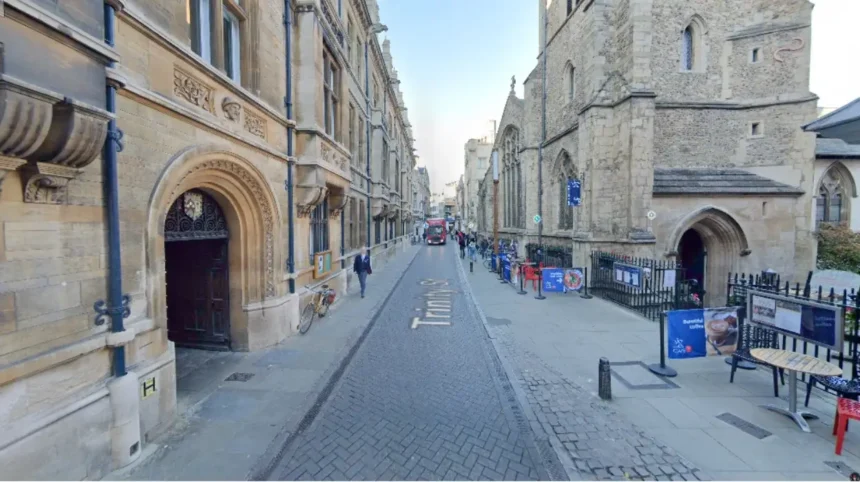
High visitor traffic concentrates along King’s Parade, Trinity Street, and the River Cam. Understanding these baseline volume statistics allows travelers to schedule itineraries that minimize delay and avoid congestion.
How Does Summer Impact Visitor Volume and City Infrastructure?
Summer brings the highest volume of international tourists, student language groups, and day visitors to Cambridge, leading to significant strain on local footpaths and public transport.
During July and August, daily foot traffic in the historic core routinely exceeds thirty thousand individuals. College chapels, river punting stations, and public museums experience maximum operational capacity, requiring advance booking strategies to secure entry and manage queues effectively.
The primary driver of summer congestion is the combination of warm weather and the end of the academic term in June. Average high temperatures reach twenty-two degrees Celsius in July, making outdoor sightseeing highly favorable.
Punting on the River Cam reaches full capacity between June and August, with over two hundred punts operating simultaneously along the Backs. This stretch of river measures two kilometers in length and runs adjacent to major colleges, including King’s College, Trinity College, and St John’s College.
Infrastructure adaptations during summer include increased bus frequencies, temporary pedestrian zones, and augmented municipal waste management services. Park and Ride facilities located at Trumpington, Babraham, Milton, Madingley Road, and Newmarket Road see elevated usage, parking thousands of vehicles daily.
Pedestrian congestion along narrow medieval thoroughfares like Senate House Hill often reduces walking speeds by fifty percent during peak afternoon hours.
What Unique Advantages Does Autumn Offer to Cambridge Visitors?
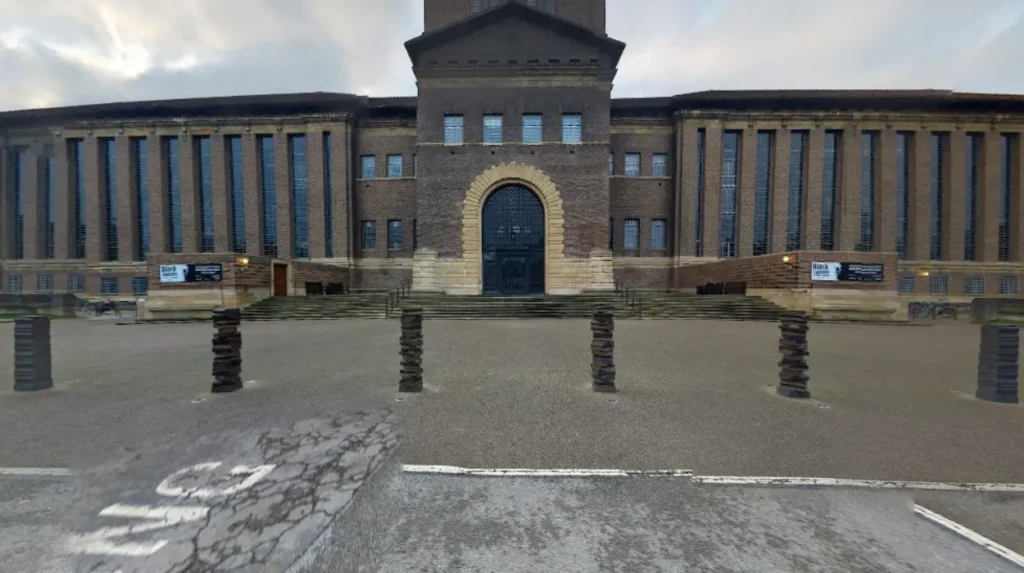
Autumn offers a marked decrease in leisure tourist numbers alongside the return of the academic term, providing an authentic atmosphere combined with temperate weather.
Visitor volume drops by thirty percent compared to summer peaks, allowing easier access to major academic sites and cultural institutions. The changing foliage along the Backs creates distinct visual conditions that draw photography enthusiasts and cultural heritage visitors.
The University of Cambridge Michaelmas term begins in early October and runs through December. This period reintroduces over twenty-four thousand students to the city streets, shifting the demographic profile from international sightseeing groups to resident scholars.
Historic sites maintain full operating hours through October, though daylight duration decreases from eleven hours in October to eight hours by late November. Average daily high temperatures range from fifteen degrees Celsius in September to nine degrees Celsius in November.
Cultural programming increases during autumn, featuring academic lecture series, musical performances, and literary events. The Cambridge Film Festival, established in 1977, takes place annually in October and draws thousands of attendees to independent cinema venues.
Autumn represents an optimal operational window where public amenities remain open without the operational delays associated with summer overcrowding.
Why Is Winter Considered the Optimal Season for Off-Peak Travel?
Winter provides the lowest crowd levels, reduced accommodation rates, and immediate access to historic sites, despite colder temperatures and reduced daylight hours.
Total monthly visitor numbers fall to their lowest annual levels in January and February, dropping below three hundred thousand visitors per month. This period allows visitors to inspect historic architecture and museum collections without long wait times or crowded exhibition spaces.
Winter weather in Cambridge features average daily high temperatures of seven degrees Celsius in December and January, with nighttime lows dropping near freezing. Precipitation remains consistent with annual averages, delivering roughly forty-five millimeters of rainfall per month.
Snowfall occurs infrequently, averaging three days per year, but freezing temperatures can affect outdoor activities such as river punting. Daylight hours reach an annual minimum of seven hours and forty-five minutes during the winter solstice in late December.
Economic advantages during winter include significant rate reductions across local hotels and guest houses. Hotel occupancy rates drop below sixty percent in January, leading to average room price decreases of twenty-five to forty percent compared to summer rates. Major attractions, including the Fitzwilliam Museum and the Cambridge University Botanic Garden, operate on winter schedules with lower visitor density, allowing extended, unhurried study of collections.
How Do Spring Months Balance Weather Conditions and Crowd Levels?
Spring delivers rising daylight hours, blooming university gardens, and moderate visitor traffic before the summer peak season begins.
March through May represents a transitional period where average high temperatures rise from ten degrees Celsius to seventeen degrees Celsius. Visitor numbers increase incrementally, driven by domestic weekend travel and spring holiday periods, yet remain manageable compared to mid-summer conditions.
The natural environment features significant biological activity during spring. The Cambridge University Botanic Garden, founded in 1831 by Professor John Stevens Henslow, displays extensive collections of flowering plants across its forty acres.
The Backs feature large carpets of daffodils and crocuses planted along the banks of the River Cam. Academic activity remains high during the Easter term, which runs from April through June, though access to certain college grounds becomes restricted during student examinations in May and June.
Tourists visiting in spring benefit from expanded daylight hours, which extend to fifteen hours by late May. Punting operators resume full seasonal service schedules, and outdoor walking tours run with increased frequency. Spring offers a balanced environment for visitors seeking outdoor exploration alongside historical site visits without the extreme crowd pressures of July and August.
What Strategies Effectively Reduce Wait Times at Major Cambridge Attractions?
Advance ticket booking, early morning visitation, and navigating away from the primary arterial streets effectively mitigate delays caused by high tourist volume.
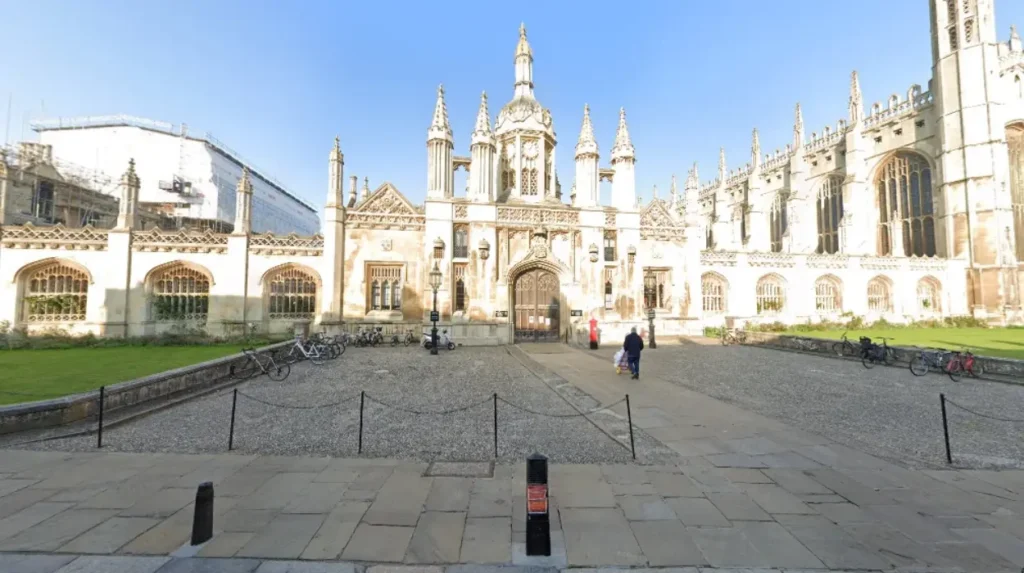
Booking timed-entry tickets online for sites like King’s College Chapel guarantees admission and bypasses public queuing lines. Visiting major landmarks before ten in the morning or after four in the afternoon significantly reduces exposure to peak day-tripper crowds.
King’s College Chapel, constructed between 1446 and 1515, represents one of the primary tourist destinations in the city. During peak months, walk-up entry lines can exceed one hour.
The Fitzwilliam Museum, founded in 1816, hosts over four hundred thousand visitors annually, with peak entry rates recorded between mid-day and three in the afternoon. Utilizing online reservations secures specific entry slots and ensures smooth access across all major cultural institutions.
Alternative spatial routing provides immediate relief from congested thoroughfares. Walking routes utilizing historic side streets, such as Pembroke Street, Little St Mary’s Lane, and Gifford Place, bypass the main pedestrian blockage on King’s Parade.
Exploring lesser-visited academic colleges, such as Selwyn College, Magdalene College, or Emmanuel College, provides access to historic architecture without the heavy foot traffic found at central colleges.
How Does the Local Transport System Handle Seasonal Visitor Flux?
Cambridge manages visitor transportation through integrated Park and Ride facilities, extensive cycle networks, and designated pedestrian corridors.
The local transport network relies heavily on five strategically placed peripheral parking sites to prevent vehicle congestion within the medieval city center. Public buses connect these parking hubs directly to the central bus station at Drummer Street at ten-minute intervals throughout the operational day.
The city of Cambridge possesses the highest rate of cycling infrastructure in the United Kingdom, with over thirty percent of residents commuting by bicycle. Visitors can utilize city cycle hire schemes to navigate urban routes efficiently.
The Guided Busway, opened in 2011, links Cambridge Railway Station directly to St Ives and Northstowe, offering reliable public transit that completely bypasses highway traffic during peak tourist seasons.
Cambridge Railway Station sits approximately 1.2 kilometers south of the historic city center. Walking from the station along Hills Road and Regent Street takes roughly twenty minutes. Direct train services run from London King’s Cross and London Liverpool Street, arriving every fifteen minutes with a journey time ranging between forty-eight and eighty minutes. Planning transport arrivals outside peak commuter hours ensures easier transit connections.
What Are the Key Cultural Events That Cause Temporary Visitor Spikes?
Annual festivals, university graduation ceremonies, and academic term events generate temporary high-density visitor spikes that affect accommodation and city access.
The Cambridge Folk Festival, held annually at Cherry Hinton Hall since 1965, draws over fourteen thousand attendees during late July. The Strawberry Fair, a free music and arts event held on Midsummer Common on the first Saturday of June, attracts up to thirty thousand visitors in a single day.
University graduation ceremonies, known as General Admission to Degrees, occur annually in late June over four consecutive days. During this event, thousands of graduating students and their families gather around the Senate House, located on King’s Parade.
Hotel rooms across the city reach one hundred percent occupancy during graduation week, with room rates increasing by up to eighty percent above baseline averages.
The May Bumps, a series of rowing races held on the River Cam since the nineteenth century, take place over four days in mid-June. The event draws thousands of spectators to the riverbanks between Jesus Lock and Baits Bite Lock. Knowing the exact dates of these annual events allows travelers to either participate in local cultural traditions or adjust their travel schedules to avoid localized accommodation shortages and elevated transport delays.
What is the single worst month to visit Cambridge if you want to avoid crowds?
July is typically the most crowded month due to peak international travel, language school groups, and warm weather. Foot traffic in the medieval center reaches its annual high during this period.
Can you still go punting on the River Cam during the winter months?
Yes, punting operates year-round on the River Cam, weather permitting. Winter tours are less crowded, and operators frequently provide blankets and hot drinks for passengers.
How far in advance should I book tickets for King’s College Chapel?
It is best to book tickets at least two to three weeks in advance during summer and spring weekends. Off-peak winter visits usually allow for same-day or walk-up entry.
Is it better to visit Cambridge as a day trip from London or stay overnight?
An overnight stay allows you to explore major landmarks early in the morning or late in the afternoon when day-trippers have left, giving you a much quieter experience.
Are Cambridge University colleges open to tourists all year round?
Most colleges are open year-round, but many close to visitors during the Easter exam period from late April to mid-June. Always check individual college schedules before traveling.