
Can Arbury’s community spaces be saved during regeneration? Arbury’s community spaces can be saved during regeneration if urban developers prioritize asset protection, active public consultations, social value frameworks, and statutory protections like Assets of Community Value to preserve social infrastructure alongside new housing construction.
- What Is the Current Status of Community Spaces in Arbury?
- Why Are Arbury’s Community Spaces at Risk from Urban Regeneration?
- How Does Redevelopment Impact Local Residents and Businesses?
- What Legal and Planning Frameworks Protect Community Assets in the UK?
- How Can Communities Successfully Preserve Their Local Gathering Spaces?
- Can a council legally demolish a community center during redevelopment?
- What is the difference between a standard shop layout and a shopping courtyard?
- How do residents stop a local park from being built over?
- Will local shopkeepers get space in the new Arbury redevelopment?
- How does Section 106 benefit local communities during housing construction?
Urban regeneration projects across the United Kingdom frequently create tension between housing development and social infrastructure preservation. In the Arbury estate of Cambridge, municipal planning frameworks aim to redevelop commercial and public zones to deliver over 400 new homes, modern retail units, and upgraded civic facilities.
This large-scale urban transformation places significant pressure on existing gathering points, including Arbury Court, local play parks, and established community centers. Preserving these vital neighborhood anchors requires local authorities to integrate existing social ecosystems directly into future architectural plans rather than replacing them with generic commercial layouts.
Effective preservation relies on statutory mechanisms, community asset transfers, and continuous public engagement to ensure that physical redevelopment does not destroy long-standing neighborhood cohesion.
Historically, urban estate regeneration in post-war housing developments prioritized density increase over social continuity. Arbury was originally developed during the 1950s as a response to Cambridge’s growing municipal housing list, designed around dedicated neighborhood hubs like Arbury Court.
These planned hubs combined retail, open green space, and public facilities to foster localized social networks within northern Cambridge. Modern master plans under the North Cambridge Framework for Change seek to address aging infrastructure and high housing demand. However, structural alterations to established central plazas risk severing social interactions if linear commercial designs replace traditional central courtyards.
Protecting community spaces during large-scale estate redevelopment involves precise planning tools and binding commitments from local authorities. Local councils utilize Section 106 legal agreements to mandate developer contributions toward public infrastructure and civic facilities.
Phased construction schedules prevent the complete shutdown of essential services like post offices, local libraries, and primary grocery stores during active building works. Additionally, designating public buildings as Assets of Community Value under the Localism Act 2011 grants local groups statutory rights to bid for facilities facing closure or private redevelopment.
Successful urban preservation relies heavily on formal community organizing and resident-led advisory panels. Groups such as the Hurst Park Estate Residents Association actively evaluate development proposals to safeguard open play areas, mature trees, and accessible parking facilities. Through structured public consultations and trader liaison meetings, local residents ensure that emerging layouts retain the open layout features that support spontaneous daily interaction. When local councils accommodate community feedback into revised architectural designs, physical estate regeneration can successfully modernize housing stock while keeping the historical core of neighborhood life intact.
What Is the Current Status of Community Spaces in Arbury?
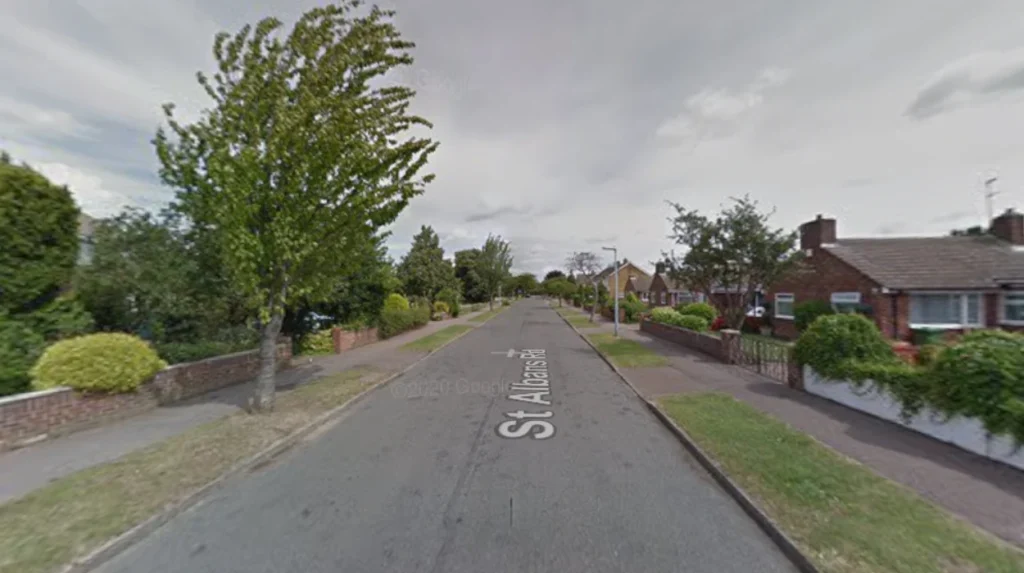
Community spaces in Arbury are undergoing structural re-evaluation as Cambridge City Council advances the North Cambridge Framework for Change, which proposes replacing aged retail units, housing, and public facilities with mixed-use council and private developments.
The Arbury estate in northern Cambridge features a designated network of public assembly hubs, commercial precincts, and green play spaces. The centerpiece of this neighborhood is Arbury Court, a courtyard shopping center established in the mid-twentieth century that serves as a focal point for daily social interactions and local retail.
Alongside Arbury Court, facilities such as the Arbury Community Centre and local green parks provide essential services, educational programs, and open recreational space for residents.
Under current urban plans, Cambridge City Council proposes demolishing existing structures to build over 200 council homes and 200 private properties. This major development initiative includes new commercial units, public open spaces, and re-provided library facilities.
The current spatial layout of Arbury reflects post-war British urban planning principles that emphasized centralized service hubs surrounded by residential streets. Arbury Court functions as a distinctive paved enclosure that protects pedestrian movement from vehicle traffic, fostering long-term resident interaction and supporting independent small businesses.
The integration of anchor stores, such as Budgens and the local Post Office, drives footfall to adjacent independent shops and community services. Surrounding open spaces, including dedicated children’s play parks and mature green canopies, offer crucial environmental amenities within an urban area facing increasing residential density.
However, many physical assets across the estate suffer from structural aging, inadequate thermal efficiency, and outdated architectural configurations. Cambridge City Council has allocated an £80 million investment framework to modernize north Cambridge, citing the urgent need for expanded council housing and improved public infrastructure.
While redevelopment offers opportunities to upgrade energy-inefficient buildings and expand housing availability, it threatens the physical footprint of established community venues. Local groups continuously highlight concerns that replacing open courtyard layouts with linear commercial corridors will reduce public dwell time and weaken informal social networks.
The active planning process currently involves ongoing consultations between city authorities, architectural consultants, trader liaison groups, and resident panels. Draft layouts undergo continuous revisions to address concerns regarding building heights, green space allocation, and pedestrian accessibility.
Council commitments state that a functional public park and access to essential shopping services will be maintained throughout all construction phases. The ultimate outcome depends on whether final architectural submissions successfully preserve the functional spatial dynamics that make these facilities effective community hubs.
Why Are Arbury’s Community Spaces at Risk from Urban Regeneration?
Arbury’s community spaces face risk due to high-density housing requirements, land-use reallocations, potential loss of courtyard-style architectural designs, and commercial displacement during the construction phases of master-planned estate redevelopments.
Urban regeneration initiatives in high-demand real estate markets like Cambridge prioritize maximizing residential capacity within municipal boundaries. The North Cambridge Framework for Change aims to address severe housing shortages by increasing residential density on existing public land.
Achieving these density targets frequently requires reallocating land previously dedicated to open green areas, surface parking, and single-story commercial plazas. At Arbury Court, plans to scale residential capacity from 31 existing units to over 200 units require substantial structural redesigns of the entire footprint. This massive physical expansion threatens to reduce dedicated open public space and compromise historical spatial relationships.
Architectural shift represents a primary threat to the functional utility of local gathering spaces. Modern retail redevelopments often favor linear shopfront layouts along main transport corridors over traditional, self-contained courtyard configurations. The existing courtyard layout of Arbury Court creates a safe, pedestrian-only environment that encourages lingering, spontaneous meetings, and community events.
Transitioning to a linear design removes this enclosed public circulation zone, turning a social community hub into a purely transactional commercial strip. Furthermore, proposed road realignments through existing pedestrian areas increase traffic flow, introducing safety hazards for children and elderly residents.
Economic disruption during multi-year construction phases poses another direct risk to community continuity. Local independent businesses and essential service providers rely on continuous footfall and established customer parking facilities to remain solvent.
Temporary relocation, prolonged access restrictions, or reduced parking availability can force long-standing anchor tenants to close permanently before new commercial units are completed. The loss of key retail anchors directly degrades the viability of neighboring independent shops, creating economic vacancies that weaken the broader neighborhood core.
Environmental and green infrastructure losses further compound community concerns during urban estate renewal. Master plans that re-provide open space by aggregating smaller scattered green pockets often fail to replicate the social and ecological value of a single, continuous play park.
The removal of mature trees and established play parks reduces natural shading, biodiversity, and dedicated youth recreation zones. Without strict binding protections within local planning consent, economic and housing delivery targets routinely overshadow the subtle social benefits provided by dedicated community assets.
How Does Redevelopment Impact Local Residents and Businesses?
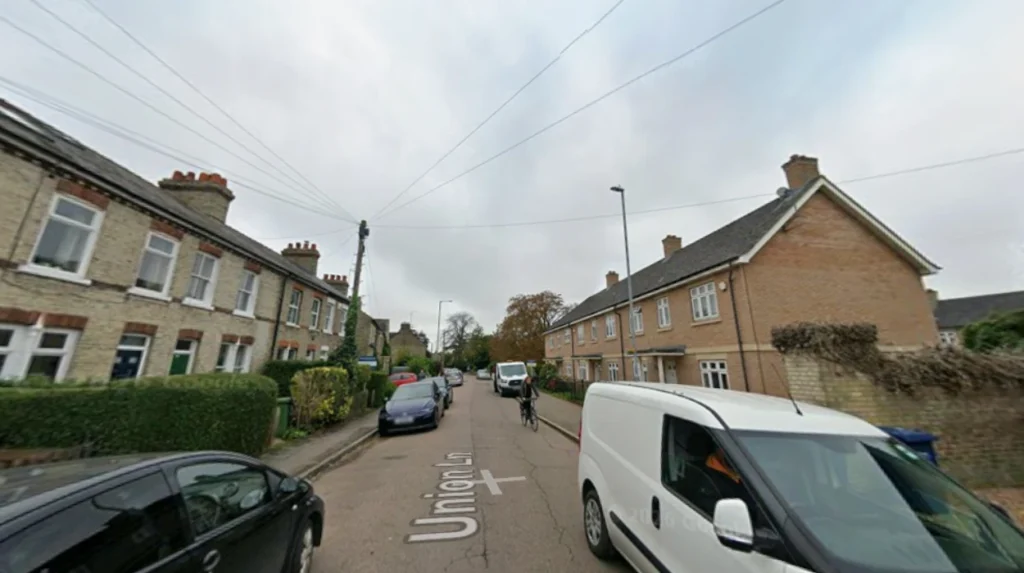
Redevelopment impacts local residents and businesses by altering access to essential services, shifting traffic patterns, disrupting small business operations during construction, and changing the physical environment of everyday social interactions.
The physical transformation of neighborhood hubs directly alters the daily routines of nearby residents and local business operators. For residents, Arbury Court and its surrounding green facilities function as essential multi-use spaces providing access to groceries, healthcare, postal services, and social gatherings.
Increasing the residential population density by adding hundreds of new homes introduces significant demand on local infrastructure, including public transport, primary care services, and school placements. If infrastructure expansion fails to match housing construction, local residents experience increased service congestion and reduced overall quality of life.
Traffic management and parking access represent major points of disruption during and after estate regeneration. The reduction of dedicated off-street customer parking forces drivers onto surrounding residential streets, increasing traffic congestion and localized parking stress.
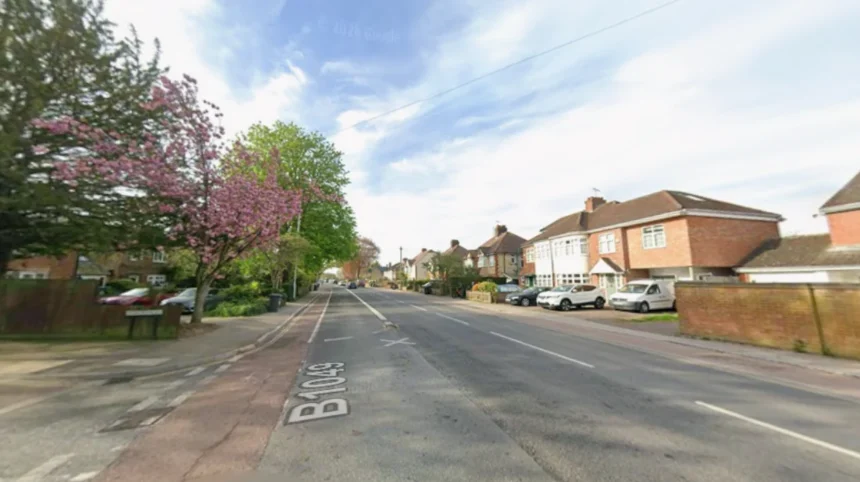
Proposed road links connecting secondary access routes directly to main thoroughfares like Arbury Road introduce potential vehicle rat-runs through previously quiet residential zones. For mobility-impaired residents and older citizens who rely on personal vehicles to access local shops, diminished parking options severely restrict independence and access to essential goods.
For small business owners, redevelopment introduces operational instability and financial risks. Independent traders operate on narrow margins and depend heavily on predictable pedestrian movement and established rental agreements. Multi-phase construction projects often cause trade drop-offs due to noise, dust, visual obstruction, and disrupted pedestrian access routes.
If local authorities fail to provide adequate financial mitigation, temporary trading locations, or guarantees on future lease terms, established local businesses risk being displaced by larger corporate chains capable of paying higher post-regeneration commercial rents.
Social cohesion is heavily impacted when physical spaces are reconfigured or temporarily closed. Public spaces such as play parks, community halls, and central plazas serve as neutral grounds that foster cross-generational and intercultural integration. Demolishing or relocating established play facilities fragments neighborhood social groups and removes safe, free outdoor spaces for children.
When regeneration projects disrupt these established spatial patterns, residents often express feelings of alienation and loss of local identity, emphasizing the necessity of preserving social infrastructure alongside physical building improvements.
What Legal and Planning Frameworks Protect Community Assets in the UK?
Legal and planning frameworks protecting UK community assets include Assets of Community Value under the Localism Act 2011, Section 106 obligations, the National Planning Policy Framework, and Community Asset Transfer policies.
The UK legal system provides specific statutory tools and policy frameworks to safeguard social infrastructure during urban planning and estate redevelopment processes. Under the Localism Act 2011, community groups can nominate local buildings or land to be listed as Assets of Community Value by their local authority.
A successful listing recognizes that the primary current or recent use of the property furthers the social wellbeing or social interests of the local community. If an Asset of Community Value is put up for sale or substantial redevelopment, a statutory moratorium period is triggered, allowing local community organizations up to six months to prepare a bid and secure funding to purchase or lease the asset.
The National Planning Policy Framework sets out government planning policies for England and establishes clear guidelines for preserving community facilities. Paragraphs within the policy mandate that planning decisions must guard against the unnecessary loss of valued facilities and services, particularly where this would reduce the community’s ability to meet its day-to-day needs.
Local planning authorities are legally required to evaluate the impact of proposed developments on existing community infrastructure before granting planning permission. Furthermore, policies encourage the co-location of community services within accessible hubs to promote social interaction and long-term operational sustainability.
Planning obligations executed under Section 106 of the Town and Country Planning Act 1990 serve as legally binding mechanisms to secure developer contributions. When approving major housing developments, local planning authorities use Section 106 agreements to compel developers to construct replacement community halls, fund public open spaces, or construct new education and healthcare facilities.
These obligations ensure that public infrastructure is expanded alongside private residential growth. Legal agreements can also stipulate that existing community facilities must remain operational until replacement facilities are fully constructed and commissioned, preventing gaps in public service availability.
Community Asset Transfer policies enable local authorities to transfer the management or ownership of public land and buildings to community organizations at below-market value. These long-term lease arrangements empower local charities and community interest companies to manage centers, sports facilities, and public parks independently.
By securing long-term operational tenure, community managers can secure grant funding and tailor local services directly to resident needs, insulating vital social assets from future municipal real estate sales or high-density housing redevelopments.
How Can Communities Successfully Preserve Their Local Gathering Spaces?
Communities can preserve local gathering spaces by forming organized advocacy groups, participating in statutory planning consultations, utilizing spatial counter-proposals, and establishing partnerships with local authorities and advocacy networks.
Grassroots mobilization represents the most effective starting point for preserving endangered local gathering spaces. When redevelopment proposals emerge, residents can form unified advocacy groups, such as resident associations or action committees, to consolidate public input.
Organized groups gather structured empirical evidence, conduct independent neighborhood surveys, and document how specific public spaces are used across different demographic groups. Presenting organized, data-driven evidence during public consultations carries significantly more weight with planning committees than unorganized individual complaints.
Active participation in statutory planning consultations ensures that community priorities enter the formal planning record. Local planning authorities are legally required to conduct public engagements, such as the North Cambridge Framework consultation process, before finalizing master plans.
Community members should submit precise feedback on architectural proposals, highlighting specific layout flaws, traffic safety concerns, and green space losses. Engaging with local ward councillors, planning officers, and appointed developer representatives during public workshops creates direct channels to influence early stage design revisions.
Developing professional counter-proposals provides local communities with proactive leverage during design negotiations. Rather than simply opposing redevelopment, organized groups can collaborate with sympathetic architects, urban planners, and environmental specialists to draft alternative site layouts.
These counter-proposals demonstrate how density targets can be achieved while preserving key features, such as central shopping courtyards, contiguous play parks, and mature tree canopies. Presenting viable design modifications forces developers and council officers to evaluate compromise solutions that protect social infrastructure.
Establishing strong coalitions with established regional and national networks amplifies community advocacy efforts. Local groups can partner with heritage organizations, environmental charities, and independent retail associations to gain legal expertise and media coverage.
Utilizing legal mechanisms like Asset of Community Value nominations and petitioning for statutory protections creates procedural checkpoints that slow down unmitigated development. By maintaining a continuous, structured presence throughout every phase of design and planning, local populations can successfully ensure that social spaces remain central to their neighborhood’s future.
Can a council legally demolish a community center during redevelopment?
Yes, a local council can legally demolish a community center if they hold ownership and obtain standard planning permission. However, national planning policy dictates that councils must evaluate the loss of social infrastructure and typically require replacement or relocated facilities within the master plan.
What is the difference between a standard shop layout and a shopping courtyard?
A shopping courtyard features an enclosed pedestrian plaza surrounded by shops, prohibiting vehicular traffic and encouraging dwell time and social events. A standard linear shopfront layout places stores directly along a straight street or road, prioritizing transactional access and vehicle visibility over community gathering.
How do residents stop a local park from being built over?
Residents can apply to register the park as Town or Village Green if it has been used for unhindered recreation for over 20 years. Additionally, organizing formal consultation responses, securing Asset of Community Value status, and presenting alternative spatial plans can force developers to retain contiguous green spaces.
Will local shopkeepers get space in the new Arbury redevelopment?
Councils usually offer existing business tenants first right of refusal on new commercial leases within the completed development. However, high future commercial rents and multi-year construction disruptions often force smaller independent shopkeepers to relocate permanently unless rent subsidies are guaranteed.
How does Section 106 benefit local communities during housing construction?
Section 106 agreements force private developers to pay for off-site public improvements or construct local amenities like parks, schools, and community spaces. These legally binding agreements ensure that housing expansion does not overwhelm existing public infrastructure.