

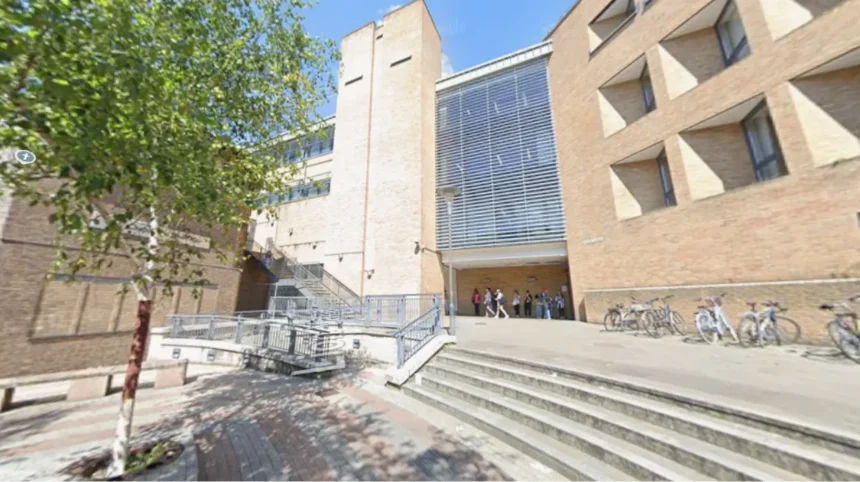
Cambridgeshire Libraries operates as a statutory public library service managed by Cambridgeshire County Council to provide free access to educational resources, digital media, physical books, business support, and community spaces for all residents living across the local authority network.
- How did the public library system develop in Cambridgeshire over time?
- What physical and digital services do Cambridgeshire Libraries provide?
- How does the library catalogue and borrowing system function?
- Which major library branches operate across Cambridgeshire?
- What local history archives and research collections are available?
- How do mobile libraries support rural Cambridgeshire communities?
- What role do Cambridgeshire Libraries play in business and economic support?
- How are digital technologies transforming library services in the county?
- What is the future outlook for the Cambridgeshire library network?
- How do I join Cambridgeshire Libraries and get a membership card?
- Can I return borrowed books to a different Cambridgeshire library branch?
- How does the Open+ unstaffed access system work at local branches?
- What free business resources are available through the library service?
- How do I request a book if it is not available at my local branch?
The municipal library infrastructure in Cambridgeshire fulfills a legal mandate defined under the Public Libraries and Museums Act 1964. This legislation requires local authorities in England to offer a comprehensive and efficient library service for anyone residing, working, or studying within the county boundaries.
The network serves urban populations in Cambridge alongside rural communities across East Cambridgeshire, Fenland, Huntingdonshire, and South Cambridgeshire. Operational management falls under the Leisure and Culture Directorate of Cambridgeshire County Council, which allocates municipal funding, maintains facilities, and employs professional library staff.
The system comprises 33 council-run statutory libraries, 12 community-managed branches, and a mobile library fleet that regularly visits over 90 rural villages. Beyond serving as collection points for printed literature, these locations operate as civic infrastructure nodes.
They offer public computing terminals, high-speed internet access, early literacy programs, meeting spaces, and business support hubs. By merging physical access points with digital lending networks, the system ensures equitable entry to information, literacy advancement, and lifelong education tools.
The structural framework integrates local branch operations into a unified management catalog. This unified approach allows cardholders to request materials from any branch within the network for local pickup.
Additionally, the council partners with national initiatives such as the Business and IP Centre network and the national Summer Reading Challenge. These partnerships expand public access to intellectual property data, small business market research, and structured child education initiatives across the county.
As public institutions undergo structural updates to meet modern needs, the network continues to expand digital delivery alongside physical infrastructure. Modern library facilities incorporate automated entry systems, climate-controlled preservation units, and public work spaces equipped with modern technical amenities.
Through these combined resources, the local network acts as a foundational support system for democratic access to knowledge, social inclusion, and historical record preservation.
How did the public library system develop in Cambridgeshire over time?
The Cambridgeshire library network evolved from 19th-century municipal reading rooms and university archives into a consolidated countywide authority that integrated rural mobile services, suburban branch libraries, and digital collection management tools across the 20th and 21st centuries.
Public library provision within Cambridgeshire began following the passage of the Public Libraries Act 1850. Early initiatives emerged within urban centers like Cambridge, where civic leaders established free municipal reading rooms to serve working-class residents. These early efforts developed independently from the private collections maintained by the colleges of the University of Cambridge.
Suburban expansion during the mid-20th century led to the construction of dedicated municipal branches, including Barnwell Road Library in 1964 and Arbury Court Library in 1966.
The administrative organization of the library system underwent structural restructuring under the Local Government Act 1972. This legislation consolidated independent borough and district operations across Cambridgeshire, Huntingdonshire, and the Isle of Ely into a single unified public library authority managed by Cambridgeshire County Council.
To reach isolated rural areas across the Fens and agricultural regions, the county established a mobile library network. These mobile units brought physical books and reference services directly to outlying communities on fixed rotation schedules.
During the late 20th century, the service modernised its internal record-keeping and public resource tracking systems. The introduction of computerized database catalogs replaced paper card indexes, allowing cross-branch item tracking and automated resource reservations.
Strategic infrastructure investments led to the construction of larger central facilities, such as the opening of the comprehensive Cambridge Central Library within the Lion Yard development.
In the 21st century, public library delivery adapted to budget constraints and changing technology through hybrid management models. Community-managed branches emerged in smaller settlements, operated by local volunteers with support from council infrastructure.
Simultaneously, the introduction of automated access systems and digital lending platforms transformed physical locations into flexible community hubs that provide continuous online access to digital collections.
What physical and digital services do Cambridgeshire Libraries provide?
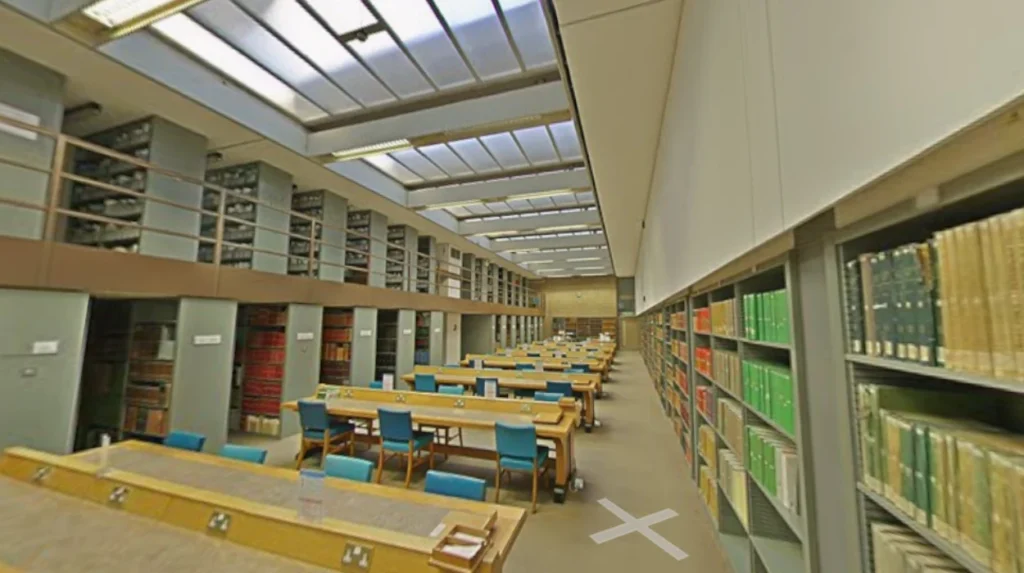
Cambridgeshire Libraries provides physical book loans, reference access, local historical archives, public computers, mobile library stops, and online digital lending for e-books, audiobooks, digital magazines, national newspapers, and academic reference databases across the county.
The primary service offering includes access to extensive physical print collections covering fiction, non-fiction, large-print editions, and multi-language literature. Library members can borrow up to 12 items concurrently, with flexible renewal options available online, by telephone, or through automated self-service kiosks in branches.
Members also gain access to a digital media ecosystem that includes digital services like Libby, BorrowBox, uLibrary, and PressReader. These platforms offer downloadable e-books, e-audiobooks, digital comics, and worldwide digital newspaper issues directly to personal electronic devices.
Physical locations provide free public access to desktop computer terminals running internet browsers, office productivity software, and printing facilities. High-speed wireless internet is accessible to visitors across all branch locations without charge.
To expand physical access options beyond traditional staffed hours, selected branches use Open+ technology. This automated system grants registered adult members controlled keypad access to library spaces, borrowing tools, computers, and study areas outside standard operational schedules.
Specialized reference platforms complement physical collections by providing access to subscription databases that are typically restricted by paywalls. Members can access premium digital research services, including the Oxford English Dictionary, Encyclopaedia Britannica, Credo Reference, and genealogical platforms like Ancestry Library Edition. These research databases allow individuals to conduct academic, legal, biographical, and historical research without subscription costs.
The network also maintains specialized community programs designed for target demographic groups. Early childhood services include weekly interactive Rhymetime and Storytime sessions focused on developing early language skills. For older demographics, branches host regular social groups, digital inclusion workshops, and reading clubs. Specialized access services ensure homebound residents receive physical deliveries through dedicated home library service teams.
How does the library catalogue and borrowing system function?
The Cambridgeshire library catalog functions through an integrated automated database system that links branch inventories, manages cardholder records, processes online reservations, handles physical collection logistics, and validates access credentials for electronic media platforms.
The operational framework relies on an integrated library management system that tracks every physical item owned by the county council. Each book, audio disc, or reference document receives an individual barcode and metadata entry that records author, title, publication date, classification code, and current location. Patrons browse this database using public search terminals within branches or through the web-based library portal. The online interface displays item availability in real-time across every public branch in the council network.
Joining the library system requires basic identification and proof of address to establish a free cardholder account. Upon registration, the member receives a library card featuring a unique barcode number, which serves as the primary authentication key across physical and digital platforms. Cardholders can log into the online portal to track due dates, place holds on items located at other branches, request inter-library loans, and extend active borrowing periods.
Physical collection distribution operates through an internal county transport network. When a user reserves an item held at a distant branch, logistics staff route the book to the user’s selected branch for collection. Borrowers receive automated notifications via email or text message when held items arrive at their pickup branch. Items can then be returned to any participating branch within the council network, regardless of where they were originally checked out.
Authentication for third-party digital media providers relies on direct database integration with the primary library software. When a user logs into external apps like Libby or BorrowBox, the application verifies the library card number and personal identification PIN against the central server. Once validated, digital lending periods apply automatically, and files expire from the user’s device at the end of the loan period, eliminating overdue fees for electronic items.
Which major library branches operate across Cambridgeshire?
Major library branches across Cambridgeshire include Cambridge Central Library, Huntingdon Library, Wisbech Library, Ely Library, March Library, and St Neots Library, alongside local suburban and community-managed facilities.
Cambridge Central Library, located in Lion Yard in Cambridge, operates as the principal hub of the county system. Spanning multiple floors, this flagship branch houses expansive lending departments, a dedicated children’s reading section, specialized study desks, a business center, and the main Cambridgeshire Collection local studies archive. It serves high volumes of students, researchers, and local residents daily, making it the most heavily used branch in the network.
In the western region, Huntingdon Library operates as a key regional center within Huntingdonshire. This location houses the Huntingdonshire Local Studies Collection and offers public computer facilities, meeting rooms for hire, and accessible spaces for community groups. Towards the north, Wisbech Library acts as the main hub for the Fenland district, featuring the Fenland Local Studies Collection and comprehensive digital access infrastructure tailored to local urban and rural populations.
Additional key town facilities include Ely Library, March Library, and St Neots Library. Ely Library serves East Cambridgeshire with research collections, study areas, and regular civic programming. March Library provides extensive physical media collections and educational resources for central Fenland communities. St Neots Library offers targeted literacy support, youth activities, and reference resources for the county’s largest parish population.
These primary hubs are supported by a broader system of suburban libraries, such as Arbury Court Library and Barnwell Road Library, alongside community-operated branches like Bassingbourn Book Café. Co-located facilities, like Bar Hill Library sharing space with local postal services, maximize resource efficiency while maintaining accessible service points across diverse geographic zones.
What local history archives and research collections are available?
Cambridgeshire Libraries holds local history collections, historical maps, original parish records, microfilmed newspapers, trade directories, and photograph archives housed primarily within dedicated local studies centers in Cambridge, Huntingdon, and Wisbech.
The primary historical repository managed within the library service is the Cambridgeshire Collection, housed at Cambridge Central Library. This extensive archive contains over 50,000 cataloged items detailing the social, architectural, commercial, and political history of the historical county of Cambridgeshire and the Isle of Ely. Materials include regional books, local government papers, maps dating from the 16th century to the present, sales particulars for private estates, and thousands of historical photographs.
Complementing the central archive, the Huntingdonshire Collection at Huntingdon Library preserves records related to the historical county of Huntingdonshire. This collection includes local newspaper archives, parish registers, estate surveys, and materials related to prominent regional figures like Oliver Cromwell.
Similarly, the Fenland Collection at Wisbech Library focuses on the unique geographic, agricultural, and drainage history of the Fenland region, maintaining documentation on land reclamation, agricultural worker movements, and town development.
Genealogical researchers can access comprehensive family history resources at these central locations. Facilities provide free access to microfilmed parish registers detailing baptisms, marriages, and burials across local villages. Historical census records from 1841 through 1921, electoral registers, and local trade directories allow researchers to trace individual family lineages and property ownership histories over successive generations.
Specialized research tools also include local newspaper archives preserved on microfilm and in physical bound volumes. Publications such as the Cambridge Chronicle, the Cambridge Evening News, and regional Fenland gazettes provide detailed historical reporting. Researchers can inspect these documents directly or use online digitized search tools provided through institutional subscriptions on public terminals.
How do mobile libraries support rural Cambridgeshire communities?
Mobile libraries support rural Cambridgeshire communities by delivering physical books, educational media, reference resources, and personal librarian access to over 90 isolated villages on scheduled monthly routes using specialized accessibility vehicles.
The rural geographic landscape of Cambridgeshire includes dozens of small, isolated villages and hamlets that lack dedicated permanent library facilities. To meet statutory service requirements for these populations, the council operates a fleet of custom-built mobile library vehicles. These vehicles are designed as compact library spaces, equipped with custom shelving, interior climate control, automated checkout technology, and wheelchair accessibility ramps.
Mobile library vehicles follow fixed, publicly available timetable schedules, visiting designated village stops on regular monthly cycles. Stop locations typically include central community points, such as village greens, primary schools, retirement housing complexes, and parish halls. Drivers and onboard library assistants help residents browse physical collections, manage user accounts, reserve specific titles from the wider network, and return borrowed items.
The vehicle collections are tailored to meet the demographic needs of rural communities. Rotated stock includes popular fiction, large-print titles, non-fiction guides, audiobooks, and dedicated early-years picture books for children. The mobile service acts as a crucial literacy connection for young families and rural schools that cannot make frequent visits to urban branch facilities.
Beyond media access, mobile libraries serve as vital points of social connection for isolated residents. For rural individuals facing mobility challenges or limited access to public transport, the regular arrival of the mobile vehicle offers access to public services, local information leaflets, and social interaction. This mobile delivery infrastructure ensures public library resources remain accessible regardless of geographic location.
What role do Cambridgeshire Libraries play in business and economic support?
Cambridgeshire Libraries supports local economic development by hosting the Business and IP Centre Cambridgeshire, providing free access to commercial databases, market research, intellectual property guidance, and entrepreneurship workspace.
The economic support infrastructure is organized around the Business and IP Centre Cambridgeshire, established in partnership with the British Library’s national BIPC network. Operating primarily from Cambridge Central Library, with secondary regional hubs in locations like Ely and Huntingdon, this initiative provides resources designed to support start-ups, small businesses, and independent entrepreneurs across the region.
A key advantage for local businesses is free access to premium commercial and financial databases. Entrepreneurs can search industry platforms like COBRA, IBISWorld, Mintel, and Fame without paying standard subscription fees. These tools offer access to detailed market research reports, industry trend analyses, competitor tracking data, company credit reports, and legal compliance guides needed to write viable business plans.
The centre also offers guidance on intellectual property rights, helping users safeguard their commercial innovations. Trained staff provide one-on-one information sessions covering patent searches, trademark registration, design copyright protection, and commercial licensing framework basics. While staff do not provide direct legal advice, they assist users in navigating national trademark and patent databases efficiently.
In addition to digital databases, these business hubs offer physical workspaces, meeting room facilities, and regular skill-building workshops. Topic areas include business accounting, digital marketing strategies, search engine optimization, and grant funding application procedures. By offering access to information tools and practical training, the service helps lower barrier costs for new local business ventures.
How are digital technologies transforming library services in the county?
Digital technologies transform Cambridgeshire Libraries by introducing 24-hour electronic lending, automated Open+ physical branch entry, public Wi-Fi networks, cloud printing systems, and digital literacy training initiatives.
The deployment of digital lending services has broadened user engagement beyond physical operating hours. Cardholders access e-books, e-audiobooks, e-magazines, and digital newspapers directly through integrated mobile applications on personal devices. This virtual infrastructure ensures continuous availability of literary and reference media, allowing users to borrow and return materials at any time without visiting a physical branch.
At physical branch locations, entry technology has transformed access to physical facilities. The installation of Open+ automated control systems allows registered adult members to access library buildings during unstaffed hours by scanning their membership cards and entering a secure personal identification PIN. Automated systems manage interior lighting, public computer access, self-service loan terminals, and security monitoring, extending open access hours for working professionals and students.
In-library digital technology features upgraded hardware, high-speed public Wi-Fi, and cloud-based wireless printing services. Users can send print jobs directly from personal laptops or mobile phones to library printers, or use public desktop computers for complex tasks. Interactive digital displays and internet-connected research terminals allow users to explore digital archives, genealogical collections, and council services seamlessly.
To address inequalities in technical skills across the county, the library system offers digital literacy programs. Staff and volunteers host regular digital support sessions to assist residents with basic computer navigation, online government service forms, internet safety, and mobile device operation. These instructional programs ensure that residents of all ages can access increasingly digitized public services.
What is the future outlook for the Cambridgeshire library network?
The future outlook for Cambridgeshire Libraries focuses on upgrading physical facilities for modern community needs, expanding digital services, building community-managed branch partnerships, and lowering carbon footprints across municipal operations.
County strategy centers on modernizing facilities to ensure library spaces remain adaptable, accessible community hubs. Planned investments focus on reconfiguring interior layouts to accommodate flexible co-working spaces, quiet study zones, interactive children’s areas, and community event facilities. Building upgrades incorporate energy-efficient heating systems, LED lighting, and improved insulation to align with countywide environmental sustainability targets.
The expansion of community-managed library partnerships remains an important operational model for sustaining local access points in smaller settlements. By collaborating with parish councils, local charities, and volunteer groups, the council provides background IT infrastructure, book stock rotation, and professional oversight while community volunteers manage day-to-day operations. This cooperative approach helps preserve local library services in rural communities.
Digital media development will continue to expand alongside physical investments. Future expansion plans focus on growing electronic collections, expanding digital database access, and deploying modern library management software to streamline user interactions. Strategic investments in mobile digital tools will ensure users can access educational resources and municipal information seamlessly.
In addition, modern library spaces are increasingly co-located with complementary civic services. Integrating library facilities with post offices, community centers, health advice hubs, and early childhood centers creates multi-functional civic destinations. This integrated strategy ensures that Cambridgeshire Libraries remains a resilient, efficient, and essential public resource for future generations.
How do I join Cambridgeshire Libraries and get a membership card?
You can join online through the official Cambridgeshire County Council website or in person at any branch location. Registration requires providing basic personal details and showing proof of address. Once verified, you will receive a library card that grants immediate access to physical book borrowing, public computer use, and digital media platforms like Libby and BorrowBox.
Can I return borrowed books to a different Cambridgeshire library branch?
Yes, you can return items borrowed from any statutory Cambridgeshire library to any other council-run branch within the county network. The automated system processes the return, updates your account, and routes the item back to its home branch via internal logistics. This service offers flexibility for users who travel across different towns in the county.
How does the Open+ unstaffed access system work at local branches?
Open+ allows registered members aged 16 and over to access selected library branches outside standard staffed operating hours. Members scan their library card at the external entrance panel and enter a secure PIN to open the door. Inside, automated controls manage lighting and allow members to use computers, study spaces, and self-service borrowing kiosks independently.
What free business resources are available through the library service?
Through the Business and IP Centre Cambridgeshire, members gain free access to commercial market research databases like Mintel, COBRA, and IBISWorld. Entrepreneurs can also access guidance on intellectual property rights, attend business development workshops, and use dedicated workspace hubs at main central branches like Cambridge Central Library.
How do I request a book if it is not available at my local branch?
You can reserve books using the online catalog or by asking branch staff to place a hold for you. If the item is in stock at another branch within the county network, internal delivery will transfer it to your chosen pickup location, and you will receive an automated notification when it arrives.